
Designing a Glass Kitchen Extension: UK Homeowner's Guide
Explore the benefits, design considerations, and regulations for glass kitchen extensions in the UK. Learn about U-values, planning, and practical tips.

Shard Architectural Glazing
16 March 2026
Explore the benefits, design considerations, and regulations for glass kitchen extensions in the UK. Learn about U-values, planning, and practical tips.
📋In This Article
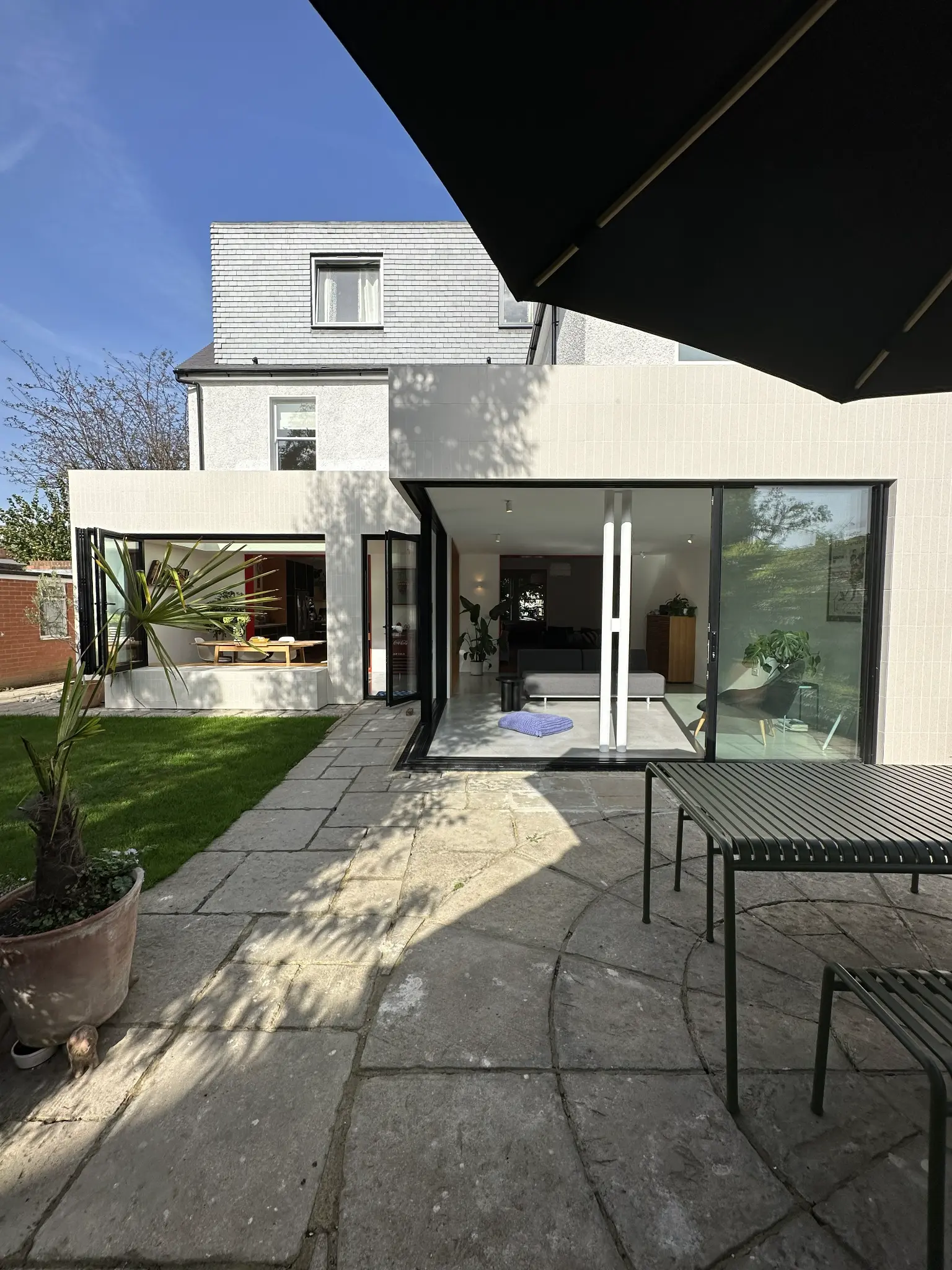
Extending your kitchen is a fantastic way to enhance your home, providing more space, light, and a seamless connection to your garden. When considering a kitchen extension, incorporating glass elements can transform the space, creating a bright, modern, and inviting environment. From expansive bi-fold doors to entire glass roofs, the possibilities are vast. This comprehensive guide will walk UK homeowners through the key aspects of designing and building a glass kitchen extension, covering everything from design choices and thermal performance to planning permission and Building Regulations.
The Appeal of Glass Kitchen Extensions
Glass kitchen extensions have soared in popularity, and for good reason. They offer a unique blend of aesthetics and functionality, dramatically altering the feel and value of a property. The primary draw is the abundance of natural light they introduce, which can make even a small kitchen feel larger and more open. This influx of daylight also reduces the need for artificial lighting during the day, potentially lowering energy bills.
Beyond light, glass extensions create a strong visual and physical connection to the outdoors. Whether it's a view of a meticulously landscaped garden or simply the sky above, this connection fosters a sense of tranquillity and spaciousness. Modern glazing technology also means that these extensions are no longer just for summer; they can be comfortable, energy-efficient spaces all year round.
Abundant Natural Light
Maximises daylight, reducing reliance on artificial lighting and creating a brighter, more inviting atmosphere.
Seamless Indoor-Outdoor Flow
Connects your kitchen directly to your garden or patio, perfect for entertaining and family life.
Enhanced Property Value
A well-designed, high-quality glass extension can significantly increase your home's market appeal and value.
Modern Aesthetic Appeal
Offers a contemporary, sophisticated look that can revitalise the entire home's design.
Design Considerations and Glazing Options
When planning your glass kitchen extension, several design elements and glazing options need careful consideration to achieve the desired aesthetic and functionality.
Glazing Types and Frames
- Bi-fold Doors: These are incredibly popular, allowing entire walls to be opened up, creating an uninterrupted transition between indoor and outdoor spaces. They are available in various configurations and materials like aluminium, timber, or uPVC. Aluminium is often preferred for its strength, slim sightlines, and durability.
- Sliding Doors: Offering large expanses of glass, sliding doors (including lift-and-slide systems) provide excellent views and can be ideal where space for bi-folds to stack is limited. They typically offer larger individual panes of glass than bi-folds.
- Fixed Glazing Panels: For areas where opening functionality isn't required, large fixed glass panels can maximise light and views, often at a lower cost than opening systems.
- Rooflights and Lanterns: Introducing light from above is transformative. Flat rooflights, pyramid rooflights, or glass lanterns can flood the kitchen with natural light, especially in deeper extensions.
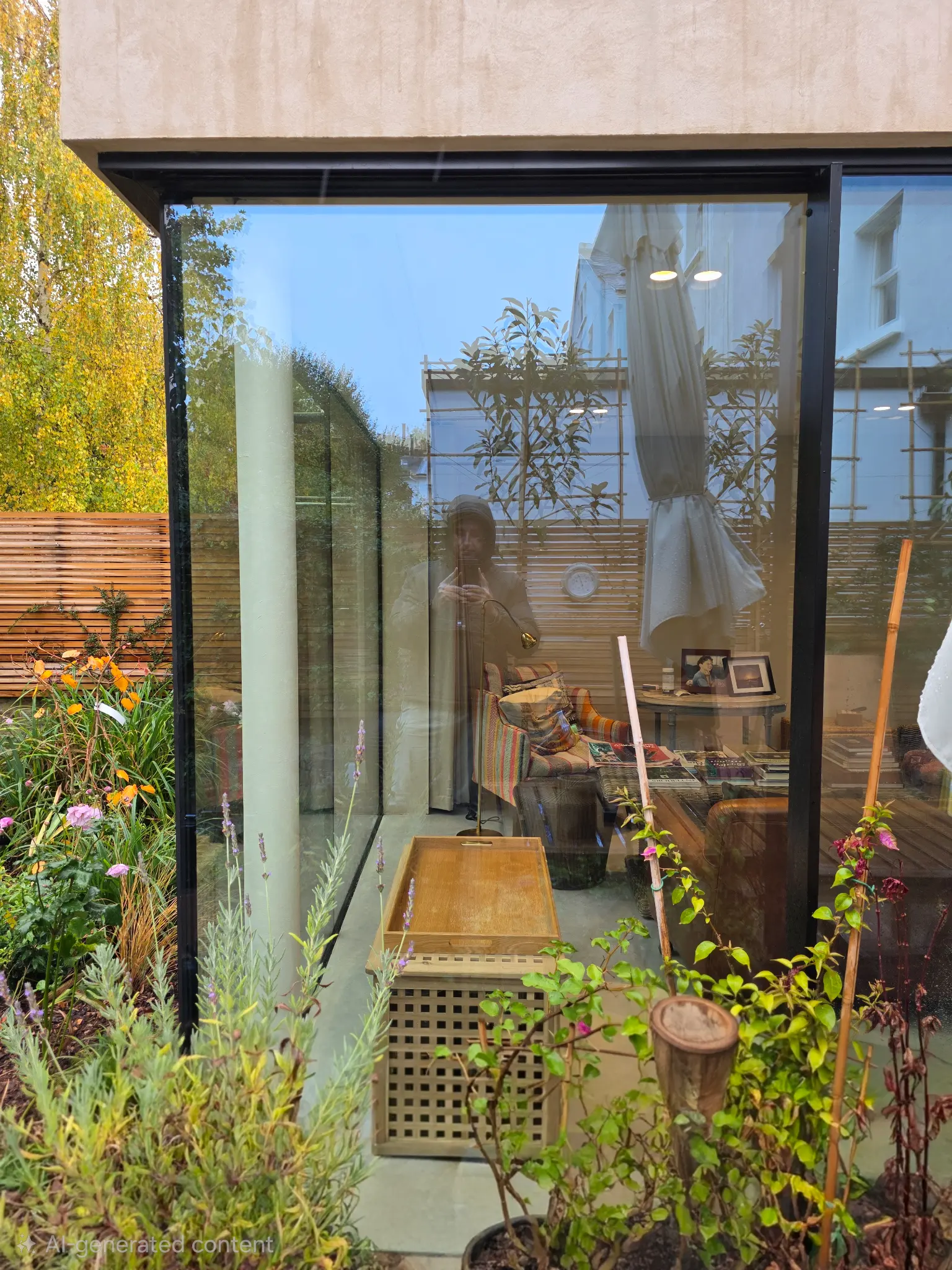
- Structural Glass: For a truly minimalist look, structural glass allows for frameless or minimal-frame designs, creating a 'glass box' effect. This requires specialist engineering and installation.
Frame Materials
- Aluminium: Highly durable, low maintenance, and allows for very slim frames, maximising glass area. Excellent thermal performance when combined with thermal breaks.
- Timber: Offers a natural, warm aesthetic. Requires more maintenance but can be highly insulating.
- uPVC: A cost-effective option, good thermal performance, but frames tend to be thicker, potentially reducing glass area.
- Composite: Combines materials (e.g., timber internally, aluminium externally) to offer the best of both worlds in terms of aesthetics and performance.
Pro Tip
Consider the orientation of your extension. South-facing glass can lead to overheating in summer, while north-facing might feel cooler. Incorporating solar control glass or external shading solutions like brise soleil or awnings can mitigate excessive solar gain. Ventilation is also crucial to prevent overheating and condensation.
Thermal Performance and U-Values
The thermal performance of your glazing is paramount, especially in the UK climate. This is measured by the U-value, which indicates how well a building element prevents heat from escaping. A lower U-value means better insulation. For glass kitchen extensions, achieving good U-values is critical for comfort and energy efficiency, and to comply with Building Regulations.
Modern glazing typically uses double glazing as a minimum, often with a low-emissivity (low-e) coating and argon gas infill between the panes. For superior performance, triple glazing is an option, though it adds weight and cost. The frame material also significantly impacts the overall U-value of the window or door unit.
UK Building Regulations and Planning Permission
Navigating UK Building Regulations and planning permission is a critical step for any extension project. Ignoring these can lead to significant issues, including enforcement notices and difficulties when selling your home.
Planning Permission
Many smaller extensions can be built under Permitted Development Rights, meaning you won't need to apply for full planning permission. However, there are strict limits on size, height, and proximity to boundaries. For example, a single-storey rear extension can typically extend up to 4 metres from the original rear wall of a detached house, or 3 metres for a semi-detached or terraced house, without planning permission. Larger extensions or those in conservation areas or on listed buildings will almost certainly require full planning permission.
It is always advisable to check with your local planning authority or consult a planning professional early in the process to confirm whether your proposed extension falls within Permitted Development or requires a formal application.
Building Regulations (England 2022)
All extensions, regardless of whether they need planning permission, must comply with Building Regulations. These cover aspects like structural integrity, fire safety, drainage, ventilation, and, crucially for glass extensions, thermal performance. The regulations ensure your extension is safe, accessible, and energy-efficient.
Key thermal performance requirements (U-values) for new extensions (England 2022) are:
- Walls: 0.18 W/m²K
- Floors: 0.18 W/m²K
- Roofs: 0.15 W/m²K
- Windows/Doors: 1.2 W/m²K (for new build extensions)
For replacement windows/doors in existing parts of the house, the U-value requirement is 1.4 W/m²K. However, for a new extension, the 1.2 W/m²K standard applies to the glazing within the extension itself. It's important to ensure your chosen glazing supplier can provide products that meet or exceed these standards.
Building Control approval involves submitting plans and undergoing inspections at various stages of construction. This is typically handled by your architect or builder, but you, as the homeowner, are ultimately responsible for compliance.
Compliance Table: Building Regulations Part L (Conservation of Fuel and Power)
| Building Element | New Build & Extensions (England 2022) |
|---|---|
| External Walls | 0.18 W/m²K |
| Floors | 0.18 W/m²K |
| Roofs | 0.15 W/m²K |
| Windows & Doors | 1.2 W/m²K |
| Party Walls | 0.0 W/m²K |
Note: These are minimum standards. Exceeding them can lead to greater energy efficiency and comfort.
Practical Considerations and Potential Challenges
While glass kitchen extensions offer numerous benefits, it's important to be aware of potential challenges and practical considerations.
- Overheating (Solar Gain): Large expanses of glass, particularly south or west-facing, can lead to excessive heat build-up in summer. Solutions include solar control glass, external shading (e.g., overhangs, brise soleil, external blinds), and effective ventilation strategies.
- Privacy: Depending on your property's orientation and proximity to neighbours, privacy can be a concern. Solutions range from frosted or switchable smart glass to carefully positioned planting or internal blinds.
- Cleaning and Maintenance: Large glass surfaces will inevitably show dirt and streaks. Consider accessibility for cleaning, especially for rooflights or upper panes. Self-cleaning glass can reduce maintenance but doesn't eliminate it entirely.
- Cost: High-quality, thermally efficient glazing, especially large or bespoke units, can be a significant investment. Structural glass and specialist framing systems will also add to the budget.
- Acoustics: Glass can reflect sound, potentially leading to a noisier environment. Consider incorporating soft furnishings, acoustic panels, or even laminated glass for improved sound insulation.
- Condensation: While modern glazing greatly reduces condensation, it can still occur, especially in a kitchen with high humidity. Good ventilation is key to managing this.
Choosing the Right Professionals
A successful glass kitchen extension relies heavily on the expertise of your project team. You'll likely need:
- Architect or Architectural Designer: To help with design, planning applications, and Building Regulations drawings. They will ensure the extension integrates seamlessly with your existing home and meets your aesthetic and functional requirements.
- Structural Engineer: Essential for calculating loads and designing the structural elements, especially for large glass spans or structural glass systems.
- Building Contractor: A reputable builder with experience in glass extensions is crucial. Ask for references and view previous work.
- Glazing Specialist: Work with a company that specialises in high-performance architectural glazing. They can advise on the best glass types, frame materials, and installation methods to meet both aesthetic and regulatory demands.
Ensure all professionals are adequately insured and can provide relevant certifications or accreditations.
Conclusion and Next Steps
A glass kitchen extension can be a truly transformative addition to your UK home, bringing light, space, and a contemporary feel. By carefully considering the design, understanding the thermal performance requirements, and adhering to planning and Building Regulations, you can create a stunning and energy-efficient space that you'll enjoy for years to come.
The journey from concept to completion requires careful planning and the right team of professionals. Don't rush the decision-making process; invest time in research, gather quotes, and ensure your chosen partners have a proven track record in delivering high-quality architectural glazing solutions.
If you're considering a glass kitchen extension and need expert advice on high-performance glazing options, Shard AG specialises in bespoke architectural glass solutions for UK homeowners. Our team can guide you through the technical specifications, design possibilities, and compliance requirements to help bring your vision to life.
Explore Our Products
Discover how Shard Architectural Glazing can transform your home with our premium glazing solutions:
Ready to Transform Your Home?
Get in touch with our expert team for a free consultation and personalised quote. We'll help you choose the perfect glazing solution for your property.