Designing a Glass Kitchen Extension: UK Homeowner's Guide
Explore the benefits, design considerations, and technical aspects of glass kitchen extensions in the UK. Understand Building Regulations, material choices, and practical tips.

Shard Architectural Glazing
24 March 2026
Explore the benefits, design considerations, and technical aspects of glass kitchen extensions in the UK. Understand Building Regulations, material choices, and practical tips.
📋In This Article
A kitchen is often the heart of a home, and for many UK homeowners, extending this vital space to incorporate more natural light and a seamless connection to the outdoors is a dream. Glass kitchen extensions offer a stunning solution, transforming dark, cramped kitchens into bright, airy, and contemporary living areas. However, achieving this vision requires careful planning, an understanding of technical specifications, and adherence to UK Building Regulations. This guide will walk you through the essential aspects of designing and building a successful glass kitchen extension.
Benefits of Glass Kitchen Extensions
Opting for a glass-centric design in your kitchen extension brings a multitude of advantages, enhancing both the aesthetic appeal and the functionality of your home.
Maximised Natural Light
Glass extensions flood your kitchen with daylight, reducing the need for artificial lighting during the day and creating a more uplifting atmosphere. This can also contribute to lower energy bills.
Seamless Indoor-Outdoor Flow
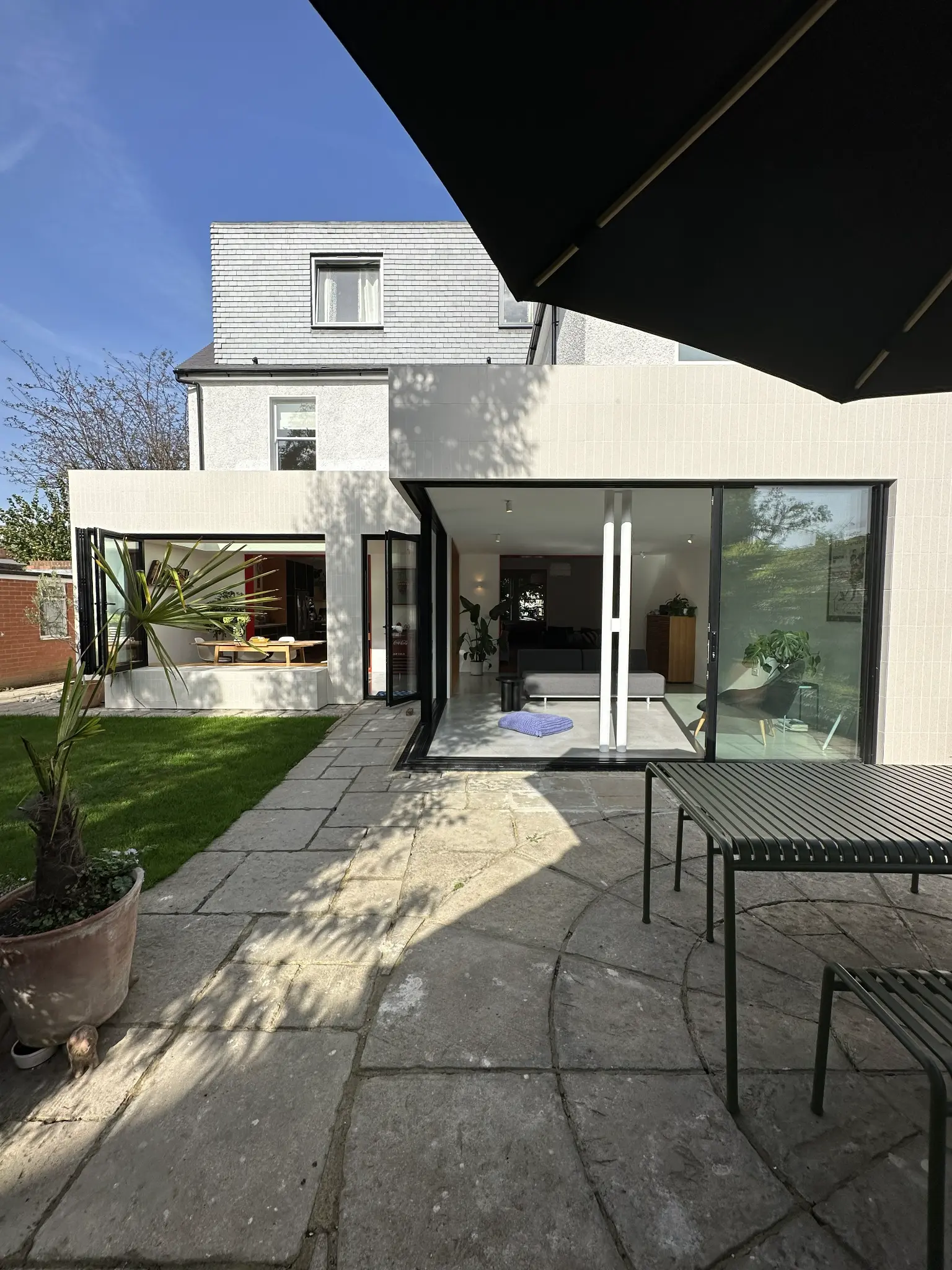
Large glass panels, bi-fold doors, or sliding doors blur the lines between your kitchen and garden, making your outdoor space feel like an integral part of your home. Ideal for entertaining and family life.
Enhanced Sense of Space
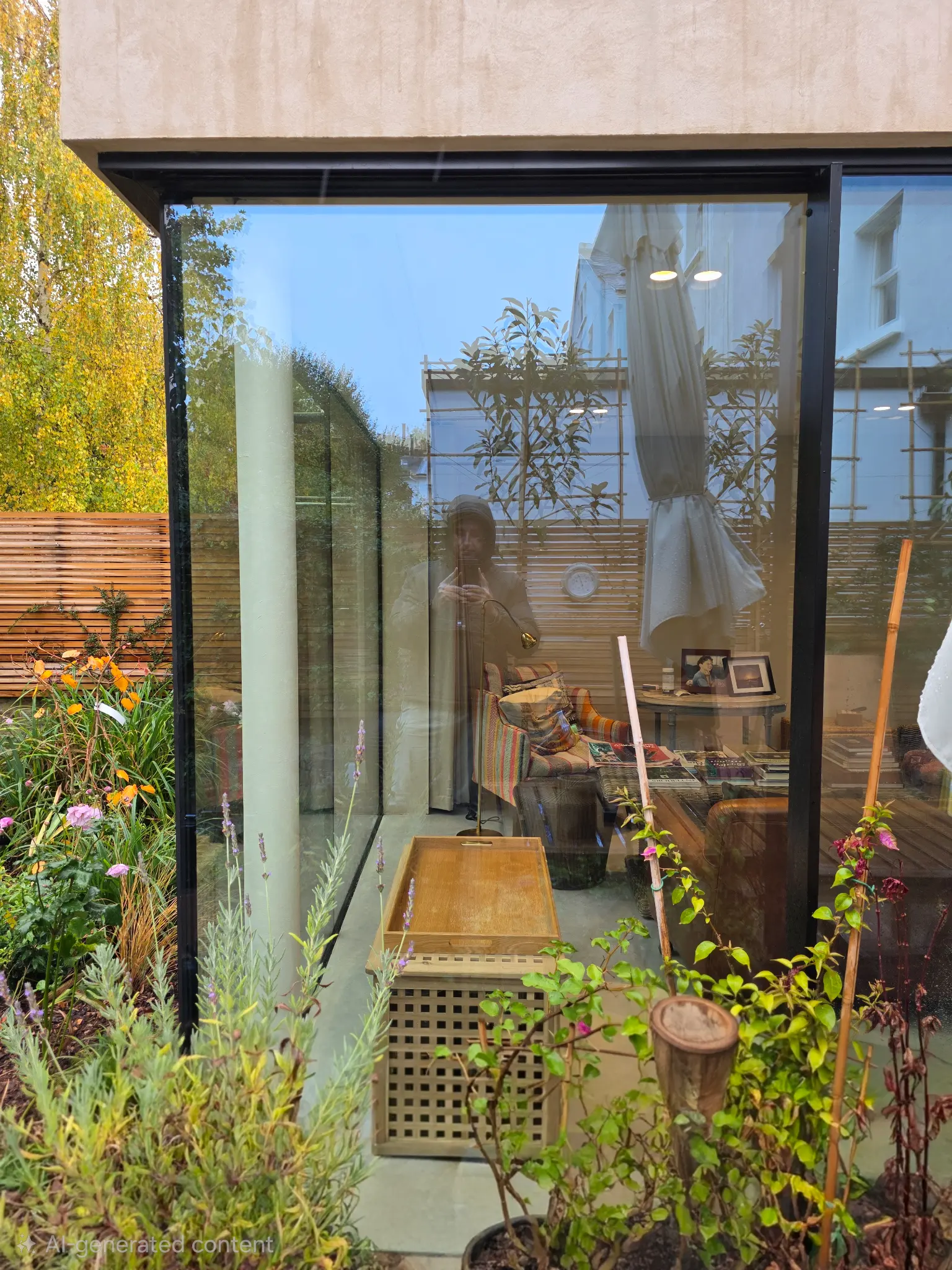
The transparency of glass makes even smaller extensions feel significantly larger and more open. It provides uninterrupted views, connecting you with your surroundings.
Increased Property Value
A well-designed and executed glass kitchen extension is a highly desirable feature for prospective buyers, potentially adding significant value to your property.

Design Considerations for Glass Extensions
While the allure of glass is strong, practical design choices are crucial to ensure your extension is both beautiful and functional year-round.
Orientation and Solar Gain
The direction your extension faces will significantly impact its thermal performance. A south-facing extension will benefit from abundant sunlight but can be prone to overheating in summer (solar gain). North-facing extensions will be cooler but may require more heating in winter. East and west-facing extensions offer a balance but can still experience strong morning or afternoon sun.
- Mitigation for Solar Gain: Consider high-performance solar control glass, external shading solutions (e.g., brise soleil, retractable awnings), or internal blinds/curtains.
- Maximising Light in Cooler Orientations: Opt for high-transparency low-emissivity (low-e) glass to allow light in while retaining heat.
Privacy and Overlooking
If your extension is close to neighbours, privacy can be a concern. Solutions include:
- Strategic placement of solid walls or frosted/obscure glass panels.
- Integrated blinds within double or triple glazing.
- Landscaping elements like mature trees or privacy screens.
Ventilation
Adequate ventilation is essential, especially in a kitchen. Ensure your design incorporates opening windows, roof vents, or large doors that can be opened to allow for cross-ventilation and to extract cooking odours and moisture.
UK Building Regulations and Technical Specifications
Any extension in the UK must comply with Building Regulations. For glass kitchen extensions, thermal performance (Part L), structural integrity (Part A), and safety glazing (Part K) are particularly important.
Thermal Performance (Part L)
This is arguably the most critical aspect for glass extensions. Building Regulations Part L (Conservation of Fuel and Power) sets stringent requirements for the thermal efficiency of new and extended buildings. The goal is to minimise heat loss in winter and prevent excessive heat gain in summer.
- U-Values: This measures how effectively a material prevents heat from passing through it. A lower U-value indicates better insulation.
- Minimum Requirements (England, 2022):
- Walls (new build & extensions): 0.18 W/m²K
- Floors: 0.18 W/m²K
- Roofs: 0.15 W/m²K
- Windows/Doors (new build): 1.2 W/m²K
- Windows/Doors (replacement): 1.4 W/m²K
For highly glazed extensions, achieving these U-values can be challenging. It often necessitates the use of high-performance double or triple glazing, thermally broken frames, and careful consideration of the overall fabric efficiency of the extension. Your Building Control body will assess the entire extension's thermal performance, often using a 'whole dwelling' calculation method, which means that if one element (like a large glass area) performs less efficiently, other elements (like solid walls or roof) may need to perform better to compensate.
Structural Integrity (Part A)
The structural design must be robust enough to support the weight of the glass, roof, and any imposed loads (e.g., snow, wind). This involves careful calculation by a structural engineer, especially for large spans of glass or frameless systems.
Safety Glazing (Part K)
Building Regulations Part K (Protection from Falling, Collision and Impact) requires that glass in critical locations (e.g., low-level glazing, doors, and adjacent panels) is impact-resistant and safe. This typically means using toughened or laminated glass to prevent serious injury in case of breakage.
Pro Tip
Always engage with your local Building Control body early in the design process. They can provide specific guidance for your project and help ensure your plans meet all regulatory requirements before construction begins. This can save significant time and money in the long run.
Glass Types and Framing Options
The choice of glass and framing is pivotal for both aesthetics and performance.
Glass Types
- Double Glazing: The standard for thermal performance, consisting of two panes of glass separated by a sealed air or gas-filled space.
- Triple Glazing: Offers superior thermal insulation with three panes of glass, ideal for maximising energy efficiency in highly glazed areas.
- Low-Emissivity (Low-E) Glass: Features a microscopic metallic coating that reflects heat, keeping interiors warmer in winter and cooler in summer.
- Solar Control Glass: Designed to reduce solar heat gain, preventing overheating in sunny extensions. Often has a slight tint or reflective quality.
- Self-Cleaning Glass: Treated with a special coating that uses sunlight to break down organic dirt and rainwater to wash it away.
- Acoustic Glass: Laminated glass designed to reduce noise transmission, ideal for homes near busy roads or airports.
Framing Materials
The frame material impacts thermal performance, durability, and appearance.
| Material | Pros | Cons | Typical U-Value (Frame) |
|---|---|---|---|
| Aluminium | Strong, slim profiles, durable, low maintenance, wide colour range, excellent for large spans. | Can be more expensive, requires thermal breaks to prevent heat loss. | 1.2 - 1.8 W/m²K (with thermal break) |
| uPVC | Cost-effective, good insulation, low maintenance, wide availability. | Thicker frames, limited colour options compared to aluminium, less suitable for very large spans. | 1.2 - 1.6 W/m²K |
| Timber | Natural aesthetic, excellent insulation, sustainable, can be painted/stained. | Higher maintenance (painting/varnishing), can be prone to warping if not properly treated, often thicker frames. | 1.0 - 1.5 W/m²K |
| Composite (Alu-Clad Timber) | Best of both: timber interior for warmth, aluminium exterior for durability and low maintenance. Excellent thermal performance. | Highest cost. | 0.8 - 1.2 W/m²K |
| Steel | Extremely strong, very slim profiles, industrial aesthetic, highly durable. | Highest cost, poor thermal performance unless thermally broken, can be heavy. | 2.0 - 3.0 W/m²K (without thermal break) |
Heating and Cooling Strategies
Managing the internal climate of a glass extension is crucial for comfort.
Heating
- Underfloor Heating: An excellent option for glass extensions as it provides even heat distribution and avoids taking up wall space that could be glass.
- Trench Heaters: Discreetly installed in the floor along the glazed perimeter, these prevent cold spots and condensation.
- High-Efficiency Radiators: If space allows, modern radiators can be effective, but placement is key.
- Air Source Heat Pumps: Can provide both heating and cooling, offering an energy-efficient solution.
Cooling and Ventilation
- Solar Control Glass: As mentioned, this is your first line of defence against overheating.
- External Shading: Awnings, pergolas, or carefully placed trees can significantly reduce solar gain.
- Cross-Ventilation: Design your extension to allow air to flow through, using opening windows, roof vents, or large sliding/bi-fold doors.
- Mechanical Ventilation with Heat Recovery (MVHR): For highly sealed, energy-efficient extensions, MVHR systems can provide fresh air without significant heat loss or gain.
Planning Permission and Professional Advice
While some extensions fall under 'Permitted Development' rights, many glass kitchen extensions will require formal planning permission, especially if they alter the appearance of the property significantly or exceed certain size limits. It is always advisable to check with your local planning authority.
Engaging professionals from the outset is highly recommended:
- Architect/Architectural Designer: To help with initial concepts, detailed drawings, and navigating planning permission.
- Structural Engineer: Essential for calculating loads and designing the structural elements, especially for large glass spans.
- Building Control Approved Inspector: To ensure your project complies with all Building Regulations.
- Specialist Glazing Contractor: For expert advice on glass types, framing systems, and installation.
A glass kitchen extension can be a truly transformative addition to your home, bringing light, space, and a contemporary feel. By carefully considering design, thermal performance, Building Regulations, and engaging the right professionals, you can create a stunning and comfortable space that you'll enjoy for years to come.
If you're considering a glass kitchen extension and need expert advice on high-performance glazing solutions, Shard AG specialises in bespoke architectural glass for UK homes. Our team can guide you through the options, ensuring your vision is realised with quality, efficiency, and compliance.
Explore Our Products
Discover how Shard Architectural Glazing can transform your home with our premium glazing solutions:
Ready to Transform Your Home?
Get in touch with our expert team for a free consultation and personalised quote. We'll help you choose the perfect glazing solution for your property.