Designing a Glass Kitchen Extension: UK Homeowner's Guide
Explore the benefits, design considerations, and regulations for creating a stunning glass kitchen extension in your UK home. Expert insights for a brighter space.

Shard Architectural Glazing
7 April 2026
Explore the benefits, design considerations, and regulations for creating a stunning glass kitchen extension in your UK home. Expert insights for a brighter space.
📋In This Article
A kitchen extension is a popular way to enhance a home, providing additional space, improved functionality, and increased natural light. When incorporating significant amounts of glass into these extensions, homeowners can transform their living areas into bright, contemporary spaces that seamlessly connect with the outdoors. This comprehensive guide will delve into the various aspects of designing and building a glass kitchen extension in the UK, covering everything from design choices and thermal performance to planning permission and Building Regulations.
Why Choose Glass for Your Kitchen Extension?
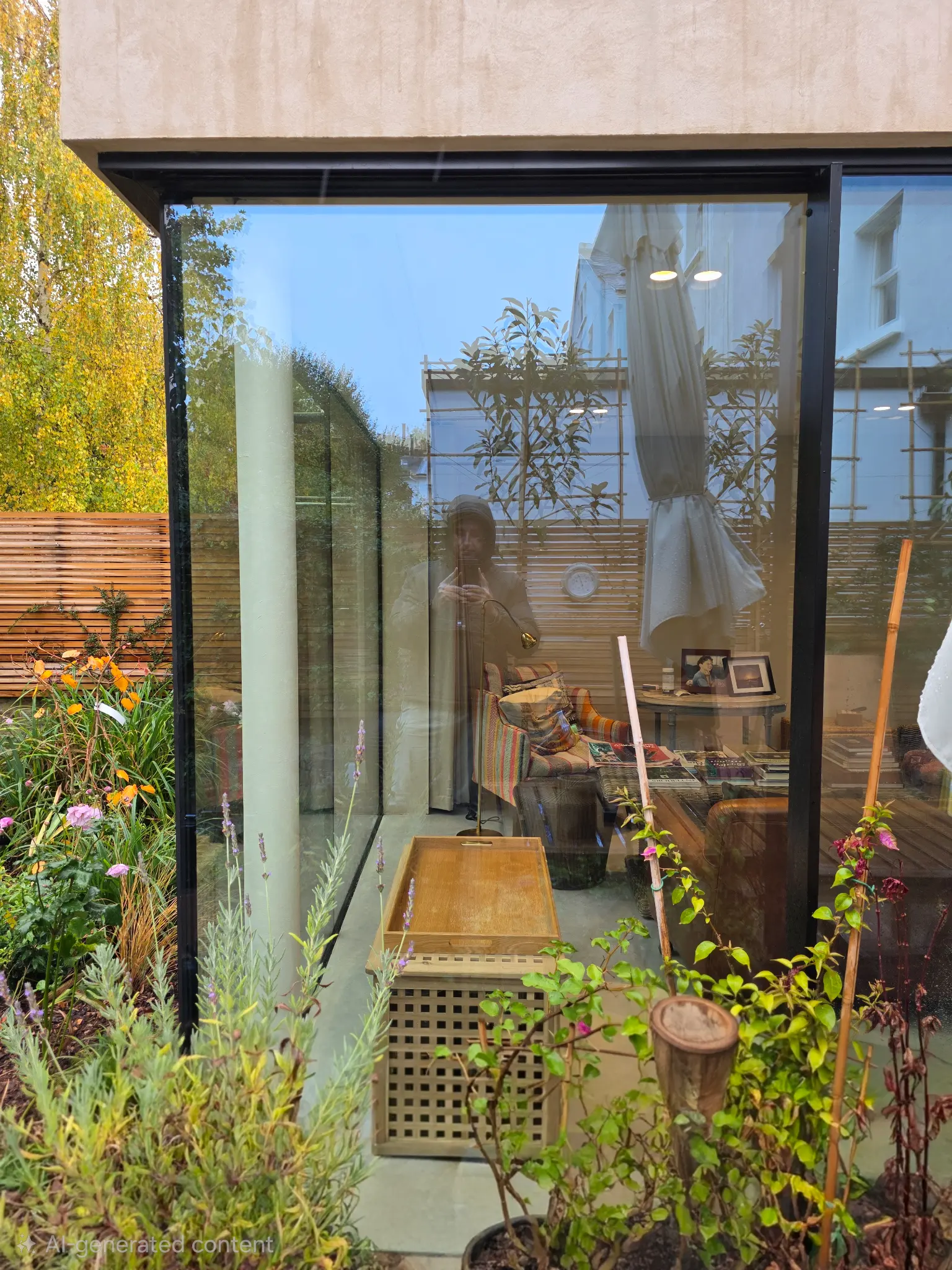
Opting for a glass-centric design in your kitchen extension offers a multitude of advantages, significantly impacting both the aesthetics and functionality of your home.
Maximised Natural Light
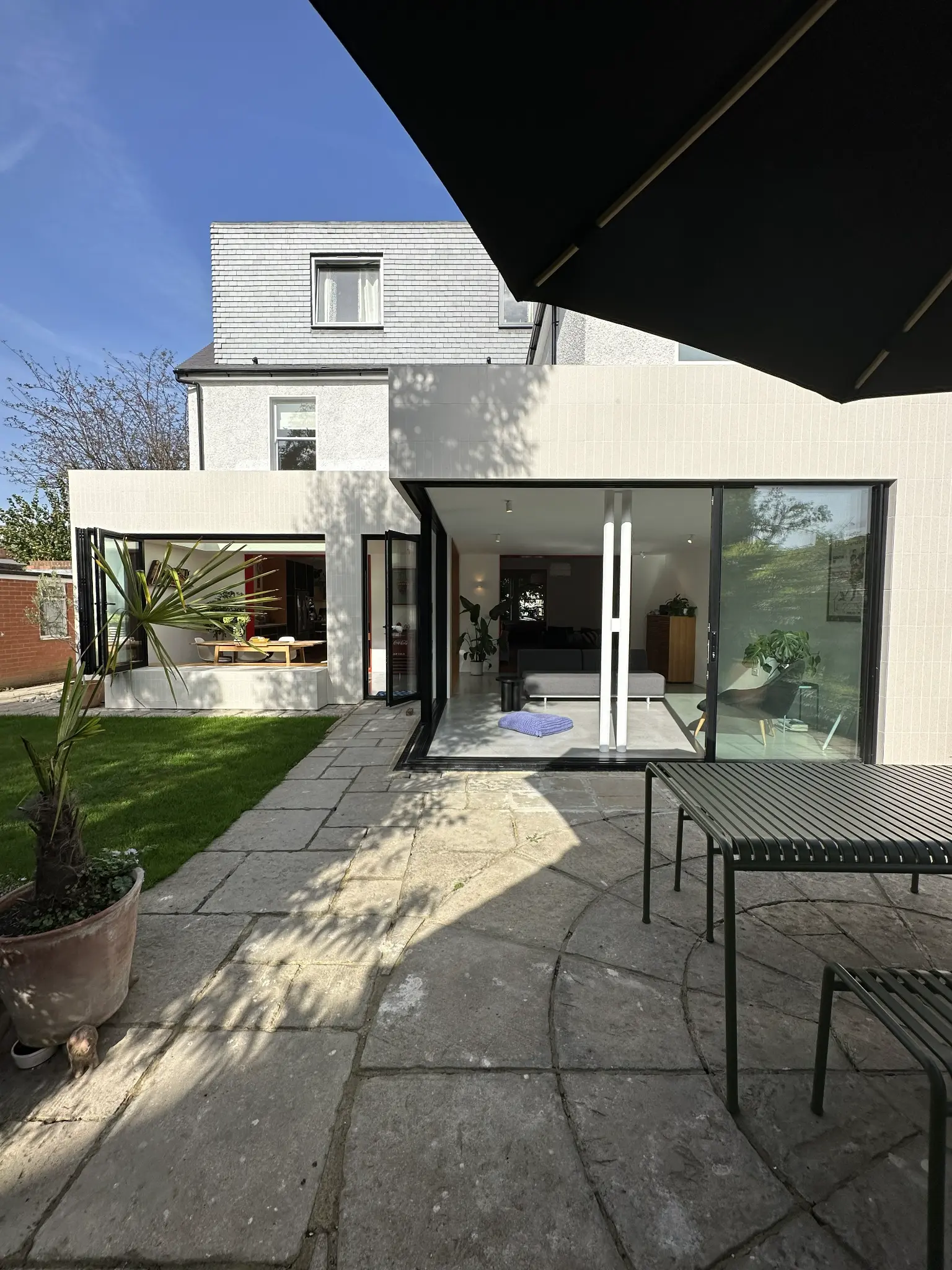
Glass extensions flood your kitchen and adjacent living areas with natural daylight, reducing reliance on artificial lighting and creating a more uplifting atmosphere. This can be particularly beneficial for north-facing properties or those with existing dark interiors.
Seamless Indoor-Outdoor Connection
Large expanses of glass, especially when combined with bifold or sliding doors, blur the lines between your kitchen and garden. This creates an expansive feel and makes entertaining or simply enjoying your outdoor space much easier.
Modern Aesthetic Appeal
Glass extensions offer a sleek, contemporary look that can dramatically update the appearance of both modern and traditional homes. They can be designed to complement existing architecture or provide a striking contrast.
Enhanced Sense of Space
The transparency of glass makes a room feel larger and more open. Even a modest extension can feel incredibly spacious when natural light and views are maximised.
Key Design Considerations for Glass Extensions
While the benefits are clear, careful planning is essential to ensure your glass kitchen extension meets your needs and performs optimally.
Types of Glazing and Framing
- Frameless Glass: For the ultimate minimalist look, frameless glass walls or roofs can create an almost invisible transition. These often rely on structural silicone or minimal discreet fixings.
- Aluminium Frames: Aluminium is a popular choice due to its strength, durability, and slim sightlines. It's also lightweight, corrosion-resistant, and available in a wide range of powder-coated colours.
- Steel Frames: Offering exceptional strength and very slender profiles, steel frames are often used for large, intricate designs or where a specific industrial aesthetic is desired. They are typically more expensive than aluminium.
- Timber Frames: For a warmer, more traditional look, timber frames can be used, though they may require more maintenance and have thicker profiles than metal options.
Glazing Options for Performance
The type of glass you choose is critical for thermal performance, solar control, and safety.
- Double Glazing: The standard for most extensions, offering good thermal insulation.
- Triple Glazing: Provides superior thermal performance, ideal for very large glazed areas or for achieving exceptionally low U-values.
- Low-Emissivity (Low-E) Coatings: These microscopic coatings reflect heat back into the room in winter and reduce heat gain from the sun in summer, significantly improving energy efficiency.
- Solar Control Glass: Designed to reduce solar heat gain, preventing overheating in summer while still allowing light in. This is crucial for south-facing extensions.
- Self-Cleaning Glass: Features a special coating that reacts with UV light to break down organic dirt, which is then washed away by rain, reducing maintenance.
- Laminated or Toughened Glass: Essential for safety, especially in overhead glazing or large panels, to prevent injury in case of breakage. Building Regulations typically mandate toughened or laminated glass for certain applications.
Ventilation and Shading
Large glass areas can lead to overheating in summer and glare. Effective planning for ventilation and shading is paramount:
- Ventilation: Incorporate opening windows, roof vents, or bifold/sliding doors to allow for natural cross-ventilation. Mechanical ventilation systems might also be considered.
- Shading: External shading solutions like brise soleil, pergolas, or retractable awnings are highly effective at blocking solar gain before it enters the building. Internal blinds, curtains, or smart glass (electrochromic glass) can also manage glare and privacy.
Pro Tip
Consider the orientation of your extension carefully. South-facing glass extensions will benefit most from solar control glass and external shading to prevent overheating, while north-facing extensions can maximise light without as much concern for solar gain.
UK Building Regulations and Planning Permission
Any significant extension to your home in the UK will likely require adherence to Building Regulations and may need planning permission.
Planning Permission
Many smaller extensions can be built under 'Permitted Development' rights, meaning you don't need to apply for full planning permission. However, there are strict limits on size, height, and proximity to boundaries. Glass extensions, especially those with significant roof glazing, might sometimes fall outside these limits or require specific consideration. It is always advisable to check with your local planning authority before starting any work.
Building Regulations (England - 2022 Standards)
Building Regulations ensure that your extension is structurally sound, safe, and energy-efficient. Key areas for glass extensions include:
- Thermal Performance (Part L - Conservation of Fuel and Power): This is crucial for glass extensions. All new elements must meet stringent U-value requirements.
| Building Element | U-value Requirement (W/m²K) | Notes |
|---|---|---|
| Walls (new build & extensions) | 0.18 | For opaque wall sections. |
| Floors | 0.18 | |
| Roofs | 0.15 | For opaque roof sections. |
| Windows/Doors (New Build) | 1.2 | Includes glazed doors and large fixed glazing. |
| Windows/Doors (Replacement) | 1.4 |
For glass extensions, the overall U-value of the glazed elements (windows, doors, and roof glazing) must meet or exceed these standards. This often necessitates high-performance double or triple glazing with low-E coatings and thermally broken frames.
- Structural Integrity (Part A - Structure): The design must ensure the extension is structurally sound and can withstand anticipated loads, including wind, snow, and the weight of the glazing itself.
- Fire Safety (Part B - Fire Safety): Considerations include means of escape, fire resistance of materials, and preventing fire spread.
- Ventilation (Part F - Ventilation): Adequate ventilation must be provided to prevent condensation and ensure good indoor air quality.
- Safety Glazing (Part K - Protection from falling, collision and impact): Specific requirements apply to glass in critical locations (e.g., low-level glazing, doors, overhead glazing) to ensure it is toughened or laminated to prevent injury.
It is highly recommended to engage with a qualified architect or structural engineer and your local Building Control body early in the design process to ensure full compliance.

Practicalities and Cost Considerations
The cost of a glass kitchen extension can vary significantly based on size, complexity, choice of materials, and glazing specification. Generally, glass extensions tend to be more expensive per square metre than traditional brick extensions due to the specialised materials and installation techniques required.
Budgeting for Your Project
- Design Fees: Architects, structural engineers, and potentially interior designers.
- Planning & Building Control Fees: Statutory fees for applications and inspections.
- Groundworks & Foundations: Essential for any extension.
- Structure & Glazing: The primary cost for a glass extension, heavily influenced by the type and performance of glass and frames.
- Fit-out: Kitchen units, appliances, flooring, lighting, heating, and decoration.
- Services: Plumbing, electrical work, and drainage.
- Contingency: Always budget an additional 10-15% for unforeseen issues.
Heating and Cooling
While modern glazing is highly energy-efficient, a large glass area will still interact with external temperatures more than an opaque wall. Consider underfloor heating for even heat distribution, and potentially air conditioning or efficient ceiling fans for cooling in summer. The overall thermal strategy should be integrated into the design from the outset.
Maintenance
Glass extensions generally require less external maintenance than painted timber structures, but regular cleaning of the glass will be necessary to maintain its pristine appearance. Self-cleaning glass can reduce this burden, especially for hard-to-reach areas.
Choosing the Right Professionals
The success of your glass kitchen extension hinges on selecting experienced and reputable professionals.
- Architect: Essential for design, planning applications, and coordinating the project. Look for architects with experience in contemporary extensions and glazed structures.
- Structural Engineer: Crucial for ensuring the structural integrity of the design, especially with large glass elements.
- Specialist Glazing Contractor: Work with a company that has a proven track record in designing, fabricating, and installing high-performance architectural glazing. They can advise on the best glass specifications and framing systems.
- Main Contractor: A reputable builder with experience in extensions will oversee the entire construction process.
Always seek multiple quotes, check references, and view previous projects before committing to any contractor or professional.
Conclusion
A glass kitchen extension can be a truly transformative addition to your UK home, bringing light, space, and a contemporary aesthetic. By carefully considering design options, understanding the implications of Building Regulations, and working with experienced professionals, you can create a stunning and energy-efficient space that enhances your lifestyle for years to come. While the initial investment may be higher than a traditional extension, the benefits in terms of natural light, connection to the outdoors, and property value can be substantial.
Shard AG specialises in high-performance architectural glazing solutions for bespoke home extensions across the UK. Our expertise in designing, manufacturing, and installing cutting-edge glass structures ensures your project meets the highest standards of aesthetics, thermal efficiency, and structural integrity. Contact us today to discuss how we can help bring your vision for a glass kitchen extension to life.
Explore Our Products
Discover how Shard Architectural Glazing can transform your home with our premium glazing solutions:
Ready to Transform Your Home?
Get in touch with our expert team for a free consultation and personalised quote. We'll help you choose the perfect glazing solution for your property.