Designing a Glass Kitchen Extension: UK Homeowner's Guide
Explore the benefits, design considerations, and regulatory requirements for creating a stunning glass kitchen extension in your UK home. Get expert insights.

Shard Architectural Glazing
10 April 2026
Explore the benefits, design considerations, and regulatory requirements for creating a stunning glass kitchen extension in your UK home. Get expert insights.
📋In This Article
A kitchen is often considered the heart of the home, and for many UK homeowners, extending this vital space to incorporate natural light and a seamless connection with the outdoors is a dream. Glass kitchen extensions, with their ability to flood interiors with light and offer expansive views, have become an increasingly popular choice. However, transforming this vision into reality requires careful planning, an understanding of design principles, and adherence to UK Building Regulations.
This comprehensive guide will walk you through the essential aspects of planning and executing a successful glass kitchen extension, providing you with the knowledge to make informed decisions for your home.
Benefits of Glass Kitchen Extensions
Opting for a glass kitchen extension offers a multitude of advantages that can significantly enhance your living space and lifestyle.
Maximised Natural Light
Glass extensions are unparalleled in their ability to draw natural light deep into your home. This reduces the need for artificial lighting during the day, creating a brighter, more inviting atmosphere and potentially lowering energy bills.
Enhanced Connection to Outdoors
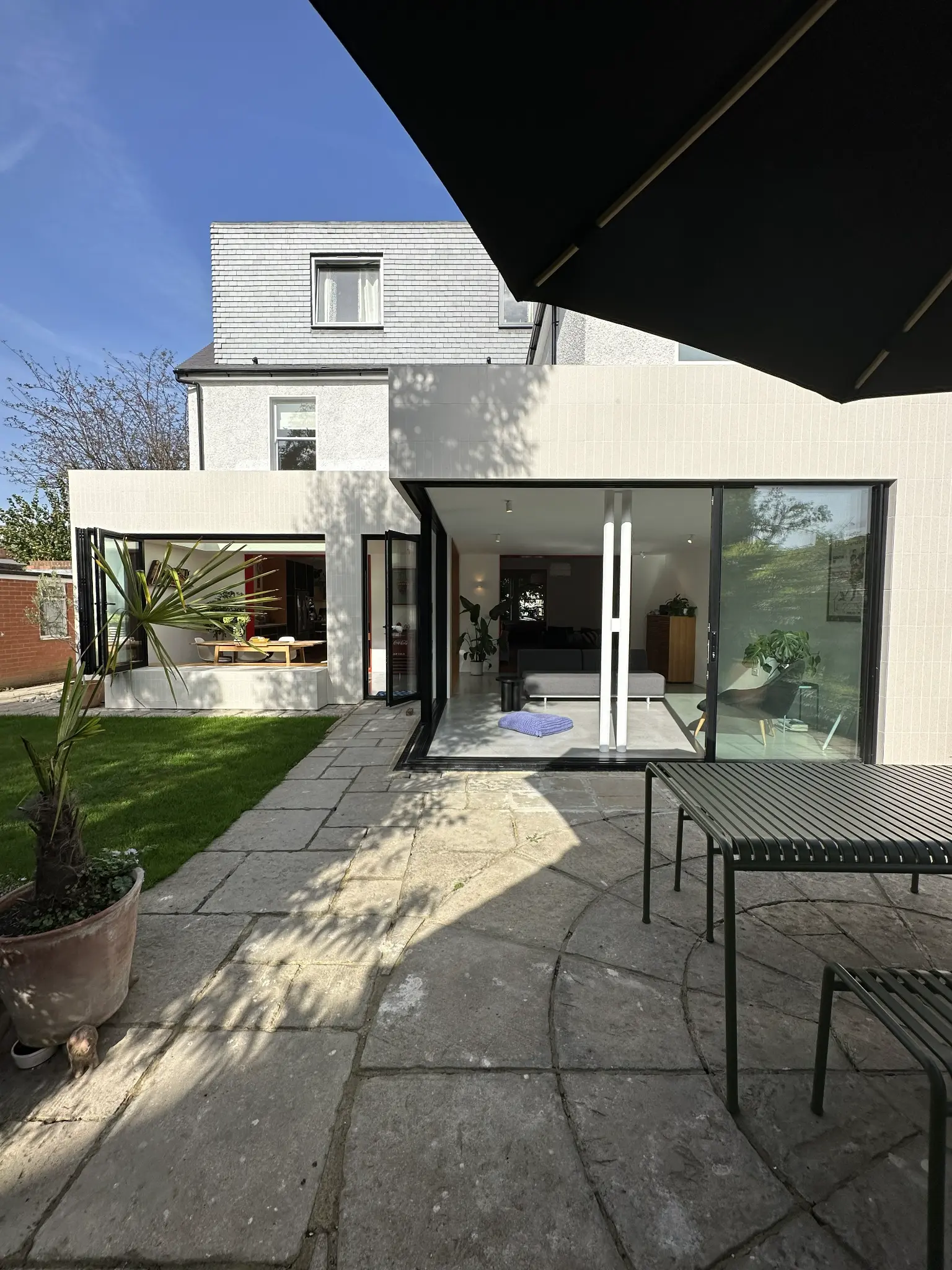
Large expanses of glass, particularly bifold or sliding doors, blur the lines between your kitchen and garden. This creates a fluid indoor-outdoor living space, perfect for entertaining or simply enjoying your surroundings.
Modern Aesthetic & Value
A glass extension adds a contemporary, sophisticated aesthetic to any property. Such an addition can significantly increase your home's market value, appealing to future buyers looking for modern, light-filled spaces.
Perceived Space & Openness
Even a modest extension can feel much larger when constructed with glass. The transparency and lack of solid walls create an illusion of greater space and an open, airy feel, transforming cramped areas into expansive living zones.
Design Considerations and Styles
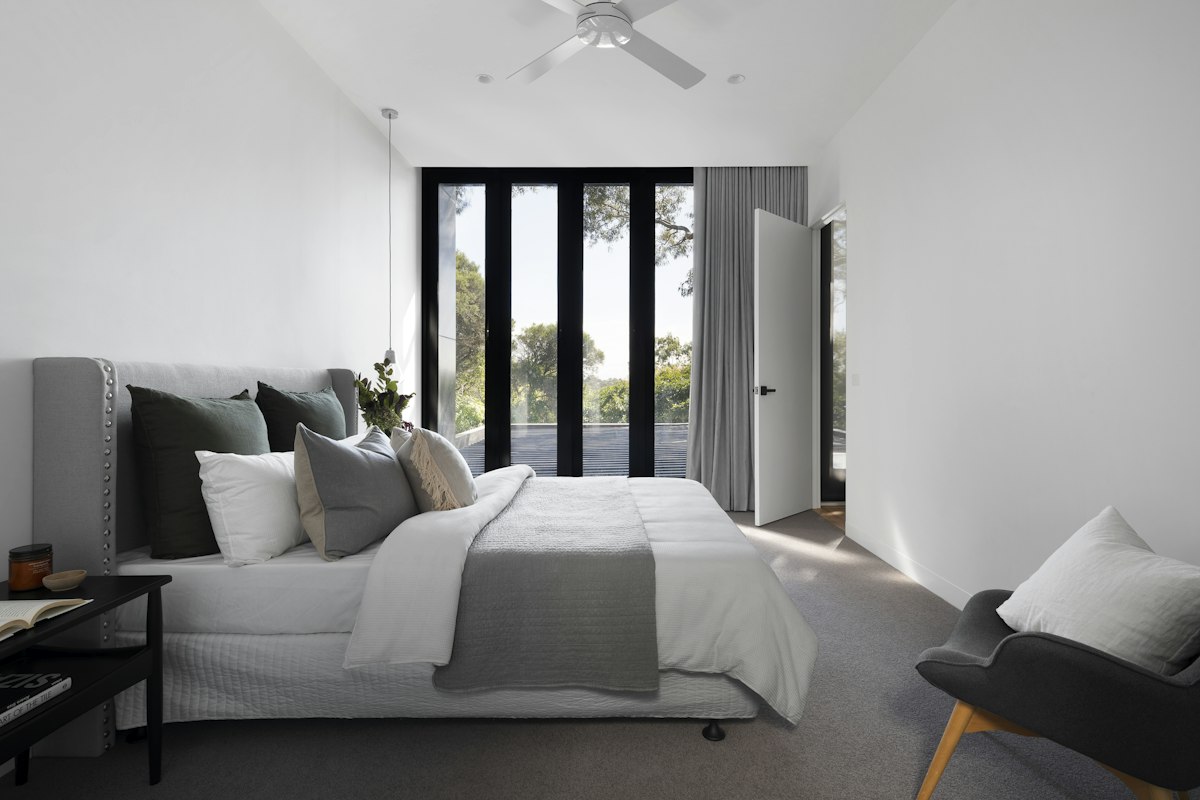
The beauty of glass extensions lies in their versatility. They can be tailored to complement various architectural styles, from period properties to contemporary new builds. Key design elements include the type of glazing, frame materials, and overall structure.
Types of Glass Extensions
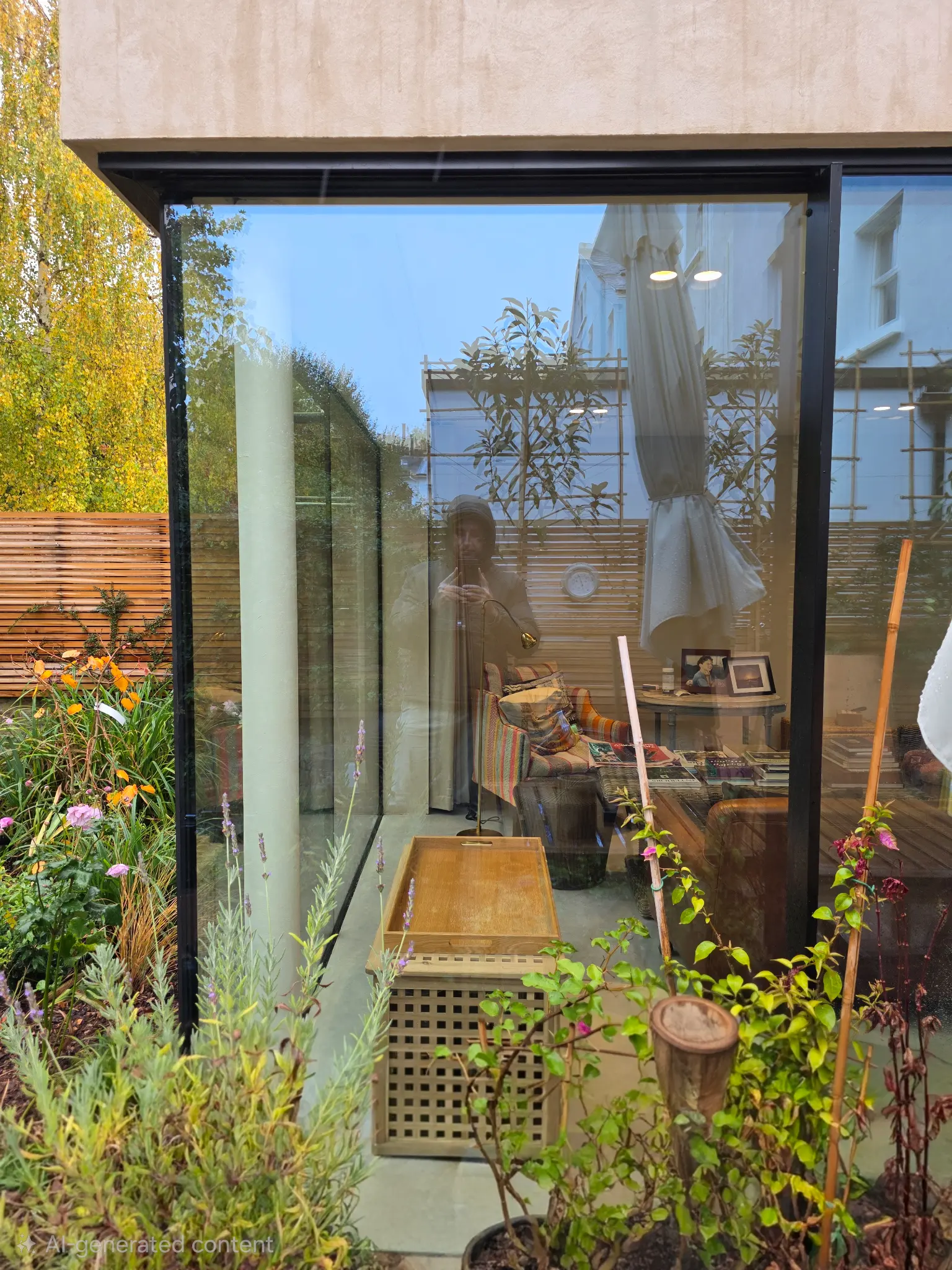
- Frameless Glass Extensions: These offer the most minimalist aesthetic, often featuring structural glass fins or silicone joints for support, providing an almost uninterrupted view. They are highly contemporary and maximise light.
- Glazed Box Extensions: A popular choice, these are typically cubic or rectangular structures with large fixed glass panels, often combined with bifold or sliding doors. They can be cantilevered or supported by slim frames.
- Orangery Style: While traditional orangeries feature more solid brickwork, modern interpretations often incorporate large glazed sections, particularly in the roof, offering a blend of solid structure and extensive glass.
- Glass Roofs and Skylights: Integrating a fully glazed roof or large skylights (such as flat rooflights or pyramid lanterns) into a more conventional extension can achieve a similar light-flooding effect without a fully glass structure.
Frame Materials
The choice of frame material is crucial for both aesthetics and performance:
- Aluminium: Highly popular for glass extensions due to its strength, allowing for very slim sightlines and large panes of glass. It's durable, low maintenance, and available in a wide range of colours (often powder-coated). Aluminium frames offer excellent thermal performance when properly designed with thermal breaks.
- Timber (Hardwood/Engineered Wood): Offers a natural, warm aesthetic. Timber frames can be robust but require more maintenance than aluminium. Engineered timber offers greater stability and durability.
- Composite (Alu-clad Timber): Combines the best of both worlds – timber internally for warmth and aesthetics, and aluminium externally for durability and low maintenance.
- Steel: Used for its exceptional strength and ability to create very slender frames, often seen in more industrial or heritage-style designs. Can be more expensive and requires careful thermal consideration.
Pro Tip
Consider the orientation of your extension. South-facing glass can lead to overheating in summer, while north-facing may feel cooler. Strategic shading (e.g., overhangs, integrated blinds, solar control glass) is vital for comfort and energy efficiency, regardless of orientation.
Glazing Specifications and Thermal Performance
The performance of your glass extension hinges significantly on the quality and specification of the glazing. This is particularly critical in the UK climate to ensure comfort and compliance with Building Regulations.
Key Glazing Technologies:
- Double Glazing: The minimum standard, typically comprising two panes of glass separated by a sealed cavity filled with an inert gas like Argon.
- Triple Glazing: Features three panes of glass and two gas-filled cavities, offering superior thermal insulation and acoustic performance. While more expensive and heavier, it can be beneficial for very large glass areas or exposed locations.
- Low-Emissivity (Low-E) Coatings: A microscopically thin, transparent coating applied to one surface of the glass that reflects heat back into the room, significantly improving thermal efficiency. This is a standard feature for modern glazing.
- Warm Edge Spacers: Non-metallic or composite spacers used between glass panes to reduce heat transfer at the edges, where most heat loss occurs.
- Solar Control Glass: Designed to reduce solar heat gain, preventing overheating in sunny extensions. It can be tinted or have a special coating.
- Self-Cleaning Glass: Features a coating that uses UV light and rain to break down and wash away organic dirt, reducing maintenance.
U-Values and Building Regulations (UK Part L 2022, England)
The U-value measures how effectively a material insulates; a lower U-value indicates better thermal performance. For glass extensions, meeting current UK Building Regulations Part L (Conservation of Fuel and Power) is mandatory.
Here are the key U-value requirements for new build and replacement elements in England (2022 standards):
| Building Element | New Build & Extensions (W/m²K) | Replacement (W/m²K) |
|---|---|---|
| Walls | 0.18 | N/A (typically 0.28 for existing) |
| Floors | 0.18 | N/A (typically 0.18 for existing) |
| Roofs | 0.15 | N/A (typically 0.16 for existing) |
| Windows & Doors | 1.2 | 1.4 |
| Glazed Roofs/Skylights | 1.2 | 1.6 |
For a glass extension, the overall thermal performance of the entire structure (including walls, floor, roof, and glazing) must comply. Your glazing supplier and architect will ensure the specified glass and frames meet or exceed these requirements.
Planning Permission and Building Regulations
Understanding the regulatory landscape is crucial before embarking on your project.
Planning Permission
Many extensions can be built under Permitted Development Rights, meaning you won't need full planning permission. However, there are strict limits and conditions, including:
- Size: Single-storey rear extensions generally cannot extend beyond the rear wall of the original house by more than 4 metres for a detached house, or 3 metres for a semi-detached or terraced house. Larger extensions (up to 8m/6m respectively) may be allowed under a Neighbour Consultation Scheme.
- Height: Maximum height of 4 metres.
- Materials: Materials should be similar in appearance to the existing house.
- Proximity to boundaries: Restrictions apply to extensions within 2 metres of a boundary.
- Designated areas: Stricter rules apply in Conservation Areas, National Parks, and Areas of Outstanding Natural Beauty.
If your proposed extension exceeds these limits or falls within a designated area, you will likely need to apply for full planning permission. It is always advisable to check with your local planning authority or a qualified architect.
Building Regulations
Regardless of whether you need planning permission, all extensions must comply with Building Regulations. These cover aspects like structural integrity, fire safety, drainage, ventilation, and crucially for glass extensions, thermal performance (Part L).
- Structural Stability: Ensuring the extension is safely built and can withstand loads (e.g., wind, snow).
- Foundations: Must be adequate for the structure.
- Thermal Performance (Part L): As discussed, the U-values of all elements (glass, frames, walls, floor, roof) must meet current standards.
- Ventilation (Part F): Adequate ventilation must be provided to prevent condensation and ensure good air quality.
- Fire Safety (Part B): Ensuring safe escape routes and appropriate materials.
- Drainage (Part H): Proper disposal of rainwater and wastewater.
Your chosen architect or builder will typically handle the Building Control application and ensure compliance. It is recommended to engage a professional for this to avoid potential issues down the line. Non-compliance could affect future sale of the property.
Practical Considerations and Maintenance
Beyond the initial build, there are practical aspects to consider for the long-term enjoyment and upkeep of your glass kitchen extension.
Heating and Cooling
- Heating: While modern glazing is thermally efficient, large glass areas can still impact heat retention. Underfloor heating is an excellent solution for glass extensions, providing even heat distribution without occupying wall space. Alternatively, discreet trench heaters can be installed.
- Cooling: Solar gain can be an issue, especially for south or west-facing extensions. Solar control glass, external shading (e.g., brise soleil, awnings), or internal blinds (integrated into the glazing or external) are essential for managing temperature in summer. Good ventilation is also key.
Privacy
Depending on your property's orientation and proximity to neighbours, privacy can be a concern. Solutions include:
- Integrated Blinds: Blinds fitted within the sealed unit of double or triple glazing offer excellent privacy and solar control without collecting dust.
- External Blinds/Awnings: Can be automated and offer effective solar shading and privacy.
- Smart Glass: Electrically switchable glass that can turn from transparent to opaque at the flick of a switch, though this is a premium option.
- Strategic Landscaping: Trees or tall shrubs can offer natural screening.
Cleaning and Maintenance
Large expanses of glass will require cleaning. Consider accessibility for cleaning, especially for roof glazing. Self-cleaning glass can reduce the frequency of cleaning, but professional window cleaners may still be required for optimal results.
Choosing the Right Professionals
A successful glass kitchen extension relies heavily on the expertise of the professionals you engage.
- Architect/Designer: Essential for conceptualising the design, producing detailed drawings, securing planning permission (if needed), and managing Building Control applications. They ensure the design is aesthetically pleasing, functional, and compliant.
- Structural Engineer: Critical for designing the structural elements, especially for large spans of glass or cantilevered sections, ensuring safety and stability.
- Specialist Glazing Contractor: Not all builders are experts in structural glazing. Choose a contractor with proven experience in designing, fabricating, and installing high-performance glass extensions. Look for accreditations and client testimonials.
- Main Contractor/Builder: To manage the overall construction, groundworks, internal fit-out, and coordination of trades.
Always obtain multiple quotes, check references, and review portfolios of previous work. Ensure all professionals are properly insured and accredited.
Conclusion
A glass kitchen extension can be a transformative addition to your UK home, offering unparalleled light, space, and a connection to your garden. By carefully considering design, glazing specifications, regulatory requirements, and engaging the right team of professionals, you can create a stunning and highly functional space that enhances your lifestyle for years to come.
When you're ready to explore the possibilities for your home, partnering with a specialist in architectural glazing is key. Shard AG offers expert design, fabrication, and installation of bespoke glass extensions, utilising high-performance glazing and precision engineering to deliver exceptional results that meet the highest UK standards. Our team can guide you through every step, from initial concept to a beautifully finished, light-filled kitchen extension.
Explore Our Products
Discover how Shard Architectural Glazing can transform your home with our premium glazing solutions:
Ready to Transform Your Home?
Get in touch with our expert team for a free consultation and personalised quote. We'll help you choose the perfect glazing solution for your property.