

Embracing Modern Architectural Trends for UK Homes
Explore contemporary architectural trends transforming UK homes. Learn about open-plan living, biophilic design, smart technology, and sustainable materials.

Shard Architectural Glazing
23 March 2026
Explore contemporary architectural trends transforming UK homes. Learn about open-plan living, biophilic design, smart technology, and sustainable materials.
📋In This Article
Modern architectural trends are continually evolving, shaping the way we design, build, and interact with our homes. For UK homeowners considering a new build, extension, or significant renovation, understanding these trends is crucial. Beyond aesthetics, modern architecture often integrates advanced functionality, sustainability, and a deep connection to the surrounding environment. This guide will delve into some of the most prominent contemporary architectural trends, offering insights into their benefits, practical considerations, and how they align with current UK Building Regulations.
Open-Plan Living and Flexible Spaces
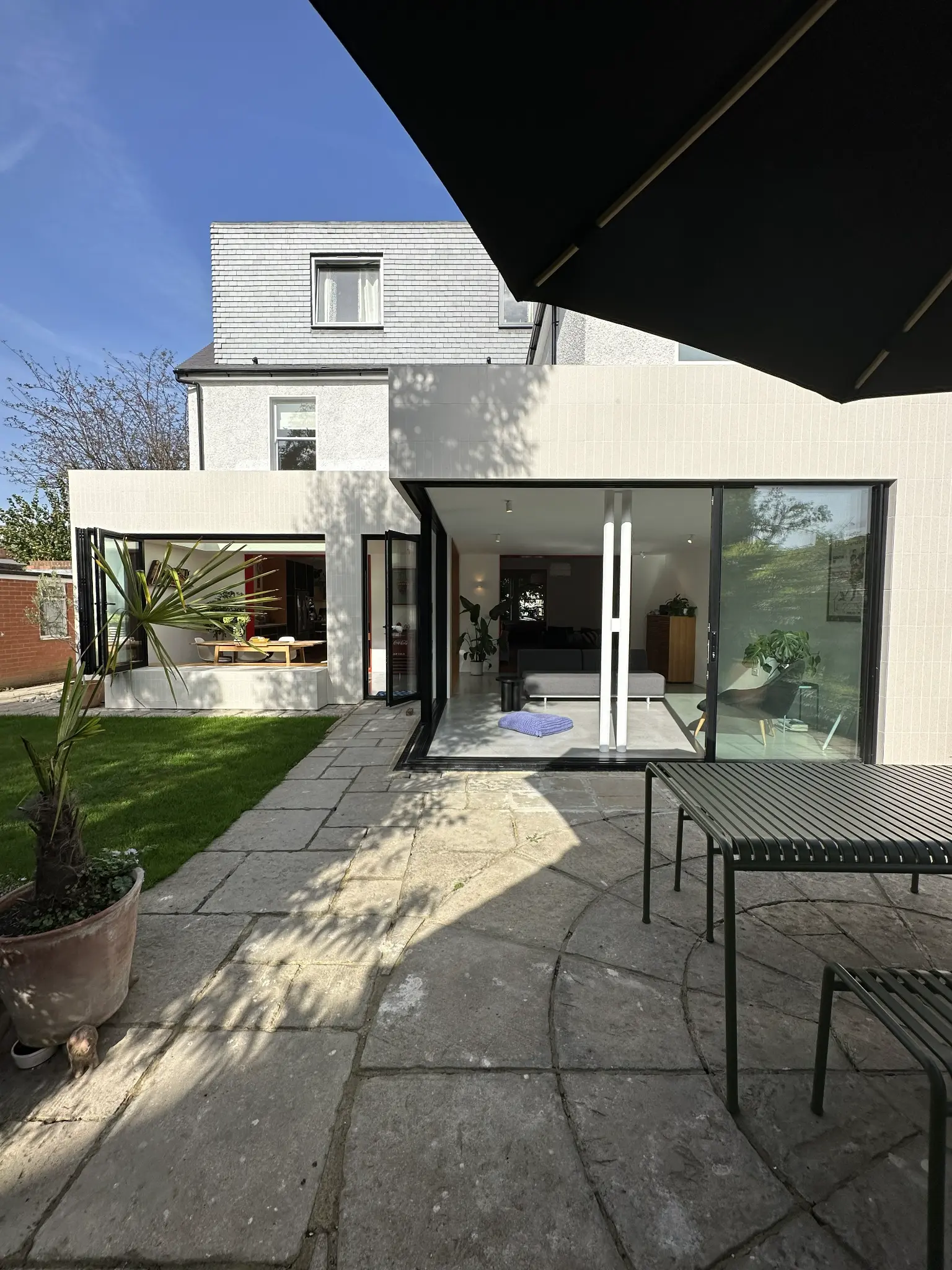
The concept of open-plan living remains a cornerstone of modern architectural design. It involves creating large, interconnected spaces, typically combining the kitchen, dining, and living areas into one fluid environment. This design fosters a sense of spaciousness, enhances natural light distribution, and promotes social interaction.
Benefits:
- Enhanced Light and Space: Fewer internal walls mean natural light can penetrate deeper into the property, making spaces feel larger and brighter.
- Improved Social Interaction: Ideal for families and entertaining, as cooking, dining, and relaxing can occur within the same shared space.
- Adaptability: Open layouts can be more easily reconfigured with furniture or temporary partitions to suit changing needs over time.
Considerations:
- Structural Implications: Removing load-bearing walls requires careful structural assessment by a qualified engineer and adherence to Building Regulations. Steel beams or other supports may be necessary.
- Noise and Odour Transfer: Without physical barriers, noise from the kitchen or television can travel freely, and cooking odours may permeate the entire space. Effective ventilation systems are paramount.
- Heating Efficiency: Large open spaces can be more challenging to heat efficiently. Zoned heating systems and high-performance insulation are often recommended to comply with Part L of the Building Regulations.
Pro Tip
When planning an open-plan layout, consider incorporating 'broken-plan' elements. This involves using partial walls, changes in floor level, or large sliding/folding doors to define zones without fully enclosing them. This offers the benefits of open-plan living while providing some acoustic and visual separation.
Biophilic Design and Natural Integration
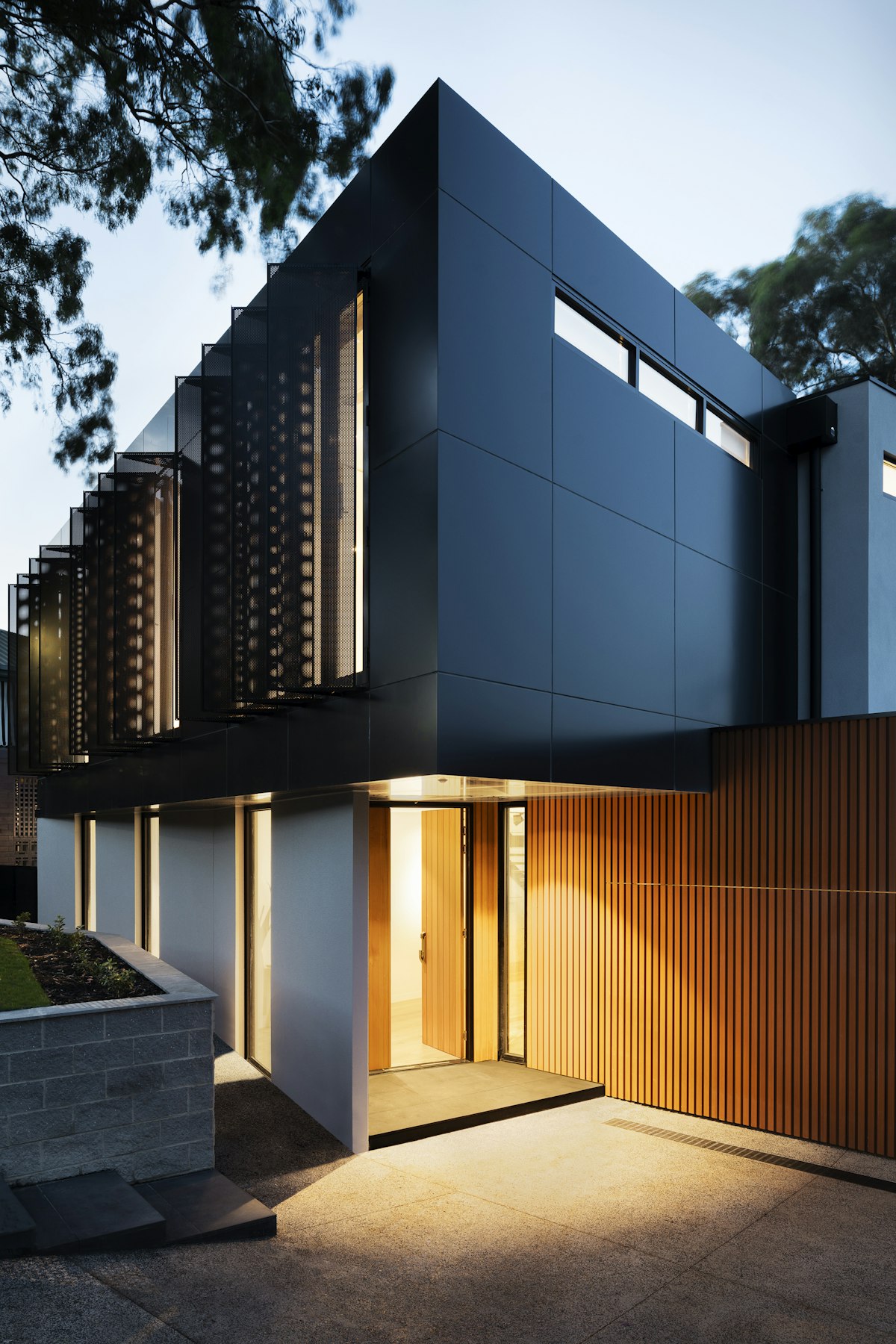
Biophilic design is a concept that seeks to connect building occupants more closely to nature. In modern architecture, this translates into designs that incorporate natural light, ventilation, materials, and views of greenery, aiming to improve well-being, productivity, and health.
Key Elements:
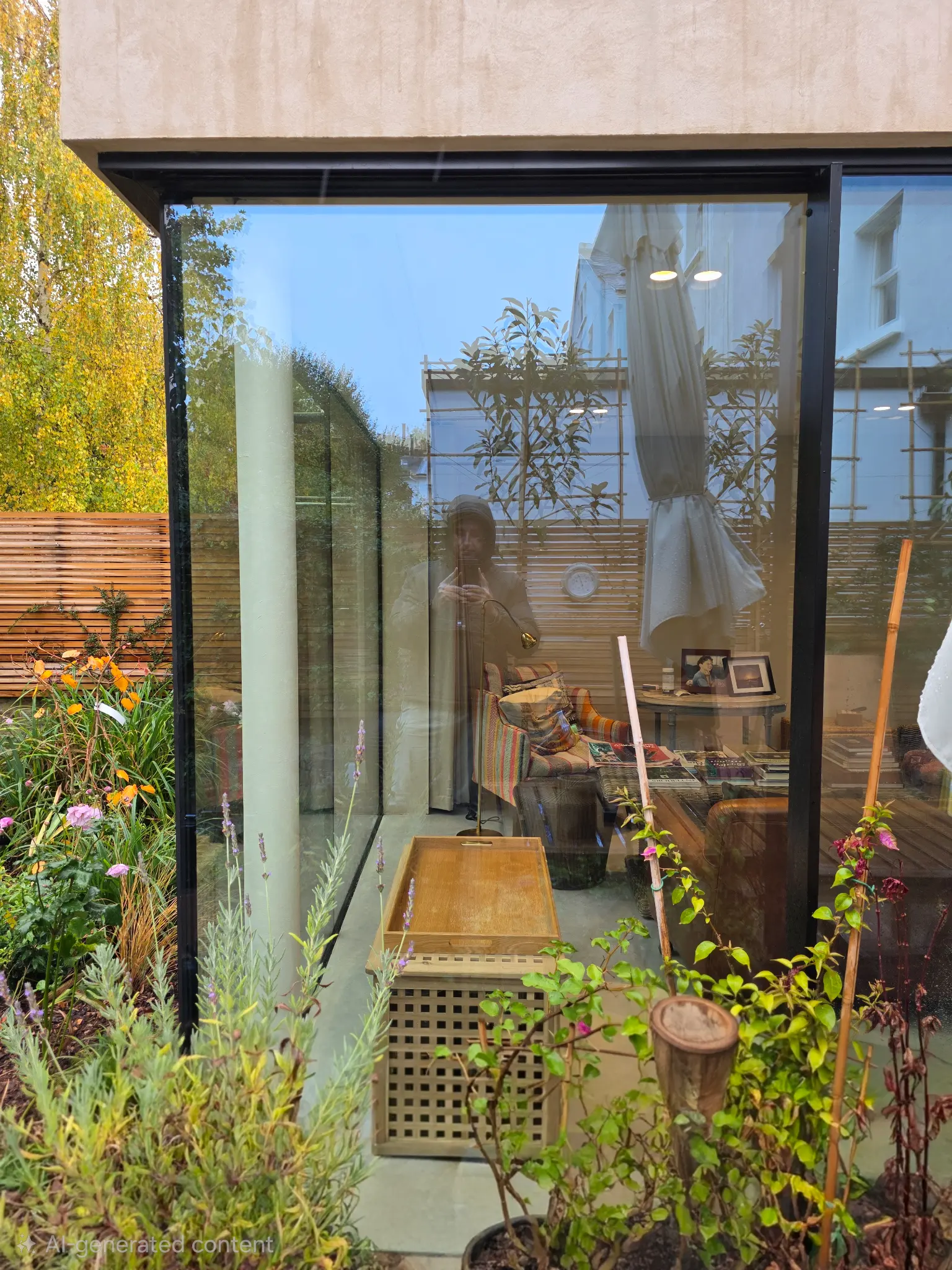
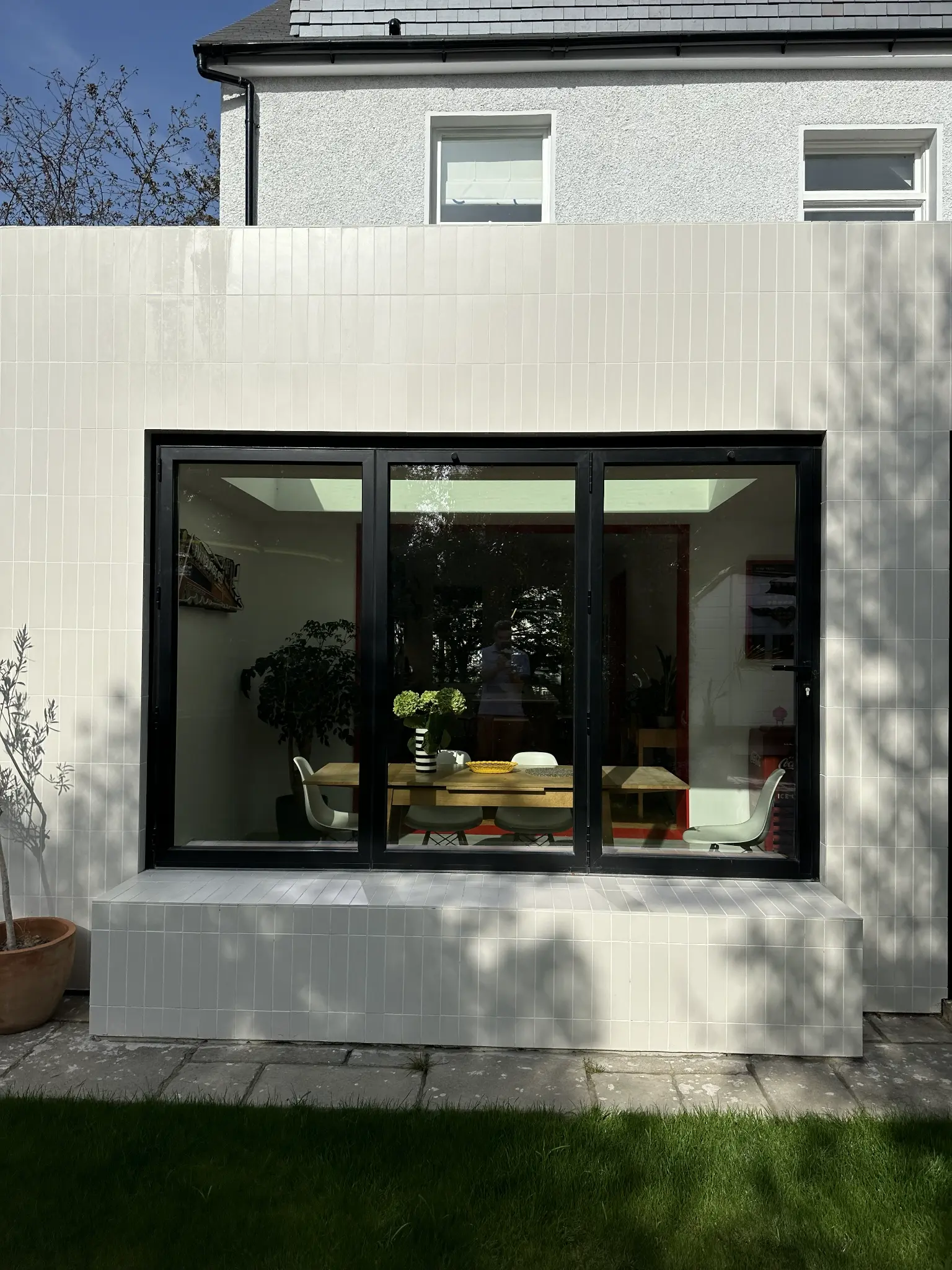
- Large Glazing Areas: Extensive use of windows, sliding doors, and rooflights to maximise natural light and offer expansive views of gardens or landscapes. This requires careful consideration of U-values to meet Part L (e.g., 1.2 W/m²K for new build, 1.4 W/m²K for replacement windows).
- Natural Materials: Incorporating timber, stone, and other natural finishes internally and externally.
- Indoor Plants and Green Walls: Bringing living greenery into the interior space.
- Natural Ventilation: Designing for cross-ventilation to reduce reliance on mechanical cooling and improve indoor air quality.
Building Regulations & Performance:
While biophilic design focuses on aesthetics and well-being, its implementation must align with UK Building Regulations, particularly concerning thermal performance and ventilation:
- Thermal Performance (Part L): Large glazed areas, while desirable for light, can lead to heat loss if not specified correctly. Modern glazing solutions, such as triple glazing or high-performance double glazing with low-emissivity coatings and argon gas fills, are essential to meet the stringent U-value requirements (e.g., 1.2 W/m²K for new build windows/doors).
- Ventilation (Part F): Natural ventilation strategies must ensure adequate air changes without compromising thermal comfort or allowing excessive heat loss. Mechanical ventilation with heat recovery (MVHR) systems are often integrated into highly insulated, airtight biophilic designs to provide fresh air efficiently.
- Overheating (Part O): With extensive glazing, especially south-facing, there's a risk of overheating. Strategies like external shading (brise soleil, overhangs), internal blinds, and careful window placement are crucial to mitigate this, as required by Part O for new dwellings.
Sustainable Materials and Energy Efficiency
Sustainability is no longer a niche concern but a fundamental principle of modern architectural design. This trend focuses on reducing the environmental impact of buildings throughout their lifecycle, from construction to operation and eventual deconstruction.
Key Aspects:
- High-Performance Insulation: Exceeding minimum Building Regulation standards for walls (0.18 W/m²K), floors (0.18 W/m²K), and roofs (0.15 W/m²K) is common. Materials like sheep's wool, wood fibre, or recycled materials are increasingly popular.
- Renewable Energy Systems: Integration of solar photovoltaic (PV) panels, solar thermal systems, air source heat pumps (ASHPs), or ground source heat pumps (GSHPs) to reduce reliance on fossil fuels.
- Rainwater Harvesting and Greywater Recycling: Systems to collect and reuse water for non-potable uses like toilet flushing or garden irrigation.
- Locally Sourced and Recycled Materials: Minimising the carbon footprint associated with transportation and supporting circular economy principles.
- Airtightness: Crucial for energy efficiency, reducing uncontrolled air leakage. This is measured by an air permeability test, with targets often around 3-5 m³/(h.m²) at 50 Pa for new builds.
UK Building Regulations Part L (Conservation of Fuel and Power):
Part L of the Building Regulations (2022 edition for England) sets stringent targets for energy performance. Modern sustainable designs often aim to significantly outperform these minimum requirements, sometimes achieving Passivhaus or similar low-energy standards. Compliance involves detailed calculations (e.g., SAP for dwellings) and careful specification of building fabric and services.
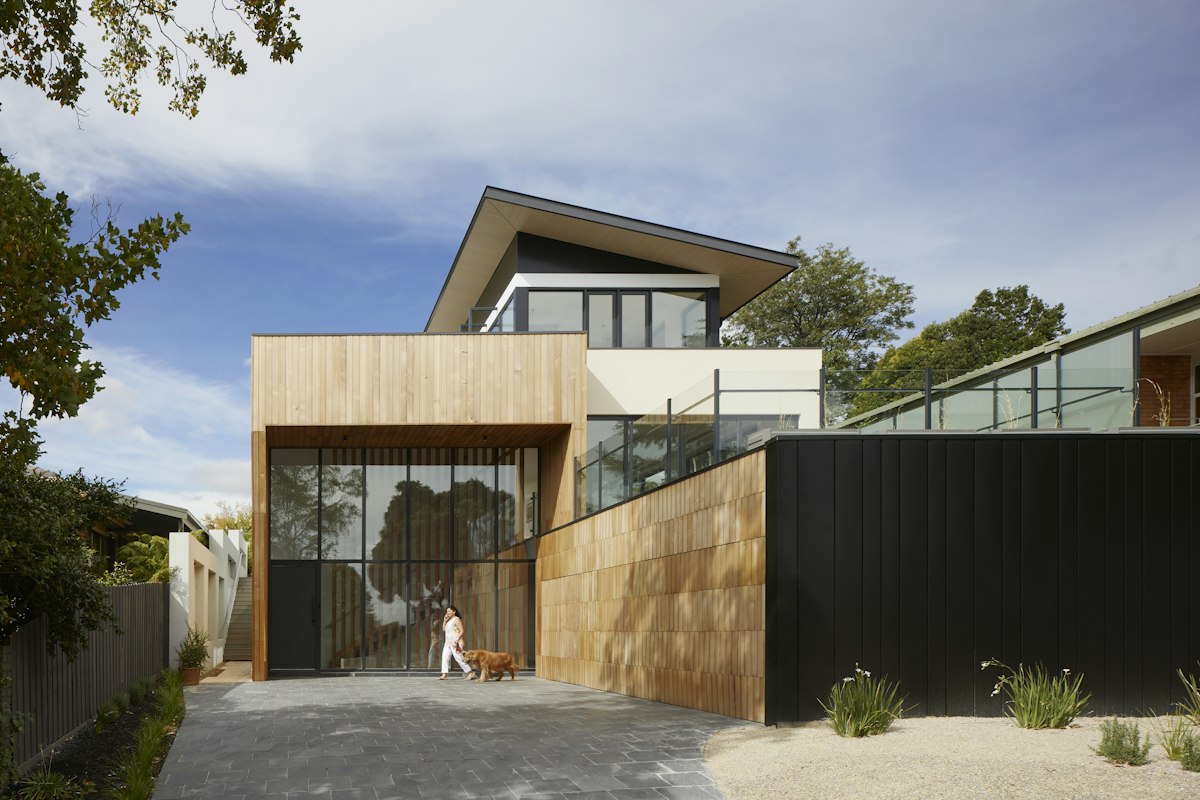
Smart Home Technology and Automation
The integration of smart home technology is transforming how we live in and interact with our properties. From lighting and heating to security and entertainment, automation offers convenience, energy savings, and enhanced comfort.
Applications in Modern Architecture:
- Integrated Lighting Systems: Dimmable, colour-changing, and motion-activated lighting controllable via apps or voice commands.
- Automated Heating and Cooling: Smart thermostats that learn preferences, respond to occupancy, and integrate with weather forecasts to optimise energy use.
- Motorised Blinds and Curtains: Automatically adjust to control light, privacy, and solar gain, contributing to thermal comfort.
- Security Systems: Smart doorbells, CCTV, and alarm systems with remote monitoring capabilities.
- Ventilation Control: Smart systems that monitor indoor air quality and activate ventilation as needed.
Considerations:
- Infrastructure: Requires robust Wi-Fi and often dedicated wiring for reliable performance. Planning for future upgrades is important.
- Cybersecurity: Ensuring the security of connected devices to protect privacy and prevent unauthorised access.
- Cost vs. Benefit: Initial investment can be significant, so homeowners should prioritise features that offer the most value and energy savings.
- User-Friendliness: Systems should be intuitive and easy for all household members to use.
Materiality and Minimalist Aesthetics
Modern architecture often embraces a minimalist aesthetic, characterised by clean lines, uncluttered spaces, and a focus on the inherent beauty of materials. This approach prioritises functionality and simplicity, avoiding excessive ornamentation.
Key Characteristics:
- Clean Lines and Geometric Forms: Simple, often rectilinear shapes dominate, creating a sense of order and calm.
- Limited Colour Palettes: Neutral colours (whites, greys, blacks) are common, allowing textures and natural light to take centre stage.
- Exposed Materials: Concrete, steel, glass, and natural timber are often left exposed, celebrating their raw beauty and structural integrity.
- Seamless Transitions: Flush thresholds for doors, hidden storage, and integrated fixtures contribute to a sleek, uninterrupted look.
Comparison of Modern Architectural Elements
| Feature | Modern Trend | Traditional Equivalent | UK Building Regs Impact |
|---|---|---|---|
| Layout | Open-plan, flexible zones | Cellular, distinct rooms | Structural integrity (Part A), heating efficiency (Part L) |
| Glazing | Large format, minimal frames, high performance | Smaller, multi-pane windows | Thermal performance (Part L: 1.2-1.4 W/m²K), overheating (Part O) |
| Materials | Exposed concrete, steel, large timber panels, render | Brick, stone, smaller timber sections | Fire safety (Part B), structural (Part A), thermal (Part L) |
| Energy | Renewables, high insulation, airtightness | Conventional boilers, standard insulation | Mandatory targets for CO2 emissions & fabric efficiency (Part L) |
| Technology | Integrated smart home systems | Basic electrical systems | Electrical safety (Part P), ventilation (Part F) |
Navigating Planning and Building Regulations
When embarking on a modern architectural project in the UK, understanding the distinction between Planning Permission and Building Regulations is vital.
- Planning Permission: Governs the appearance, size, and use of buildings and their impact on the surrounding area. Modern designs, especially those with stark aesthetics or unusual materials, may require careful negotiation with local planning authorities, particularly in conservation areas or for listed buildings. It's advisable to engage with planning officers early in the design process.
- Building Regulations: Set standards for the design and construction of buildings to ensure health, safety, welfare, and energy efficiency. Compliance is mandatory for most construction work. As highlighted, modern trends often push the boundaries of performance, requiring meticulous attention to:
- Part A (Structure): Essential for open-plan layouts and large spans.
- Part B (Fire Safety): Especially relevant for open spaces and material choices.
- Part F (Ventilation): Critical for airtight, energy-efficient homes.
- Part L (Conservation of Fuel and Power): The most significant for modern, energy-efficient designs. Current 2022 standards demand U-values of 0.18 W/m²K for new walls/floors, 0.15 W/m²K for new roofs, and 1.2 W/m²K for new build windows/doors (1.4 W/m²K for replacements).
- Part O (Overheating): Important for homes with extensive glazing.
Always consult with your local Building Control body or an Approved Inspector to ensure your design and construction methods meet all relevant standards. Engaging an architect or architectural designer with experience in modern UK residential projects is highly recommended.
The Benefits of Embracing Modern Trends
Enhanced Livability
Modern designs often prioritise human comfort, natural light, and flexible spaces, leading to homes that are a joy to live in and adapt to changing family needs.
Superior Energy Performance
By integrating advanced insulation, high-performance glazing, and renewable energy, modern homes can significantly reduce running costs and environmental impact, often exceeding regulatory requirements.
Increased Property Value
Well-executed modern architecture, especially when combined with high energy efficiency ratings, can significantly enhance a property's market appeal and long-term value.
Connection to Nature
Biophilic design principles foster a stronger connection between indoor and outdoor spaces, promoting well-being and a sense of calm within the home environment.
Embracing modern architectural trends offers a compelling vision for the future of UK homes. From the fluidity of open-plan living and the calming influence of biophilic design to the practical advantages of smart technology and sustainable materials, these trends provide opportunities to create spaces that are not only aesthetically striking but also highly functional, energy-efficient, and responsive to contemporary lifestyles. By carefully considering design principles, material choices, and adhering to rigorous UK Building Regulations, homeowners can achieve a truly modern and future-proof property.
At Shard AG, we understand the intricacies of modern architectural glazing and its pivotal role in bringing these trends to life. Our expertise in high-performance glazing solutions, including large-format windows, sliding doors, and bespoke architectural glass, ensures that your vision for a modern, light-filled, and energy-efficient home can be realised with precision and compliance. We work closely with architects, builders, and homeowners across the UK to specify and supply glazing that meets the highest standards of aesthetics, performance, and Building Regulation requirements.
Explore Our Products
Discover how Shard Architectural Glazing can transform your home with our premium glazing solutions:
Ready to Transform Your Home?
Get in touch with our expert team for a free consultation and personalised quote. We'll help you choose the perfect glazing solution for your property.