

Floor-to-Ceiling Windows: Design, Benefits & UK Regulations
Explore the world of floor-to-ceiling windows, their design considerations, benefits, and how they comply with UK Building Regulations for your home.

Shard Architectural Glazing
20 March 2026
Explore the world of floor-to-ceiling windows, their design considerations, benefits, and how they comply with UK Building Regulations for your home.
📋In This Article
Floor-to-ceiling windows, often referred to as full-height glazing or picture windows, are a striking architectural feature that can transform any space. Extending from the floor level to the ceiling, they are designed to maximise natural light, offer expansive views, and create a seamless connection between indoor and outdoor environments. While aesthetically pleasing, their implementation requires careful consideration of design, structural integrity, thermal performance, and compliance with UK Building Regulations.
What Are Floor-to-Ceiling Windows?
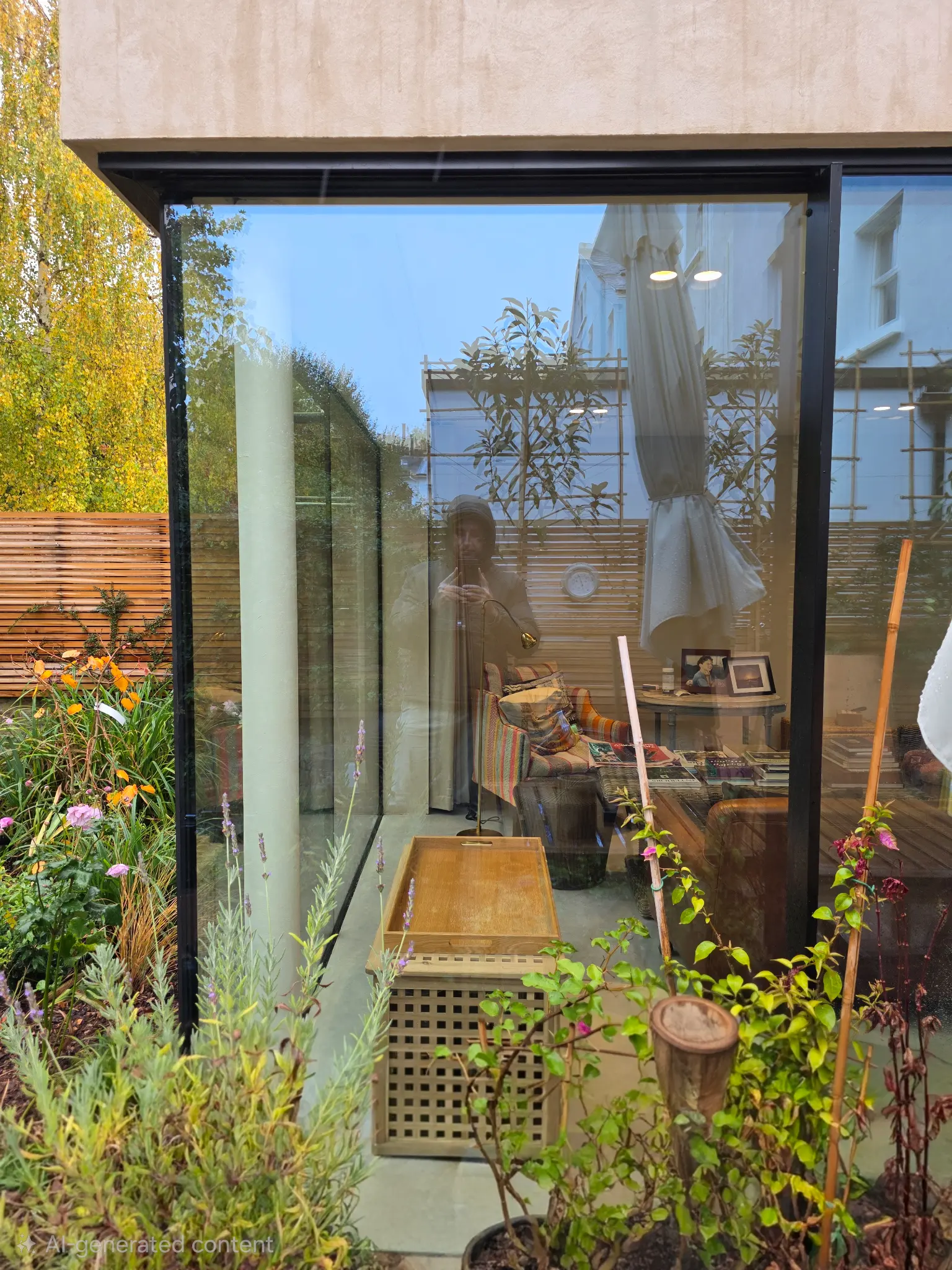
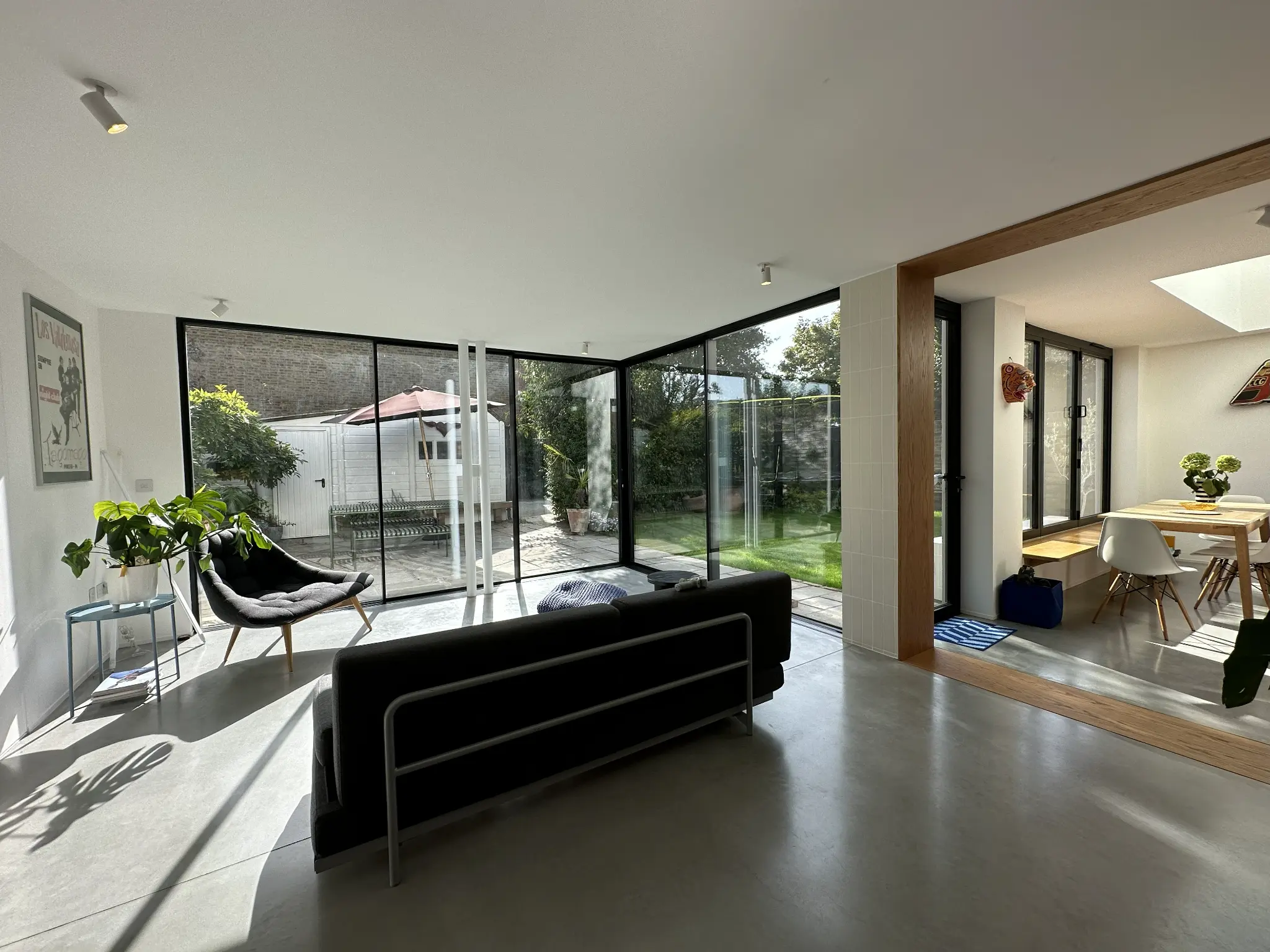
Floor-to-ceiling windows are essentially large glazed panels that span the entire vertical distance of a wall opening. Unlike standard windows that sit within a wall, these installations typically start at the finished floor level and reach the underside of the ceiling or structural beam above. They can be fixed (non-opening) or incorporate opening elements such as sliding, bifold, or pivot doors, offering versatility in design and function.
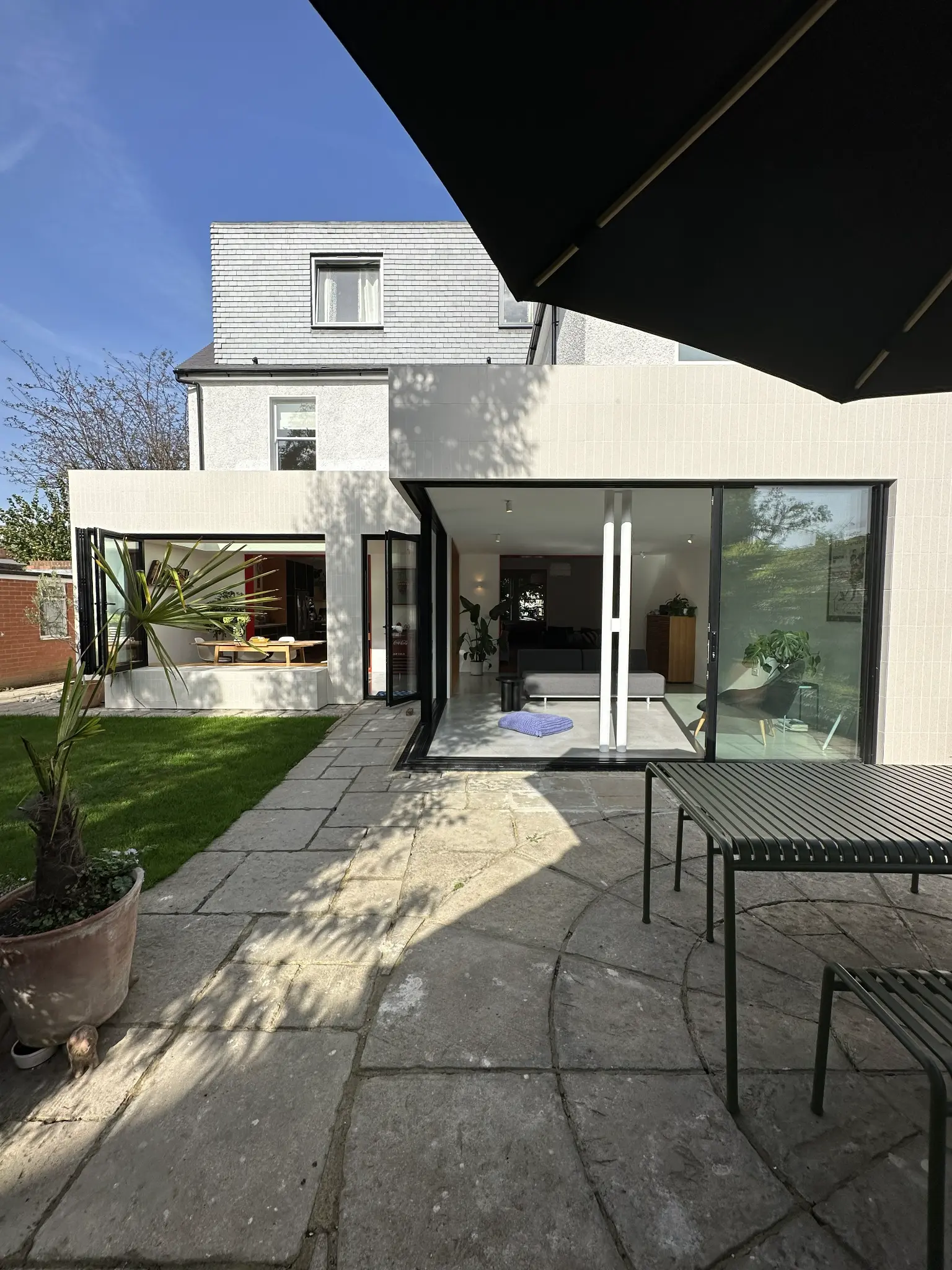
Their primary appeal lies in their ability to flood interiors with natural light, reducing the need for artificial lighting during the day. This abundant light can make rooms feel larger, brighter, and more inviting. Furthermore, they provide unobstructed panoramic views, enhancing the sense of space and connection to the surrounding landscape, whether it's a garden, cityscape, or natural vista.
Types of Floor-to-Ceiling Glazing
- Fixed Panels: These are non-opening sections of glass, ideal for maximising views and light where ventilation isn't required. They offer excellent thermal performance and security.
- Sliding Doors: Popular for creating large openings, these allow one or more panels to slide past another, offering flexible ventilation and access. Options include single, double, or multi-track systems.
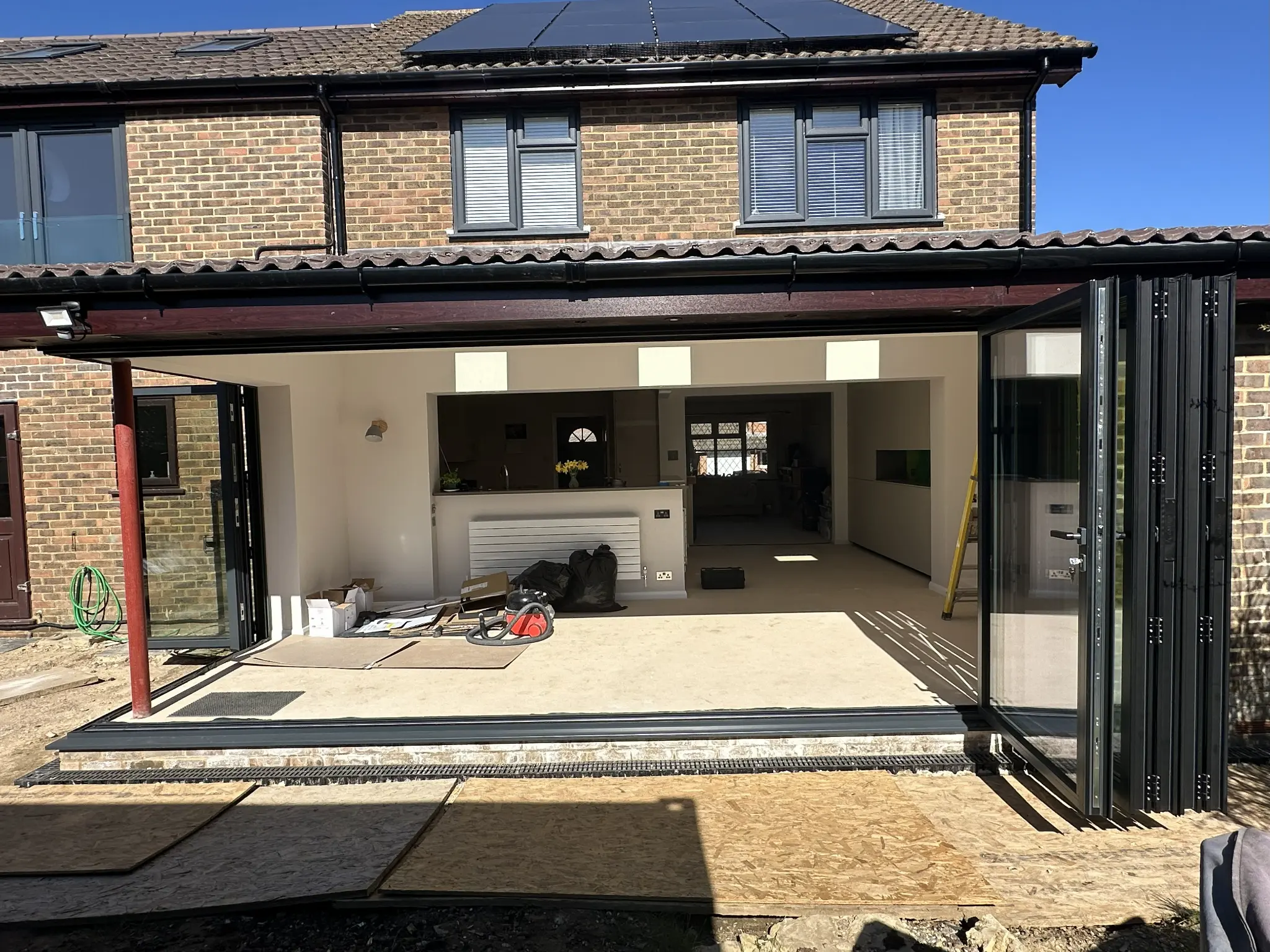
- Bifold Doors: These doors fold back in a concertina style, creating a wide, unobstructed opening that truly merges indoor and outdoor spaces. They are popular for connecting living areas to patios or gardens.
- Pivot Doors: A single, large panel that rotates on a central or offset pivot point, creating a dramatic entrance or opening.
- Curtain Walling: For very large or complex structures, a curtain wall system might be used, where glass panels are supported by an aluminium framework, often spanning multiple floors.
Design Considerations and Structural Integrity
Integrating floor-to-ceiling windows into a property, especially an existing one, demands careful planning. The sheer size and weight of these glass units mean that structural support is paramount.
Structural Implications
When replacing a standard window with a floor-to-ceiling unit, or incorporating them into a new build or extension, the existing wall structure needs thorough assessment. Walls are load-bearing, and removing a significant section of masonry or timber frame requires the installation of an adequate lintel or steel beam (RSJ) to support the weight of the structure above. For very wide openings, specialist structural engineering advice is essential.
The foundations may also need to be checked to ensure they can accommodate any additional loads. In new builds, the design will integrate these structural elements from the outset, but for renovations, a structural engineer will be crucial in determining the necessary modifications and specifying appropriate support.
Frame Materials
The choice of frame material significantly impacts both the aesthetics and performance of floor-to-ceiling windows:
- Aluminium: Highly popular due to its strength, durability, and ability to be formed into slender profiles, maximising the glass area. Aluminium is lightweight, corrosion-resistant, and requires minimal maintenance. It also offers excellent thermal break technology to prevent heat transfer.
- Timber: Offers a natural, warm aesthetic. Timber frames can be robust but require more maintenance (painting/staining) and can be thicker than aluminium, slightly reducing the glass area. Engineered timber options offer enhanced stability.
- uPVC: A more budget-friendly option, uPVC frames are low maintenance and offer good thermal performance. However, they can be bulkier than aluminium, potentially limiting the slenderness of the frame for very large spans.
- Steel: Extremely strong, allowing for the slimmest possible frames and industrial aesthetics. Steel is durable but can be more expensive and requires specific anti-corrosion treatments.
Pro Tip
When choosing frame materials, consider the overall architectural style of your home and the desired aesthetic. Aluminium is often favoured for modern, minimalist designs due to its sleek profiles, while timber can complement traditional or rustic properties.
Thermal Performance and UK Building Regulations
One of the most critical aspects of floor-to-ceiling windows is their thermal performance. Large expanses of glass can be a significant source of heat loss in winter and heat gain in summer if not specified correctly. This is where UK Building Regulations, specifically Part L (Conservation of Fuel and Power), play a vital role.
U-Values and Part L (England 2022)
The U-value measures how effectively a material or component prevents heat from passing through it. A lower U-value indicates better insulation. For floor-to-ceiling windows, achieving a low U-value is crucial for energy efficiency and compliance.
According to the current UK Building Regulations Part L (England 2022), the maximum U-values for glazing are:
- New Build Properties: 1.2 W/m²K
- Replacement Windows/Doors (Existing Properties): 1.4 W/m²K
To meet these stringent requirements, floor-to-ceiling windows almost always utilise double or triple glazing. Modern glazing units incorporate technologies such as:
- Low-emissivity (Low-E) coatings: Microscopic metallic coatings on one or more glass surfaces that reflect heat back into the room in winter and out of the room in summer.
- Warm edge spacer bars: Made from composite materials rather than aluminium, these reduce heat transfer at the edges of the sealed glass unit, where heat loss is typically highest.
- Inert gas infills: Argon or Krypton gas is sealed between the glass panes instead of air, as these gases are denser and less conductive, further reducing heat transfer.
It is advisable to consult with a qualified architect or Building Control officer early in your project to ensure your chosen glazing specifications will meet the required U-values and overall energy performance targets for your property.
Solar Gain and Shading
While natural light is desirable, excessive solar gain (overheating) can be an issue, especially for south-facing floor-to-ceiling windows. Strategies to mitigate this include:
- Solar control glass: Special coatings or tints applied to the glass can reduce the amount of solar heat entering the building while still allowing light through.
- External shading: Overhangs, brise soleils, or external blinds can effectively block direct sunlight during peak hours.
- Internal shading: High-performance blinds, curtains, or automated shading systems can offer flexibility in controlling light and heat.
- Ventilation: Incorporating opening elements allows for natural cross-ventilation to dissipate heat.
Benefits and Drawbacks of Floor-to-Ceiling Windows
Like any significant architectural feature, floor-to-ceiling windows come with their own set of advantages and potential disadvantages.
Enhanced Natural Light
Maximises daylight penetration, reducing reliance on artificial lighting and creating brighter, more inviting interiors.
Panoramic Views
Offers unobstructed, expansive views of the outdoors, seamlessly connecting your living space with the environment.
Increased Property Value
Often considered a premium feature, they can significantly enhance the aesthetic appeal and market value of a property.
Sense of Space
Makes rooms feel larger, more open, and less confined, especially in smaller or urban properties.
Potential Drawbacks and Considerations
- Cost: Due to their size, specialist glazing, and structural requirements, floor-to-ceiling windows are generally more expensive than standard windows.
- Privacy: Large glazed areas can compromise privacy, especially in overlooked locations. Solutions include smart glass, blinds, curtains, or strategic landscaping.
- Cleaning and Maintenance: Large glass panels can be challenging to clean, particularly on upper floors or inaccessible areas. Professional cleaning services may be required.
- Security: While modern glazing is robust, large glass areas can be perceived as a security risk. High-security frames, laminated glass, and integrated alarm systems can mitigate this.
- Furniture Placement: Wall space for furniture can be limited, requiring thoughtful interior design.
- Thermal Performance Balance: While modern glazing performs well, achieving the optimal balance between light, heat retention, and solar gain requires careful specification.
Installation and Maintenance
The installation of floor-to-ceiling windows is a specialist task that should only be undertaken by experienced professionals. The process typically involves:
- Structural Preparation: Ensuring the opening is correctly formed and adequately supported with lintels or steelwork.
- Frame Installation: Precisely fitting the frame, ensuring it is level, plumb, and securely fixed to the structure.
- Glazing: Carefully lifting and installing the large, heavy glass units into the frames. This often requires specialist lifting equipment.
- Sealing and Weatherproofing: Meticulous sealing around the frames to prevent water ingress and draughts, ensuring long-term performance.
For maintenance, regular cleaning of the glass is essential to preserve the views and light. Frames should be inspected periodically for any signs of wear, especially seals and drainage channels. Aluminium frames require minimal maintenance, typically just a wipe down. Timber frames may require re-painting or re-staining over time.
| Feature | Standard Window | Floor-to-Ceiling Window |
|---|---|---|
| Natural Light | Moderate to good | Excellent, maximised |
| Views | Framed, limited | Panoramic, unobstructed |
| Cost | Lower | Higher (due to size, structural work) |
| Privacy | Easier to maintain | Can be a challenge, requires solutions |
| Thermal Performance | Good (easily meets Part L) | Excellent (with specialist glazing to meet Part L) |
| Structural Impact | Minimal | Significant (often requires structural engineer) |
| Cleaning | Easier | Can be challenging due to size |
| Aesthetic Impact | Functional | Dramatic, architectural feature |
UK Building Regulations and Planning Permission
Any significant alteration to your property, especially those affecting structural integrity or thermal performance, will typically fall under UK Building Regulations. This means you will need to submit plans to your local Building Control body for approval before work commences. They will assess aspects such as:
- Structural Safety: Ensuring the new opening and support are safe and adequate.
- Thermal Performance: Verifying that the U-values of the glazing meet Part L requirements.
- Ventilation: Ensuring adequate ventilation is maintained, especially if opening elements are limited.
- Fire Safety: Considering means of escape and fire resistance, particularly in multi-storey dwellings.
For new builds and extensions, the overall dwelling emission rate (DER) and fabric energy efficiency rate (FEER) must be met, and large areas of glazing will be factored into these calculations. While there isn't a strict limit on the percentage of glazing, exceeding a certain proportion (e.g., 25% of the total floor area) may require compensatory measures elsewhere in the building's fabric to achieve compliance.
Planning Permission: While many window replacements fall under Permitted Development rights, installing floor-to-ceiling windows might require planning permission, particularly if:
- The property is in a Conservation Area or is a Listed Building.
- The alteration significantly changes the external appearance of the property.
- The installation involves a new opening where none existed before, or significantly alters an existing opening, especially on the front elevation or a side elevation visible from a public highway.
- There are concerns about overlooking neighbouring properties.
It is always recommended to consult with your local planning authority and Building Control department early in the project to understand the specific requirements for your property and location.
Floor-to-ceiling windows offer a fantastic opportunity to enhance your home's aesthetics, light, and connection to the outdoors. By understanding the design, structural, thermal, and regulatory considerations, you can ensure a successful and compliant installation that adds lasting value and enjoyment to your property.
At Shard AG, we specialise in designing, supplying, and installing high-performance floor-to-ceiling glazing solutions tailored to your specific project needs. Our expert team works with homeowners, architects, and builders across the UK, ensuring compliance with the latest Building Regulations and delivering exceptional quality and service. Contact us today to discuss your vision for stunning, energy-efficient glazing.
Explore Our Products
Discover how Shard Architectural Glazing can transform your home with our premium glazing solutions:
Ready to Transform Your Home?
Get in touch with our expert team for a free consultation and personalised quote. We'll help you choose the perfect glazing solution for your property.