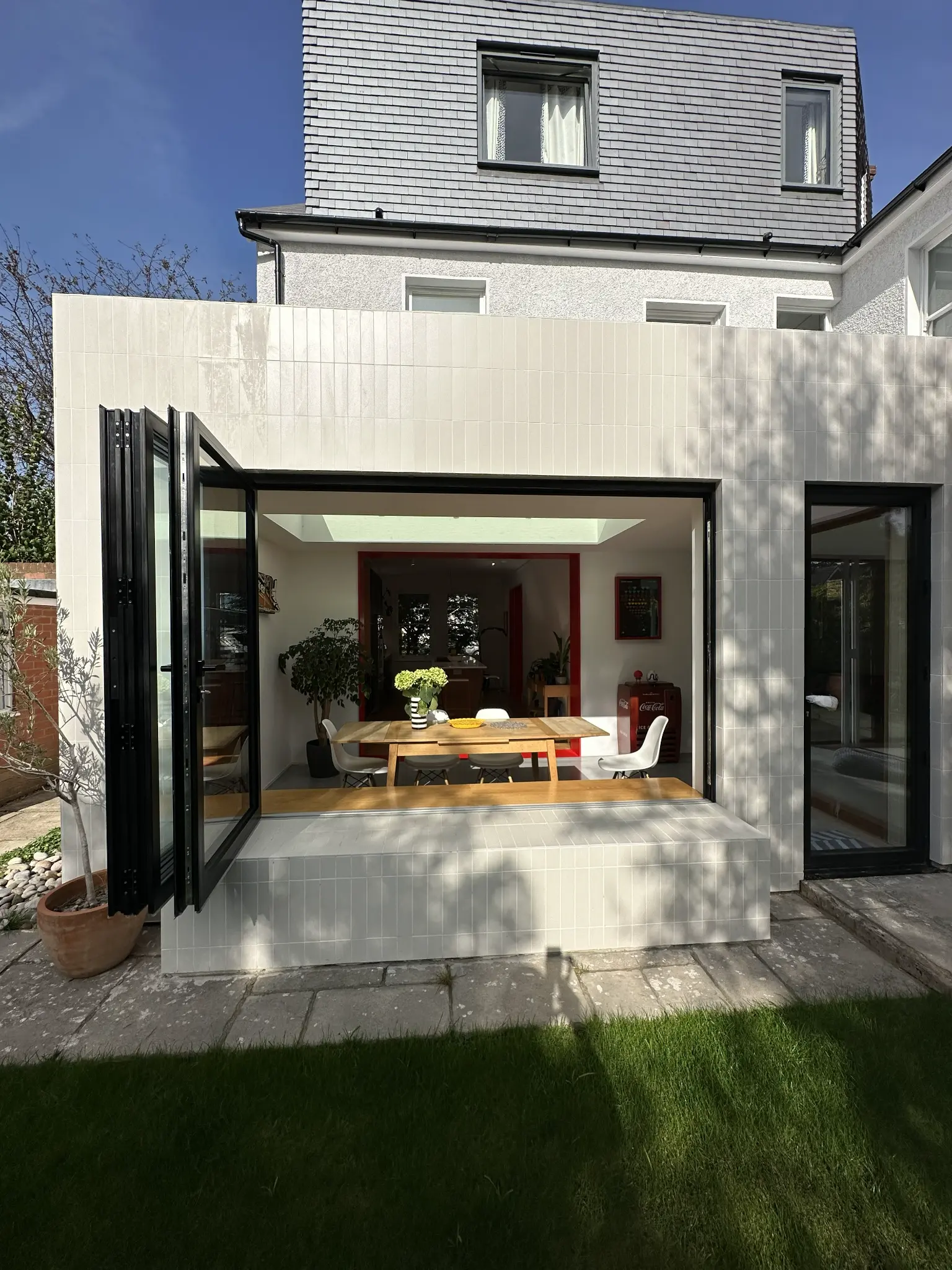
Frameless Glass Solutions: A UK Homeowner's Comprehensive Guide
Discover the elegance and practicality of frameless glass for your UK home. Learn about types, Building Regulations, benefits, and considerations.

Shard Architectural Glazing
27 March 2026
Discover the elegance and practicality of frameless glass for your UK home. Learn about types, Building Regulations, benefits, and considerations.
📋In This Article
Frameless glass solutions have become increasingly popular in contemporary UK home design, offering an unparalleled blend of aesthetics and functionality. From sleek balustrades to expansive bifold doors and stunning internal partitions, frameless glass creates an illusion of openness, maximises natural light, and provides a sophisticated, minimalist appeal. This comprehensive guide will delve into the world of frameless glass, exploring its various applications, technical considerations, and how it aligns with UK Building Regulations, helping you make informed decisions for your property.
What Exactly is Frameless Glass?
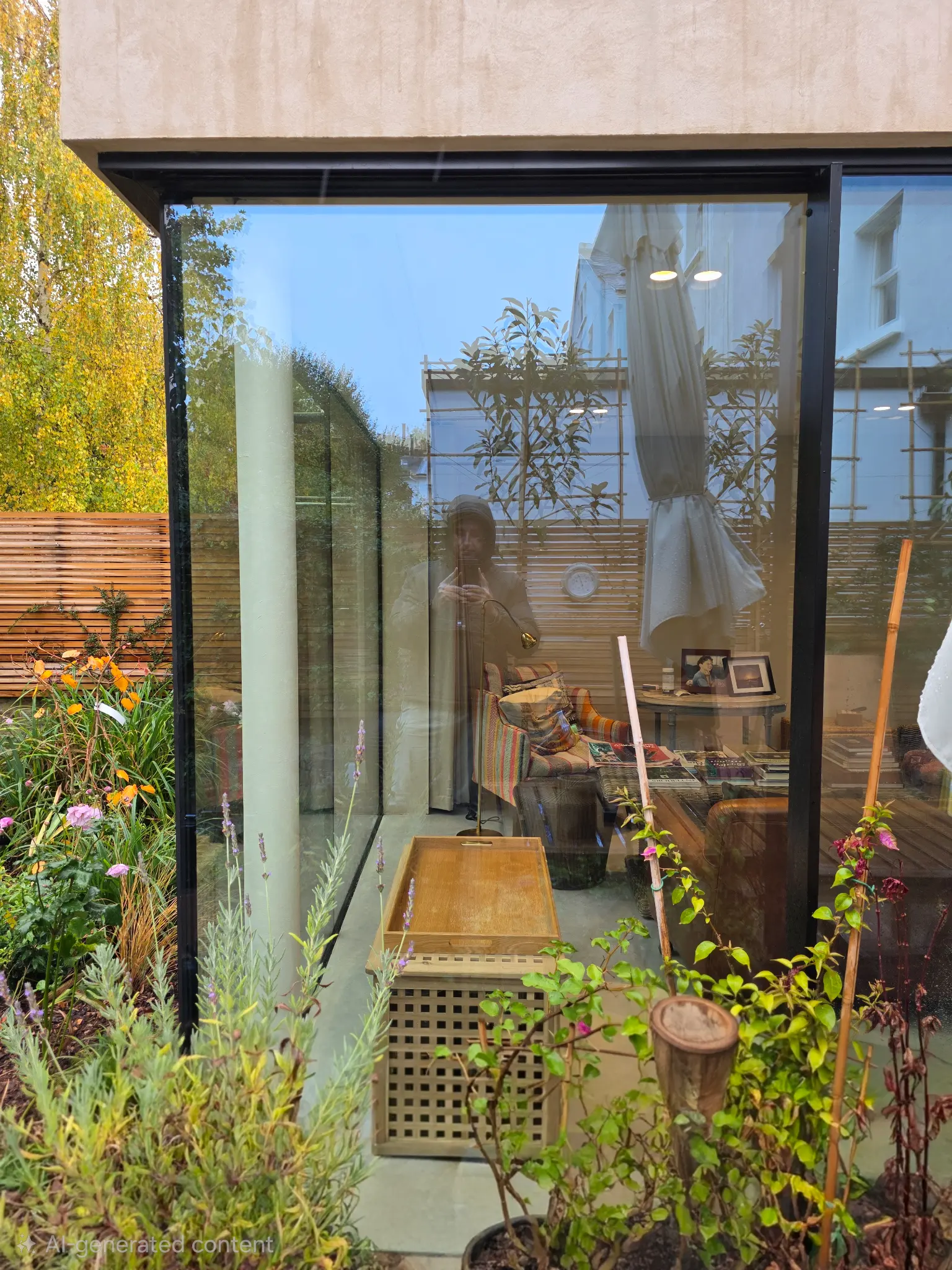
At its core, frameless glass refers to glazing systems where the structural support is either minimal, hidden, or inherent within the glass itself, rather than relying on visible, bulky frames. This design philosophy aims to create an uninterrupted expanse of glass, maximising transparency and light flow. While the term 'frameless' suggests a complete absence of frames, in practice, there are often discreet fixing channels, clamps, or profiles that secure the glass panels, but these are designed to be as inconspicuous as possible.
Types of Glass Used in Frameless Systems
The structural integrity of frameless glass relies heavily on the type and thickness of the glass itself. The most common types include:
- Toughened Glass (Tempered Glass): This glass is heat-treated to increase its strength significantly, typically 4-5 times stronger than ordinary annealed glass. When it breaks, it shatters into small, relatively harmless granular pieces, reducing the risk of injury. It's commonly used for balustrades, shower screens, and internal doors.
- Laminated Glass: Consisting of two or more panes of glass bonded together with an interlayer (usually PVB - polyvinyl butyral), laminated glass holds together when shattered, as the interlayer retains the fragments. This provides enhanced safety and security. It's often used for overhead glazing, external balustrades, and applications where fall protection is critical.
- Laminated Toughened Glass: Combining the benefits of both, this is exceptionally strong and safe. If one pane breaks, the other remains intact, held by the interlayer. This is the preferred choice for structural glazing, walk-on glass, and high-impact areas.
Thicknesses typically range from 8mm to 25mm, depending on the application, panel size, and structural requirements. For instance, a shower screen might use 8-10mm toughened glass, whereas a structural glass roof or walk-on floor might require 25mm laminated toughened glass.
Common Applications of Frameless Glass in UK Homes
Frameless glass offers incredible versatility, transforming various areas of a home:
1. Frameless Glass Balustrades & Railings
These are perhaps the most popular application, used for balconies, staircases, decking areas, and mezzanines. They provide safety barriers without obstructing views, creating a sense of spaciousness. They can be top-mounted (fixed to the surface), side-mounted (fixed to the fascia), or recessed into the floor structure for a truly seamless look. UK Building Regulations Part K (Protection from falling, collision and impact) is highly relevant here, dictating minimum heights and structural performance.
2. Frameless Glass Doors & Partitions
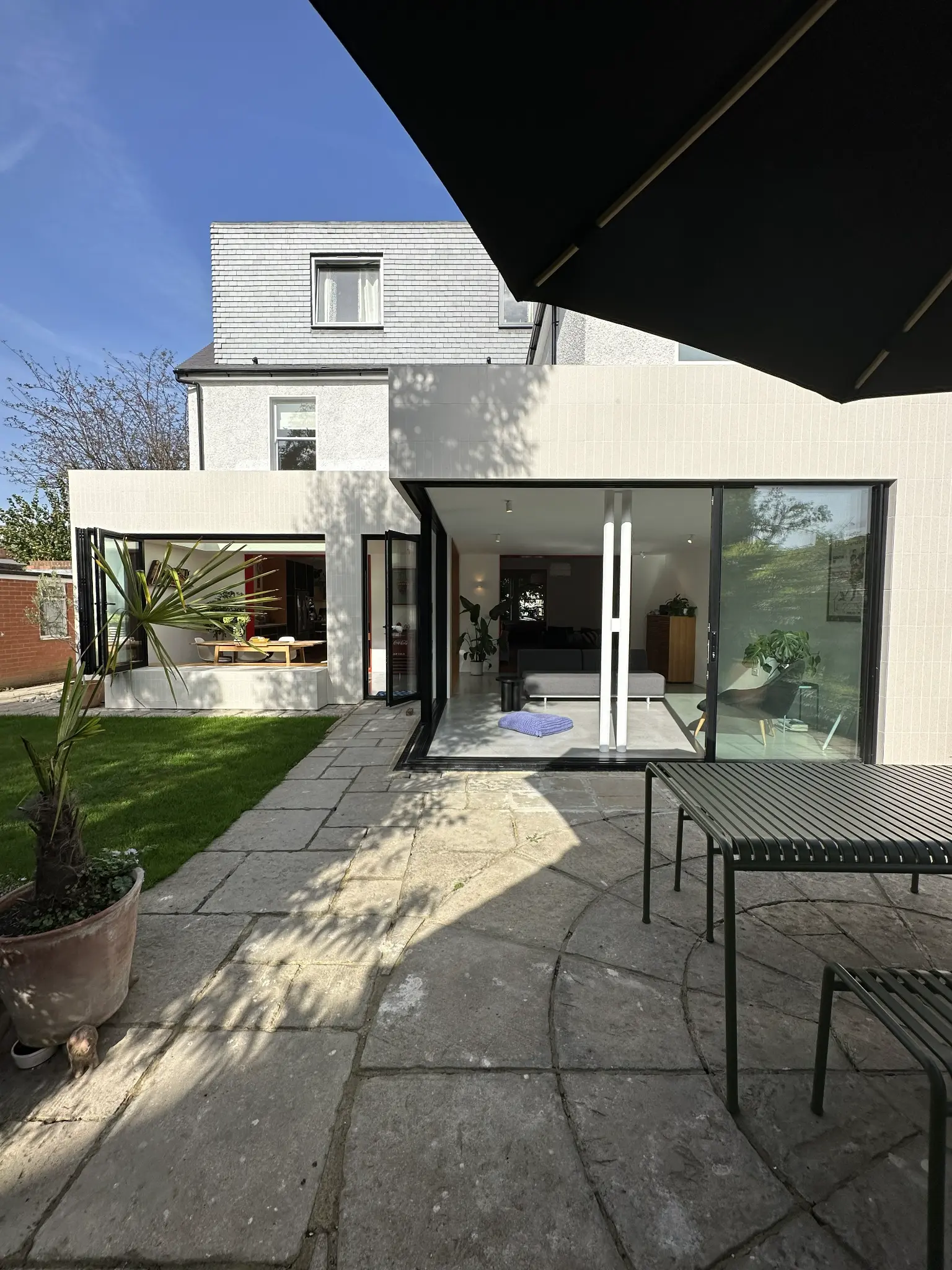
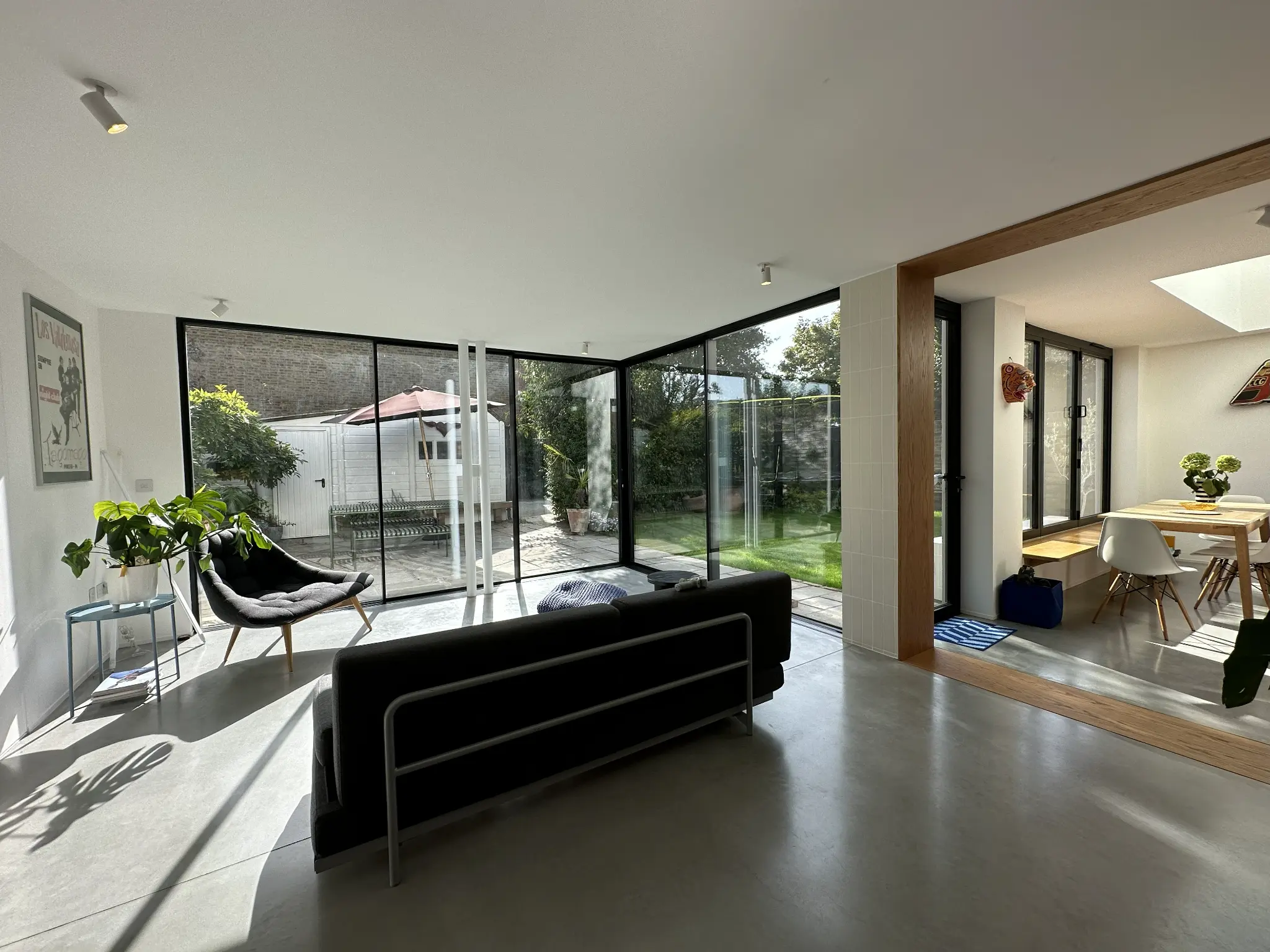
Internal frameless glass doors (pivot, sliding, or hinged) and partitions are excellent for dividing spaces while maintaining light flow and an open-plan feel. They are ideal for offices, en-suites, or creating distinct zones within a large living area. External applications include frameless bifold or sliding doors, which blur the lines between indoor and outdoor spaces, though these often incorporate very slim, minimal frames for weather sealing and thermal performance.
3. Frameless Glass Shower Screens & Wet Rooms
A staple in modern bathrooms, frameless shower screens create a clean, minimalist aesthetic, making bathrooms feel larger and more luxurious. They are easier to clean than framed alternatives and can be custom-made to fit any space.
4. Walk-on Glass & Glass Floors
For a truly dramatic feature, walk-on glass panels can be incorporated into floors, allowing light to penetrate to lower levels or creating unique visual connections. These require robust laminated toughened glass, often with anti-slip treatments, and must meet stringent structural engineering requirements.
5. Structural Glass Roofs & Skylights
These systems use glass as a primary structural element, often supported by minimal steelwork or glass fins. They flood interiors with natural light, creating stunning architectural statements. Laminated toughened glass is essential for safety, and careful consideration of thermal performance and solar gain is crucial.
Pro Tip
When planning any frameless glass installation, always consider the cleaning and maintenance aspect. While frameless designs are often easier to clean than framed alternatives, large expanses of glass, especially those exposed to the elements, will require regular attention to maintain their pristine appearance. Hydrophobic coatings can significantly reduce cleaning frequency.
UK Building Regulations & Frameless Glass
Compliance with UK Building Regulations is paramount for any glass installation, especially frameless systems where structural integrity and safety are key. Several parts of the regulations are particularly relevant:
-
Part A (Structure): All glass installations, particularly structural glazing, walk-on glass, and balustrades, must be designed and installed to safely withstand all anticipated loads (e.g., wind, snow, human impact, live loads). This often requires structural calculations by a qualified engineer.
-
Part K (Protection from falling, collision and impact): This is critical for balustrades, guarding, and glazing in critical locations. It dictates requirements for safety glass (toughened or laminated) in doors, side panels, and low-level glazing, as well as minimum heights and load resistance for barriers. For example, balustrades must typically withstand a horizontal uniformly distributed line load of 0.74 kN/m for domestic dwellings.
-
Part B (Fire Safety): While glass itself is non-combustible, its performance in a fire (e.g., integrity, insulation, radiant heat reduction) is important for fire-rated partitions or doors. Special fire-rated glass systems would be required in such cases.
-
Part L (Conservation of Fuel and Power): For external frameless glass applications (e.g., bifold doors, structural glass extensions), thermal performance is crucial. The glass must meet specific U-value requirements to prevent excessive heat loss. Current 2022 Building Regulations Part L (England) stipulate:
- New build windows/doors: 1.2 W/m²K
- Replacement windows/doors: 1.4 W/m²K
Achieving these U-values with truly 'frameless' external systems can be challenging, often requiring high-performance double or triple glazing and innovative sealing solutions. This is why many external 'frameless' systems still incorporate very slim, thermally broken frames.
It is always advisable to consult with your local Building Control body or a qualified professional early in the design process to ensure your chosen frameless glass solution meets all relevant regulations.
Benefits and Considerations of Frameless Glass
Enhanced Aesthetics
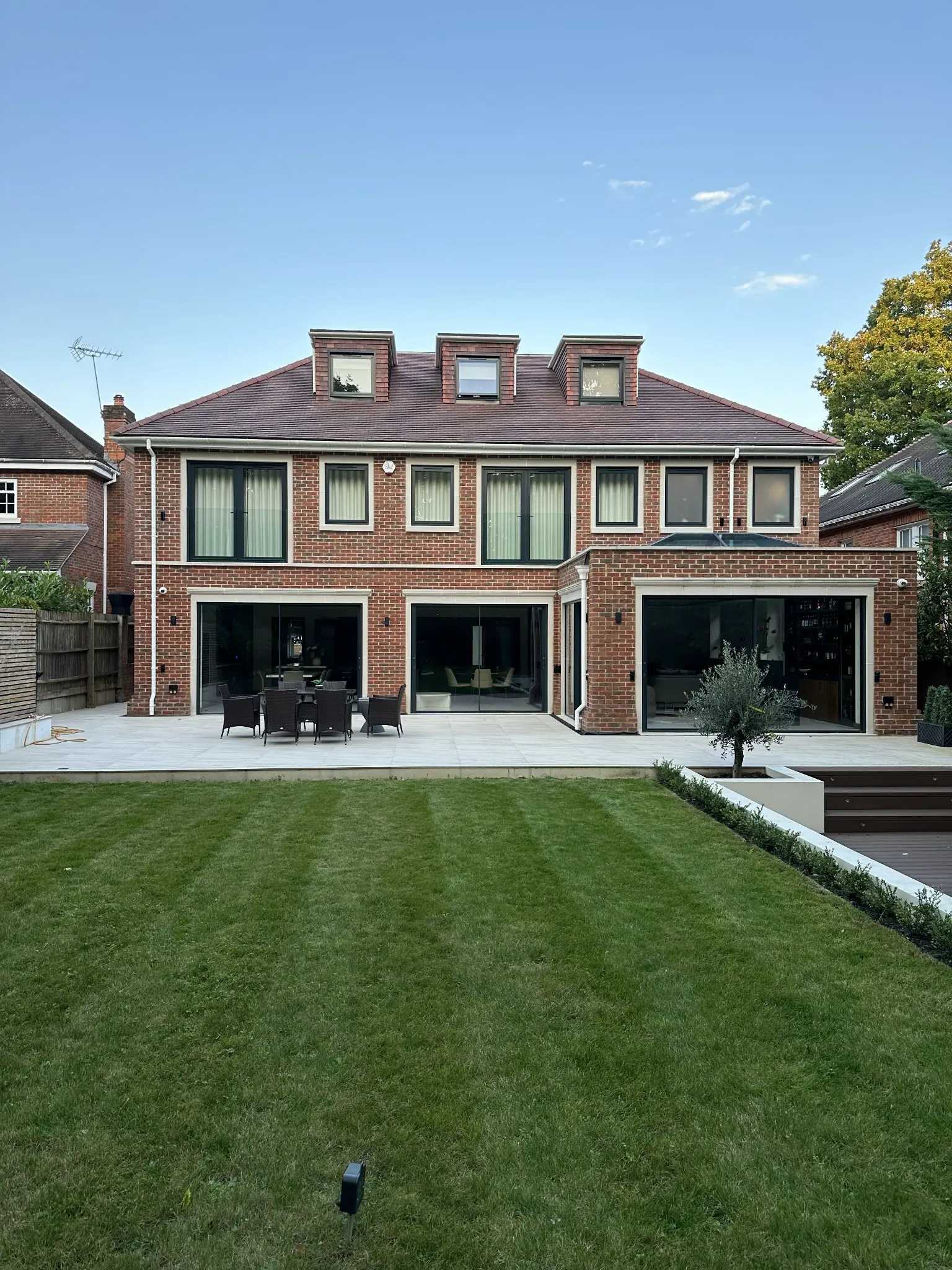
Creates a sleek, modern, and minimalist look, enhancing the contemporary appeal of any space. Maximises visual connectivity and openness.
Maximised Natural Light
Allows an abundance of natural light to flood interiors, reducing reliance on artificial lighting and creating brighter, more inviting environments.
Increased Sense of Space
By removing visual barriers, frameless glass makes rooms feel larger and more expansive, particularly beneficial in smaller UK homes.
Durability & Safety
Utilising toughened or laminated glass, these systems are highly durable and, when correctly specified and installed, offer excellent safety performance.
Key Considerations
- Cost: Frameless glass systems, especially those requiring structural engineering or specialised glass, can be more expensive than traditional framed alternatives due to the material cost, precision manufacturing, and expert installation required.
- Thermal Performance (External): As mentioned, achieving optimal thermal efficiency for external frameless systems can be complex. While internal frameless glass doesn't have the same thermal requirements, it's still a factor for external applications.
- Privacy: The transparency of frameless glass can be a drawback if privacy is desired. Solutions include frosted, sandblasted, or switchable smart glass, but these add to the cost.
- Installation Complexity: Frameless glass requires highly skilled and experienced installers due to the precision needed for alignment, fixing, and handling large, heavy glass panels.
- Cleaning: While offering unobstructed views, large glass surfaces can show fingerprints, smudges, and watermarks more readily, requiring regular cleaning to maintain their pristine appearance.
Frameless Glass Specification Comparison
Understanding the differences in glass types and applications is crucial. Here's a brief comparison:
| Application | Typical Glass Type | Typical Thickness (mm) | Key Regulation Focus | Considerations |
|---|---|---|---|---|
| Internal Shower Screen | Toughened | 8-10 | Part K (Impact) | Custom sizing, hardware finish, hydrophobic coating. |
| Internal Balustrade (Stairs/Mezzanine) | Toughened or Laminated Toughened | 12-17.5 | Part K (Falling, Impact, Load) | Fixing method (top/side/recessed), handrail requirement. |
| External Balustrade (Balcony/Deck) | Laminated Toughened | 17.5-21.5 | Part K (Falling, Impact, Load, Wind) | Drainage, weather exposure, wind loads, handrail. |
| Walk-on Glass Floor | Laminated Toughened (multi-pane) | 25-33+ | Part A (Structure), Part K (Impact) | Structural engineer design, anti-slip treatment, U-value if external. |
| Structural Glass Roof/Skylight | Laminated Toughened (often insulated) | 25-33+ | Part A (Structure), Part K (Falling), Part L (Thermal) | Solar control, drainage, U-value, structural support. |
Choosing the Right Frameless Glass Solution for Your Home
Selecting the ideal frameless glass system involves a careful balance of aesthetic desires, functional requirements, and regulatory compliance. Here are steps to consider:
- Define Your Vision: What do you want to achieve? More light, better views, a modern aesthetic, or a functional partition? Sketch out your ideas and gather inspiration.
- Assess the Application: Is it internal or external? Will it be load-bearing (e.g., walk-on glass)? Is it a safety barrier (balustrade)? The application dictates the glass type and structural requirements.
- Consider Building Regulations: Understand the relevant parts of the UK Building Regulations for your specific project. This is non-negotiable for safety and compliance.
- Consult Professionals: Engage with experienced architectural glazing specialists, structural engineers (if required), and potentially architects. They can advise on feasibility, material specifications, structural calculations, and regulatory compliance.
- Budget: Be realistic about the costs involved. While frameless glass offers significant benefits, it often represents a premium investment compared to standard framed alternatives.
- Installation Expertise: Ensure your chosen supplier has a proven track record of installing similar frameless systems with precision and adherence to safety standards.
Frameless glass solutions offer a compelling way to elevate the design and functionality of your UK home. By understanding the technical aspects, regulatory requirements, and practical considerations, you can confidently integrate these elegant features, creating spaces that are brighter, more open, and truly contemporary.
For expert advice and high-quality frameless glass solutions tailored to your specific needs and compliant with all UK Building Regulations, consider consulting with specialists in architectural glazing.
Explore Our Products
Discover how Shard Architectural Glazing can transform your home with our premium glazing solutions:
Ready to Transform Your Home?
Get in touch with our expert team for a free consultation and personalised quote. We'll help you choose the perfect glazing solution for your property.