

Glazing & Planning Permission: A UK Homeowner's Guide
Understand when glazing projects need planning permission in the UK. This guide covers permitted development, Building Regulations, and key considerations.

Shard Architectural Glazing
25 March 2026
Understand when glazing projects need planning permission in the UK. This guide covers permitted development, Building Regulations, and key considerations.
📋In This Article
Undertaking home improvements, particularly those involving significant changes to your property's glazing, can be an exciting prospect. However, navigating the complexities of planning permission and Building Regulations in the UK is crucial to ensure your project proceeds smoothly and legally. This comprehensive guide aims to demystify the requirements for homeowners considering new windows, doors, conservatories, or other glazed extensions.
Understanding the Basics: Planning Permission vs. Building Regulations
Before diving into specific glazing projects, it's essential to distinguish between planning permission and Building Regulations approval. While often confused, they serve different purposes:
- Planning Permission: This relates to the visual impact and use of land. It ensures that proposed developments align with local planning policies, considering factors like appearance, scale, impact on neighbours, and environmental concerns. Most minor alterations to existing homes do not require planning permission, falling under 'Permitted Development' rights.
- Building Regulations: These set standards for the design and construction of buildings to ensure health, safety, welfare, convenience, and energy efficiency. Almost all new building work, including replacing windows and doors, must comply with Building Regulations.
It's entirely possible for a project to require Building Regulations approval but not planning permission, and vice-versa, though many larger projects will require both.
Permitted Development Rights for Glazing
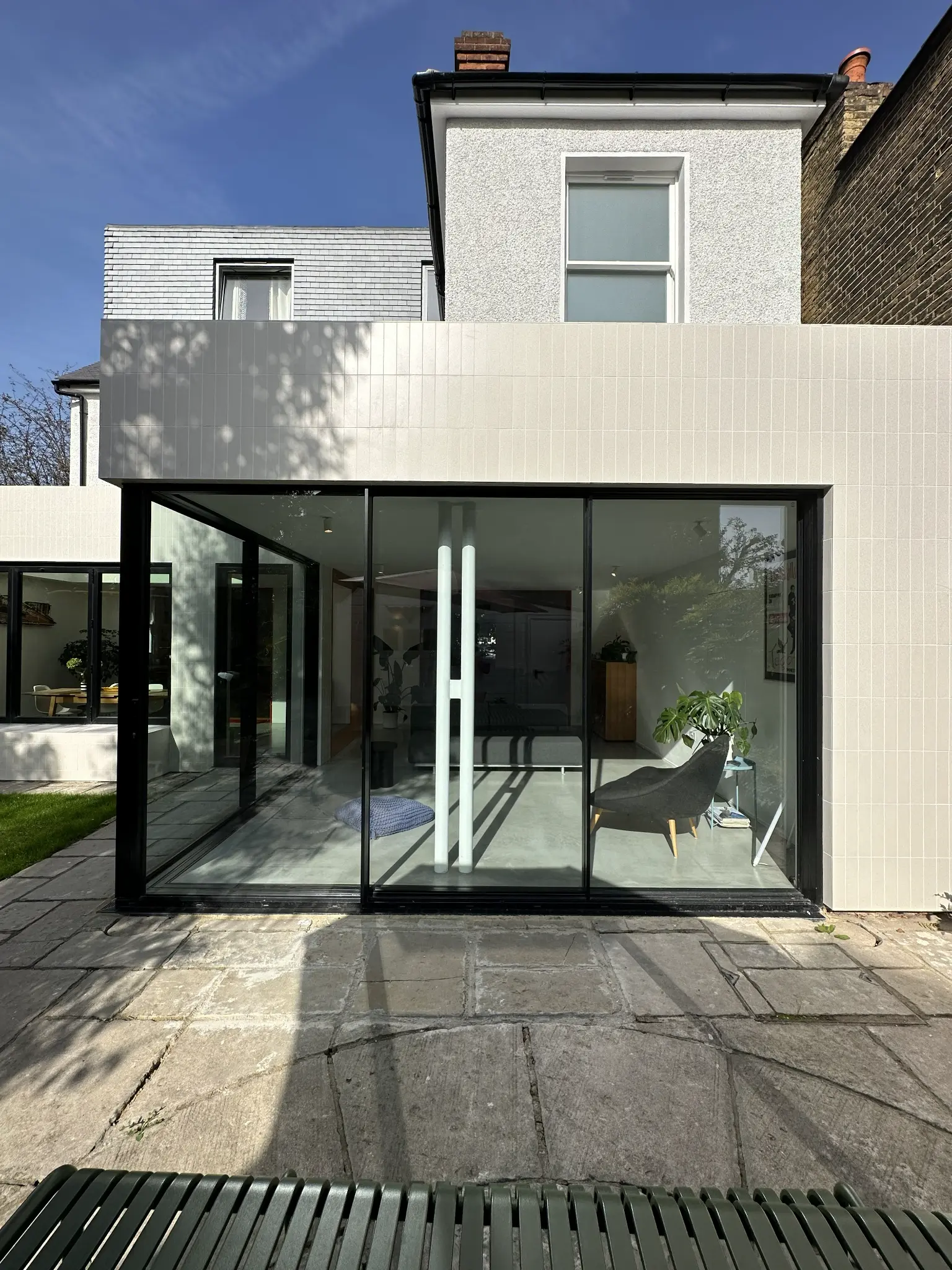
Many common glazing alterations fall under Permitted Development (PD) rights, meaning you won't need to apply for planning permission. These rights are granted by the government and allow homeowners to make certain improvements without a full planning application, provided specific conditions are met.
Windows and Doors
Generally, replacing existing windows and doors with new ones of a similar appearance does not require planning permission, as long as the opening size remains the same. However, there are exceptions:
- Material Changes: If you're changing the material (e.g., from timber to uPVC) or the style significantly (e.g., from casement to bay window), and your property is in a Conservation Area, an Area of Outstanding Natural Beauty (AONB), a National Park, or a World Heritage Site, you may need permission.
- Listed Buildings: Any alteration to a Listed Building, no matter how minor, almost always requires Listed Building Consent, which is a separate process from planning permission.
- New Openings: Creating new window or door openings where none existed before typically requires planning permission.
Conservatories, Orangeries, and Glazed Extensions
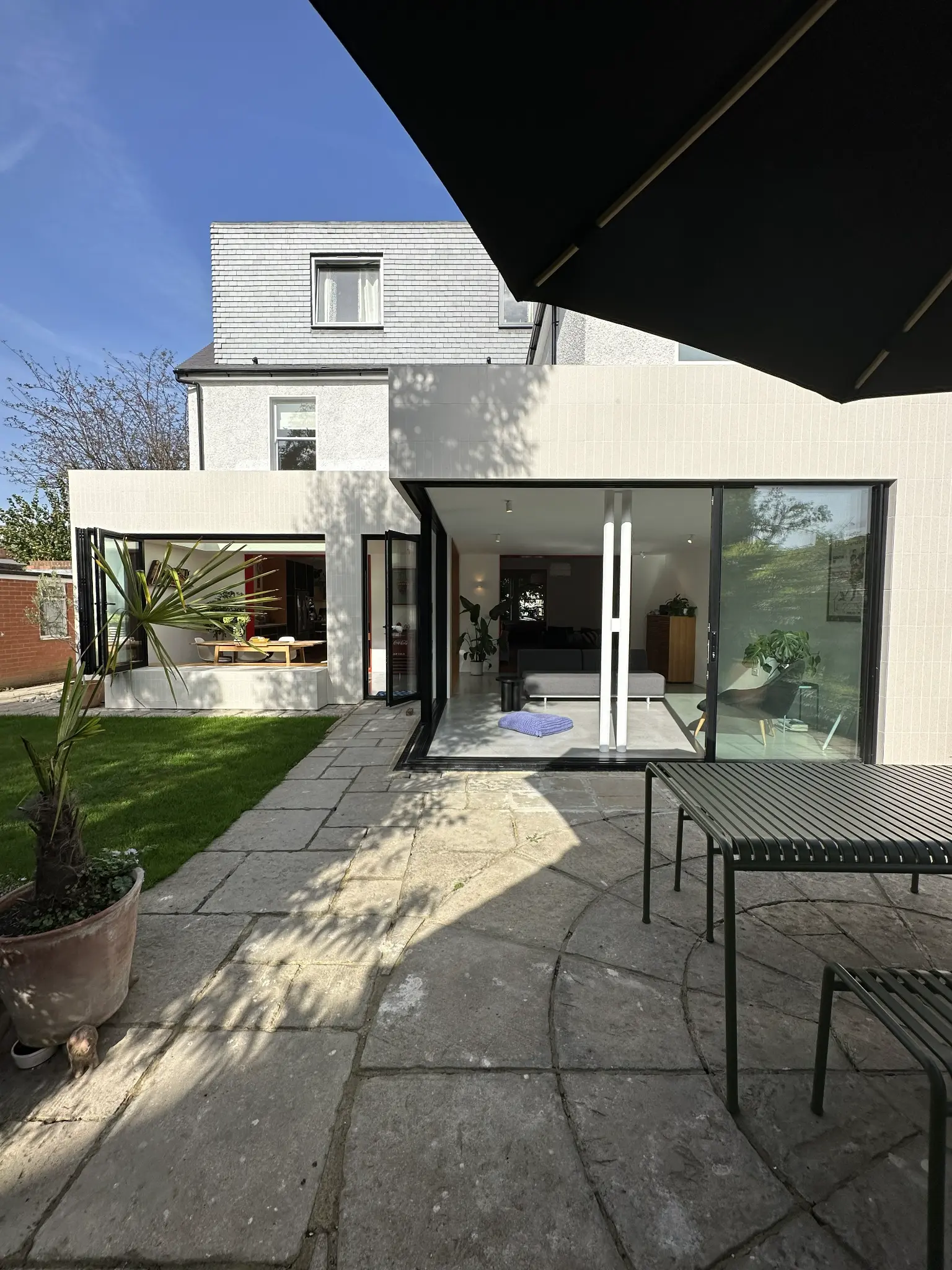
Many smaller conservatories and single-storey extensions can be built under Permitted Development, subject to strict limits:
- Rear Extensions: Single-storey rear extensions can extend up to 4 metres from the original rear wall of a detached house, or 3 metres for a semi-detached or terraced house. Larger extensions (up to 8m for detached, 6m for others) may be possible under a 'Neighbour Consultation Scheme'.
- Side Extensions: Single-storey side extensions must not exceed 4 metres in height and must not be wider than half the width of the original house.
- Height Restrictions: The maximum height of a single-storey extension is 4 metres. If it's within 2 metres of a boundary, the maximum eaves height is 3 metres.
- Coverage: The extension (and other buildings) must not cover more than 50% of the original garden area.
- Materials: Materials should be similar in appearance to the existing house.
- Frontage: Extensions forward of the principal elevation or side elevation fronting a highway are generally NOT permitted development.
It's crucial to remember that PD rights can be removed by your local council through an 'Article 4 Direction', particularly in Conservation Areas. Always check with your local planning authority.
Pro Tip
Even if your project falls under Permitted Development, it's highly advisable to obtain a 'Lawful Development Certificate' from your local council. This provides formal confirmation that your development is lawful and can be very useful when selling your property in the future.
Building Regulations and Glazing Compliance
Regardless of planning permission, most glazing work must comply with Building Regulations. This ensures your home remains safe, energy-efficient, and structurally sound. Key areas covered include:
1. Thermal Performance (Part L - Conservation of Fuel and Power)
This is arguably the most critical aspect for glazing. New and replacement windows and doors must meet specific U-value requirements to minimise heat loss and improve energy efficiency. The lower the U-value, the better the insulation.
| Component | New Build (W/m²K) | Replacement (W/m²K) |
|---|---|---|
| Walls | 0.18 | N/A (for existing walls) |
| Floors | 0.18 | N/A (for existing floors) |
| Roofs | 0.15 | N/A (for existing roofs) |
| Windows/Doors | 1.2 | 1.4 |
| Party Walls | 0.0 | N/A |
(Figures are based on UK Building Regulations Part L 2022, England)
2. Safety Glazing (Part K - Protection from Falling, Collision and Impact)
Certain areas of glazing must be made from safety glass (toughened or laminated) to prevent serious injury in case of breakage. This typically applies to:
- Glazing in or adjacent to doors.
- Low-level glazing (below 800mm from floor level).
- Large panes of glass.
- Glazing in bathrooms or other critical locations.
3. Ventilation (Part F - Ventilation)
Replacement windows must not reduce the ventilation capacity of the room. This often means new windows must incorporate trickle vents, even if the original windows did not have them, to ensure adequate background ventilation.
4. Means of Escape (Part B - Fire Safety)
Windows in certain rooms (e.g., bedrooms) on upper floors must be of a sufficient size and easy to open to provide an emergency escape route in case of fire. The minimum clear opening dimensions are typically 450mm x 450mm, with the bottom of the opening no more than 1100mm from the floor.
5. Structural Integrity (Part A - Structure)
Any new opening or enlargement of an existing opening will require structural assessment and potentially the installation of new lintels or other support. This is crucial for the stability of your home.
Energy Efficiency
Complying with Part L ensures your home is well-insulated, reducing heating bills and carbon footprint.
Enhanced Safety
Adherence to Part K and B provides peace of mind, protecting occupants from injury and offering safe escape routes.
Structural Soundness
Meeting Part A guarantees the stability of your building, preventing costly and dangerous structural issues.
Legal Compliance
Ensuring all work meets Building Regulations avoids potential legal issues and simplifies future property sales.
The Approval Process: How to Ensure Compliance
For Building Regulations, there are two main routes:
- Competent Person Scheme: For direct replacement windows and doors, using an installer registered with a Competent Person Scheme (e.g., FENSA, CERTASS) is often the simplest route. They can self-certify that their work complies with Building Regulations, notifying the local authority on your behalf and issuing a certificate.
- Building Notice or Full Plans Application: For more complex projects like new openings, conservatories, or extensions, you will need to submit either a Building Notice or a Full Plans application to your local Building Control body. A Full Plans application involves submitting detailed drawings and calculations for approval before work starts, offering more certainty. A Building Notice is simpler but places more responsibility on you and your builder to ensure compliance on-site.
Failure to comply with Building Regulations can lead to enforcement action by the local authority, including requiring you to alter or remove non-compliant work. It can also cause significant problems when you come to sell your property.
Special Considerations and Expert Advice
Conservation Areas and Listed Buildings
These designations impose much stricter controls. In a Conservation Area, even minor changes to windows and doors may require planning permission to preserve the character of the area. For Listed Buildings, almost any alteration, internal or external, requires Listed Building Consent. The emphasis is on retaining original features and materials, often necessitating bespoke solutions or sympathetic replacements.
Party Walls
If your glazing project involves work on or near a party wall (a wall shared with a neighbour), you may need to comply with the Party Wall Act 1996. This requires you to notify your neighbours and potentially obtain their consent before work begins.
Professional Guidance
Navigating planning and Building Regulations can be complex. It is always recommended to:
- Consult Your Local Planning Authority: They can provide specific advice tailored to your property and local policies.
- Engage an Architect or Architectural Designer: For larger projects, they can design your extension, prepare necessary drawings, and guide you through the planning and Building Regulations application processes.
- Work with Reputable Installers: Choose installers who are knowledgeable about current regulations and can provide appropriate certifications.
Conclusion and Shard AG
Understanding the requirements for planning permission and Building Regulations is a fundamental step in any glazing project. While Permitted Development rights offer flexibility for many homeowners, always verify the specific conditions that apply to your property and proposed work. Prioritising compliance not only ensures the legality and safety of your project but also protects your investment and enhances the long-term value of your home.
At Shard AG, we specialise in high-performance architectural glazing solutions for UK homeowners. Our experienced team can help you navigate the technical specifications and compliance aspects of your project, ensuring our products meet or exceed current UK Building Regulations for thermal performance, safety, and ventilation. From initial design consultation to installation, we are committed to providing glazing solutions that are not only aesthetically stunning but also fully compliant and energy-efficient. Contact us today to discuss your vision and how we can bring it to life responsibly and expertly.
Explore Our Products
Discover how Shard Architectural Glazing can transform your home with our premium glazing solutions:
Ready to Transform Your Home?
Get in touch with our expert team for a free consultation and personalised quote. We'll help you choose the perfect glazing solution for your property.