

Glazing Projects: Planning Permission & Building Regulations UK
Understand when planning permission and Building Regulations approval are needed for glazing in the UK, covering extensions, replacements, and conservation areas.

Shard Architectural Glazing
18 March 2026
Understand when planning permission and Building Regulations approval are needed for glazing in the UK, covering extensions, replacements, and conservation areas.
📋In This Article
Undertaking a home improvement project involving new or replacement glazing can significantly enhance your property's aesthetics, energy efficiency, and overall value. However, navigating the complexities of planning permission and Building Regulations in the UK is crucial to ensure your project proceeds smoothly and legally. This comprehensive guide will demystify the requirements, helping you understand when and why you need to seek approval for your glazing work.
Understanding the Basics: Planning Permission vs. Building Regulations
It's a common misconception that planning permission and Building Regulations approval are the same thing. While both are statutory controls, they serve different purposes and are assessed by different departments within your local authority.
- Planning Permission: This primarily concerns the visual impact and use of land. It assesses whether your proposed development is acceptable in terms of its appearance, size, impact on neighbours, and the character of the area. For glazing, this often comes into play with new openings, significant alterations, or projects in sensitive areas.
- Building Regulations: These set standards for the design and construction of buildings to ensure health, safety, welfare, convenience, and energy efficiency for people in and around buildings. For glazing, this involves aspects like thermal performance, safety glazing, ventilation, and structural integrity.
When is Planning Permission Needed for Glazing?
Many glazing projects fall under 'Permitted Development Rights' (PDRs), meaning you can proceed without a formal planning application, provided certain conditions are met. However, there are key scenarios where planning permission is almost certainly required.
Replacement Windows and Doors
Generally, replacing existing windows or doors with new ones of a similar appearance, size, and style does not require planning permission. This is usually covered by Permitted Development Rights. However, there are exceptions:
- Material Changes: If you are changing the material (e.g., from timber to uPVC) in a conservation area, Area of Outstanding Natural Beauty (AONB), or National Park, you may need permission.
- Significant Alterations: Creating a new window opening, enlarging an existing one significantly, or blocking up an opening will typically require planning permission.
- Listed Buildings: Any alteration to a Listed Building, no matter how minor, requires Listed Building Consent, which is a separate process from planning permission. This applies to both internal and external changes, including glazing.
- Article 4 Directions: Some local authorities have issued Article 4 Directions, which remove Permitted Development Rights for specific types of work in certain areas (often conservation areas). Always check with your local planning authority.
New Glazing as Part of an Extension or New Build
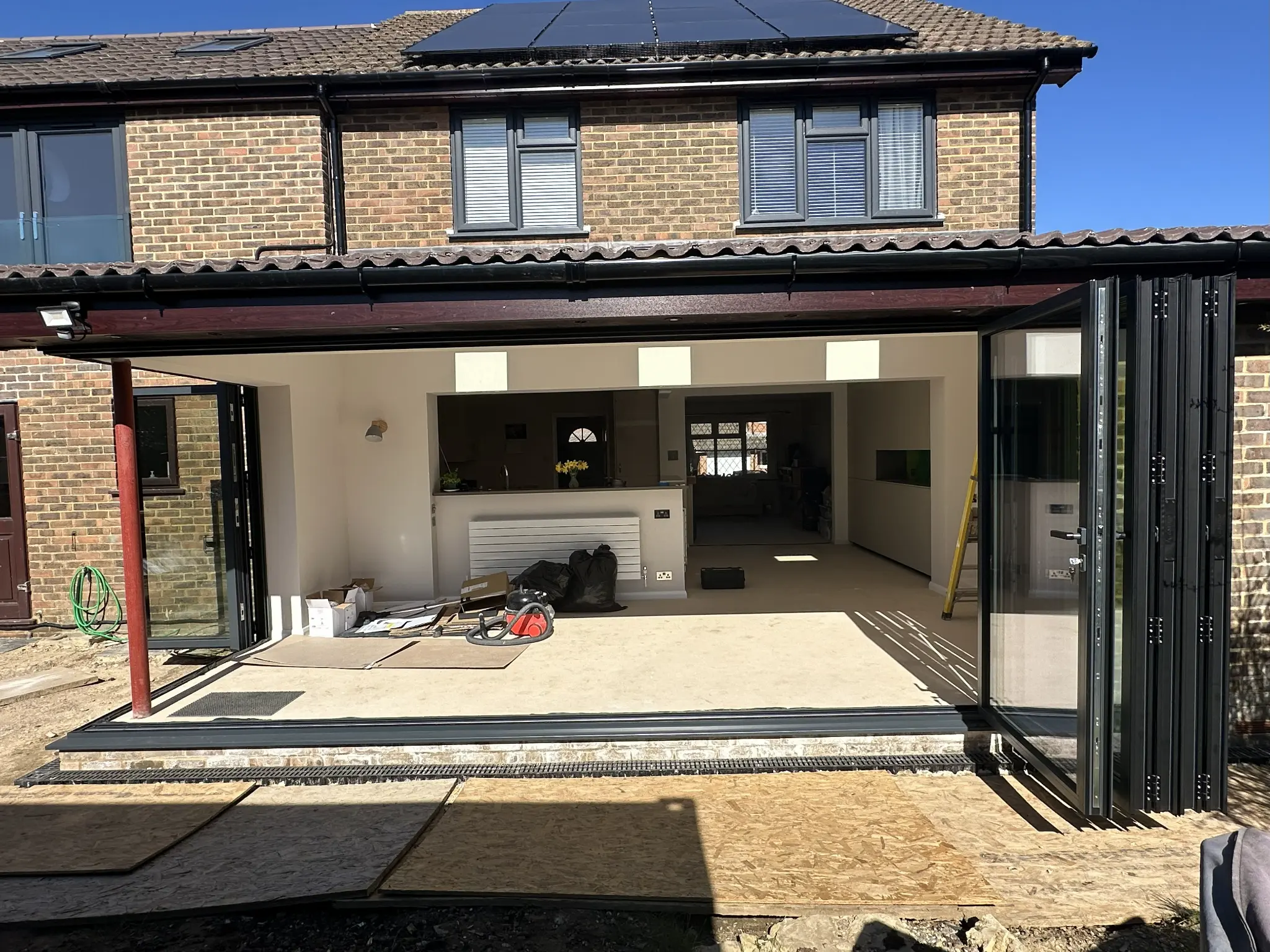
If your glazing is part of a larger project, such as a new extension, conservatory, or a new build property, the glazing itself is usually considered part of the overall development. In such cases, planning permission for the extension or new build will encompass the glazing elements, provided they are included in the submitted plans.
Rooflights and Velux Windows
Installing rooflights or Velux windows is usually permitted development, subject to certain conditions:
- They must not protrude more than 150mm above the plane of the existing roof slope.
- They must not be higher than the highest part of the roof.
- Side-facing windows in a roof must be obscure-glazed and non-opening below 1.7m above the floor level.
Again, these rights can be restricted in conservation areas or for Listed Buildings.
Pro Tip
When in doubt, always contact your local planning authority's duty planner. They can offer informal advice on whether your specific glazing project requires planning permission. This can save you time, money, and potential enforcement action later.
Building Regulations for Glazing Projects
Unlike planning permission, Building Regulations approval is almost always required for any new or replacement glazing work, even if it falls under Permitted Development. This is because Building Regulations focus on safety and performance.
Key Aspects Covered by Building Regulations (Part L, N, K, F)
- Part L (Conservation of Fuel and Power): This is arguably the most critical part for glazing. It dictates the thermal performance (U-value) of windows, doors, and rooflights to ensure energy efficiency.
- Part N (Glazing Safety): Specifies requirements for safety glazing in critical locations (e.g., low-level glazing, doors, adjacent to doors) to prevent injury from breakage.
- Part K (Protection from Falling, Collision and Impact): Relates to guarding and barriers, which can be relevant for large glazed areas or balconies.
- Part F (Ventilation): Ensures adequate ventilation, often requiring trickle vents in windows, especially in new builds or extensions.
Current UK Building Regulations Part L (2022 England) - U-Values
Meeting the thermal performance requirements is paramount. The lower the U-value, the better the insulation. Here are the current (2022 England) standards:
| Building Element | New Build & Extensions (W/m²K) | Replacement (W/m²K) |
|---|---|---|
| Walls | 0.18 | 0.18 |
| Floors | 0.18 | 0.18 |
| Roofs | 0.15 | 0.15 |
| Windows/Doors | 1.2 | 1.4 |
| Party Walls | 0.0 | 0.0 |
For replacement windows and doors, the U-value must be no worse than 1.4 W/m²K. For new build or extensions, it must be 1.2 W/m²K or better. These values are significantly more stringent than previous standards, reflecting a commitment to improved energy efficiency.
How to Obtain Building Regulations Approval
There are generally two routes:
- Full Plans Application: You submit detailed plans and specifications before work starts. The local authority checks them and issues an approval notice.
- Building Notice: For smaller, simpler projects, you can submit a Building Notice. This involves less paperwork upfront, but the local authority surveyor will inspect the work at various stages to ensure compliance.
Alternatively, if you use an installer registered with a competent person scheme (e.g., FENSA or CERTASS for windows and doors), they can self-certify that their work complies with Building Regulations. This avoids the need for a separate application to your local authority and they will issue a certificate of compliance directly.
Conservation Areas and Listed Buildings
These designations impose stricter controls on alterations to preserve the special architectural or historic interest of the area or building.
- Conservation Areas: Permitted Development Rights are often restricted. Even minor changes to windows and doors may require planning permission. The local authority will typically seek to ensure that new glazing matches the original in terms of material, style, and opening method.
- Listed Buildings: Any alteration, internal or external, requires Listed Building Consent. This is a separate consent from planning permission. Replacing a single pane of glass, changing ironmongery, or even painting frames a different colour can require consent. The emphasis is on retaining original features and using appropriate materials and techniques. Failure to obtain consent for work on a Listed Building could lead to enforcement action.
Always consult your local planning authority and a specialist conservation officer if your property is in a conservation area or is a Listed Building.
Consequences of Non-Compliance
Proceeding with glazing work without the necessary planning permission or Building Regulations approval can lead to significant problems:
- Enforcement Action: Your local authority can issue an enforcement notice, requiring you to alter or remove the non-compliant work. This can be costly and disruptive.
- Difficulty Selling Your Property: When you come to sell, your solicitor will ask for evidence of planning permission and Building Regulations compliance. Lack of these documents can delay or even jeopardise a sale. You may need to apply for retrospective approval, which is not guaranteed and can incur additional fees.
- Safety Risks: Non-compliant work may not meet safety standards, potentially putting occupants at risk.
- Insurance Issues: Your home insurance policy may be invalidated if work has been carried out without the necessary approvals.
Benefits of Compliant Glazing
Enhanced Energy Efficiency
Meeting Building Regulations Part L ensures your glazing contributes to a warmer home, lower energy bills, and reduced carbon footprint.
Increased Property Value
A fully compliant and well-executed glazing project adds tangible value to your property and makes it more attractive to potential buyers.
Improved Safety & Comfort
Adherence to Part N and K ensures your glazing is safe, durable, and provides adequate ventilation for a healthy living environment.
Peace of Mind
Knowing your project meets all legal requirements avoids potential enforcement issues, legal complications, and stress during future property transactions.
Final Considerations and Expert Advice
While this guide provides a comprehensive overview, every project is unique. Here are some final pieces of advice:
- Always Check: Before starting any work, verify the specific requirements with your local planning authority and Building Control department.
- Use Reputable Installers: Choose installers who are registered with competent person schemes (e.g., FENSA, CERTASS) for windows and doors. They can self-certify their work, saving you administrative hassle.
- Get Written Confirmation: If you are told that permission is not required, ask for this in writing to avoid future disputes.
- Consider Design: Even if planning permission isn't strictly needed, consider how new glazing will impact your property's overall aesthetic and that of the surrounding area.
For complex glazing projects, or if you are unsure about any aspect of the regulations, consulting with an architect, architectural technologist, or a specialist glazing company is highly recommended. Their expertise can ensure your project is compliant, aesthetically pleasing, and achieves your desired outcomes without unforeseen complications.
At Shard AG, we understand the intricacies of UK planning and Building Regulations for glazing. Our team of experts can guide you through the process, ensuring your project not only meets but often exceeds the required standards for performance, safety, and design. We work with homeowners across the UK to deliver high-quality, compliant glazing solutions, from bespoke architectural glass to energy-efficient windows and doors. Contact us today to discuss your project and benefit from our extensive knowledge and experience.
Explore Our Products
Discover how Shard Architectural Glazing can transform your home with our premium glazing solutions:
Ready to Transform Your Home?
Get in touch with our expert team for a free consultation and personalised quote. We'll help you choose the perfect glazing solution for your property.