

.jpg)
Glazing Projects: Understanding UK Planning Permission Rules
Navigating planning permission for glazing in the UK can be complex. This guide covers permitted development, building regulations, and when you need approval.

Shard Architectural Glazing
25 March 2026
Navigating planning permission for glazing in the UK can be complex. This guide covers permitted development, building regulations, and when you need approval.
📋In This Article
Undertaking a home improvement project involving new or replacement glazing can significantly enhance your property's aesthetics, energy efficiency, and overall value. However, before you embark on transforming your home with stunning new windows, bifold doors, or a contemporary glazed extension, it's crucial to understand the regulatory landscape. In the UK, this primarily involves two key areas: Planning Permission and Building Regulations Approval. While often confused, they serve distinct purposes, and understanding the difference is vital for a smooth, compliant project.
This comprehensive guide will demystify the requirements for glazing projects, helping you determine when you need formal approval, what factors are considered, and how to ensure your project proceeds without unexpected hurdles.
Planning Permission vs. Building Regulations: What's the Difference?
Before delving into specifics, let's clarify the fundamental distinction between these two critical regulatory frameworks:
- Planning Permission: This primarily concerns the appearance and use of buildings and land. It's about controlling development in the public interest, ensuring projects fit in with the local environment, don't negatively impact neighbours, and comply with local planning policies. For glazing, this often relates to changes in external appearance, size of openings, or the creation of new habitable space.
- Building Regulations Approval: This focuses on the structural integrity, health, safety, and energy performance of buildings. It ensures that construction work meets minimum standards for aspects like thermal efficiency, fire safety, ventilation, and structural stability. All new or replacement glazing, regardless of planning permission, must comply with relevant Building Regulations.
It's entirely possible for a project to require Building Regulations approval but not Planning Permission (e.g., replacing windows with similar ones), or to require both (e.g., building a large glazed extension).
Permitted Development Rights for Glazing Projects
Many common glazing projects can proceed under Permitted Development Rights (PDRs), meaning you won't need to apply for full planning permission. PDRs are a national grant of planning permission that allow certain types of development without a formal application, provided they meet specific criteria. However, these rights are not universal and come with important limitations.
Replacement Windows and Doors
Generally, replacing existing windows and doors with new ones of a similar appearance (material, style, and opening pattern) does not require planning permission, provided your property is not in a Conservation Area, National Park, Area of Outstanding Natural Beauty (AONB), or a Listed Building. Even in these designated areas, like-for-like replacement might be permissible, but it's always best to check with your Local Planning Authority (LPA).
- Material Changes: Switching from timber to uPVC, or vice-versa, might be acceptable under PDRs, but if the change significantly alters the character of the property or street scene, planning permission may be required.
- Enlarging Openings: Creating new window or door openings, or significantly enlarging existing ones, will typically require planning permission, as this constitutes a material alteration to the external appearance of the dwelling.
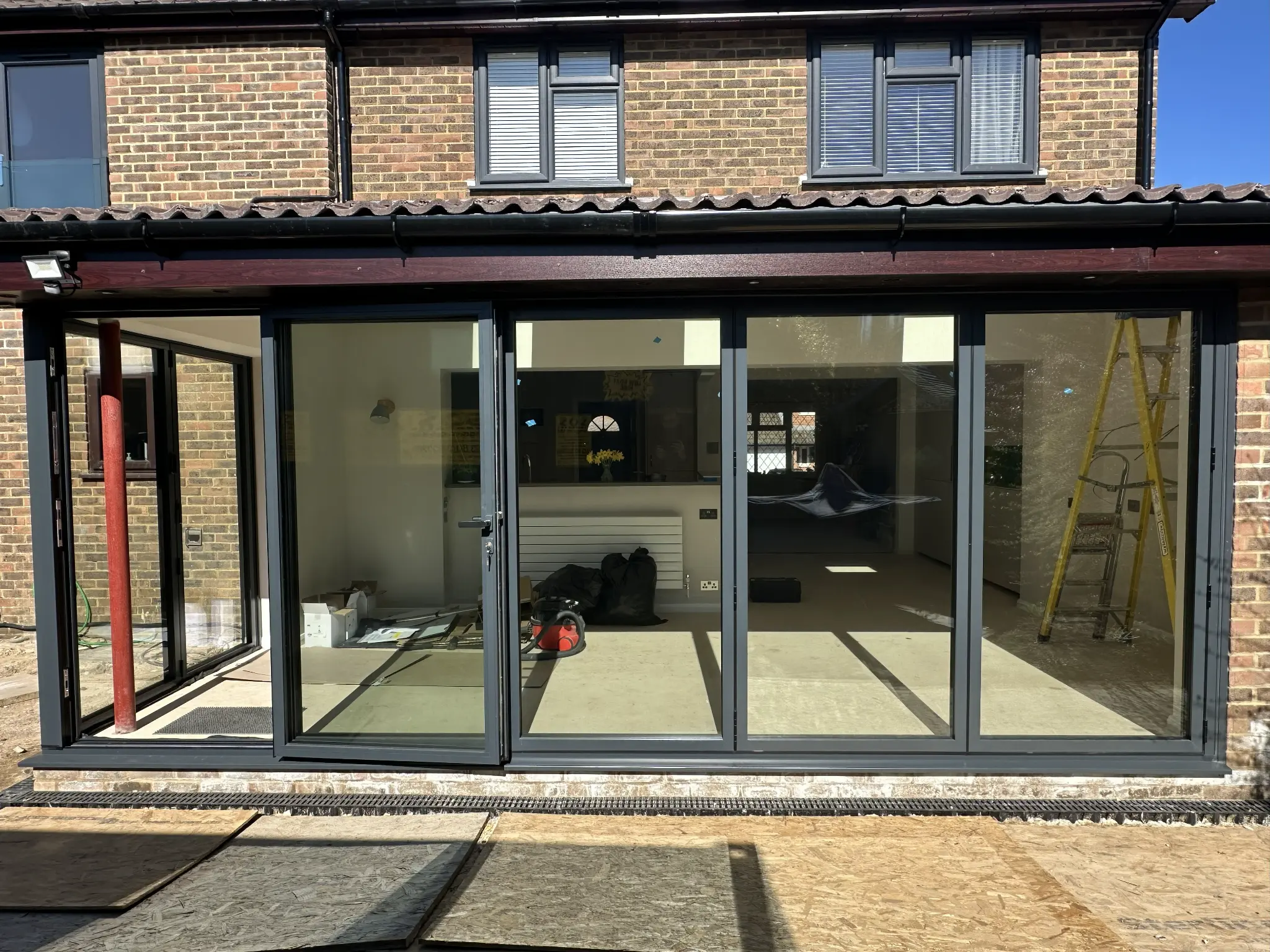
Glazed Extensions (Conservatories, Orangeries, Sunrooms)
Smaller glazed extensions often fall under PDRs, but there are strict conditions:
- Size Limitations: The extension must not cover more than half the area of the land around the 'original house' (as it was first built or stood on 1st July 1948).
- Rear Extensions: Single-storey rear extensions must not extend beyond the rear wall of the original house by more than 4 metres for a detached house or 3 metres for a semi-detached or terraced house. Larger extensions (up to 8m/6m respectively) are possible under a 'Neighbour Consultation Scheme', but this is a more involved process.
- Height Restrictions: Maximum height of 4 metres for single-storey extensions, or 3 metres if within 2 metres of a boundary. The eaves height must not exceed 3 metres if within 2 metres of a boundary.
- Side Extensions: Must be single-storey, no wider than half the width of the original house, and not exceed 3 metres in height.
- Front Extensions: Extensions to the front or side of the principal elevation (the front of the house) or where it fronts a highway are generally not permitted development.
- Materials: Materials used for the exterior of the extension should be similar in appearance to the existing house.
Pro Tip
Even if you believe your project falls under Permitted Development, it's highly recommended to apply for a Lawful Development Certificate (LDC) from your LPA. This provides formal confirmation that your proposed work is lawful, which can be invaluable when selling your property later on.
When Planning Permission is Almost Certainly Required
Beyond the limitations of PDRs, certain scenarios will almost always necessitate a full planning application:
- Listed Buildings: Any alteration to a Listed Building, inside or out, including replacing a single pane of glass, requires Listed Building Consent, which is a separate but related process to planning permission.
- Conservation Areas, AONBs, National Parks: These designated areas have stricter controls. Even minor changes to windows or doors may require planning permission to preserve the character of the area.
- Flats and Maisonettes: Permitted Development Rights generally do not apply to flats or maisonettes. Any external alterations will likely require planning permission.
- New Openings or Significant Enlargements: Creating a new window or door opening, or significantly enlarging an existing one, changes the external appearance of the property and typically requires permission.
- Properties with Article 4 Directions: Some LPAs remove PDRs for specific types of development in certain areas by issuing an 'Article 4 Direction'. Always check with your LPA.
- Commercial Properties: PDRs for residential properties do not apply to commercial buildings.
Building Regulations and Glazing Projects
Regardless of whether planning permission is needed, almost all glazing work must comply with UK Building Regulations. This is non-negotiable and ensures your home is safe, healthy, and energy-efficient.
Key Aspects of Building Regulations for Glazing:
- Thermal Performance (Part L): New and replacement windows and doors must meet stringent U-value requirements to minimise heat loss.
- Safety Glazing (Part K): Glass in critical locations (e.g., low-level glazing, doors, adjacent to doors) must be safety glass (toughened or laminated) to prevent injury.
- Ventilation (Part F): Adequate ventilation must be maintained, often requiring trickle vents in new windows.
- Fire Safety (Part B): Escape windows in certain rooms and at certain levels must meet minimum size and opening requirements.
- Structural Integrity (Part A): Any new openings or changes to existing ones must ensure the structural stability of the building.
Energy Efficiency
Modern glazing significantly reduces heat loss, lowering energy bills and carbon footprint.
Enhanced Security
Advanced locking systems and robust frames provide better protection against intruders.
Increased Property Value
High-quality, compliant glazing adds aesthetic appeal and market value to your home.
Improved Comfort
Better insulation reduces draughts and external noise, creating a more comfortable indoor environment.
Current UK Building Regulations Part L (Conservation of Fuel and Power) Values (England, 2022):
These are the maximum U-values permitted for new and replacement elements:
| Building Element | New Build & Extensions (W/m²K) | Replacement (W/m²K) |
|---|---|---|
| Walls | 0.18 | N/A (often 0.28 for existing) |
| Floors | 0.18 | N/A |
| Roofs | 0.15 | N/A |
| Windows/Doors | 1.2 | 1.4 |
| Party Walls | 0.0 | N/A |
Note: For replacement walls, floors, and roofs, the requirements are typically for achieving a 'reasonable' standard, often less stringent than new build, but still a significant improvement. Always consult with Building Control.
How to Obtain Building Regulations Approval:
There are two main routes:
- Full Plans Application: Submit detailed plans and specifications to your LPA's Building Control department before work starts. They will check for compliance and issue an approval notice.
- Building Notice: For minor works, you can submit a Building Notice. This is less detailed but means the Building Control surveyor will inspect the work at various stages to ensure compliance.
Alternatively, if you use a FENSA or CERTASS registered installer for windows and doors, they can self-certify that their work complies with Building Regulations, saving you the need to apply directly to Building Control. This is generally the most straightforward route for homeowners.
The Application Process and Key Considerations
Consultation is Key
The first and most important step for any significant glazing project is to consult your Local Planning Authority (LPA) and Building Control department. They can provide specific advice tailored to your property and local area. Websites like the Planning Portal (www.planningportal.co.uk) offer excellent resources and guidance.
What Information Will You Need?
For a planning application, you'll typically need:
- Completed application form.
- Site location plan and block plan.
- Existing and proposed elevations and floor plans.
- Design and Access Statement (for larger or more complex projects).
- Relevant fees.
For Building Regulations, detailed specifications of the glazing products (U-values, safety glass designations, ventilation details) will be required.
Potential Challenges and How to Mitigate Them
- Neighbour Objections: Planning applications are publicised, and neighbours have the right to comment. Consider discussing your plans with neighbours early to address concerns.
- Design Conflicts: Ensure your proposed glazing complements the existing architecture and local street scene.
- Conservation Area Restrictions: Be prepared for stricter material and design requirements in designated areas.
- Cost and Time: Planning applications can take 8-13 weeks (or longer for complex cases). Factor this into your project timeline and budget.
Final Thoughts and Expert Advice
Navigating the complexities of planning permission and Building Regulations for glazing projects can seem daunting, but with careful planning and professional guidance, it's a manageable process. The key is to undertake thorough research and engage with the relevant authorities early in your project.
Always remember that non-compliance with planning permission can lead to enforcement action, potentially requiring you to alter or even remove the work. Non-compliance with Building Regulations could result in safety hazards, reduced energy efficiency, and difficulties when you come to sell your property.
For peace of mind and to ensure your glazing project is a success, it is always advisable to work with experienced professionals. Architects, planning consultants, and reputable glazing installers can offer invaluable expertise, guiding you through the regulatory maze and ensuring your new glazing not only looks fantastic but also meets all necessary legal and safety standards.
At Shard AG, we understand the intricacies of UK planning permission and Building Regulations. Our team of experts can provide guidance on your specific project, helping you select compliant, high-performance glazing solutions that enhance your home. We work with homeowners across the UK, offering a range of bespoke windows, doors, and glazed extensions, all designed and installed to the highest standards and in full compliance with current regulations. Contact us today to discuss your vision and ensure your project starts on the right foot.
Explore Our Products
Discover how Shard Architectural Glazing can transform your home with our premium glazing solutions:
Ready to Transform Your Home?
Get in touch with our expert team for a free consultation and personalised quote. We'll help you choose the perfect glazing solution for your property.