


Maintaining Glass Doors: A UK Homeowner's Guide to Longevity
Discover essential maintenance tips for glass doors in your UK home. Learn about cleaning, hardware care, and regulatory compliance to ensure durability and performance.

Shard Architectural Glazing
25 March 2026
Discover essential maintenance tips for glass doors in your UK home. Learn about cleaning, hardware care, and regulatory compliance to ensure durability and performance.
📋In This Article
- Understanding Your Glass Doors: Types and Components
- Routine Cleaning for Sparkling Glass and Healthy Frames
- Hardware and Seal Maintenance: Ensuring Smooth Operation and Weatherproofing
- Understanding Thermal Performance and UK Building Regulations
- Common Issues and Troubleshooting
- Benefits of Diligent Maintenance
- When to Call a Professional
- Conclusion
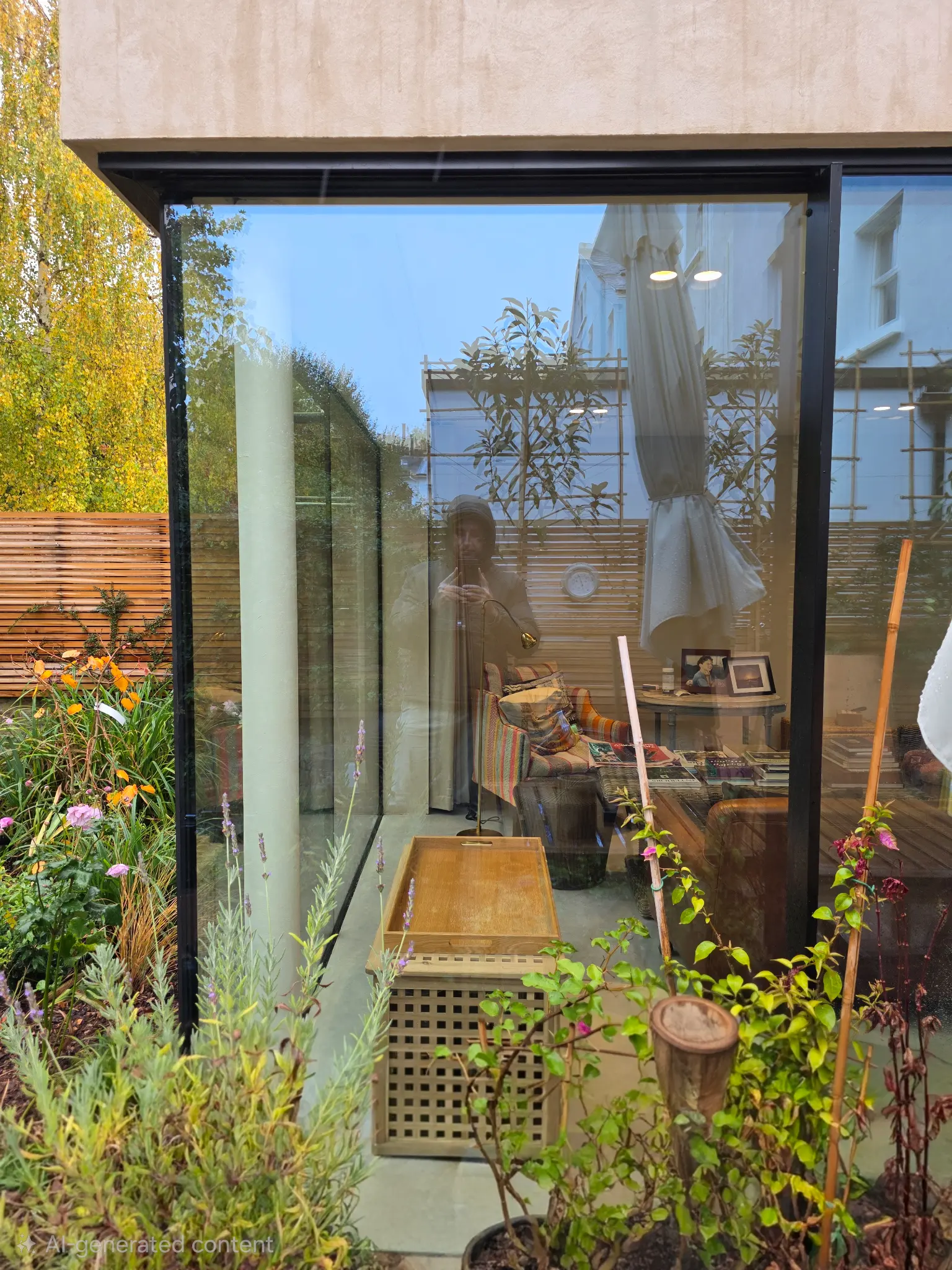
Glass doors are a stunning architectural feature, bringing light, space, and modern aesthetics to any home. From elegant bifold doors connecting indoor and outdoor living, to sleek sliding doors offering panoramic views, and classic French doors adding charm, their appeal is undeniable. However, like any significant home investment, glass doors require proper care and maintenance to ensure their longevity, optimal performance, and continued aesthetic appeal. This comprehensive guide provides UK homeowners with expert advice on maintaining their glass doors, covering everything from routine cleaning to understanding technical specifications and regulatory compliance.
Understanding Your Glass Doors: Types and Components
Before delving into maintenance, it's crucial to understand the different types of glass doors and their key components. This knowledge will help you identify specific maintenance needs.
Common Types of Glass Doors in UK Homes:
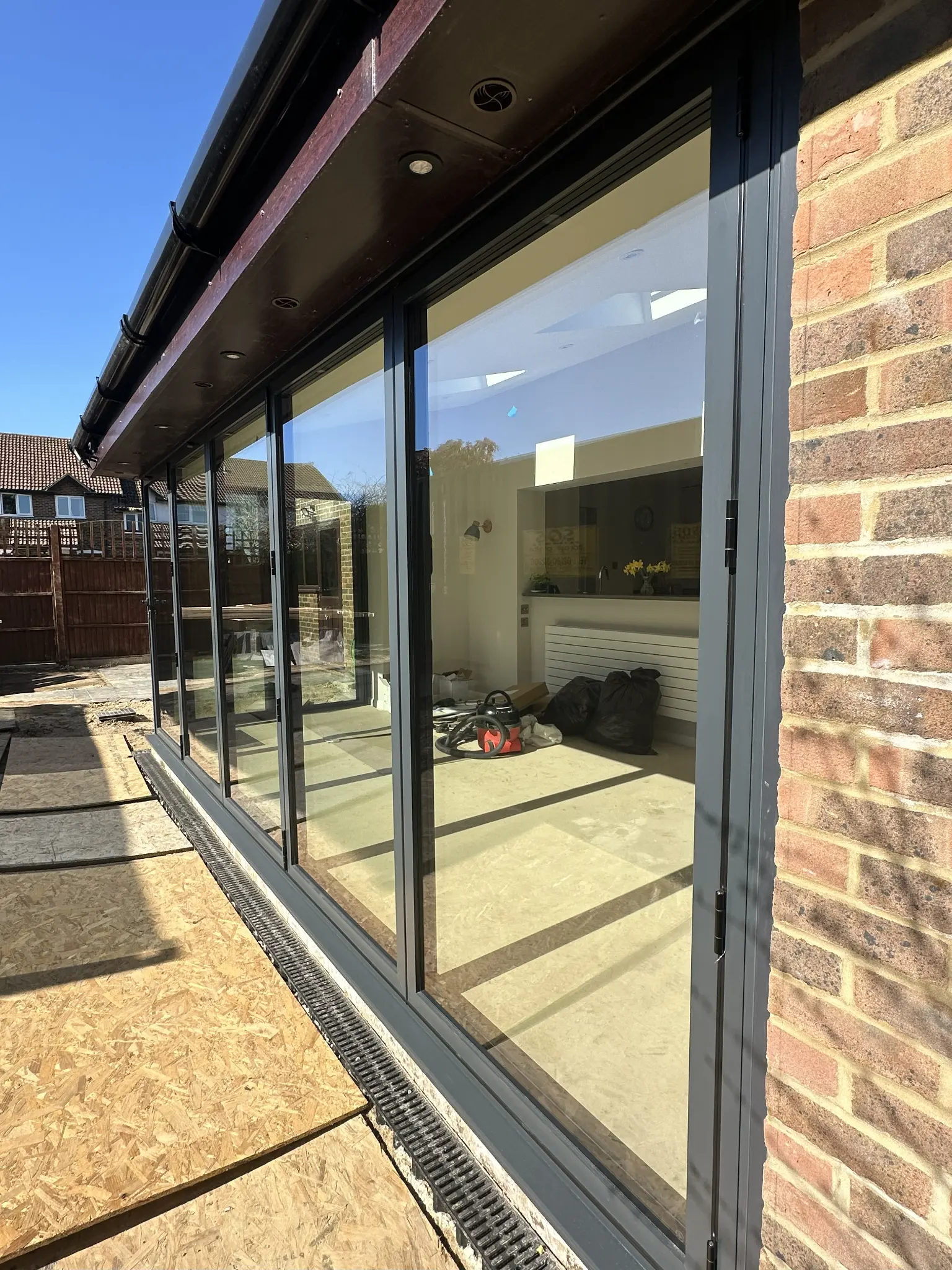
- Bifold Doors: These doors fold back in a concertina style, creating a wide opening. They rely on complex tracking and hinge systems.
- Sliding Doors (Patio Doors): Operating on a track, these doors slide horizontally. They can be inline or lift-and-slide, with the latter offering superior thermal performance and security.
- French Doors: Traditional hinged double doors, often opening outwards, known for their classic aesthetic.
- Internal Glass Doors: Used within the home to divide spaces while maintaining light flow, often featuring frameless designs or minimalist frames.
- Roof Lanterns & Skylights: While not strictly 'doors', these overhead glazing elements share similar maintenance needs for their glass and frames.
Key Components Requiring Attention:
- Glass Panels: Typically toughened or laminated safety glass, often double or triple glazed for thermal efficiency.
- Frames: Commonly made from aluminium, uPVC, or timber. Each material has distinct maintenance requirements.
- Hardware: Includes hinges, rollers, tracks, locks, handles, and operating mechanisms.
- Seals and Gaskets: Rubber or silicone components that provide weatherproofing and thermal insulation.
- Drainage Systems: Small channels and weep holes designed to allow water to escape from the frame, preventing ingress.

Routine Cleaning for Sparkling Glass and Healthy Frames
Regular cleaning is the cornerstone of glass door maintenance. It not only keeps your doors looking their best but also prevents the build-up of dirt and grime that can compromise performance.
Cleaning the Glass:
- Frequency: At least once a month for external doors, and as needed for internal doors. More frequently in coastal or high-pollution areas.
- Method: Use warm water mixed with a mild, non-abrasive detergent (e.g., washing-up liquid) or a specialist glass cleaner. Apply with a soft cloth or sponge.
- Avoid: Abrasive cleaners, scourers, or harsh chemicals (like ammonia-based products) that can scratch the glass or damage coatings.
- Finish: For a streak-free shine, use a squeegee or microfibre cloth. Wipe in overlapping strokes and clean the blade after each pass.
- Stubborn Marks: For tougher stains like bird droppings or tree sap, soak the area with warm, soapy water before gently wiping. Avoid scraping with sharp objects.
Cleaning the Frames:
- Aluminium Frames: These are highly durable and low maintenance. Clean with warm, soapy water and a soft cloth. Avoid abrasive cleaners. For anodised or powder-coated finishes, ensure the cleaner is pH neutral to prevent damage.
- uPVC Frames: Similar to aluminium, uPVC can be cleaned with warm, soapy water. Specialist uPVC cleaners are available for more stubborn stains, but always test on an inconspicuous area first. Avoid solvents or abrasive pads.
- Timber Frames: Timber requires more specific care. Clean with a damp cloth and mild detergent. Regularly check for signs of flaking paint or varnish, which may indicate a need for re-finishing to protect the wood from moisture ingress.
Pro Tip
When cleaning glass, choose a cloudy day. Direct sunlight can cause cleaning solutions to dry too quickly, leaving streaks. Always clean from top to bottom to prevent drips from running over already cleaned surfaces.
Hardware and Seal Maintenance: Ensuring Smooth Operation and Weatherproofing
The moving parts and sealing components of your glass doors are critical for their functionality, security, and energy efficiency. Neglecting these can lead to operational issues, draughts, and higher energy bills.
Tracks and Rollers (Bifold & Sliding Doors):
- Cleaning: Regularly vacuum or wipe down tracks to remove dirt, dust, and debris. Small stones or grit can impede movement and damage rollers.
- Lubrication: Apply a silicone-based spray lubricant (never oil or grease, which attract dirt) to rollers and hinges every 6-12 months. This ensures smooth operation and reduces wear.
- Inspection: Check for any signs of wear, damage, or misalignment in the rollers and tracks. If doors are stiff or juddering, adjustment or replacement may be needed.
Hinges (French & Bifold Doors):
- Cleaning: Wipe hinges clean with a damp cloth to remove dust and grime.
- Lubrication: A light application of silicone spray or a non-acidic lubricant can keep hinges operating smoothly.
- Tightening: Periodically check and gently tighten any loose screws on hinges. Be careful not to overtighten, which can strip the screw threads.
Locks and Handles:
- Lubrication: Apply a small amount of graphite powder or a specialist lock lubricant to the keyhole and locking mechanism annually. Avoid oil-based lubricants as they can attract dust.
- Functionality: Ensure handles operate smoothly and locks engage securely. If they feel stiff, lubrication is usually the first step.
Seals and Gaskets:
- Cleaning: Wipe down rubber or silicone seals with warm, soapy water to remove dirt and prevent hardening.
- Inspection: Check for any signs of perishing, cracking, or shrinkage. Damaged seals can lead to draughts, water ingress, and reduced thermal performance. If seals are compromised, they should be replaced by a professional.
Drainage Systems (Weep Holes):
- Cleaning: Ensure that the small drainage holes (weep holes) at the bottom of the door frames are clear of obstructions. Use a small, non-metallic tool (e.g., a pipe cleaner or thin plastic rod) to gently clear any blockages. Blocked weep holes can lead to water accumulation within the frame, potentially causing damage and compromising insulation.
Understanding Thermal Performance and UK Building Regulations
Modern glass doors are designed for excellent thermal performance, contributing significantly to your home's energy efficiency. Understanding the relevant UK Building Regulations is crucial, especially if you're considering new installations or replacements.
U-Values Explained:
The U-value measures how effectively a component (like a window or door) prevents heat from escaping. A lower U-value indicates better insulation and thermal performance. It's measured in Watts per square metre Kelvin (W/m²K).
UK Building Regulations Part L (Conservation of Fuel and Power) 2022 – England:
These regulations set minimum performance standards for thermal efficiency. When installing new or replacement glass doors, they must comply with these U-value requirements:
- New Build Homes: For new dwellings, the target U-value for windows and doors (including glass doors) is typically 1.2 W/m²K.
- Existing Homes (Replacement Doors): For replacement windows and doors in existing dwellings, the maximum U-value allowed is 1.4 W/m²K.
It is important to note that these are minimum standards. Many high-performance glass doors, especially those with triple glazing or advanced thermal breaks in their frames, can achieve significantly lower U-values, further enhancing energy efficiency.
Compliance and Professional Advice:
When undertaking any significant work involving glass doors, it is advisable to consult with your local Building Control body or a qualified FENSA/CERTASS registered installer. They can ensure that your chosen doors meet the current regulatory requirements and that the installation is carried out to the necessary standards. Failure to comply with Building Regulations could affect the sale of your property in the future.
Common Issues and Troubleshooting
Even with regular maintenance, glass doors can sometimes develop issues. Here's how to identify and address some common problems:
Draughts or Leaks:
- Cause: Often due to perished or damaged seals/gaskets, or misaligned doors. Blocked weep holes can also cause water ingress.
- Solution: Inspect seals for damage and replace if necessary. Check door alignment and adjust hinges or rollers. Clear any blocked weep holes.
Stiff or Sticking Operation:
- Cause: Accumulation of dirt in tracks, lack of lubrication, or worn rollers/hinges.
- Solution: Thoroughly clean tracks and rollers. Apply silicone lubricant. If the problem persists, rollers or hinges may need professional adjustment or replacement.
Condensation Between Glass Panes:
- Cause: This indicates a failure of the sealed unit (the double or triple glazing). The inert gas (e.g., argon) between the panes has escaped, and moist air has entered.
- Solution: Unfortunately, a failed sealed unit cannot be repaired; the entire glass unit needs to be replaced. This is a job for a professional glazier.
Difficulty Locking:
- Cause: Misalignment of the door, worn locking mechanisms, or debris in the lock.
- Solution: Check door alignment. Clean and lubricate the lock mechanism. If the issue persists, a professional locksmith or door technician should inspect it.
Benefits of Diligent Maintenance
Investing time in the proper maintenance of your glass doors offers numerous advantages for your home and your wallet.
Extended Lifespan
Regular cleaning and lubrication prevent wear and tear on components, significantly extending the operational life of your doors and delaying costly replacements.
Enhanced Energy Efficiency
Well-maintained seals and properly functioning hardware ensure optimal thermal performance, preventing heat loss and reducing your energy bills.
Improved Security
Functional locks, sturdy frames, and secure glass units are vital for your home's security. Maintenance helps ensure these critical elements remain robust.
Maintained Aesthetic Appeal
Sparkling clean glass and well-kept frames preserve the visual impact of your doors, enhancing your home's curb appeal and interior design.
When to Call a Professional
While much of glass door maintenance can be handled by homeowners, some situations warrant professional intervention. It's always better to seek expert help than to risk further damage or compromise safety.
- Persistent operational issues: If doors are consistently stiff, difficult to open/close, or misaligned despite cleaning and lubrication.
- Failed sealed units: Condensation between the panes means the glass unit needs replacing.
- Damaged or cracked glass: Any damage to safety glass should be addressed immediately for safety and security.
- Compromised security: If locks are faulty or frames are damaged in a way that affects security.
- Major frame damage: Significant dents, warping, or corrosion that affects the structural integrity or weatherproofing.
- Building Regulations compliance: For new installations or major replacements, ensure you engage a FENSA/CERTASS registered installer to guarantee compliance.
Conclusion
Glass doors are a fantastic addition to any UK home, offering both beauty and functionality. By following these comprehensive maintenance tips, you can ensure your glass doors remain a source of pride, performing efficiently and looking their best for many years to come. Regular care, attention to detail, and knowing when to call in the experts will protect your investment and enhance your living environment.
For expert advice on high-performance glass doors, or if you require professional assistance with maintenance, repairs, or new installations that comply with the latest UK Building Regulations, consider consulting with specialists like Shard AG. Our team is dedicated to providing quality glazing solutions tailored to your home's needs.
Explore Our Products
Discover how Shard Architectural Glazing can transform your home with our premium glazing solutions:
Ready to Transform Your Home?
Get in touch with our expert team for a free consultation and personalised quote. We'll help you choose the perfect glazing solution for your property.