

Maximising Light & Efficiency: Glazing for UK Home Extensions
Discover expert tips for choosing the right glazing for your UK home extension. Understand Building Regulations, U-values, and design considerations for a bright, efficient space.

Shard Architectural Glazing
21 March 2026
Discover expert tips for choosing the right glazing for your UK home extension. Understand Building Regulations, U-values, and design considerations for a bright, efficient space.
📋In This Article
Extending your home is an exciting project, offering the chance to create more space, enhance functionality, and add significant value. A critical element in any modern extension, particularly in the UK, is the glazing. Windows, doors, and specialist glass structures like rooflights and bifold doors play a pivotal role in dictating natural light, thermal performance, and the overall aesthetic of your new space. Making informed decisions about glazing can transform your extension from merely an added room into a bright, comfortable, and energy-efficient living area.
This guide will delve into the essential considerations for glazing your home extension, covering everything from design choices and thermal efficiency to UK Building Regulations and practical installation tips. Our aim is to provide you with the knowledge needed to make the best choices for your project, ensuring your extension is not only beautiful but also performs optimally.
Understanding Glazing Options for Extensions
The variety of glazing products available today is vast, each offering distinct advantages in terms of aesthetics, functionality, and performance. Choosing the right combination for your extension will depend on its design, orientation, and your specific requirements for light, ventilation, and access.
Windows
- Casement Windows: The most common type in the UK, offering excellent ventilation and thermal performance. They typically open outwards on hinges.
- Tilt & Turn Windows: Popular for their dual functionality, allowing them to tilt inwards for ventilation or open fully for cleaning and egress.
- Sliding Sash Windows: Often chosen for period properties or extensions seeking a traditional aesthetic, though modern versions offer improved thermal efficiency.
- Fixed Panes: Ideal for maximising light where ventilation isn't required, offering excellent thermal performance due to their sealed nature.
Doors
- French Doors: A classic choice, offering a wide opening and elegant appearance, often used in pairs.
- Sliding Patio Doors: Space-saving as they don't require outward or inward swing, ideal for wider openings and contemporary designs.
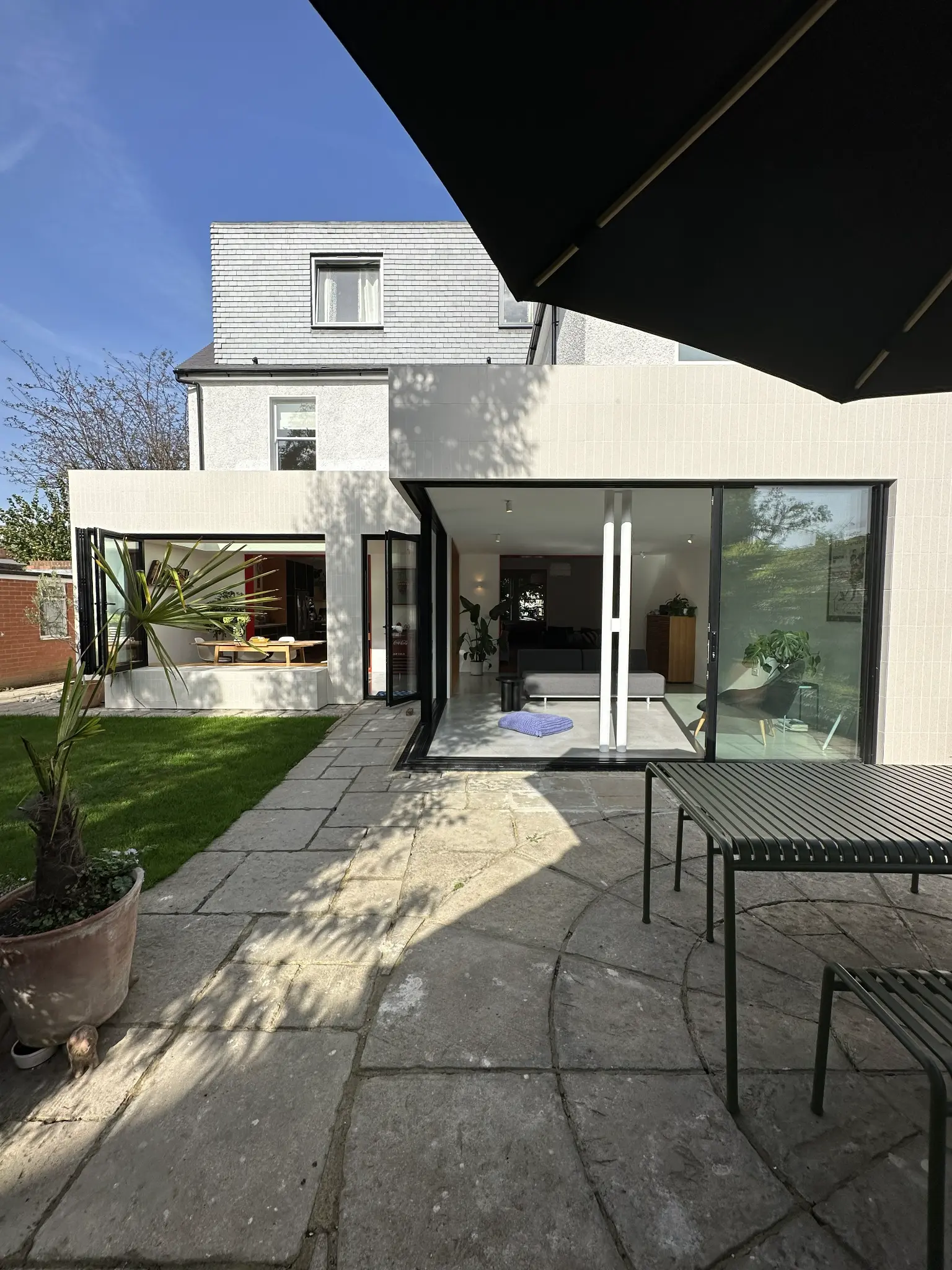
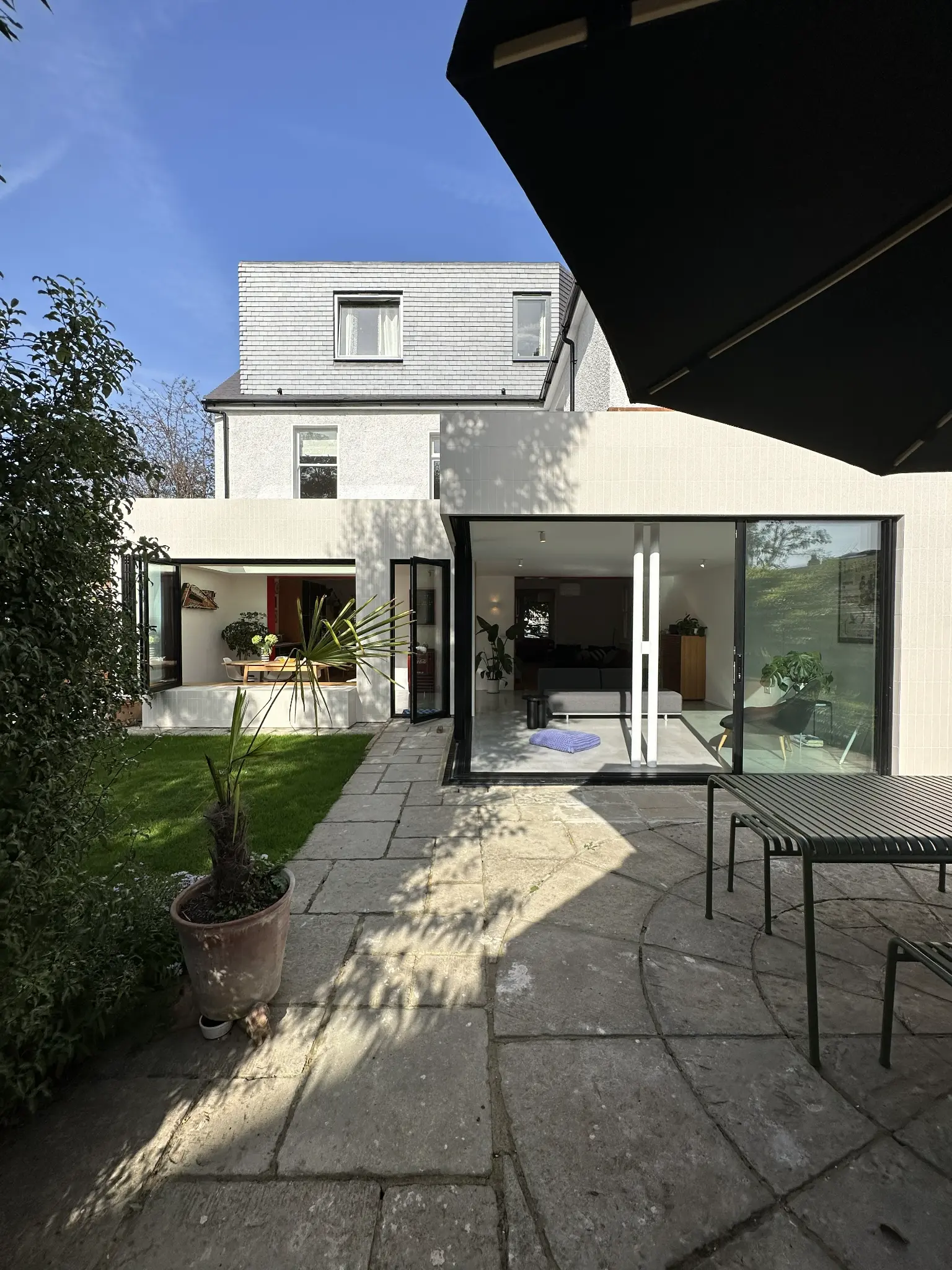
- Bifold Doors: Offer the ultimate open-plan living experience, folding back to create a seamless transition between indoor and outdoor spaces. They can be a significant investment but offer unparalleled flexibility.
- Single Glazed Doors: Often used as side or utility doors, offering a more traditional entry point.
Specialist Glazing
- Rooflights/Skylights: Essential for bringing natural light into deeper plan extensions or rooms with limited wall space for vertical windows. Available in various forms, including flat, domed, or pitched.
- Lantern Roofs: A more architectural statement, providing a central feature and an abundance of overhead light, often seen in kitchen extensions.
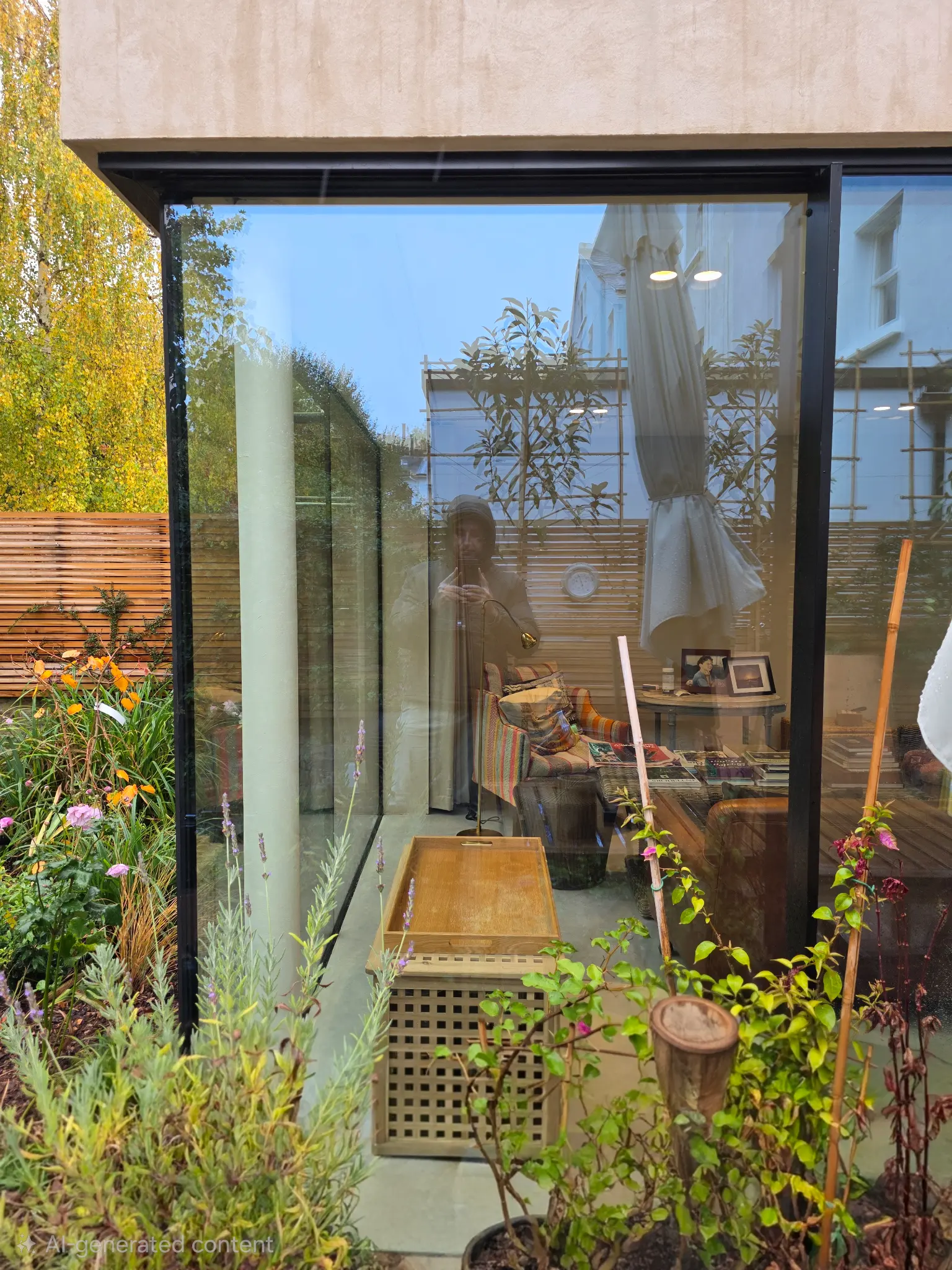
- Glass Walls/Curtain Walling: For truly contemporary designs, creating expansive, uninterrupted views and maximising natural light.

Thermal Performance and UK Building Regulations (Part L)
One of the most critical aspects of glazing for any new extension is its thermal performance. Poorly insulated glazing can lead to significant heat loss, increased energy bills, and an uncomfortable living environment. In the UK, this is governed by Part L of the Building Regulations, which sets minimum standards for the energy efficiency of buildings.
The key metric for measuring thermal performance is the U-value, expressed in Watts per square metre Kelvin (W/m²K). A lower U-value indicates better insulation and less heat loss. For extensions in England, the current (2022) Building Regulations Part L specify the following U-values:
- New Build & Extension Walls: 0.18 W/m²K
- Floors: 0.18 W/m²K
- Roofs: 0.15 W/m²K
- Windows/Doors (New Build): 1.2 W/m²K
- Windows/Doors (Replacement): 1.4 W/m²K
It's crucial that all glazing specified for your extension meets or exceeds these U-value requirements. Modern double glazing typically achieves U-values around 1.2-1.4 W/m²K, while high-performance triple glazing can achieve values as low as 0.8 W/m²K or even lower. Consider the overall balance between the glazed and opaque elements of your extension. While large expanses of glass are desirable for light, they can impact the overall thermal performance if not specified correctly.
Pro Tip
When planning a large glazed area, such as a wall of bifold doors, consider working with your architect or builder to demonstrate compliance with Building Regulations using the 'Target Fabric Energy Efficiency (TFEE)' method. This allows for some flexibility, where a slightly higher U-value in one area (e.g., large glazing) can be offset by superior insulation elsewhere in the extension (e.g., walls or roof).
Design Considerations and Aesthetics
Beyond thermal performance, the aesthetic impact of your chosen glazing is paramount. It should complement the architectural style of both your existing home and the new extension, while also fulfilling your functional needs.
Frame Materials
The material of your window and door frames significantly influences both appearance and performance:
- uPVC (Unplasticised Polyvinyl Chloride): Cost-effective, low maintenance, and offers good thermal performance. Available in various colours and finishes.
- Aluminium: Strong, lightweight, and allows for very slim frames, maximising glass area. Excellent for contemporary designs and large spans like bifold doors. It's durable and low maintenance.
- Timber: Offers a natural, traditional aesthetic. Requires more maintenance but can be painted or stained. Excellent thermal properties if well-constructed.
- Composite (Timber-Aluminium/Timber-uPVC): Combines the best of both worlds, often timber internally for warmth and aluminium externally for durability and low maintenance.
Glazing Type
- Double Glazing: The standard for modern extensions, consisting of two panes of glass separated by a sealed gap filled with an inert gas (like argon) to improve insulation.
- Triple Glazing: Offers superior thermal performance with three panes of glass and two gas-filled gaps, ideal for achieving very low U-values in highly energy-efficient designs.
- Low-E Glass: Features a microscopic metallic coating that reflects heat back into the room, significantly improving thermal efficiency without reducing light transmission. This is standard for most modern double and triple glazing.
- Solar Control Glass: Designed to reduce solar heat gain, preventing overheating in south-facing extensions with large glazed areas.
- Self-Cleaning Glass: Features a special coating that uses sunlight and rain to break down and wash away dirt, reducing maintenance.
Security
Glazing in extensions should always incorporate robust security features. Look for multi-point locking systems, internal glazing beads (where the glass is held in place from the inside), and toughened or laminated glass in vulnerable locations. Compliance with PAS 24 (Publicly Available Specification) standards indicates a high level of security.
Practical Considerations and Installation
The success of your extension glazing project hinges on careful planning and professional installation.
Orientation and Shading
Consider the orientation of your extension. South-facing glazing will maximise natural light but can lead to overheating in summer if not managed. North-facing glazing provides consistent, diffused light but can feel colder. Incorporate shading solutions like overhangs, external blinds, or solar control glass to manage solar gain and glare effectively.
Ventilation
Ensure adequate ventilation is designed into your glazing scheme. This can be achieved through opening windows, trickle vents (small vents built into the window frame), or mechanical ventilation systems. Cross-ventilation is key to preventing condensation and maintaining good indoor air quality.
Acoustics
If your extension is near a noisy road or railway, consider acoustic glazing. This typically involves thicker glass, a wider gap between panes, or laminated glass to reduce sound transmission.
Installation
Always use reputable, certified installers. FENSA or CERTASS accreditation for window and door installers ensures they meet current Building Regulations and offer consumer protection. For more complex glazing, such as large bifold doors or roof lanterns, ensure the installer has specific experience with these products.
Enhanced Natural Light
Thoughtfully designed glazing floods your extension with daylight, reducing the need for artificial lighting and creating a brighter, more inviting atmosphere.
Improved Thermal Efficiency
Modern, high-performance glazing, meeting UK Building Regulations, significantly reduces heat loss, leading to lower energy bills and a more comfortable home.
Seamless Indoor-Outdoor Living
Options like bifold or sliding doors create an open, fluid connection between your extension and garden, perfect for entertaining and enjoying the outdoors.
Increased Property Value
A well-designed, energy-efficient extension with quality glazing adds significant appeal and value to your home, making it more attractive to potential buyers.
Cost vs. Value: Making an Informed Investment
The cost of glazing for an extension can vary significantly depending on the type, size, material, and performance specifications. While it might be tempting to opt for the cheapest option, it's crucial to view glazing as a long-term investment.
| Glazing Type | Typical U-value (W/m²K) | Pros | Cons | Typical UK Cost (Supply & Fit) |
|---|---|---|---|---|
| Standard Double Glazing (uPVC) | 1.2 - 1.4 | Cost-effective, good thermal performance, low maintenance | Less premium aesthetic than other materials | £400 - £700 per m² |
| High-Performance Double Glazing (Aluminium) | 1.0 - 1.2 | Slim frames, modern aesthetic, durable, low maintenance | Higher upfront cost than uPVC | £700 - £1,200 per m² |
| Triple Glazing (uPVC/Aluminium) | 0.8 - 1.0 | Superior thermal performance, excellent sound insulation | Higher cost, heavier frames, slightly reduced light transmission | £800 - £1,500 per m² |
| Bifold Doors (Aluminium) | 1.2 - 1.4 | Large openings, seamless indoor-outdoor flow, modern look | Significant investment, requires structural support, can be prone to overheating if not shaded | £1,000 - £2,500 per linear metre |
| Rooflights/Skylights | 1.0 - 1.4 | Maximise overhead light, suitable for deep plans | Can be prone to glare/overheating, cleaning can be difficult | £500 - £2,000 per unit (depending on size/type) |
Note: Costs are indicative and can vary based on supplier, installation complexity, location, and specific features. Always obtain multiple quotes.
Investing in higher quality, more energy-efficient glazing will pay dividends in the long run through reduced energy bills and a more comfortable, valuable home. Always balance the initial outlay with the lifetime performance and benefits.
Navigating Building Regulations and Planning
Any extension project in the UK will be subject to Building Regulations, and potentially Planning Permission. While glazing choices are primarily governed by Building Regulations Part L (Conservation of Fuel and Power), it's important to understand the broader context.
- Building Regulations Approval: This is mandatory for extensions. Your chosen glazing must meet the specified U-values. Your builder or architect will typically handle the application to your local Building Control body. They will inspect the work at various stages to ensure compliance.
- Planning Permission: While many extensions fall under 'Permitted Development' rights, larger or more complex projects, or those in conservation areas or on listed buildings, will require full planning permission. Planning departments may have specific requirements regarding the appearance, proportion, and materials of glazing, especially if the extension is visible from a public highway or impacts the character of the area. Always check with your local planning authority early in the design process.
- Party Wall Act: If your extension is built close to or on a boundary with a neighbour, the Party Wall Act 1996 may apply. While not directly related to glazing, it's an important legal consideration for any extension project.
It is always advisable to engage with an architect, structural engineer, and your local Building Control body early in your project. They can provide specific advice tailored to your property and ensure all aspects of your glazing design comply with relevant regulations and standards.
Choosing the right glazing for your home extension is a complex but rewarding process. By carefully considering thermal performance, aesthetic appeal, security, and compliance with UK Building Regulations, you can create an extension that is not only visually stunning but also a comfortable, energy-efficient, and valuable addition to your home.
At Shard AG, we specialise in providing high-performance architectural glazing solutions for home extensions across the UK. Our expert team can guide you through the options, ensuring your glazing meets both your design aspirations and the stringent requirements of UK Building Regulations. From sleek bifold doors to bespoke rooflights, we offer a range of premium products designed to enhance your living space. Contact us today to discuss your extension project and discover how our tailored glazing solutions can bring your vision to life.
Explore Our Products
Discover how Shard Architectural Glazing can transform your home with our premium glazing solutions:
Ready to Transform Your Home?
Get in touch with our expert team for a free consultation and personalised quote. We'll help you choose the perfect glazing solution for your property.