
Maximising Light & Efficiency: Glazing for Your UK Extension
Discover expert tips for choosing the right glazing for your home extension in the UK. Learn about Building Regulations, U-values, and design considerations.

Shard Architectural Glazing
31 March 2026
Discover expert tips for choosing the right glazing for your home extension in the UK. Learn about Building Regulations, U-values, and design considerations.
📋In This Article
Extending your home is an exciting project, offering the chance to create new, vibrant spaces tailored to your lifestyle. A critical element in any extension design, particularly in the UK, is glazing. The right windows, doors, and rooflights can transform a space, flooding it with natural light, enhancing views, and significantly impacting energy efficiency and comfort. However, navigating the myriad of options and complying with UK Building Regulations can be complex. This guide provides comprehensive, expert tips to help you make informed decisions about glazing for your home extension.
Understanding UK Building Regulations for Glazing
When planning a home extension in the UK, compliance with Building Regulations is paramount. Specifically, Part L (Conservation of Fuel and Power) sets strict standards for the thermal performance of building elements, including glazing. These regulations are designed to ensure new constructions and extensions are energy-efficient, reducing heat loss and carbon emissions.
Key Thermal Performance Metrics: U-values
The primary metric for measuring thermal performance is the U-value, expressed in Watts per square metre Kelvin (W/m²K). A lower U-value indicates better insulation and less heat loss. For extensions built to the current UK Building Regulations Part L (2022 England), specific U-value targets must be met:
- Walls: 0.18 W/m²K
- Floors: 0.18 W/m²K
- Roofs: 0.15 W/m²K
- Windows and Doors (new build): 1.2 W/m²K
- Windows and Doors (replacement): 1.4 W/m²K
It's crucial to ensure that the glazing products you select meet or exceed these minimum requirements. While individual elements must meet these standards, the overall thermal performance of the extension is also assessed. This involves calculating the total heat loss through all elements, including the glazing. If you opt for a large expanse of glazing with a U-value close to the limit, you might need to compensate with better insulation in other areas of the extension (e.g., walls or roof) to achieve overall compliance.
Pro Tip
Always consult with your architect, builder, or Building Control officer early in the design process. They can provide specific guidance on how your chosen glazing will impact your extension's overall thermal performance and ensure full compliance with the latest Building Regulations Part L.

Types of Glazing for Extensions: Options and Considerations
The choice of glazing type significantly influences the aesthetics, functionality, and thermal performance of your extension. Here's a look at popular options:
Double vs. Triple Glazing
-
Double Glazing: Consists of two panes of glass separated by a sealed gap, typically filled with an inert gas like argon. This is the standard for most modern UK homes and extensions, easily meeting the 1.2 W/m²K (new build) or 1.4 W/m²K (replacement) U-value requirements.
-
Triple Glazing: Features three panes of glass with two sealed gaps, offering superior thermal performance. While not always strictly necessary to meet minimum Building Regulations, triple glazing can provide enhanced insulation, leading to lower energy bills and improved comfort, especially in very exposed areas or for homeowners seeking passive house standards. Its U-values can be as low as 0.8 W/m²K or even lower.
Glazing Products for Extensions
-
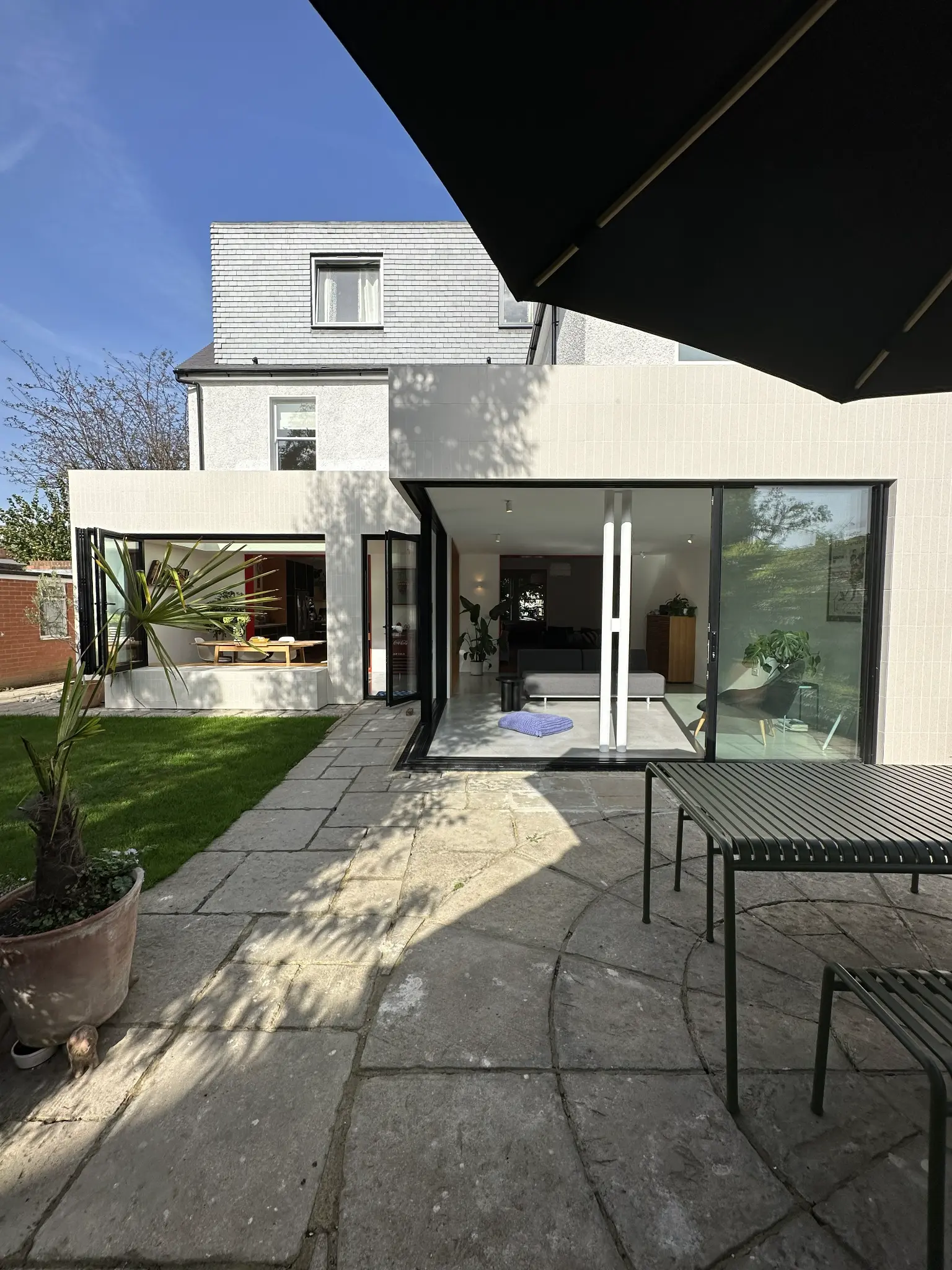
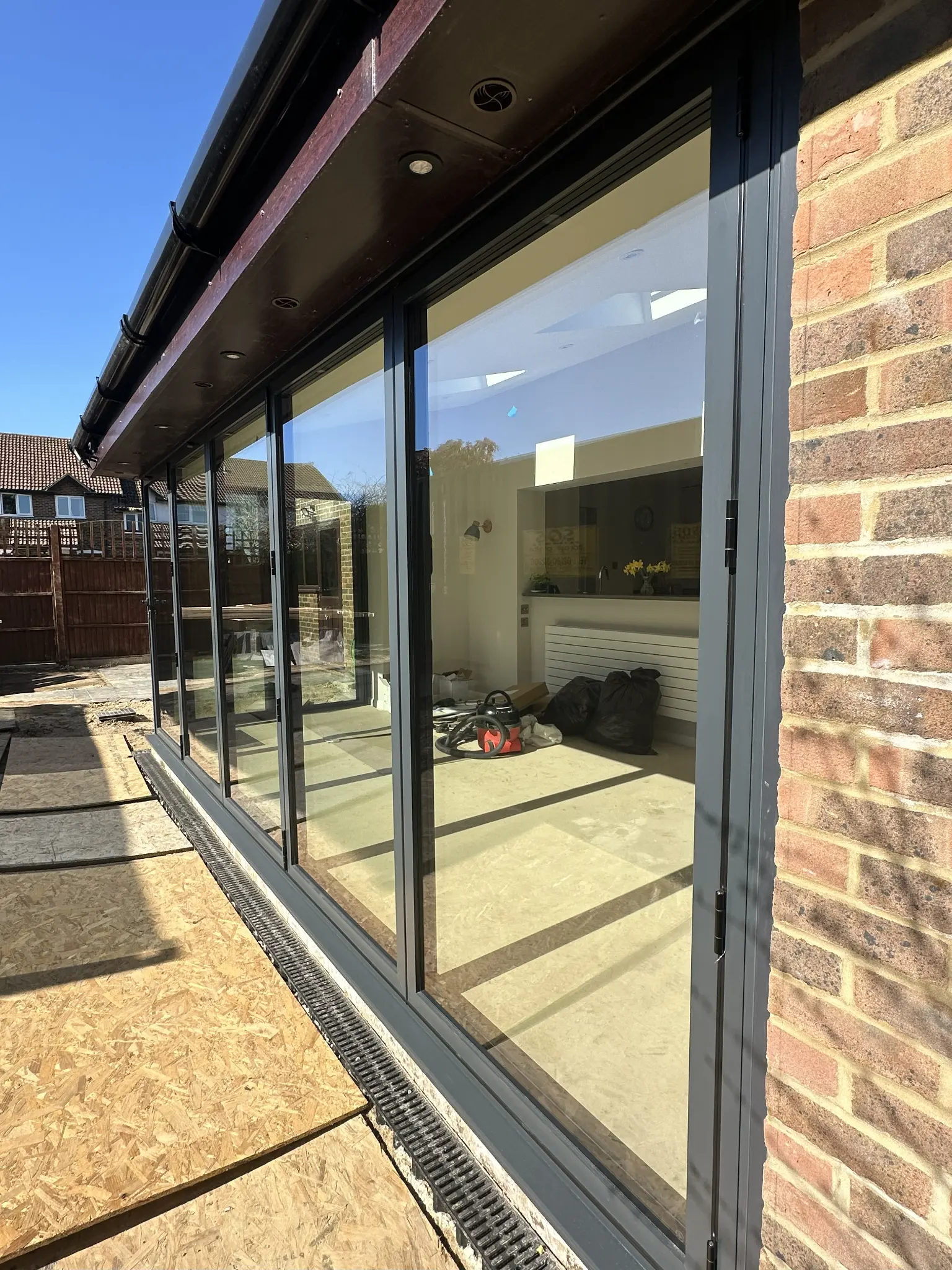
Bifold Doors: These large, multi-panel doors fold back concertina-style, creating expansive openings that seamlessly connect indoor and outdoor spaces. Ideal for creating a feeling of openness, especially in kitchen or living room extensions. Consider the frame material (aluminium is popular for its strength and slim sightlines) and the threshold design (flush thresholds offer the best indoor-outdoor transition).
-
Sliding Doors (Patio Doors): Offer large glass panels that slide past each other, providing wide views and ample light without requiring the space for bifold doors to fold. Modern sliding doors, particularly 'lift and slide' systems, can accommodate very large and heavy glass panels, offering impressive uninterrupted views.
-
French Doors: A classic choice, consisting of two hinged doors that open outwards or inwards. They offer a more traditional aesthetic and are suitable for smaller openings where a full bifold or sliding system might be overkill.
-
Picture Windows: Large, fixed panes of glass designed purely for views and light, without opening mechanisms. Perfect for framing a garden view or bringing maximum natural light into a space. Ensure they meet U-value requirements.
-
Rooflights and Lanterns: Essential for single-storey extensions, particularly those extending from the rear of a property, which might otherwise lack natural light. Rooflights (flat or pitched) and roof lanterns (structured, often pyramid or rectangular shapes) flood the space below with overhead light, creating a bright and airy atmosphere. Again, U-values are critical here, with many modern options offering excellent thermal performance.
-
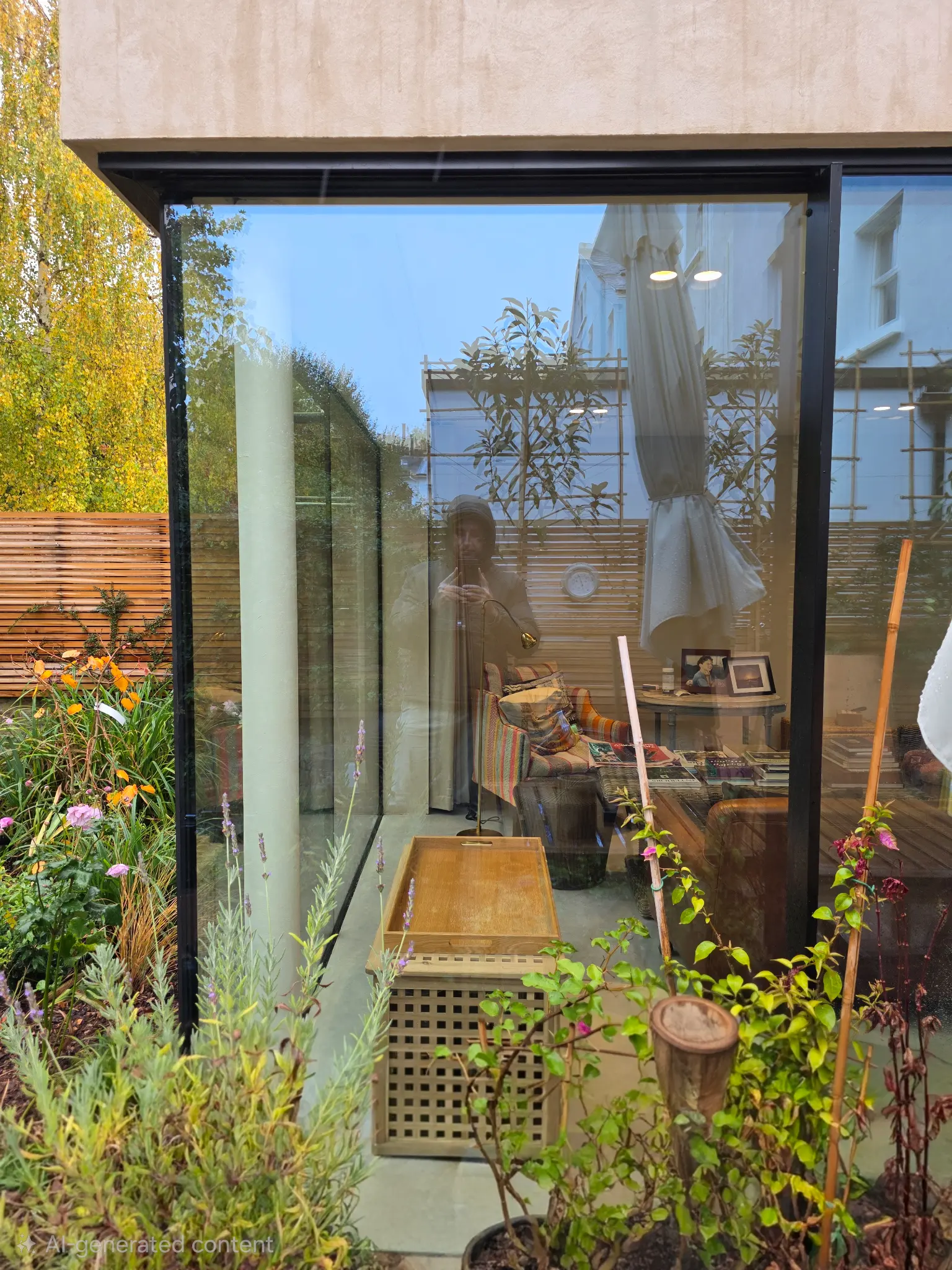
Glazed Walls/Curtain Walling: For truly contemporary designs, entire walls can be constructed from glazing, often with minimal framing. This creates a dramatic effect but requires careful consideration of solar gain, privacy, and structural support.
Design Considerations for Optimal Glazing
Beyond thermal performance, several design factors will influence your glazing choices:
Solar Gain and Overheating
While natural light is desirable, large expanses of south-facing or west-facing glazing can lead to excessive solar gain, causing overheating in summer. This can be mitigated by:
- Solar Control Glass: Special coatings on the glass can reflect a significant portion of the sun's heat while still allowing light through.
- External Shading: Overhangs, brise soleil, or retractable awnings can block direct sunlight during the hottest parts of the day.
- Ventilation: Ensuring adequate natural ventilation through opening windows or rooflights can help dissipate heat.
- Internal Blinds/Curtains: While less effective at preventing heat build-up, they can provide privacy and some shading.
Security
Large glazed areas can be perceived as a security risk. Modern glazing systems incorporate advanced security features:
- Toughened or Laminated Glass: More resistant to impact than standard glass.
- Multi-point Locking Systems: Standard on most new windows and doors.
- Internal Glazing Beads: Prevent glass from being removed from the outside.
- Accreditation: Look for products certified to PAS 24 or Secured by Design standards.
Aesthetics and Frame Materials
The frame material significantly impacts the look, durability, and maintenance of your glazing:
-
Aluminium: Popular for its strength, durability, and ability to create very slim sightlines, maximising glass area. Available in a wide range of powder-coated colours. Excellent thermal breaks are essential for good U-values.
-
uPVC: A cost-effective and low-maintenance option. While historically offering thicker frames, modern uPVC systems can be quite slim and are available in various colours and finishes. Good thermal performance.
-
Timber: Offers a natural, traditional aesthetic. Requires more maintenance (painting/staining) but can be very durable if well-maintained. Excellent natural insulation properties.
-
Composite (Timber-Aluminium): Combines the best of both worlds – timber internally for warmth and aesthetics, and aluminium externally for durability and low maintenance. Often a premium option.
A Comparison of Glazing Frame Materials
| Feature | Aluminium | uPVC | Timber | Composite |
|---|---|---|---|---|
| Appearance | Modern, slim sightlines | Versatile, can mimic other materials | Natural, traditional | Modern exterior, natural interior |
| Durability | Excellent | Good | Good (with maintenance) | Excellent |
| Maintenance | Low | Very Low | High (repainting/staining) | Low exterior, moderate interior |
| Thermal Performance | Good (with thermal breaks) | Very Good | Excellent | Excellent |
| Cost | Mid-High | Low-Mid | Mid-High | High |
| Colour Options | Extensive RAL colours | Wide range, foils | Natural wood tones, paintable | Extensive RAL exterior, natural wood interior |
Ventilation and Condensation
Modern, highly insulated extensions can sometimes suffer from condensation if not properly ventilated. Part F of the Building Regulations (Ventilation) addresses this. Ensure your glazing choices include adequate provision for ventilation:
- Trickle Vents: Small vents usually integrated into the window frame, allowing a continuous flow of fresh air even when windows are closed. Often a requirement for new builds and extensions.
- Opening Windows/Doors: Ensure you have sufficient openable elements to allow for purge ventilation (rapid air change).
- Extract Fans: Particularly important in kitchens and bathrooms within the extension.
Good ventilation helps maintain healthy indoor air quality and prevents moisture build-up, which can lead to condensation and mould.
Installation and Aftercare
Even the best glazing products will underperform if not installed correctly. Always choose a reputable installer with a proven track record. Look for companies that are FENSA or CERTASS registered, as this ensures their work complies with Building Regulations without the need for a separate Building Control application for replacement windows and doors (though extensions always require full Building Control approval).
Key aspects of professional installation include:
- Accurate Measurements: Essential for a snug fit and optimal performance.
- Proper Sealing and Flashing: Prevents water ingress and air leaks.
- Correct Fixing: Ensures structural integrity and security.
Aftercare is also important. Regular cleaning and occasional lubrication of moving parts (hinges, locks) will ensure your glazing continues to perform optimally for years to come.
Benefits of Well-Chosen Extension Glazing
Enhanced Natural Light
Transforms dark spaces into bright, inviting areas, reducing reliance on artificial lighting and improving mood and well-being.
Improved Energy Efficiency
High-performance glazing minimises heat loss in winter and can reduce solar gain in summer, leading to lower heating and cooling costs.
Seamless Indoor-Outdoor Living
Large doors and windows create a fluid transition between your home and garden, perfect for entertaining and enjoying the outdoors.
Increased Property Value
A well-designed, energy-efficient extension with quality glazing is a significant asset, enhancing your home's appeal and market value.
Choosing the right glazing for your home extension is a critical decision that impacts aesthetics, comfort, energy efficiency, and compliance with UK Building Regulations. By understanding U-values, exploring different product types, and considering design factors like solar gain and ventilation, you can create an extension that is not only beautiful but also performs exceptionally well.
For expert advice and a wide range of high-performance glazing solutions tailored to your extension project, consider consulting with specialists like Shard AG. Our team can guide you through the options, ensuring your choices meet both your design aspirations and all relevant UK Building Regulations.
Explore Our Products
Discover how Shard Architectural Glazing can transform your home with our premium glazing solutions:
Ready to Transform Your Home?
Get in touch with our expert team for a free consultation and personalised quote. We'll help you choose the perfect glazing solution for your property.