
Maximising Light & Efficiency: Glazing for Your UK Extension
Discover expert tips for choosing the right glazing for your home extension in the UK. Understand Building Regulations, U-values, and design considerations.

Shard Architectural Glazing
9 April 2026
Discover expert tips for choosing the right glazing for your home extension in the UK. Understand Building Regulations, U-values, and design considerations.
📋In This Article
Extending your home is an exciting project, offering the chance to create new living spaces, enhance natural light, and improve your property's overall aesthetic and value. A critical component of any modern extension is its glazing – the windows, doors, and rooflights that connect your interior with the outside world. Choosing the right glazing is not just about aesthetics; it's about balancing thermal performance, natural light, privacy, security, and compliance with stringent UK Building Regulations.
This guide will walk you through the essential considerations for glazing your home extension, providing technical insights and practical advice to help you make informed decisions.
Understanding UK Building Regulations for Glazing
Compliance with UK Building Regulations is paramount for any extension project. Part L (Conservation of Fuel and Power) is particularly relevant to glazing, setting strict standards for thermal performance to minimise heat loss and reduce energy consumption. These regulations were updated in 2022, introducing more demanding U-value targets.
What are U-values?
A U-value measures how effectively a material or component insulates. It quantifies the rate of heat transfer through a structure, such as a window or wall, in Watts per square metre per Kelvin (W/m²K). A lower U-value indicates better insulation and less heat loss, making it a crucial metric for energy efficiency.
Current UK Building Regulations Part L (2022 England) for Extensions:
- Walls: 0.18 W/m²K
- Floors: 0.18 W/m²K
- Roofs: 0.15 W/m²K
- Windows/Doors (New Build): 1.2 W/m²K
- Windows/Doors (Replacement): 1.4 W/m²K
For extensions, all new elements, including glazing, must meet these standards. It's important to note that while individual components must meet minimum U-values, Building Control will often assess the overall thermal performance of the extension using a 'whole dwelling' or 'elemental' approach, ensuring the entire structure achieves the required energy efficiency.
Pro Tip
Always consult with your architect, builder, or a Building Control officer early in the design process. They can provide specific guidance on how the latest Building Regulations apply to your unique extension project and ensure your chosen glazing solutions meet the required thermal performance standards.
Types of Glazing for Extensions
The market offers a vast array of glazing options, each with distinct benefits and aesthetic qualities. Your choice will depend on your extension's design, your budget, and your priorities regarding light, ventilation, and thermal performance.
Windows
- Casement Windows: The most common type, hinged at the side or top, offering excellent ventilation and thermal performance.
- Tilt & Turn Windows: Versatile windows that can tilt inwards for ventilation or open fully like a casement for cleaning and egress.
- Sliding Sash Windows: Often chosen for period properties, offering a traditional aesthetic with modern thermal performance.
- Fixed Pane Windows: Non-opening windows designed purely for light and views, often used in large formats or as part of a larger glazed area.
Doors
- French Doors: A classic choice, offering a wide opening and elegant aesthetic, typically comprising two hinged doors that open outwards or inwards.
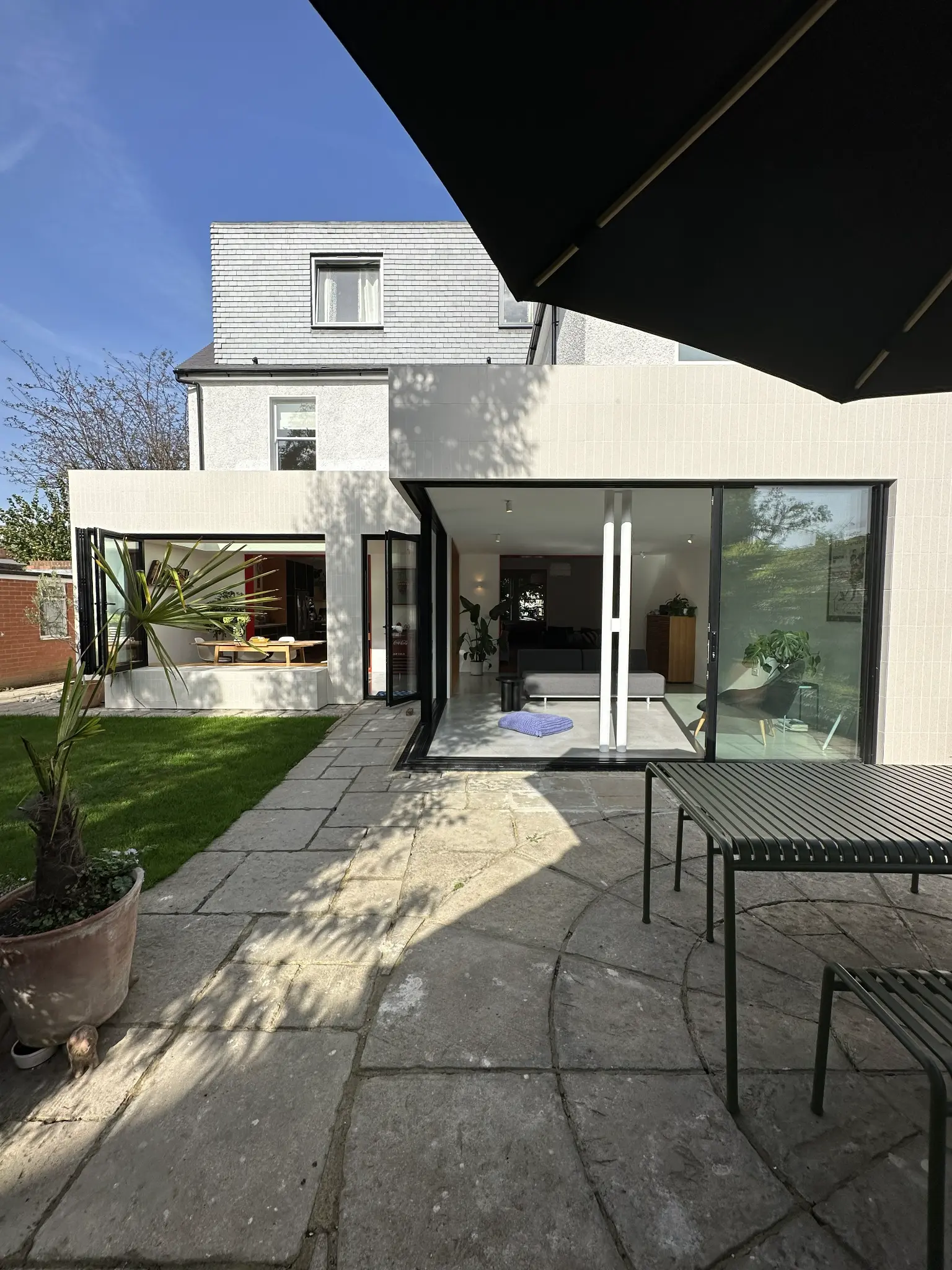
- Sliding Patio Doors: Ideal for maximising glass area and saving space, with panels that slide horizontally. Modern versions feature slim frames and excellent thermal performance.
- Bi-fold Doors: These doors fold back concertina-style to create a seamless transition between indoor and outdoor spaces, offering the largest possible opening.
- Lift & Slide Doors: A premium sliding door option, where panels lift slightly before sliding, allowing for larger, heavier glass panels and superior thermal efficiency and weather sealing.
Roof Glazing
- Rooflights/Skylights: Individual windows installed in the roof, perfect for bringing natural light deep into an extension, especially in single-storey designs or areas without external walls.
- Lantern Roofs: A raised, glazed structure on a flat roof, creating a dramatic architectural feature and flooding the space below with light.
- Walk-on Glass: Specialised structural glass panels designed to be walked on, often used in basements or to bring light into lower levels.
Key Considerations for Your Glazing Design
Beyond the type of glazing, several other factors will influence your choices and the success of your extension.
Thermal Performance (U-values)
As discussed, meeting Building Regulations is non-negotiable. Look for glazing products with low U-values. Double glazing is standard, but triple glazing offers superior thermal performance, often achieving U-values as low as 0.8 W/m²K, which can be beneficial for very large glazed areas or in particularly exposed locations. The frame material also plays a role; uPVC, timber, aluminium, and composite frames all have different thermal properties.
Solar Gain and Overheating
While natural light is desirable, excessive solar gain (heat from the sun) through large glazed areas can lead to overheating, especially in south-facing extensions. Consider options like:
- Solar Control Glass: Features a special coating that reflects a significant portion of the sun's heat while still allowing light to pass through.
- External Shading: Overhangs, brise soleil, or external blinds can effectively block direct sunlight during the hottest parts of the day.
- Ventilation: Ensure adequate ventilation to allow hot air to escape, either through opening windows/doors or mechanical ventilation systems.
Security
Glazing is often a vulnerable point for home security. Ensure all windows and doors are fitted with high-security multi-point locking systems, toughened or laminated glass, and comply with British Standards such as PAS 24. Look for products accredited by schemes like 'Secured by Design', the official police security initiative.
Acoustic Performance
If your extension is in a noisy area (e.g., near a busy road or airport), consider acoustic glazing. This typically involves using laminated glass or varying the thickness of the glass panes in a double-glazed unit to reduce sound transmission.
Privacy
Depending on your extension's orientation and proximity to neighbours, privacy might be a concern. Options include obscure or frosted glass, integrated blinds within the sealed unit, or external shading solutions.
Ventilation
Adequate ventilation is crucial for comfort and to prevent condensation and mould. Ensure your glazing design includes sufficient opening windows or trickle vents to allow for natural airflow, especially in kitchens and bathrooms within the extension.
Frame Materials Comparison
The material of your window and door frames significantly impacts aesthetics, thermal performance, durability, and maintenance requirements.
| Feature | uPVC | Aluminium | Timber | Composite (Timber-Aluminium) |
|---|---|---|---|---|
| Thermal Performance | Good (multi-chambered profiles) | Excellent (with thermal breaks) | Good (naturally insulating) | Excellent (timber core, aluminium cladding) |
| Durability | Very Good | Excellent | Good (requires maintenance) | Excellent |
| Maintenance | Low | Low | High (painting/staining) | Low (external aluminium) |
| Aesthetics | Versatile, various colours | Slim sightlines, modern, wide colour range | Natural, traditional, can be painted/stained | Modern external, natural internal |
| Cost | £ (Most affordable) | £££ (Mid-high) | ££ (Mid) | ££££ (High) |
| Recyclability | Good (increasingly) | Excellent | Good (sustainable source) | Good (components can be separated) |
Design and Aesthetics
The glazing you choose will define the character of your extension. Consider the following:
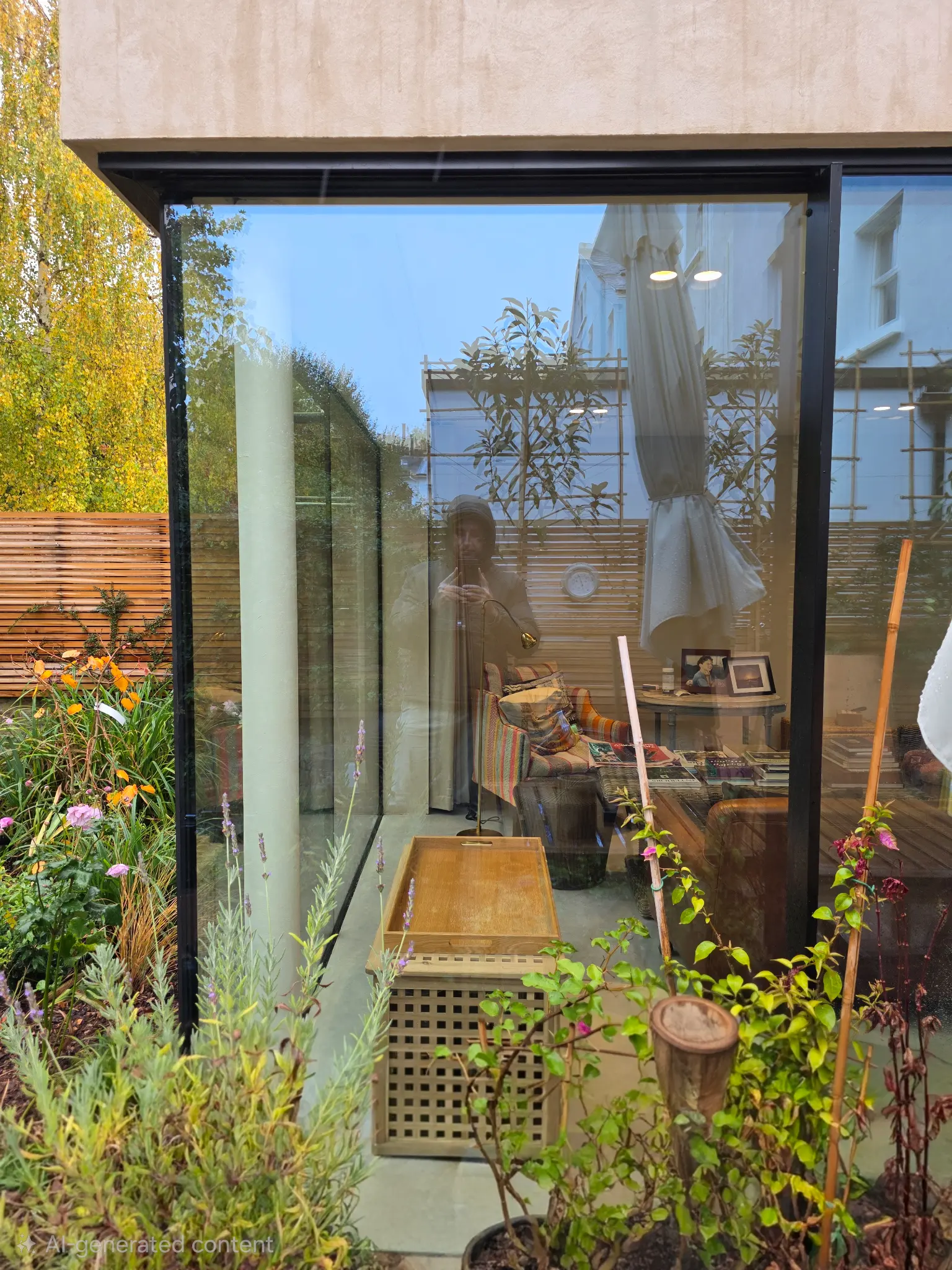
- Sightlines: The visible width of the frame. Slimmer sightlines mean more glass and less frame, enhancing views and light. Aluminium and steel frames often offer the slimmest profiles.
- Colour and Finish: Frames come in a vast array of colours and finishes. Choose something that complements your existing property and the overall design of the extension.
- Configuration: How many panes, how they open, and their arrangement will impact the overall look and functionality.
- Integration with Existing Property: Decide whether you want the extension's glazing to seamlessly blend with your current home or create a contrasting, contemporary statement.
Benefits of Well-Chosen Glazing
Enhanced Natural Light
Maximises daylight penetration, reducing reliance on artificial lighting and creating brighter, more inviting spaces.
Improved Energy Efficiency
High-performance glazing minimises heat loss, leading to lower heating bills and a more comfortable indoor climate year-round.
Increased Property Value
A well-designed, energy-efficient extension with quality glazing significantly enhances your home's appeal and market value.
Seamless Indoor-Outdoor Living
Large glazed doors, like bi-folds or sliders, create an effortless connection to your garden, blurring the lines between interior and exterior spaces.
Choosing the right glazing for your home extension is a significant decision that impacts comfort, energy efficiency, and the overall success of your project. By carefully considering thermal performance, security, design, and compliance with UK Building Regulations, you can create a beautiful, functional, and energy-efficient new space.
For expert advice and a wide range of high-performance glazing solutions tailored to your extension project, Shard Architectural Glazing offers a comprehensive service. Our team can guide you through the options, ensuring your choices meet both your aesthetic aspirations and the latest Building Regulations, providing bespoke windows, doors, and rooflights that transform your home.
Explore Our Products
Discover how Shard Architectural Glazing can transform your home with our premium glazing solutions:
Ready to Transform Your Home?
Get in touch with our expert team for a free consultation and personalised quote. We'll help you choose the perfect glazing solution for your property.