

Maximising Light & Efficiency: Glazing Tips for UK Home Extensions
Discover expert glazing tips for your UK home extension. Learn about Building Regulations, U-values, material choices, and design considerations for optimal light and energy efficiency.

Shard Architectural Glazing
22 March 2026
Discover expert glazing tips for your UK home extension. Learn about Building Regulations, U-values, material choices, and design considerations for optimal light and energy efficiency.
📋In This Article
Extending your home is an exciting project, offering the chance to create more space, enhance functionality, and add significant value. A critical element in any modern extension, particularly in the UK, is the glazing. Windows, doors, and rooflights are not merely openings; they are integral components that dictate natural light levels, thermal performance, aesthetic appeal, and overall comfort. Getting your glazing right from the outset is paramount, ensuring your new space is both beautiful and compliant with stringent energy efficiency standards.
This guide will delve into the essential considerations for glazing in UK home extensions, covering everything from Building Regulations to material choices and design strategies, helping you make informed decisions for a brighter, more efficient home.
Understanding UK Building Regulations for Glazing
In the UK, all new home extensions must comply with Building Regulations, specifically Part L (Conservation of Fuel and Power). These regulations are designed to ensure that new constructions and extensions meet minimum energy efficiency standards, reducing carbon emissions and heating costs. For glazing, this primarily revolves around U-values.
What are U-values?
The U-value (or thermal transmittance) measures how effectively a component of a building, such as a window or door, prevents heat from escaping. It is expressed in Watts per square metre Kelvin (W/m²K). A lower U-value indicates better insulation and less heat loss, meaning a more energy-efficient product.
For extensions in England, the current Building Regulations Part L (2022) specify the following maximum U-values for glazing:
- New Build Windows/Doors: 1.2 W/m²K
- Replacement Windows/Doors: 1.4 W/m²K
It's important to note that while these are the maximum allowable U-values for individual components, the overall extension's thermal performance is often assessed using a 'fabric first' approach. This means the entire building envelope (walls, floor, roof, and glazing) must collectively meet a certain standard. Your architect or builder will typically use a calculation method to demonstrate compliance, ensuring the combined U-values of all elements achieve the required thermal performance.
Pro Tip
Always aim for U-values lower than the minimum regulatory requirements if your budget allows. Investing in higher-performance glazing will lead to greater long-term energy savings and a more comfortable living environment, potentially increasing your property's value.
Ventilation Requirements
Beyond thermal performance, Part F (Ventilation) of the Building Regulations also applies. Extensions typically require adequate ventilation, often achieved through trickle vents integrated into window frames or other mechanical ventilation systems. These are crucial for maintaining good indoor air quality and preventing condensation.
Choosing the Right Glazing Type and Materials
The market offers a vast array of glazing options, each with its own characteristics, benefits, and drawbacks. Your choice will impact aesthetics, thermal performance, security, and budget.
Double vs. Triple Glazing
- Double Glazing: The standard for modern UK homes, consisting of two panes of glass separated by a sealed gap filled with an inert gas (like argon). This significantly improves thermal insulation compared to single glazing. Most double-glazed units can easily meet the 1.4 W/m²K replacement standard and often achieve 1.2 W/m²K or better.
- Triple Glazing: Features three panes of glass with two gas-filled gaps. This offers superior thermal performance, often achieving U-values as low as 0.8 W/m²K or even lower. While more expensive and heavier, triple glazing is an excellent choice for maximising energy efficiency, especially in larger glazed areas or north-facing extensions.
Frame Materials
The material of your window and door frames plays a crucial role in both aesthetics and thermal performance:
- uPVC (Unplasticised Polyvinyl Chloride): A popular, cost-effective choice known for its excellent thermal insulation, low maintenance, and durability. Available in various colours and finishes.
- Aluminium: Offers sleek, slim sightlines and exceptional strength, allowing for larger expanses of glass. Modern aluminium frames incorporate thermal breaks to prevent heat transfer, making them thermally efficient. Ideal for contemporary designs and large bifold or sliding doors.
- Timber: Provides a classic, natural aesthetic. Timber frames offer good thermal performance and can be painted or stained. They require more maintenance than uPVC or aluminium but are a sustainable choice.
- Composite (Timber-Aluminium): Combines the best of both worlds – timber internally for a warm aesthetic and aluminium externally for durability and low maintenance. Offers excellent thermal performance.
Popular Glazing Solutions for Extensions
Modern extensions often feature innovative glazing solutions to maximise light and create a seamless connection with the outdoors.
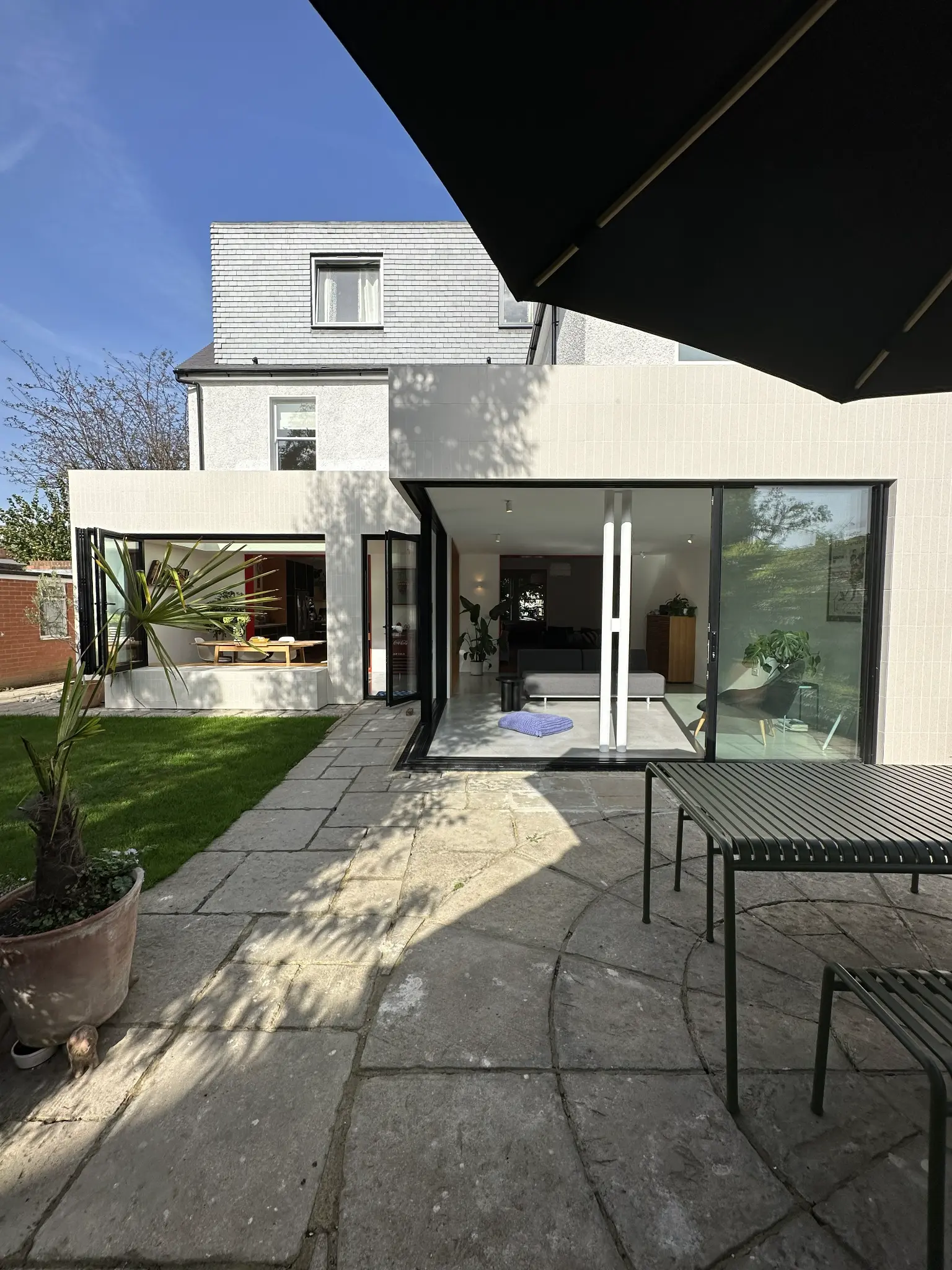
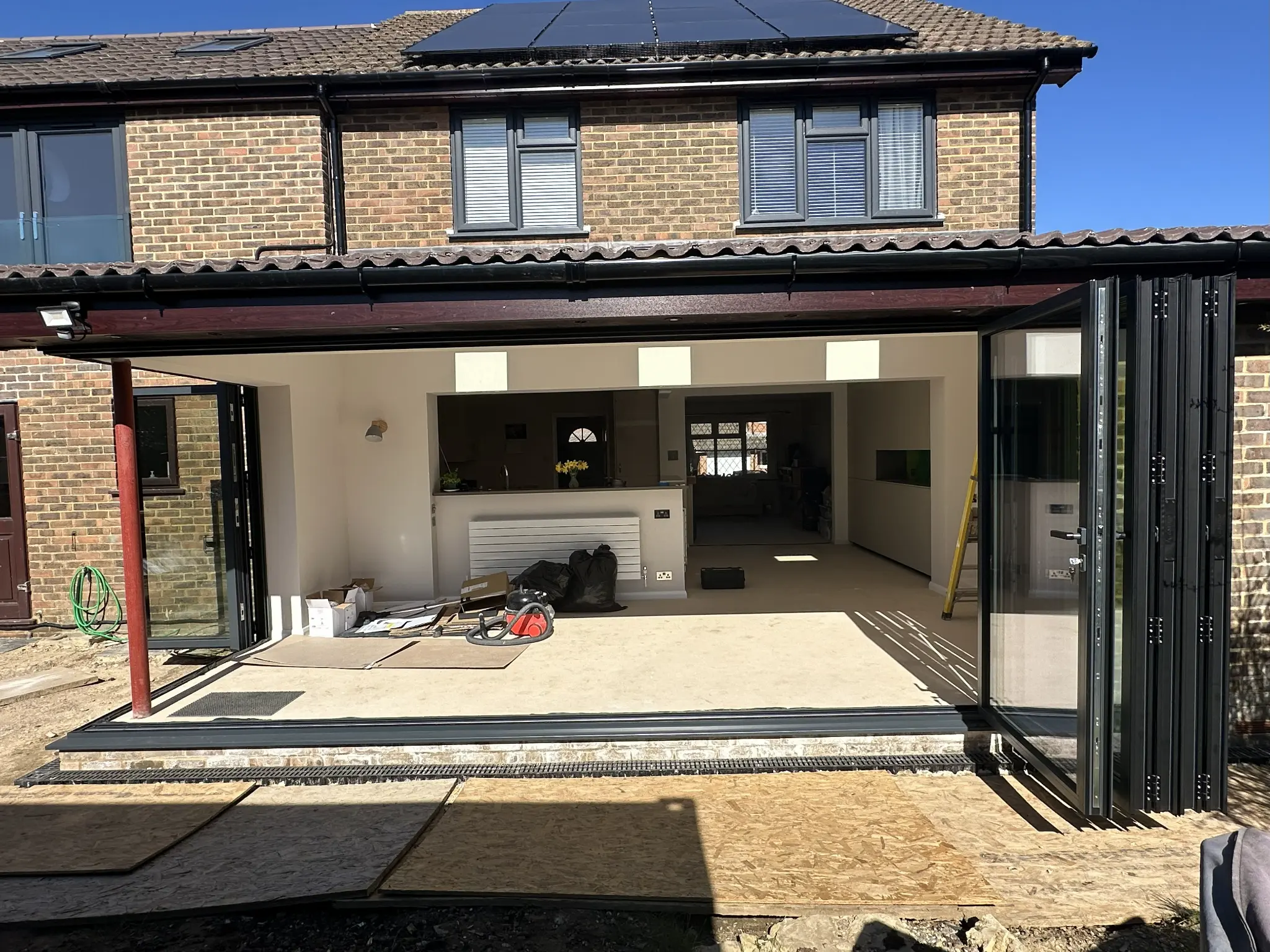
- Bifold Doors: These doors fold back concertina-style, creating a wide, unobstructed opening that merges indoor and outdoor spaces. Ideal for connecting a kitchen or living area to a garden.
- Sliding Doors (Patio Doors): Offer large glass panels that slide past each other, providing expansive views and natural light. They require less space than bifolds when open, as the panels don't protrude. Available in various configurations, including lift-and-slide systems for effortless operation.
- Rooflights and Lanterns: Essential for bringing natural light deep into an extension, especially in single-storey additions or areas overshadowed by existing structures.
- Flat Rooflights: Sleek, minimalist, and ideal for contemporary designs.
- Roof Lanterns: Create a striking architectural feature, adding height and a flood of natural light.
- Picture Windows: Large, fixed panes of glass designed to offer uninterrupted views and maximise light without the need for opening.
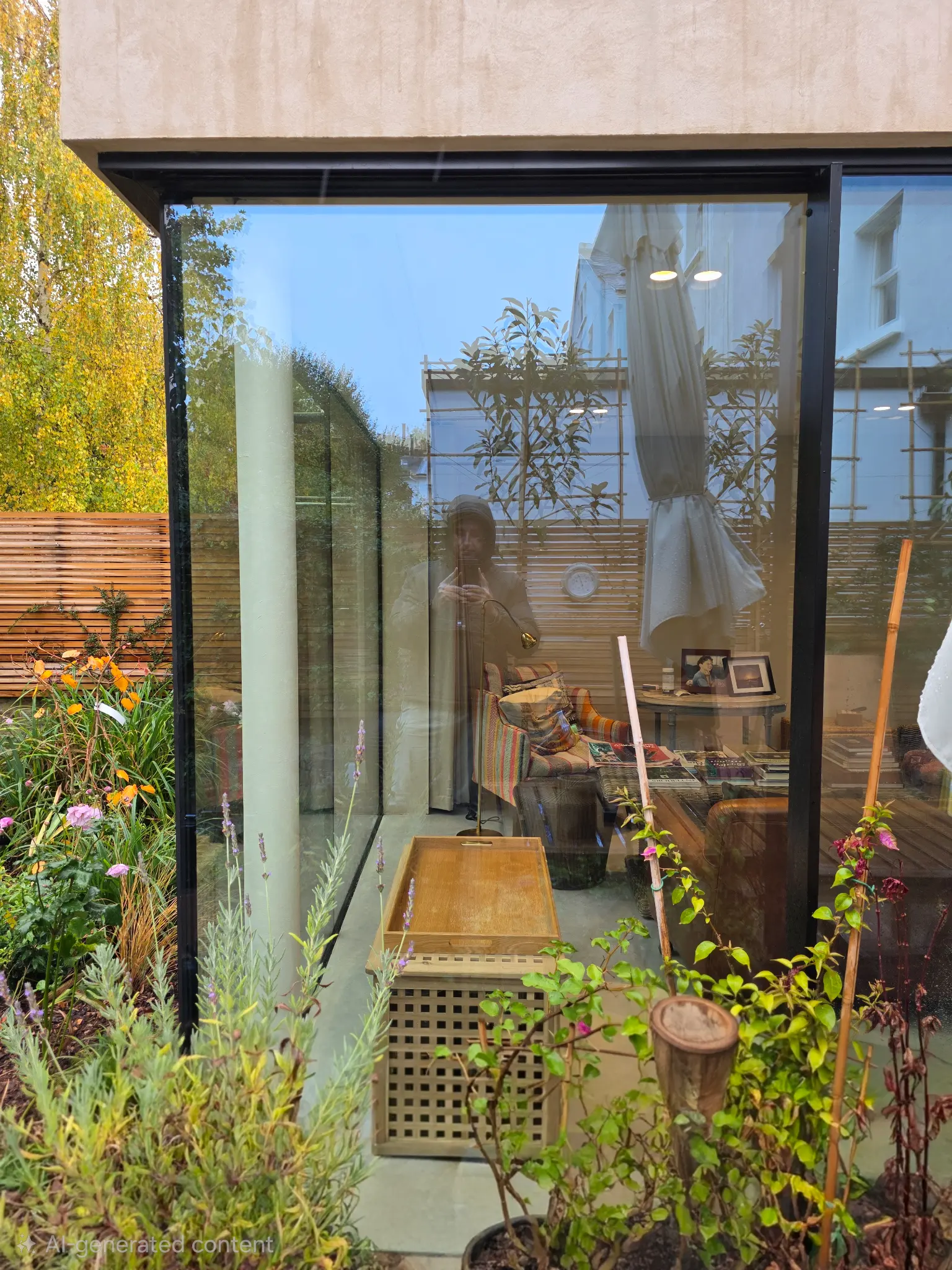
- Corner Glazing: Utilises glass panels that meet at a corner, often without a visible frame, creating a dramatic, open feel and panoramic views.
Design Considerations for Optimal Glazing
Thoughtful design is key to harnessing the full potential of your extension's glazing.
Orientation and Solar Gain
Consider the orientation of your extension. South-facing glazing will benefit from significant solar gain, providing free heat in winter but potentially leading to overheating in summer. North-facing glazing will offer consistent, diffuse light but no solar gain. East and west-facing glazing will experience strong morning and afternoon sun, respectively.
- Managing Solar Gain: For south and west-facing glazing, consider strategies to mitigate overheating, such as external shading (overhangs, pergolas), internal blinds or curtains, or glazing with solar control coatings.
Privacy and Security
Large expanses of glass can raise privacy and security concerns. Discuss these with your glazing supplier and architect:
- Privacy: Consider frosted or switchable glass for bathrooms or overlooked areas. Blinds and curtains are also practical solutions.
- Security: Ensure all glazed units, especially doors and ground-floor windows, meet British Standards for security (e.g., PAS 24). Look for multi-point locking systems, laminated or toughened glass, and secure frames.
Aesthetics and Integration
Your glazing should complement the existing property and the new extension's design. Consider:
- Sightlines: Slimmer frames (often found in aluminium) offer larger glass areas and a more contemporary look.
- Colour and Finish: Match or contrast frame colours with your existing windows and doors or the extension's cladding.
- Proportions: The size and placement of glazing should be balanced with the solid elements of the extension.
Cost and Return on Investment
Glazing can be a significant portion of your extension budget. While it's tempting to opt for the cheapest option, remember that higher-quality, more energy-efficient glazing offers long-term savings on heating bills and enhances comfort. It also adds considerable appeal and value to your property.
| Glazing Type/Feature | Typical U-value (W/m²K) | Pros | Cons | Typical UK Cost Indication (Supply & Fit) |
|---|---|---|---|---|
| Standard Double Glazing (uPVC) | 1.2 - 1.4 | Cost-effective, good insulation, low maintenance | Less premium aesthetic than other materials | £400 - £800 per m² |
| High-Performance Double Glazing (Aluminium) | 1.0 - 1.2 | Sleek aesthetics, strong, durable, good insulation | Higher cost than uPVC | £600 - £1,200 per m² |
| Triple Glazing (Any Frame) | 0.8 - 1.0 | Excellent thermal performance, reduced noise | Higher cost, heavier, thicker frames | £800 - £1,500 per m² |
| Bifold Doors (Aluminium) | 1.2 - 1.4 | Large opening, seamless indoor-outdoor flow | Can be expensive, requires space for panels to fold | £1,500 - £3,000 per linear metre |
| Sliding Doors (Aluminium) | 1.2 - 1.4 | Expansive views, space-saving when open | Limited opening compared to bifolds | £1,200 - £2,500 per linear metre |
| Flat Rooflight | 1.0 - 1.4 | Maximises overhead light, minimalist | Can be prone to dirt, potential for solar gain | £800 - £2,000 per unit (depending on size) |
| Roof Lantern | 1.0 - 1.4 | Architectural feature, flood of light, adds height | Higher cost, more complex installation, potential for solar gain | £1,500 - £4,000 per unit (depending on size) |
Note: Costs are indicative and vary significantly based on size, specification, supplier, and installation complexity. Always obtain multiple detailed quotes.
The Importance of Professional Installation
Even the highest quality glazing will underperform if not installed correctly. Poor installation can lead to drafts, water ingress, reduced thermal efficiency, and even structural issues. Always choose a reputable installer with a proven track record.
- Accreditations: Look for installers who are FENSA or CERTASS registered. These schemes ensure that installations comply with Building Regulations and are covered by an insurance-backed guarantee.
- Experience: Ensure the installer has specific experience with the type of glazing you are choosing, especially for complex installations like large bifolds or structural glazing.
- Warranties: A good installer will offer comprehensive warranties on both the products and the installation work.
Enhanced Natural Light
Thoughtful glazing design floods your extension with daylight, reducing reliance on artificial lighting and creating a brighter, more inviting atmosphere.
Improved Energy Efficiency
High-performance glazing, meeting or exceeding UK Building Regulations, significantly reduces heat loss, leading to lower energy bills and a more comfortable home.
Seamless Indoor-Outdoor Living
Large doors and windows, such as bifolds and sliders, blur the lines between your home and garden, enhancing lifestyle and entertaining opportunities.
Increased Property Value
A well-designed, energy-efficient extension with quality glazing is a significant asset, making your home more attractive and valuable to potential buyers.
Choosing the right glazing for your home extension is a crucial decision that impacts comfort, energy efficiency, and aesthetic appeal. By understanding UK Building Regulations, exploring different material and product options, and engaging experienced professionals, you can ensure your new space is a valuable and enjoyable addition to your home for years to come.
At Shard AG, we specialise in providing high-performance architectural glazing solutions for UK home extensions. Our expert team can guide you through the selection process, ensuring your chosen glazing meets all regulatory requirements and perfectly complements your design vision. From initial consultation to meticulous installation, we are committed to delivering exceptional quality and service.
Explore Our Products
Discover how Shard Architectural Glazing can transform your home with our premium glazing solutions:
Ready to Transform Your Home?
Get in touch with our expert team for a free consultation and personalised quote. We'll help you choose the perfect glazing solution for your property.