Maximising Light & Efficiency: Home Extension Glazing Tips
Discover expert tips for choosing the right glazing for your home extension. Learn about U-values, Building Regulations, and design considerations for UK homeowners.

Shard Architectural Glazing
20 March 2026
Discover expert tips for choosing the right glazing for your home extension. Learn about U-values, Building Regulations, and design considerations for UK homeowners.
📋In This Article
Extending your home is an exciting project, offering the chance to create new living spaces, enhance natural light, and improve your property's overall aesthetic and value. A critical component of any modern extension is its glazing – windows, doors, and rooflights. The right glazing choices can transform a space, but getting it wrong can lead to issues with thermal performance, comfort, and compliance with Building Regulations. This guide provides comprehensive tips for UK homeowners navigating the world of extension glazing.
Understanding U-values and Thermal Performance
When discussing glazing, the term U-value is paramount. It measures how effectively a material, or an entire window or door unit, insulates. Specifically, it quantifies the rate of heat transfer through a structure, with lower U-values indicating better insulation and less heat loss. For homeowners, a lower U-value means a warmer home in winter, a cooler home in summer, and reduced energy bills.
UK Building Regulations Part L (2022) for Extensions
For extensions in England, the updated Building Regulations Part L (Conservation of Fuel and Power) sets specific U-value targets to ensure energy efficiency. It's crucial to be aware of these as your extension plans will need to comply to gain Building Control approval. While there's a 'fabric first' approach, meaning the overall energy performance of the extension is considered, individual elements also have limiting U-values.
- New Build & Extension Walls: 0.18 W/m²K
- Floors: 0.18 W/m²K
- Roofs: 0.15 W/m²K
- Windows/Doors (New Build): 1.2 W/m²K
- Windows/Doors (Replacement): 1.4 W/m²K
For extensions, the 1.2 W/m²K target for new build windows and doors typically applies. However, it's always advisable to consult with your architect or Building Control officer early in the design process to confirm the specific requirements for your project, especially if you are using a significant proportion of glazing.
Pro Tip
Don't just aim for the minimum U-value. Investing in glazing with U-values significantly better than the regulatory minimum can lead to substantial long-term savings on heating and cooling costs, and greatly improve the comfort of your new space.
Choosing the Right Glazing Type
The market offers a wide array of glazing options, each with its own characteristics, benefits, and considerations.
Double Glazing vs. Triple Glazing
- Double Glazing: Consists of two panes of glass separated by a sealed gap, typically filled with an inert gas like argon. This is the standard for most modern homes and easily meets current Building Regulations for extensions. Typical U-values range from 1.2 to 1.6 W/m²K.
- Triple Glazing: Features three panes of glass with two sealed gas-filled gaps. It offers superior thermal performance, achieving U-values as low as 0.6-0.8 W/m²K. While more expensive and heavier, it's excellent for maximising energy efficiency, reducing noise, and creating very stable internal temperatures. It's particularly beneficial for large glazed areas or properties in exposed locations.
Specialist Glass Options
- Low-Emissivity (Low-E) Glass: A microscopically thin, transparent coating applied to one of the glass surfaces. It reflects heat back into the room in winter and reduces heat entering in summer, significantly improving thermal performance without compromising light transmission. This is now standard in most high-performance glazing.
- Solar Control Glass: Designed to reduce the amount of solar heat gain, preventing overheating in south-facing extensions or large glazed areas. It can be particularly useful in conservatories or orangeries.
- Self-Cleaning Glass: Features a special coating that reacts with UV light to break down organic dirt, which is then washed away by rain. A practical choice for hard-to-reach rooflights or large expanses of glass.
- Acoustic Glass: Uses laminated panes or different glass thicknesses to reduce noise transmission, ideal for extensions in noisy urban areas or near busy roads.
Frame Materials and Their Impact
The frame material plays a crucial role in both the aesthetics and thermal performance of your glazing units.
| Frame Material | Pros | Cons | Typical U-value (Frame only) |
|---|---|---|---|
| uPVC | Cost-effective, low maintenance, good thermal performance, wide colour range. | Can look less premium than other materials, limited structural strength for very large spans. | 1.2 - 1.6 W/m²K |
| Aluminium | Strong, durable, slim sightlines, contemporary aesthetic, low maintenance, recyclable. | Higher cost than uPVC, can be less thermally efficient without thermal breaks. | 1.2 - 1.8 W/m²K (with thermal break) |
| Timber | Natural aesthetic, excellent thermal performance, sustainable, can be painted/stained. | Higher maintenance (requires painting/staining), higher cost, can be prone to rot if not maintained. | 1.0 - 1.4 W/m²K |
| Composite (Alu-Clad Timber) | Best of both worlds: timber interior, aluminium exterior. Excellent thermal performance, low exterior maintenance, premium look. | Highest cost. | 0.8 - 1.2 W/m²K |
Design Considerations for Extension Glazing
Beyond technical specifications, how you integrate glazing into your extension design is vital for functionality and aesthetics.
Maximising Natural Light
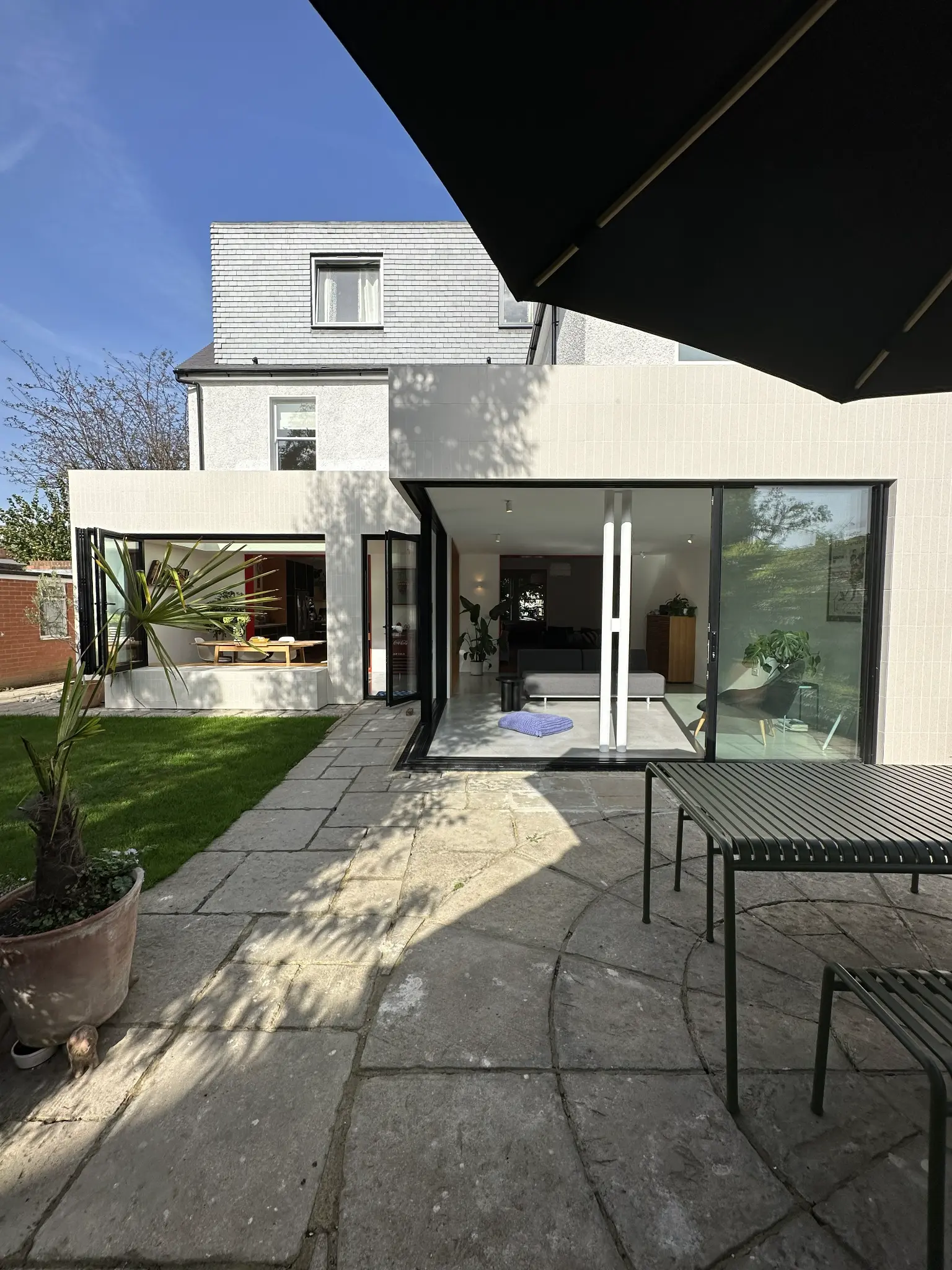
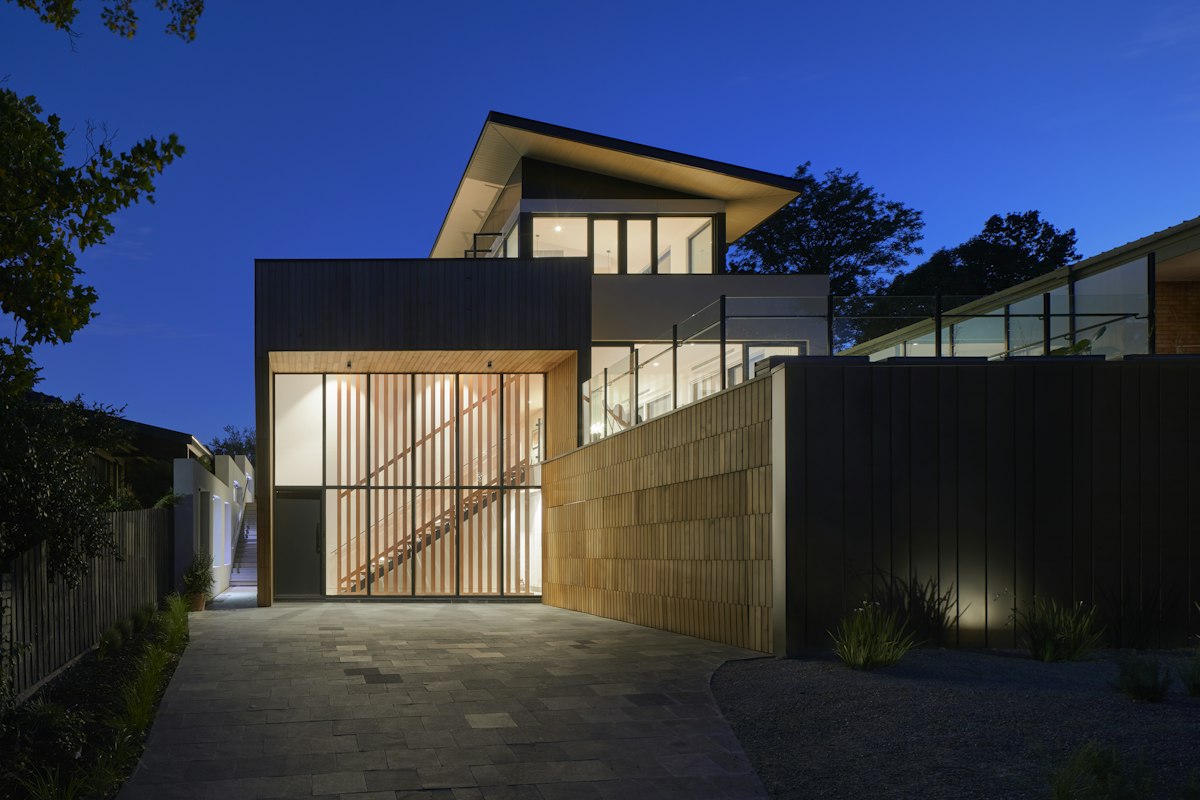
- Large Bi-fold or Sliding Doors: Ideal for creating expansive openings that blur the lines between indoor and outdoor spaces, perfect for connecting to gardens. Bi-folds stack neatly, while sliding doors offer larger uninterrupted glass panels.
- Rooflights and Lanterns: Essential for bringing light deep into the extension, especially in single-storey additions or north-facing rooms. They can dramatically brighten a space that might otherwise feel dark. Ensure they are correctly specified for thermal performance and solar gain.
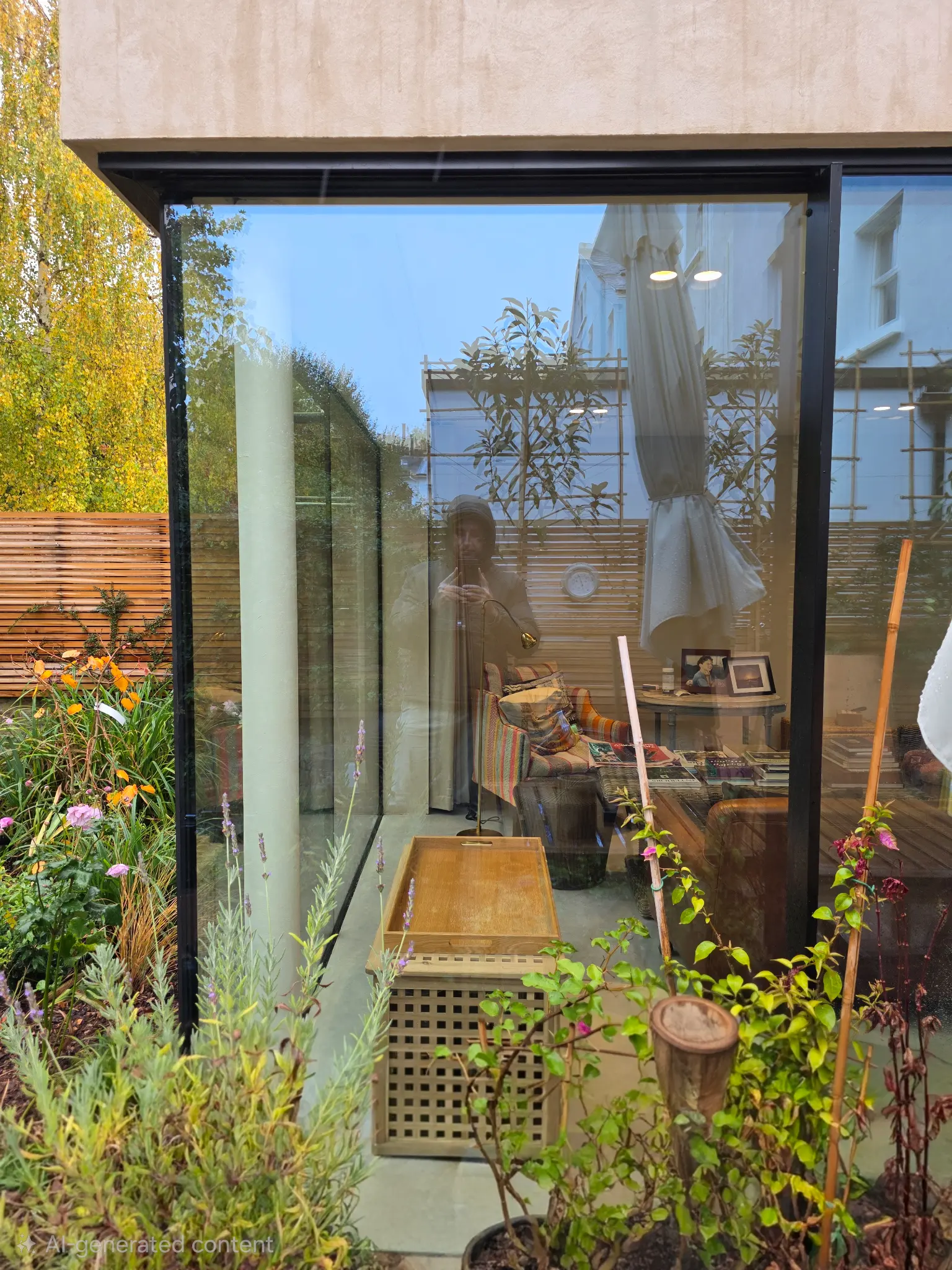
- Picture Windows: Large, fixed panes of glass designed to offer uninterrupted views, acting like a framed piece of art.
Ventilation and Airflow
While large glazed areas bring light, they can also lead to overheating if not properly ventilated. Consider:
- Opening Sections: Ensure enough windows or doors can open to allow for cross-ventilation.
- Trickle Vents: Small, discreet vents typically integrated into window frames, providing continuous background ventilation even when windows are closed. These are often a requirement under Building Regulations.
- Automated Rooflights: Some rooflights can be fitted with rain sensors and automatic openers, providing ventilation and closing automatically when it rains.
Security and Safety
- Laminated or Toughened Glass: Laminated glass holds together when shattered, while toughened glass breaks into small, relatively harmless pieces. Both are typically required in critical locations (e.g., low-level glazing, doors, or overhead glazing) under Building Regulations Part K (Protection from falling, collision and impact).
- Multi-point Locking Systems: Essential for all opening windows and doors, providing enhanced security against forced entry.
- Accreditation: Look for products certified by schemes like Secured by Design, which indicates police-preferred specification for security.
Enhanced Comfort
High-performance glazing maintains stable indoor temperatures, reducing draughts and cold spots.
Lower Energy Bills
Reduced heat loss means less reliance on heating, leading to significant savings on energy costs.
Increased Property Value
A well-designed, energy-efficient extension with quality glazing is a strong selling point.
Improved Aesthetics
Modern glazing solutions offer sleek designs that enhance the visual appeal of your home and connect spaces.
Planning and Regulatory Compliance
Embarking on an extension project involves navigating various regulations. While this guide focuses on glazing, it's part of a larger picture.
Building Regulations Approval
All new extensions require Building Regulations approval. This ensures your project meets minimum standards for health, safety, and energy efficiency. Your chosen glazing must meet the U-value requirements of Part L (Conservation of Fuel and Power) and safety requirements of Part K (Protection from falling, collision and impact). Your architect or builder will typically handle the application process, but it's good to be informed.
Planning Permission
Many extensions can be built under 'Permitted Development' rights, meaning you don't need full planning permission. However, there are limits on size, height, and proximity to boundaries. If your extension falls outside these limits, or if your property is in a conservation area or is listed, you will need planning permission. While planning permission focuses more on the external appearance and impact, it can influence the size and type of glazing you can use.
Consulting Professionals
It is highly recommended to engage with qualified professionals:
- Architects/Architectural Designers: Can help with the overall design, planning applications, and specifying appropriate glazing.
- Structural Engineers: Essential for large glazed areas, especially if they are load-bearing, to ensure structural integrity.
- Reputable Glazing Specialists: Can advise on the best products for your specific needs, provide U-value calculations, and ensure correct installation.
Conclusion and Next Steps
The glazing for your home extension is more than just glass and frames; it's an investment in comfort, energy efficiency, and the overall enjoyment of your home. By understanding U-values, exploring different glazing and frame options, and carefully considering design and regulatory requirements, you can make informed decisions that will benefit you for years to come.
Always prioritise quality and professional installation. While it might seem tempting to cut costs, poor quality glazing or installation can lead to long-term problems with thermal performance, drafts, and even structural integrity.
If you're planning a home extension in the UK and need expert advice on high-performance glazing solutions, Shard AG offers a comprehensive range of products tailored to meet the latest Building Regulations and enhance your living space. Our team can guide you through the options, from sleek bi-fold doors to energy-efficient rooflights, ensuring your extension is both beautiful and thermally efficient.
Explore Our Products
Discover how Shard Architectural Glazing can transform your home with our premium glazing solutions:
Ready to Transform Your Home?
Get in touch with our expert team for a free consultation and personalised quote. We'll help you choose the perfect glazing solution for your property.