Maximising Light & Efficiency: Home Extension Glazing Tips
Discover expert tips for choosing the right glazing for your UK home extension. Learn about Building Regulations, U-values, and design considerations.

Shard Architectural Glazing
3 April 2026
Discover expert tips for choosing the right glazing for your UK home extension. Learn about Building Regulations, U-values, and design considerations.
📋In This Article
Extending your home is an exciting project, offering the chance to create more space, enhance your lifestyle, and potentially increase your property's value. A crucial element in any modern extension is the glazing – windows, doors, and rooflights. The right glazing choices can transform an extension from merely functional to a light-filled, energy-efficient, and visually stunning addition. However, getting it wrong can lead to issues with thermal performance, comfort, and even Building Regulations compliance.
This guide provides homeowners with a comprehensive overview of key considerations when specifying glazing for a home extension in the UK, focusing on technical aspects, design choices, and regulatory requirements.
Understanding UK Building Regulations for Glazing
In England, all new extensions, including their glazing, must comply with Part L (Conservation of Fuel and Power) of the Building Regulations. These regulations are designed to ensure that new constructions are energy efficient, helping to reduce carbon emissions and heating costs. Compliance is typically assessed through U-values.
What are U-values?
A U-value measures how effectively a component (like a window, door, or wall) prevents heat from escaping. The lower the U-value, the better the thermal insulation properties of the material. For glazing, this means less heat loss through the glass and frame.
- New Build & Extension Walls: 0.18 W/m²K
- New Build & Extension Floors: 0.18 W/m²K
- New Build & Extension Roofs: 0.15 W/m²K
- New Build Windows/Doors: 1.2 W/m²K
- Replacement Windows/Doors: 1.4 W/m²K
For extensions, the glazing typically needs to meet a U-value of 1.2 W/m²K. However, there's also a 'whole dwelling' or 'whole extension' calculation method (SAP or SBEM) where the overall thermal performance of the extension is assessed. This allows for some flexibility; for example, if you have a very well-insulated wall, you might be able to incorporate slightly less efficient glazing, provided the overall U-value average for the extension still meets the target.
Pro Tip
Always consult with your architect, builder, or a Building Control officer early in the design process to confirm the specific U-value requirements for your extension. They can advise on the most cost-effective way to achieve compliance, especially if you're planning a large glazed area.
Choosing the Right Glazing Type
The market offers a vast array of glazing options, each with its own benefits and considerations. Your choice will impact thermal performance, security, acoustics, and aesthetics.
Double Glazing vs. Triple Glazing
- Double Glazing: Consists of two panes of glass separated by a sealed gap, typically filled with an inert gas like argon. This is the standard for most modern homes and extensions, easily meeting the 1.2 W/m²K U-value requirement.
- Triple Glazing: Features three panes of glass with two sealed gaps, offering superior thermal performance and often better acoustic insulation. While not always strictly necessary for Building Regulations compliance in extensions, it can be beneficial in homes aiming for Passivhaus standards or located in noisy areas. It typically has a higher upfront cost and can be heavier, requiring more robust frames.
Specialist Glass Options
- Low-E (Low Emissivity) Glass: A microscopic metallic coating applied to one surface of the glass that reflects heat back into the room, significantly improving thermal performance. This is standard in most modern double and triple-glazed units.
- Solar Control Glass: Designed to reduce the amount of solar heat gain, preventing overheating in south-facing extensions or large glazed areas. It can be particularly useful in conservatories or orangeries.
- Self-Cleaning Glass: Features a special coating that uses sunlight to break down organic dirt and rain to wash it away, reducing the need for manual cleaning.
- Acoustic Glass: Uses laminated panes or different glass thicknesses to reduce noise transmission, ideal for properties near busy roads or airports.
- Security Glass (Laminated or Toughened): Laminated glass holds together when shattered, while toughened glass breaks into small, relatively harmless pieces. Both offer enhanced security and safety.
Popular Glazing Products for Extensions
The type of glazing product you choose will define the character and functionality of your extension.
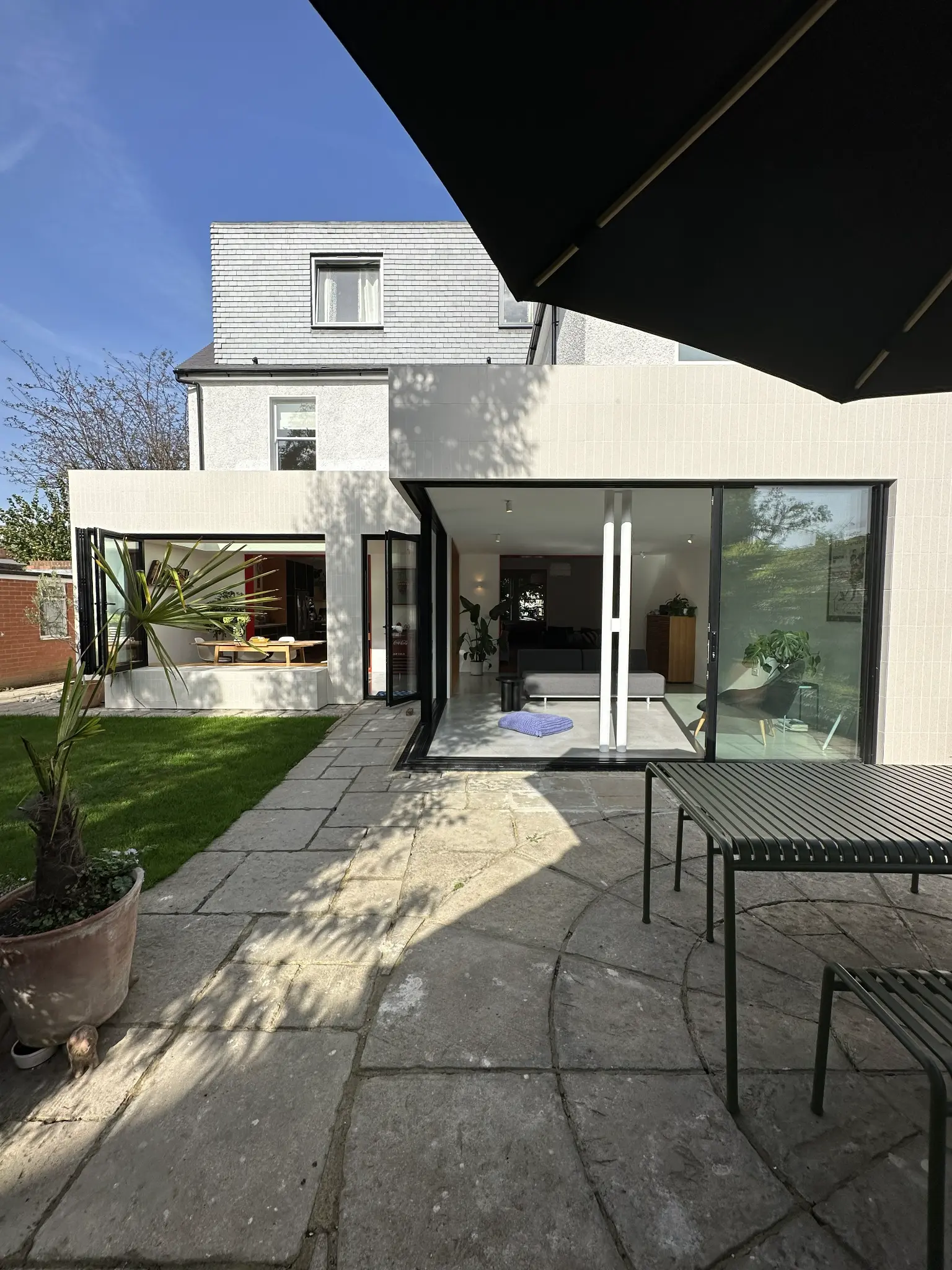
Bi-fold Doors
Pros: Offer a seamless transition between indoor and outdoor spaces, creating large open apertures. Excellent for connecting kitchens or living rooms to gardens. Available in various configurations and materials (aluminium, timber, uPVC).
Cons: Can be expensive. Require sufficient wall space for the panels to fold back. May have a slightly thicker frame profile than sliding doors.
Sliding Doors (Patio Doors)
Pros: Ideal for maximising views as panels slide behind each other, requiring less space than bi-folds. Available in large formats, including 'lift and slide' systems for effortless operation. Thinner sightlines than bi-folds, offering more glass and less frame.
Cons: Cannot open up the entire wall space like bi-folds. Can be heavy, requiring robust frames and mechanisms.
Rooflights and Lanterns
Pros: Bring natural light deep into the extension, especially useful for single-storey additions or north-facing rooms. Can create a dramatic architectural feature. Available in fixed, manual, or electric opening options for ventilation.
Cons: Can contribute to solar heat gain in summer if not specified with solar control glass. Requires careful detailing to prevent leaks. Cleaning can be challenging.
Picture Windows
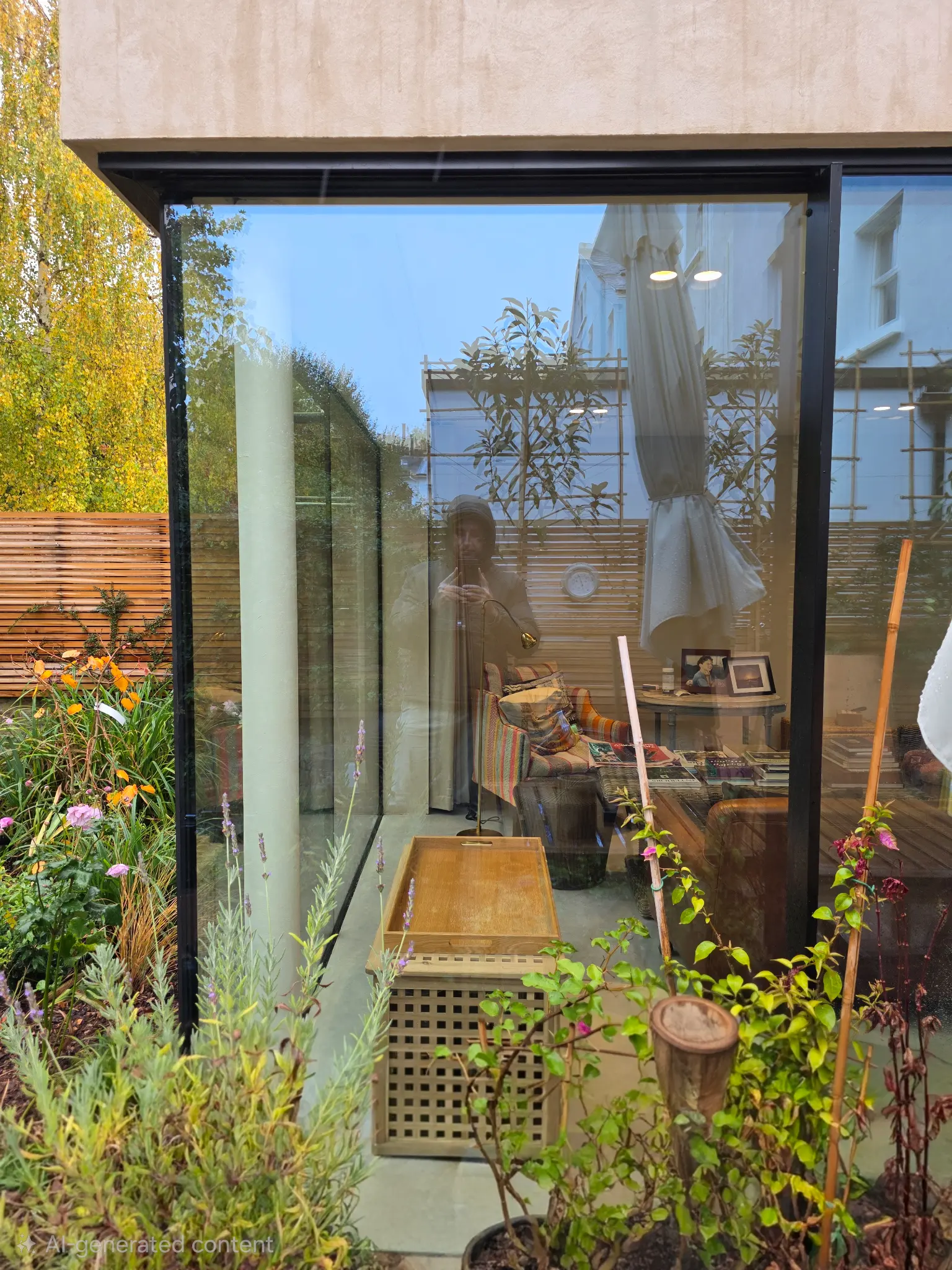
Pros: Large, fixed panes of glass designed purely for views and light. Offer the slimmest sightlines and best thermal performance (as they don't open). Can create stunning architectural statements.
Cons: No ventilation. Can be difficult to clean if very large and inaccessible.

Frame Materials and Their Impact
The frame material plays a significant role in the overall performance, appearance, and longevity of your glazing.
| Feature | Aluminium | uPVC | Timber | Composite (Alu-clad Timber) |
|---|---|---|---|---|
| Thermal Performance | Excellent (with thermal breaks) | Good | Very Good (natural insulator) | Excellent |
| Durability/Maintenance | Very High/Low | High/Low | Moderate/High (requires regular treatment) | Very High/Low |
| Aesthetics/Sightlines | Slim, modern, wide colour range | Thicker, limited colours | Traditional, warm, customisable | Slim external, warm internal |
| Cost (Relative) | High | Low | Medium to High | Very High |
| Sustainability | Recyclable, energy-intensive production | Recyclable, petroleum-based | Renewable (if responsibly sourced) | Good (timber core) |
Design Considerations for Optimal Results
Beyond technical specifications, thoughtful design is key to a successful glazed extension.
Orientation and Solar Gain
Consider the orientation of your extension. South-facing glazing will benefit from abundant natural light but can lead to overheating in summer. North-facing glazing provides consistent, diffused light but may require more efficient glazing to prevent heat loss. East and west-facing glazing will experience strong morning and afternoon sun, respectively.
- Mitigation for Overheating: Incorporate solar control glass, external shading (e.g., overhangs, brise soleil), or internal blinds/curtains. Good ventilation is also crucial.
Ventilation Strategy
Large glazed areas can quickly heat up. Ensure your extension has an effective ventilation strategy. This could include:
- Opening windows and doors (e.g., bi-folds, sliding doors, tilt-and-turn windows).
- Trickle vents in window frames (often a Building Regulations requirement).
- Opening rooflights or roof vents.
- Mechanical ventilation systems if required by design.
Security
Large glazed openings can be perceived as a security risk. Ensure all glazing, especially doors and accessible windows, meets recognised security standards. Look for:
- PAS 24: A UK standard for enhanced security performance of doors and windows.
- Multi-point locking systems: For doors and opening windows.
- Laminated or toughened glass: For added protection.
- Secure hinges and anti-jemmy features.
Cleaning and Maintenance
Consider how you will clean large or high-level glazing. Self-cleaning glass can help, but for very large panes or rooflights, you might need to factor in professional cleaning or accessible design solutions (e.g., walk-on rooflights, easy-access platforms).
Enhanced Natural Light
Large glazed areas flood your extension with daylight, reducing reliance on artificial lighting and creating a brighter, more inviting space.
Improved Thermal Comfort
Modern, high-performance glazing with low U-values helps maintain a stable indoor temperature, keeping your extension warm in winter and cooler in summer.
Seamless Indoor-Outdoor Living
Bi-fold and sliding doors blur the lines between your home and garden, enhancing connection to nature and creating versatile entertaining areas.
Increased Property Value
A well-designed, light-filled, and energy-efficient extension with quality glazing can significantly enhance your home's appeal and market value.
The Importance of Professional Installation
Even the highest quality glazing will underperform if not installed correctly. Poor installation can lead to drafts, leaks, reduced thermal efficiency, and even structural issues. Always choose an experienced and reputable installer who:
- Is FENSA or CERTASS registered (for replacement windows/doors, though good practice for extensions).
- Provides guarantees for both the product and the installation.
- Has a proven track record with similar extension projects.
- Understands and adheres to UK Building Regulations.
Your installer should work closely with your builder and architect to ensure seamless integration of the glazing into the overall extension structure.
Final Thoughts and Partnering with Shard AG
Specifying glazing for your home extension requires careful consideration of aesthetics, performance, budget, and regulatory compliance. By understanding U-values, exploring different glass and frame options, and planning for solar gain and ventilation, you can create an extension that is not only beautiful but also comfortable, energy-efficient, and a joy to live in.
At Shard AG, we specialise in providing high-performance architectural glazing solutions for home extensions across the UK. Our expert team can guide you through the selection process, ensuring your chosen glazing meets all relevant Building Regulations and perfectly complements your design vision. From ultra-slim sliding doors to bespoke rooflights, we offer a comprehensive range of products designed for modern, energy-efficient living. Contact us today to discuss your extension project and discover how our expertise can help bring your vision to life.
Explore Our Products
Discover how Shard Architectural Glazing can transform your home with our premium glazing solutions:
Ready to Transform Your Home?
Get in touch with our expert team for a free consultation and personalised quote. We'll help you choose the perfect glazing solution for your property.