

Maximising Space: The UK Homeowner's Guide to Glass Doors
Discover how glass doors can transform your UK home, enhancing light and space. Learn about types, regulations, and practical considerations for a brighter, more open living area.

Shard Architectural Glazing
31 March 2026
Discover how glass doors can transform your UK home, enhancing light and space. Learn about types, regulations, and practical considerations for a brighter, more open living area.
📋In This Article
In the UK, where space can often be at a premium, homeowners are constantly seeking innovative ways to make their properties feel larger, brighter, and more functional. One increasingly popular solution is the strategic use of glass doors. Far beyond mere entry points, modern glass door systems offer a sophisticated blend of aesthetics and practicality, capable of transforming the perception and utility of any room. This comprehensive guide will explore how glass doors can help you maximise space, enhance natural light, and add significant value to your home, all while adhering to crucial UK building regulations and design principles.
The Power of Transparency: How Glass Doors Maximise Space
The fundamental principle behind glass doors' space-enhancing capabilities lies in their transparency. Unlike solid doors that create visual barriers, glass allows light to pass through and extends sightlines, making adjacent areas feel connected rather than confined. This visual continuity is key to creating an illusion of greater depth and openness.
Enhancing Natural Light
- Increased Illumination: Glass doors, especially those with larger glazed panels, allow natural daylight to penetrate deeper into your home. This reduces reliance on artificial lighting, saving energy and creating a more pleasant, uplifting atmosphere.
- Reducing Dark Spots: Internal glass doors can be particularly effective in hallways, landings, or rooms that lack direct natural light, borrowing brightness from adjacent, well-lit spaces.
Creating Visual Flow and Openness
- Seamless Transitions: Between a kitchen and dining area, or a living room and conservatory, glass doors can create a smooth transition, making two distinct spaces feel like one larger, cohesive zone when open, and offering separation when closed.
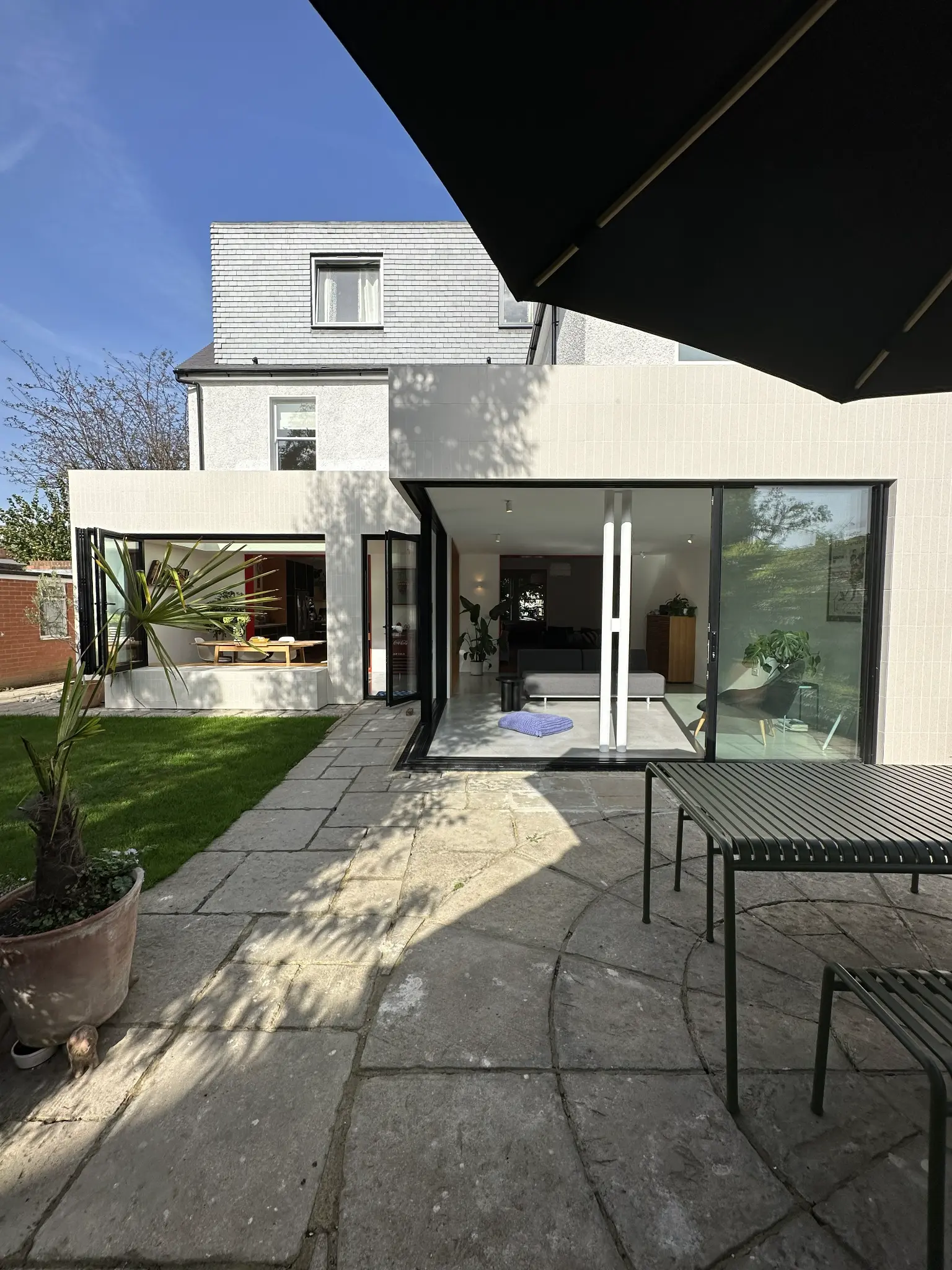
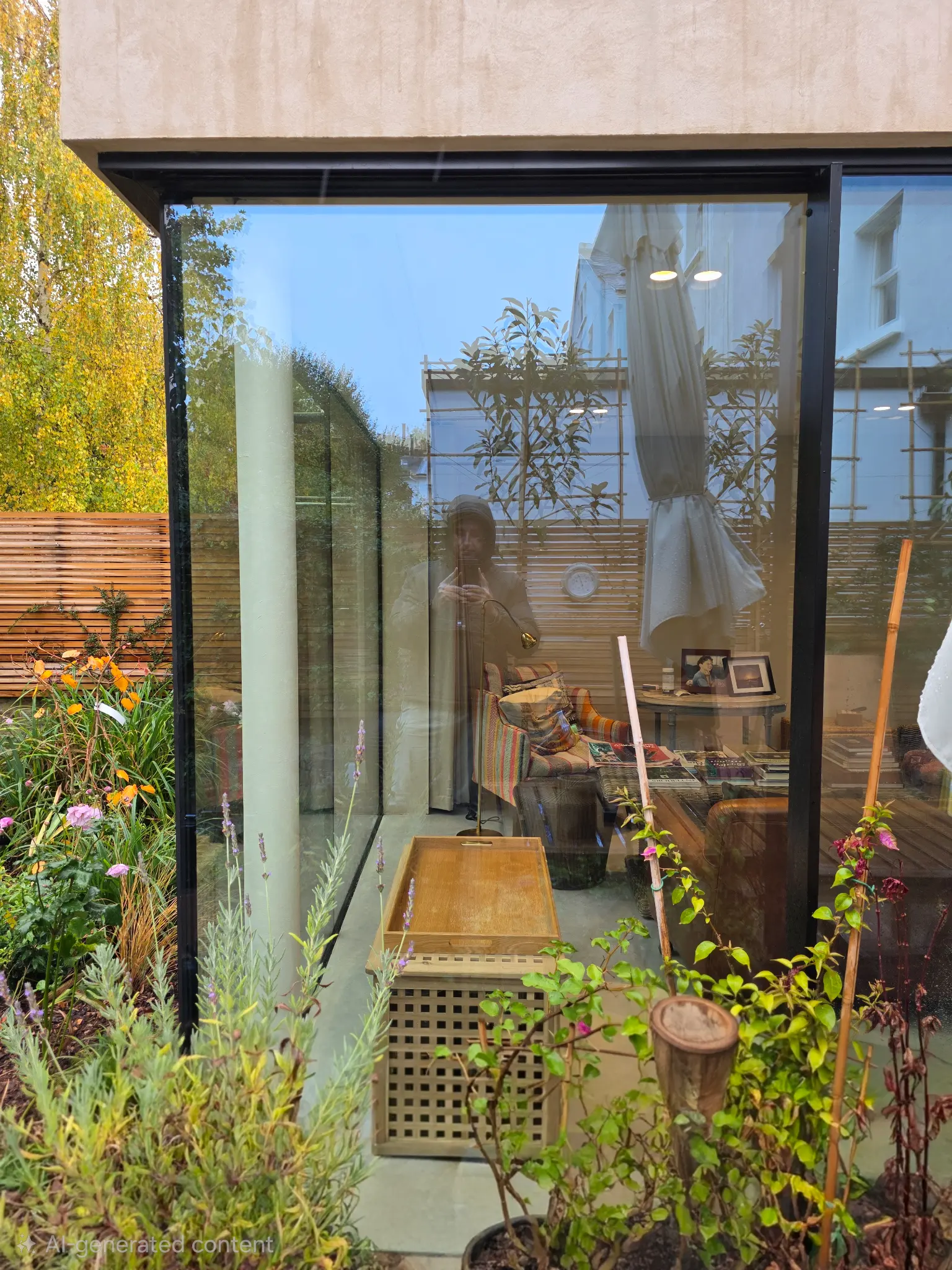
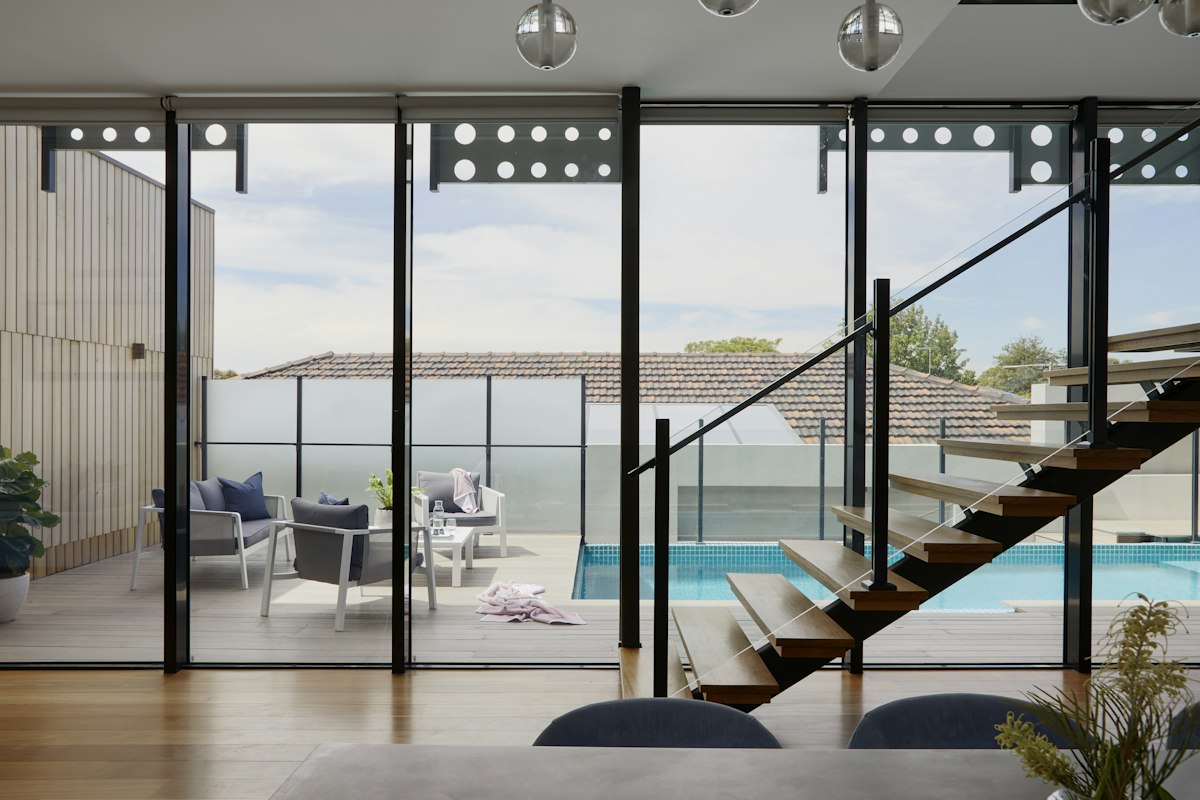
- Connecting Indoors with Outdoors: Bifold or sliding glass doors that lead to a garden or patio blur the lines between your interior and exterior, effectively extending your living space into the outdoors during warmer months.
Pro Tip
Consider the orientation of your property. South-facing glass doors will maximise natural light but may require solar control glazing to prevent overheating in summer. North-facing doors will benefit from maximum light transmission.
Types of Glass Doors for Space Maximisation
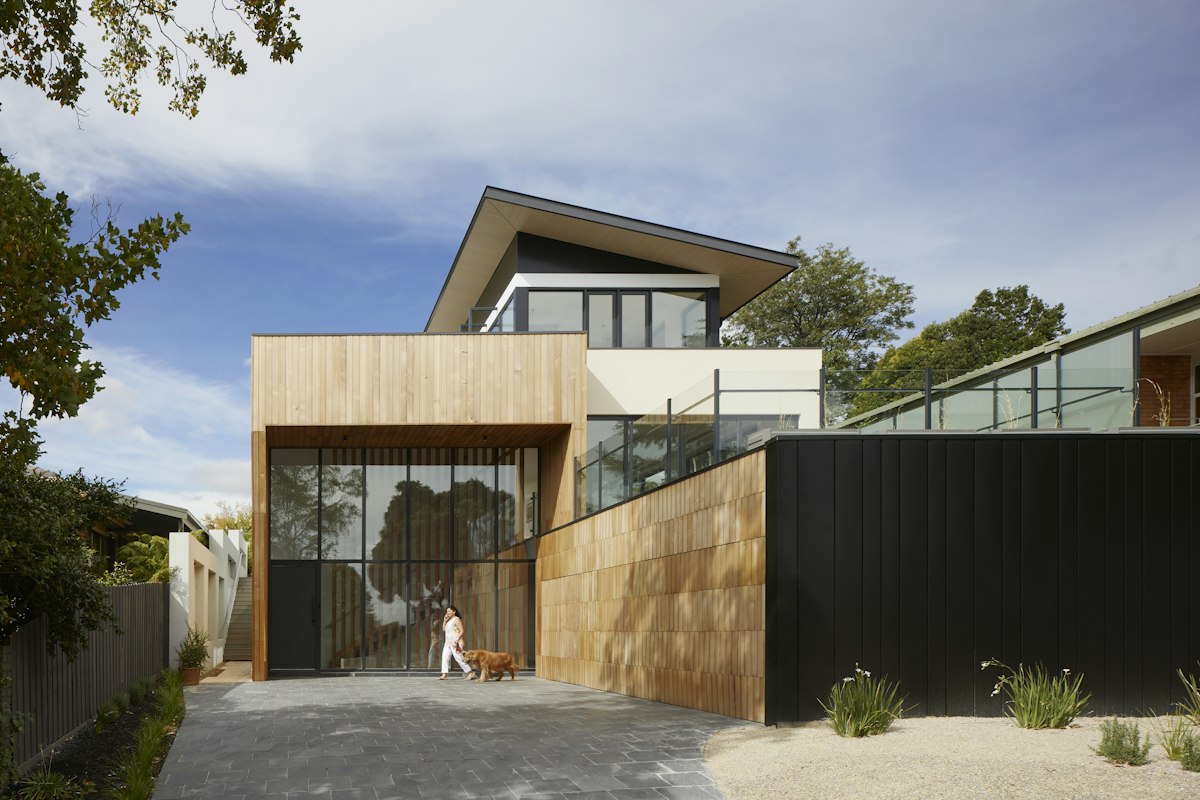
The market offers a diverse range of glass door systems, each with unique characteristics suited to different applications and space-saving needs.
Internal Glass Doors
- Sliding Glass Doors (Pocket & Surface Mounted): Ideal for areas where swing space is limited. Pocket doors disappear into a wall cavity, offering a completely unobstructed opening. Surface-mounted sliders run along a track parallel to the wall. They are excellent for en-suites, utility rooms, or connecting two living areas.
- Bifold Internal Doors: Consisting of multiple panels that fold back against themselves, bifolds can open up an entire wall, perfect for creating flexible open-plan spaces that can be sectioned off when needed.
- French Doors: While they require swing space, internal French doors (double doors with glass panels) offer a classic aesthetic and can open up a wider aperture than a single door, enhancing light flow between rooms.
- Crittall-Style Doors: Featuring slim steel frames with multiple glass panes, these doors offer an industrial-chic look while allowing significant light penetration. They are particularly effective for zoning open-plan areas without sacrificing light or visual connection.
External Glass Doors
- Sliding Patio Doors: Similar to internal sliders but built for external use, these are a popular choice for accessing gardens or patios without encroaching on internal or external space. Modern designs often feature slim frames for maximum glass area.
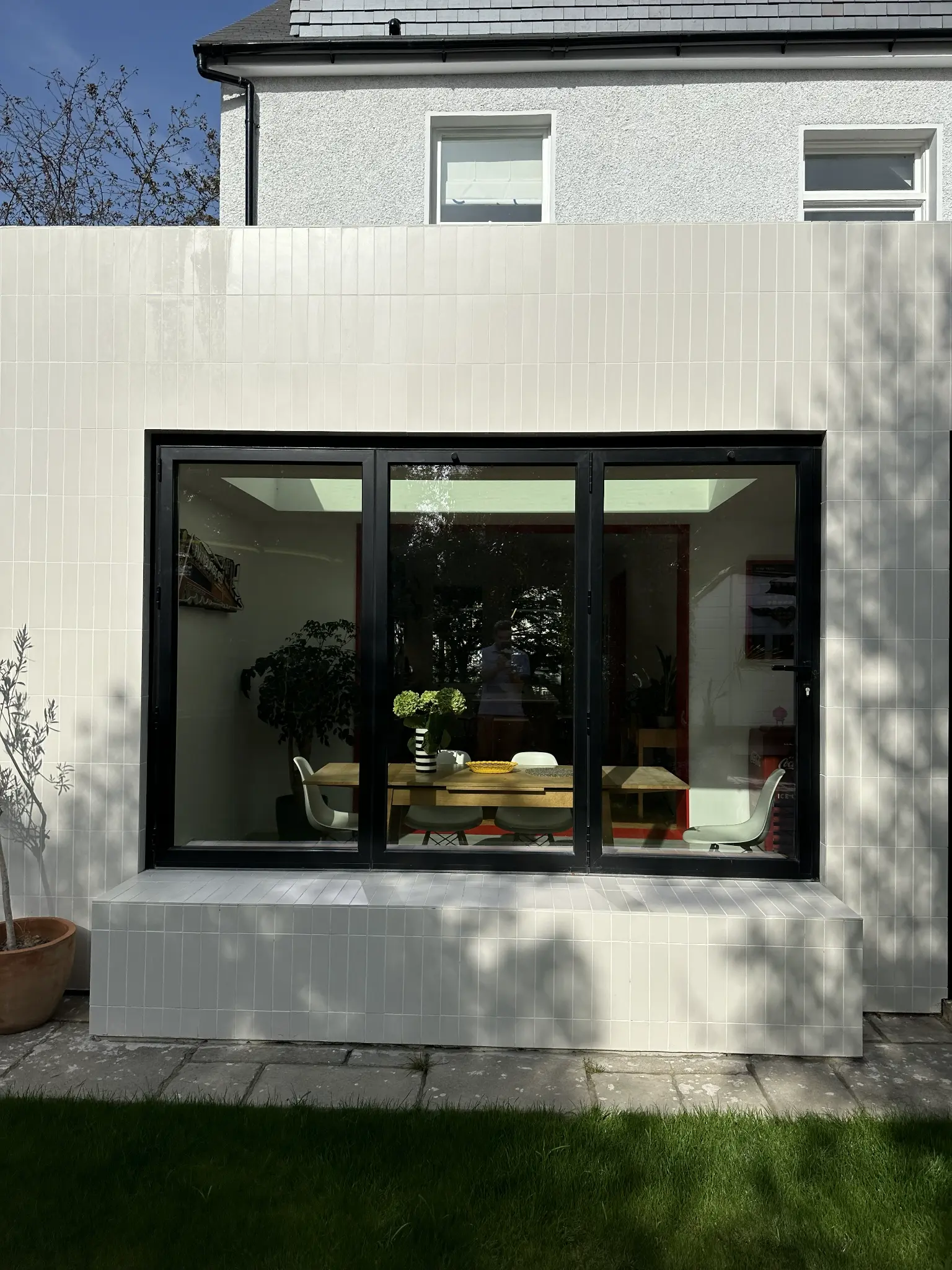
- Bifold Doors: A highly sought-after option for external walls, bifold doors can open up an entire façade, seamlessly connecting indoor living spaces with outdoor areas. They are excellent for entertaining and creating a truly expansive feel.
- French Doors: Classic and elegant, external French doors offer a wider opening than a single door and are often used as a charming entry to gardens or balconies.
Material and Glazing Considerations
The choice of frame material and type of glass significantly impacts performance, aesthetics, and compliance with regulations.
Frame Materials
- Aluminium: Known for its strength, durability, and ability to support large expanses of glass with very slim frames, maximising light. It's also low maintenance and available in various finishes.
- uPVC: A cost-effective and low-maintenance option, offering good thermal performance. Frame profiles can be thicker than aluminium.
- Timber: Offers a natural, warm aesthetic and excellent thermal properties. Requires more maintenance than uPVC or aluminium.
- Composite: Combines the best features of different materials, e.g., timber internally for aesthetics and aluminium externally for durability and low maintenance.
Glazing Options
- Double Glazing: Standard for external doors in the UK, providing good thermal insulation and noise reduction.
- Triple Glazing: Offers superior thermal performance and acoustic insulation, often chosen for homes in noisy areas or those aiming for Passivhaus standards.
- Low-E (Low Emissivity) Glass: Features a microscopic coating that reflects heat, keeping interiors warmer in winter and cooler in summer. Essential for energy efficiency.
- Toughened/Tempered Glass: Required for safety in doors and low-level glazing. It shatters into small, relatively harmless pieces if broken.
- Laminated Glass: Consists of two panes bonded by an interlayer, holding together if shattered. Offers enhanced security and sound reduction.
- Obscure/Frosted Glass: Used for privacy in bathrooms or overlooked areas, while still allowing light to pass through.
UK Building Regulations and Compliance
When installing or replacing glass doors, particularly external ones, it's crucial to understand and comply with UK Building Regulations. Failure to do so could affect the safety, energy efficiency, and legality of your installation, and may cause issues when selling your property.
Key Regulations to Consider:
- Part L (Conservation of Fuel and Power): This is paramount for external doors. All new and replacement external doors must meet stringent thermal performance standards. For new build properties, the U-value for windows and doors is 1.2 W/m²K. For replacement doors, it's 1.4 W/m²K. These values indicate how well a door insulates – lower is better.
- Part K (Protection from Falling, Collision and Impact): Relates to safety glazing. Any glass in doors or within 800mm of floor level in a door or window must be safety glass (toughened or laminated) to prevent serious injury in case of impact.
- Part B (Fire Safety): For internal doors, especially those in hallways or stairwells of multi-storey homes, fire-rated glass doors may be required to maintain escape routes and compartmentalise fire. This is less common for typical internal glass doors but essential to check if altering a protected route.
- Part F (Ventilation): If replacing existing windows or doors, you may need to ensure adequate background ventilation (e.g., trickle vents) is maintained or improved.
Building Control Approval: For external door replacements or new openings, you will typically need to notify your local Building Control body. Approved installers (e.g., FENSA or CERTASS registered companies) can self-certify their work, saving you the need to directly apply to Building Control. Always request a certificate of compliance upon completion.
Enhanced Light
Maximises natural daylight penetration, reducing the need for artificial lighting and creating brighter, more inviting interiors.
Visual Space
Extends sightlines and creates an illusion of greater depth and openness, making rooms feel larger and more connected.
Flexible Living
Allows for adaptable open-plan layouts, providing the option to zone areas when needed without sacrificing light or flow.
Property Value
Modern, energy-efficient glass doors are a desirable feature that can significantly enhance the aesthetic appeal and market value of your home.
Practical Considerations and Maintenance
Beyond aesthetics and regulations, several practical aspects should influence your choice and installation of glass doors.
Privacy
While transparency is a benefit, it can also be a drawback. For internal doors, consider frosted, reeded, or switchable smart glass for privacy. For external doors, blinds, curtains, or integral blinds (fitted between glass panes) offer flexible privacy and light control.
Security
External glass doors must offer robust security. Look for multi-point locking systems, laminated safety glass, and strong, reinforced frames. Ensure compliance with PAS 24 (Publicly Available Specification) standards for enhanced security.
Acoustics
Glass can transmit sound. If noise reduction is a priority (e.g., between a busy kitchen and a living room, or for external doors facing a noisy road), opt for thicker glass, laminated glass, or specialist acoustic glazing.
Cleaning and Maintenance
Glass doors, especially large expanses, will require regular cleaning to maintain their pristine appearance. Consider self-cleaning glass for external applications, which uses sunlight to break down organic dirt, making it easier to wash away with rain.
Cost and Installation
The cost of glass doors varies widely depending on type, size, frame material, glazing specification, and complexity of installation. Always obtain multiple quotes from reputable, FENSA/CERTASS registered installers. Professional installation is crucial for performance, longevity, and compliance.
Comparison of Common Glass Door Types
To help you decide, here's a quick comparison of popular options for maximising space:
| Door Type | Space Saving (Internal) | Light Maximisation | Aesthetics | Typical Use Case |
|---|---|---|---|---|
| Sliding (Pocket) | Excellent (disappears into wall) | Good (large glass panels) | Modern, minimalist | En-suites, utility rooms, connecting open-plan areas |
| Sliding (Surface) | Good (no swing space, but track visible) | Good (large glass panels) | Modern, industrial | Wardrobes, room dividers, small living spaces |
| Bifold (Internal) | Excellent (opens entire wall) | Excellent (multiple panels) | Contemporary, flexible | Zoning open-plan kitchens/dining, connecting conservatories |
| French Doors (Internal) | Moderate (requires swing space) | Very Good (classic, wide opening) | Traditional, elegant | Between living room and dining room, studies |
| External Bifold | Excellent (connects indoors/outdoors) | Excellent (large openings) | Contemporary, luxurious | Garden access, patio doors, extensions |
| External Sliding Patio | Excellent (no swing space) | Excellent (slim frames, large glass) | Modern, sleek | Garden access, balconies, smaller external openings |
Glass doors offer a compelling solution for UK homeowners looking to enhance their living spaces. By carefully considering the type of door, frame material, glazing options, and ensuring compliance with all relevant Building Regulations, you can achieve a brighter, more open, and ultimately more valuable home. The investment in quality glass doors is an investment in both lifestyle and property value, transforming confined areas into expansive, light-filled environments.
If you're considering enhancing your home with high-quality glass doors, Shard AG offers a comprehensive range of bespoke solutions tailored to the unique requirements of UK properties. Our expert team can guide you through the selection process, ensuring your chosen doors meet all aesthetic, performance, and regulatory standards.
Explore Our Products
Discover how Shard Architectural Glazing can transform your home with our premium glazing solutions:
Ready to Transform Your Home?
Get in touch with our expert team for a free consultation and personalised quote. We'll help you choose the perfect glazing solution for your property.