

Minimal Frame Glazing: A Guide for UK Homeowners
Discover minimal frame glazing for your UK home. Learn about its benefits, technical specifications, Building Regulations, and installation considerations.

Shard Architectural Glazing
5 April 2026
Discover minimal frame glazing for your UK home. Learn about its benefits, technical specifications, Building Regulations, and installation considerations.
📋In This Article
In contemporary architectural design, the pursuit of light, space, and seamless integration with the outdoors has led to significant innovations in glazing technology. Among these, minimal frame glazing stands out as a sophisticated solution, offering homeowners in the UK the opportunity to transform their living spaces. This comprehensive guide delves into what minimal frame glazing entails, its benefits, technical considerations, and how it aligns with UK building standards.
What is Minimal Frame Glazing?
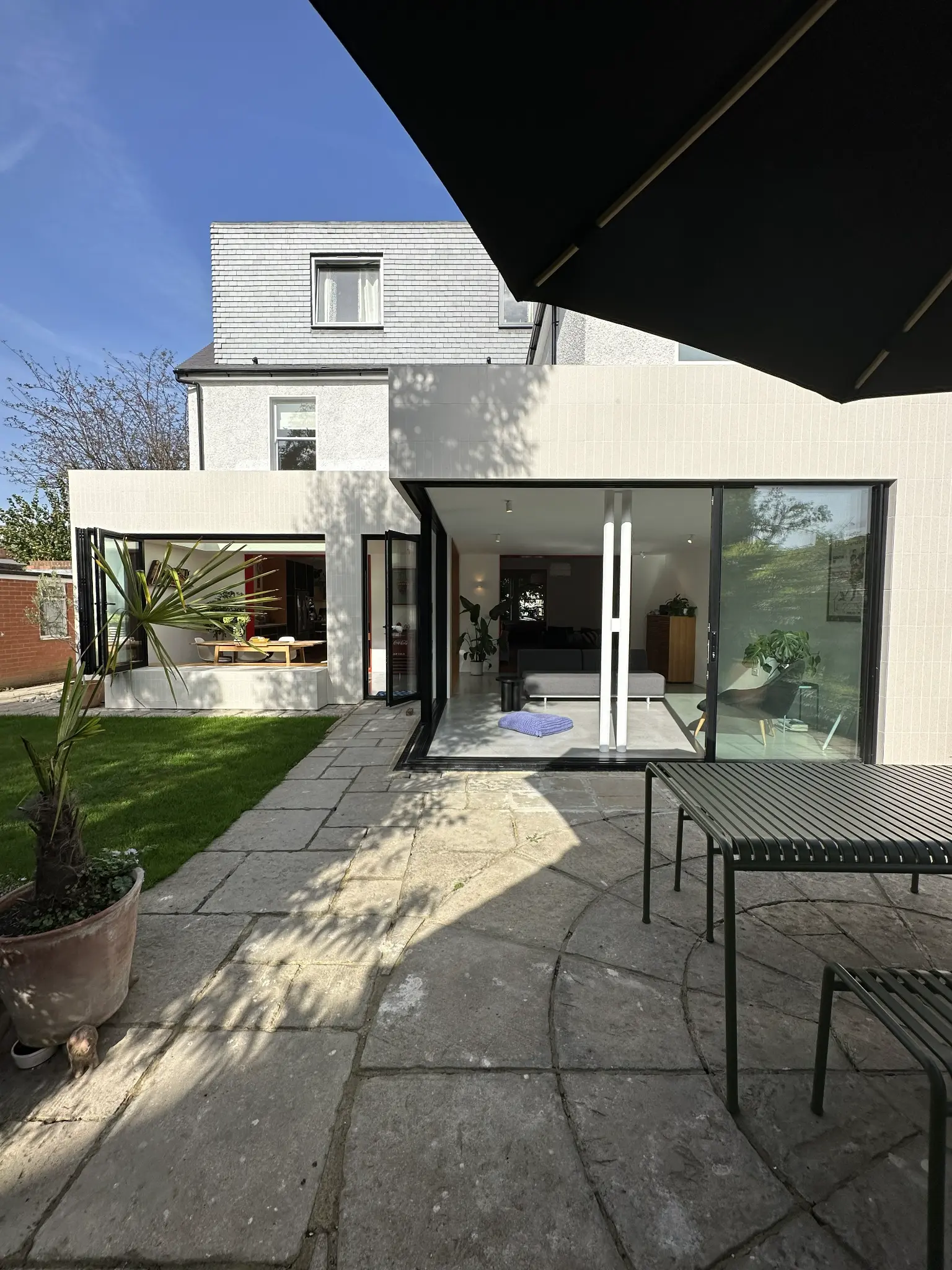
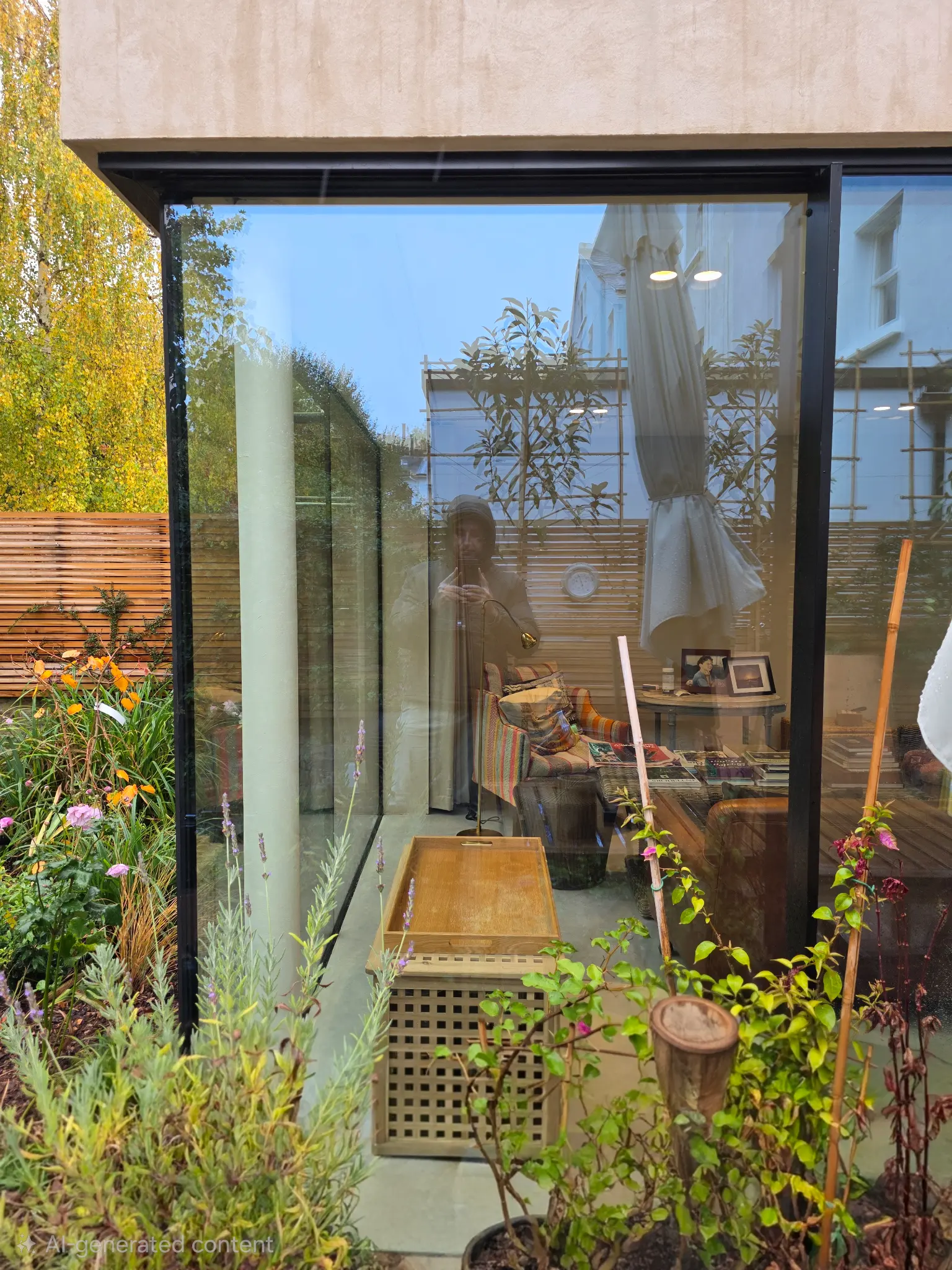
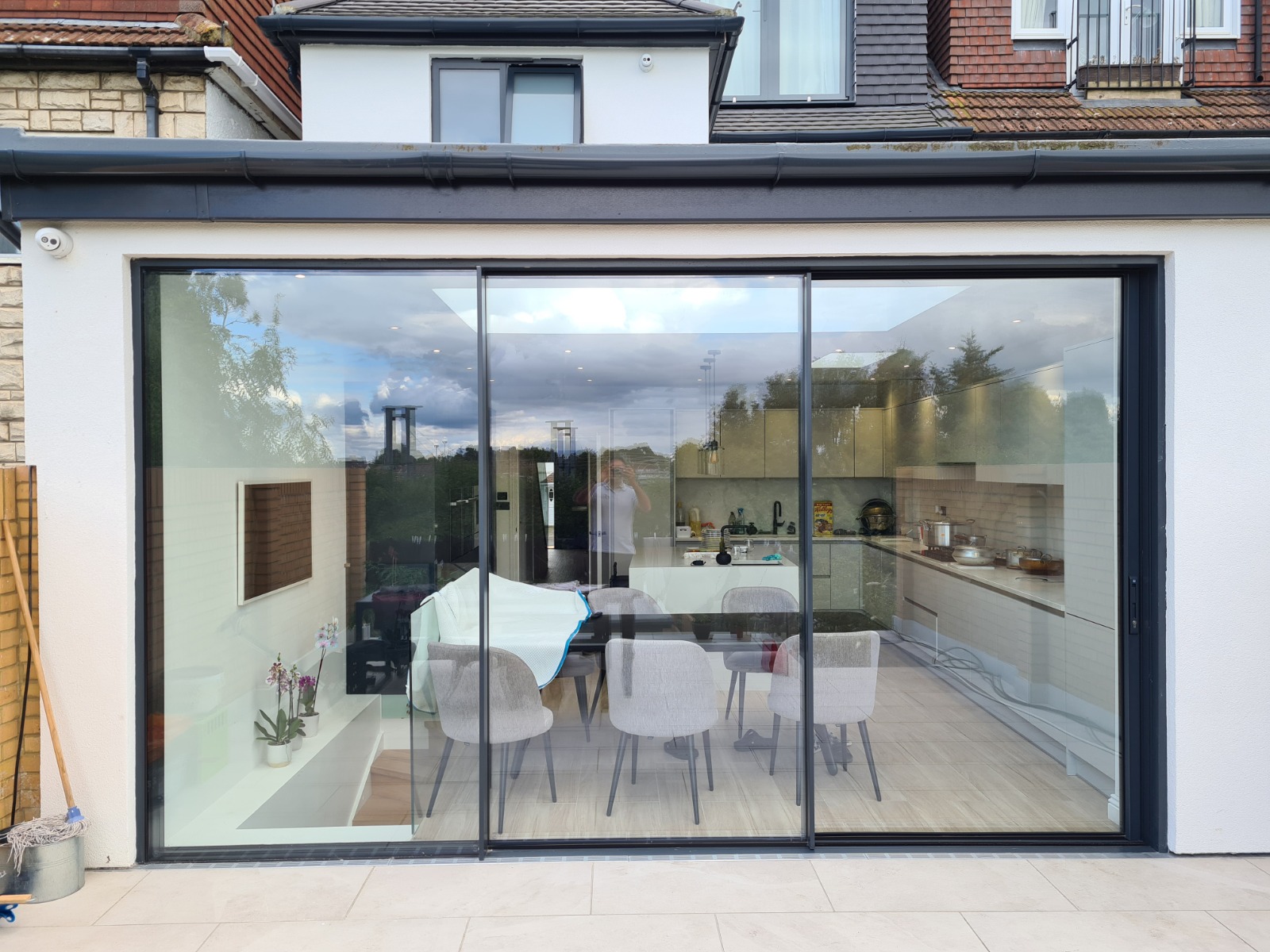
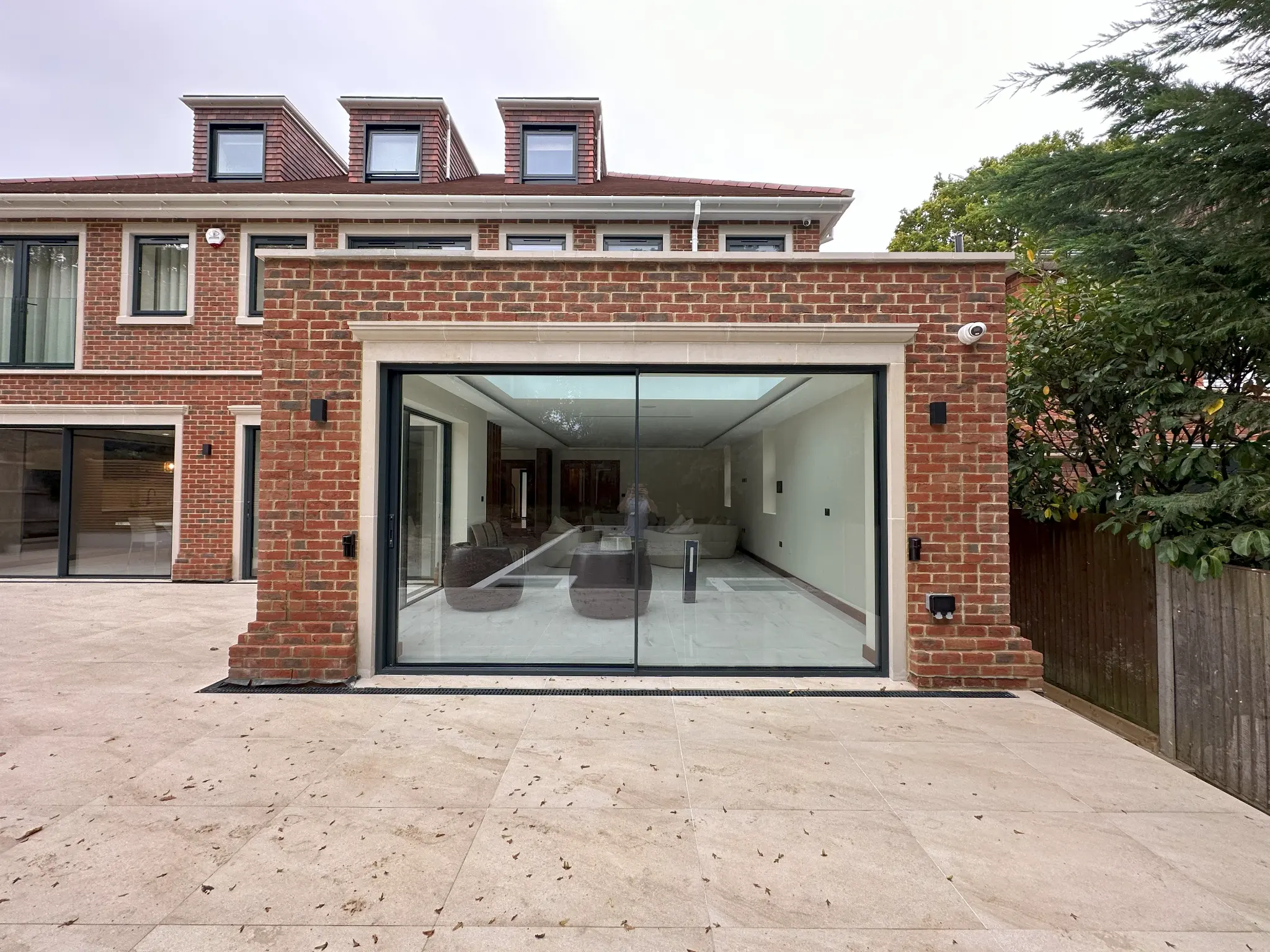
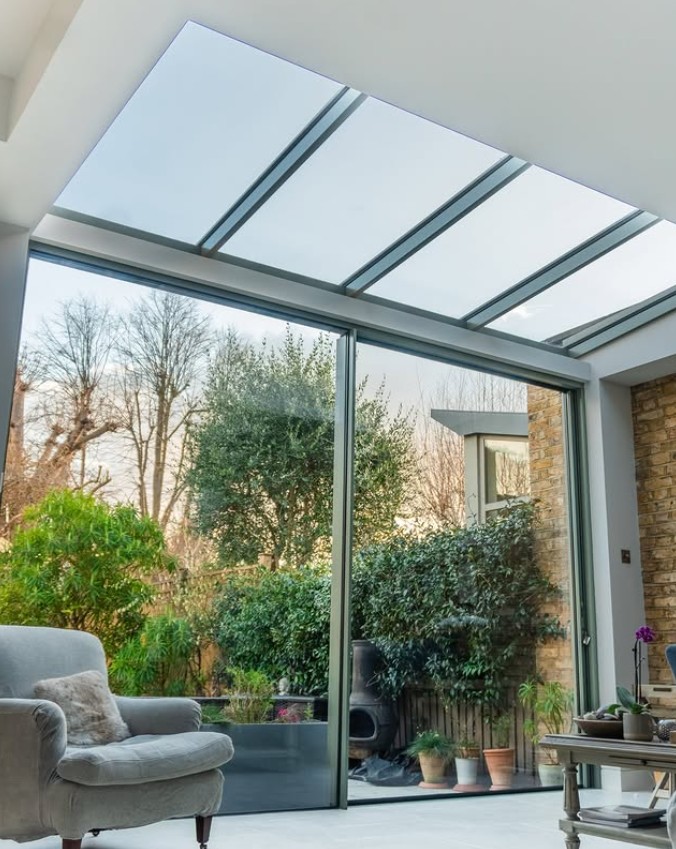
Minimal frame glazing, often referred to as slimline or frameless glazing, is an architectural system designed to maximise the visible glass area while minimising the obtrusiveness of the frame. Unlike traditional window and door systems where frames are a prominent feature, minimal frame systems utilise ultra-slim profiles, often recessed into the building's structure, to create an almost uninterrupted expanse of glass.
This design philosophy aims to blur the lines between indoor and outdoor environments, allowing for an abundance of natural light and expansive, panoramic views. The frames themselves are typically constructed from high-strength materials such as aluminium, which can support large glass panels while maintaining a slender profile. Advanced engineering allows for sophisticated mechanisms that enable these large glass panels to slide, pivot, or fold with ease, despite their considerable weight.
Benefits of Minimal Frame Systems for UK Homes
For UK homeowners, investing in minimal frame glazing offers a multitude of advantages that go beyond mere aesthetics.
Enhanced Natural Light
The primary benefit is the dramatic increase in natural light. By reducing frame obstruction, more sunlight penetrates the interior, making rooms feel brighter, larger, and more inviting. This can also reduce reliance on artificial lighting during the day, contributing to energy savings.
Uninterrupted Views
Minimal frames create expansive, panoramic views of your garden or surrounding landscape. This seamless connection with the outdoors enhances the sense of space and brings a feeling of tranquillity and openness into your home, particularly beneficial for properties with attractive vistas.
Modern Aesthetic Appeal
These systems lend a sleek, contemporary, and luxurious aesthetic to any property. They are a hallmark of modern architectural design, instantly elevating the perceived value and sophistication of a home. The clean lines and minimalist look complement various interior design styles.
Improved Thermal Performance
Despite their slim appearance, modern minimal frame systems are engineered for excellent thermal efficiency. When specified correctly with high-performance double or triple glazing, they can significantly contribute to maintaining comfortable indoor temperatures and reducing heat loss, aligning with stringent UK Building Regulations.
Types of Minimal Frame Glazing
- Sliding Doors: The most common application, allowing large panels to glide effortlessly, often pocketing into walls for a completely open aperture.
- Fixed Panels: Used to create large, uninterrupted glass walls, maximising light and views in areas where an opening is not required.
- Pivot Doors: A less common but striking option, where a large glass panel pivots on a central or offset axis, creating a grand entrance.
- Bifold Doors: While typically having slightly thicker frames than true minimal sliding systems, slimline bifold options offer the ability to fully open up an entire wall.
Technical Specifications and Considerations
When considering minimal frame glazing for your UK home, several technical aspects are crucial for performance, longevity, and compliance.
U-Values and Thermal Performance
The U-value measures how effectively a building element prevents heat from escaping. A lower U-value indicates better insulation. For new build properties and extensions in England, Part L of the Building Regulations (2022) mandates a maximum U-value of 1.2 W/m²K for windows and doors. For replacement glazing, the requirement is 1.4 W/m²K. Reputable minimal frame systems are designed to meet or exceed these standards, often achieving U-values as low as 0.8-1.0 W/m²K with triple glazing.
- Glass Specification: The choice of glass is paramount. Options include:
- Low-emissivity (Low-E) coatings: Reflect heat back into the room.
- Argon or Krypton gas infills: Between panes to improve insulation.
- Warm edge spacers: Reduce thermal bridging at the glass edge.
- Triple Glazing: Offers superior thermal performance, often necessary to achieve the lowest U-values, especially for very large panels.
Structural Integration and Weight
Minimal frame systems, especially those with large glass panels, can be significantly heavy. Proper structural support is critical. This often requires:
- Reinforced lintels or steelwork: To bear the weight above the opening.
- Robust foundations: To support the base track, particularly for sliding systems.
- Professional structural engineering assessment: Essential during the design phase to ensure the existing or new structure can safely accommodate the glazing.
Weather Resistance and Drainage
Given the UK's often challenging weather, robust weather sealing and effective drainage are non-negotiable. Minimal frame systems should feature:
- Multi-point locking systems: For enhanced security and compression of seals.
- Integrated drainage channels: To manage rainwater and prevent ingress.
- High-quality seals and gaskets: To prevent draughts and water penetration.
Security
Modern minimal frame systems incorporate advanced security features, despite their slender appearance. Look for:
- Multi-point locking mechanisms: Engaging at several points along the frame.
- Toughened or laminated safety glass: More resistant to impact.
- Secure interlocking profiles: Between sliding panels.
- Compliance with PAS 24: A UK standard for enhanced security performance for doors and windows.
Pro Tip
Always request U-value certificates and security accreditations (e.g., PAS 24) for the specific minimal frame system you are considering. This ensures compliance and peace of mind regarding performance and safety.
UK Building Regulations and Compliance
Any significant alteration or addition to your home involving glazing must comply with UK Building Regulations. For minimal frame systems, the most relevant parts are:
- Part L (Conservation of Fuel and Power): As mentioned, this dictates U-value requirements for thermal performance. For new build and extensions, walls must achieve 0.18 W/m²K, floors 0.18 W/m²K, and roofs 0.15 W/m²K. Windows and doors must meet 1.2 W/m²K for new builds and 1.4 W/m²K for replacements.
- Part K (Protection from Falling, Collision and Impact): Relates to the safety of glazing. Large glass panels, especially those extending to floor level, must be made from safety glass (toughened or laminated) to prevent injury in case of breakage.
- Part F (Ventilation): Requires adequate ventilation in habitable rooms. This typically means trickle vents or alternative ventilation strategies must be incorporated, even with large fixed glazing.
- Part B (Fire Safety): Depending on the location and proximity to boundaries, fire safety considerations may apply, particularly for large glazed areas.
It is highly advisable to consult with your local Building Control body or a qualified architect/designer early in your project. They can provide specific guidance on how your chosen minimal frame system will comply with all relevant regulations.
Planning Permission vs. Building Regulations
It's important to distinguish between Planning Permission and Building Regulations:
- Planning Permission: Governs the appearance, size, and use of buildings. Large glazed areas, especially in conservation areas or listed buildings, may require planning consent.
- Building Regulations: Focus on the structural integrity, safety, and performance of the building.
Even if your project falls under Permitted Development (and thus doesn't require Planning Permission), it will almost certainly need to comply with Building Regulations. Failure to comply could lead to issues when selling the property or if local authorities become aware of non-compliant work.
Installation and Maintenance
The Importance of Expert Installation
Due to the precision engineering and often significant weight of minimal frame systems, professional installation is paramount. An experienced installer will ensure:
- Accurate measurements and structural preparation.
- Correct levelling and alignment of tracks and frames.
- Proper sealing and weatherproofing.
- Smooth operation of sliding or pivot mechanisms.
- Adherence to manufacturer's guidelines and Building Regulations.
Poor installation can lead to operational issues, draughts, water ingress, and compromised thermal performance, negating the benefits of a high-quality product.
Maintenance
Minimal frame systems are generally low maintenance. Regular cleaning of the glass and occasional lubrication of moving parts (tracks, rollers) will ensure smooth operation and longevity. It's also wise to periodically check seals and drainage channels for blockages or wear.
Cost Implications
Minimal frame glazing represents a premium product in the glazing market. The cost is typically higher than standard window and door systems due to:
- Specialised engineering and materials: High-strength aluminium, precision components.
- Large, high-performance glass panels: Often custom-made.
- Complex installation: Requiring skilled labour and sometimes specialist lifting equipment.
- Structural modifications: Necessary to support the weight and integrate the frames.
While the initial outlay is higher, the long-term benefits in terms of aesthetics, natural light, thermal performance, and property value can offer a significant return on investment.
Minimal Frame vs. Standard Aluminium Glazing
| Feature | Minimal Frame Glazing | Standard Aluminium Glazing |
|---|---|---|
| Frame Thickness (Visible) | Typically 15-30mm | Typically 50-80mm+ |
| Visible Glass Area | Maximised (90%+ glass) | Moderate (60-80% glass) |
| Aesthetic | Sleek, contemporary, almost frameless | Modern, but frames are prominent |
| Typical U-Value (Double Glazed) | 1.0 - 1.4 W/m²K | 1.2 - 1.6 W/m²K |
| Typical U-Value (Triple Glazed) | 0.8 - 1.0 W/m²K | 1.0 - 1.2 W/m²K |
| Structural Integration | Often requires recessed frames, significant structural support | Surface mounted, less structural modification |
| Cost | Premium | Mid-range |
| Installation Complexity | High (specialised) | Moderate |
Conclusion
Minimal frame glazing offers an unparalleled way to enhance the beauty, light, and perceived space within a UK home. While it represents a significant investment and requires careful planning and expert installation, the transformative effect on living environments is undeniable. By understanding the technical specifications, adhering to Building Regulations, and working with experienced professionals, homeowners can successfully integrate these stunning systems into their properties, creating truly exceptional spaces that are both beautiful and highly functional.
If you're considering minimal frame glazing for your project, consulting with a specialist architectural glazing supplier like Shard AG can provide invaluable insights. Our team can guide you through the options, ensure compliance with UK Building Regulations, and help you select the perfect minimal frame solution to achieve your design aspirations.
Explore Our Products
Discover how Shard Architectural Glazing can transform your home with our premium glazing solutions:
Ready to Transform Your Home?
Get in touch with our expert team for a free consultation and personalised quote. We'll help you choose the perfect glazing solution for your property.