

Modern Architectural Trends: Design & Glazing for UK Homes
Explore contemporary architectural trends for UK homeowners, focusing on design principles, glazing innovations, and compliance with Building Regulations.

Shard Architectural Glazing
27 March 2026
Explore contemporary architectural trends for UK homeowners, focusing on design principles, glazing innovations, and compliance with Building Regulations.
📋In This Article
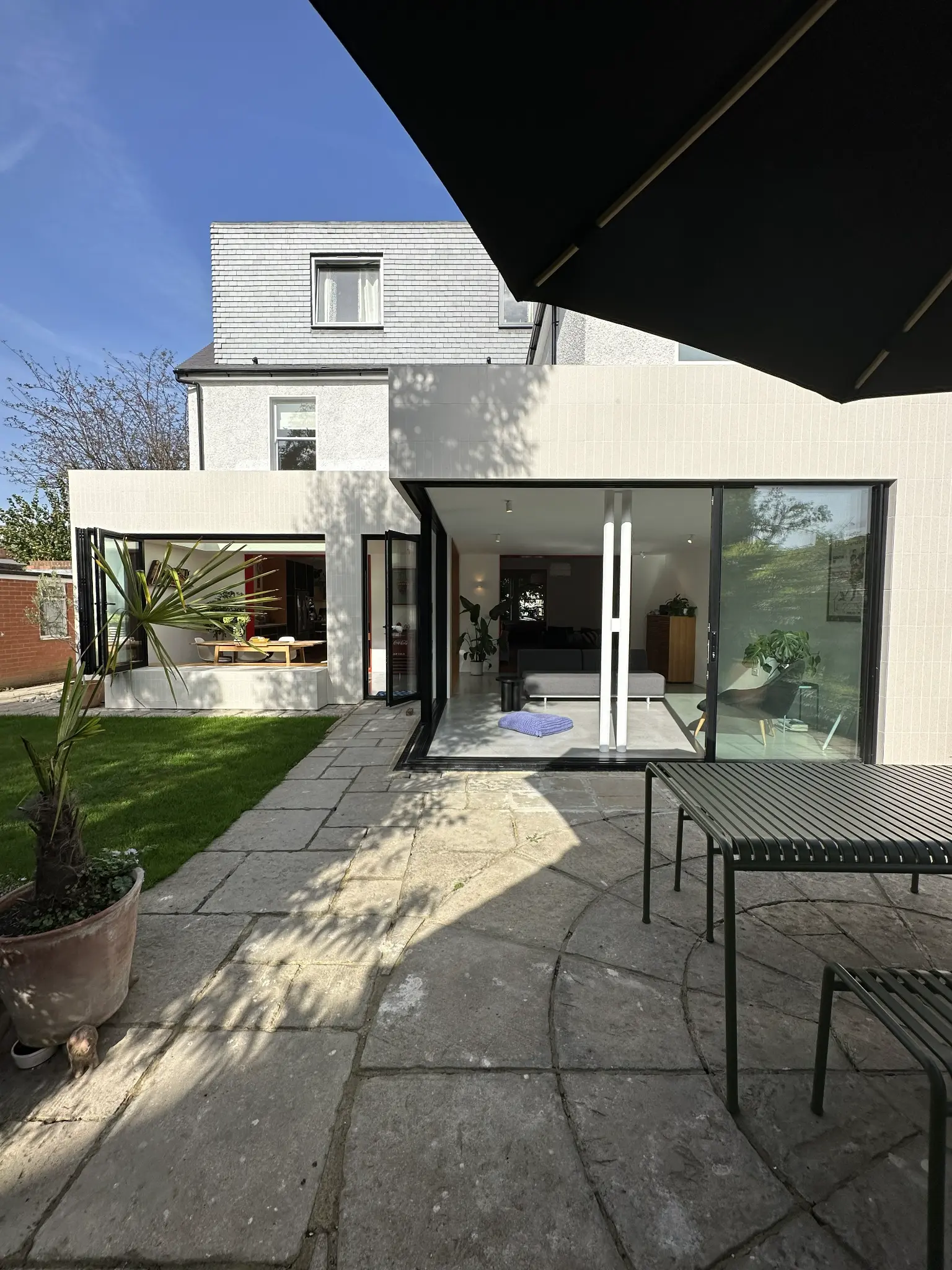
Modern architectural trends are continually evolving, offering homeowners in the UK exciting new possibilities for creating beautiful, functional, and energy-efficient living spaces. From minimalist aesthetics to biophilic design, these trends often prioritise natural light, open-plan living, and a seamless connection with the outdoors. Understanding these concepts, along with their practical implications and compliance with UK Building Regulations, is crucial for anyone considering a contemporary home renovation or new build.
The Essence of Modern Architectural Design
Modern architecture, particularly in a residential context, often moves beyond purely aesthetic considerations to embrace principles of sustainability, efficiency, and well-being. While specific styles may vary, several core tenets tend to unify contemporary designs:
- Simplicity and Clean Lines: A rejection of ornate detailing in favour of uncluttered forms, smooth surfaces, and a minimalist aesthetic.
- Open-Plan Living: Maximising space and light by reducing internal walls, fostering a sense of connectivity and flow between living areas.
- Connection to Nature: Integrating the indoor and outdoor environments through large glazing, courtyards, and natural materials.
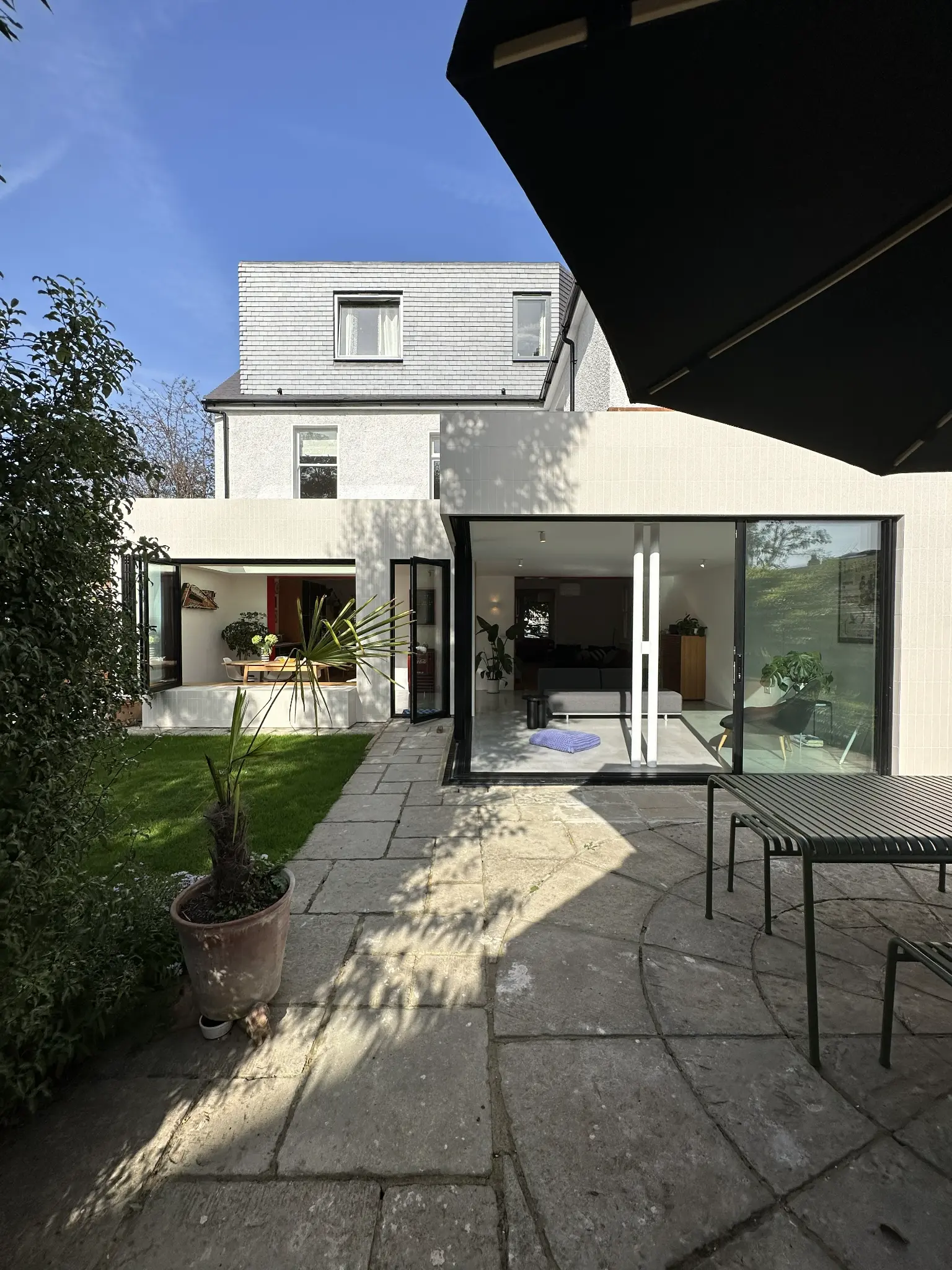
- Emphasis on Natural Light: Utilising large windows, rooflights, and glazed doors to flood interiors with daylight, reducing reliance on artificial lighting.
- Material Honesty: Celebrating the inherent qualities of materials like timber, concrete, brick, and glass, often leaving them exposed.
- Energy Efficiency and Sustainability: Incorporating passive design strategies, high-performance insulation, and renewable energy sources.
Popular Modern Styles in the UK
- Minimalist: Characterised by extreme simplicity, a monochromatic palette, and a focus on essential elements.
- Contemporary Barn Conversions/New Builds: Blending traditional agricultural forms with modern materials and large expanses of glass.
- Scandinavian Influence: Light-filled, functional spaces with natural wood, neutral colours, and a focus on comfort (hygge).
- Industrial Chic: Exposed structural elements, raw materials like concrete and steel, often seen in urban developments or conversions.
- Biophilic Design: Integrating natural elements and processes into the built environment to improve occupant health and well-being.
Pro Tip
When planning a modern extension or new build, consider the orientation of your property. Strategic placement of large glazed areas can maximise solar gain in winter and minimise overheating in summer, contributing significantly to energy efficiency and comfort.
The Role of Glazing in Modern Design
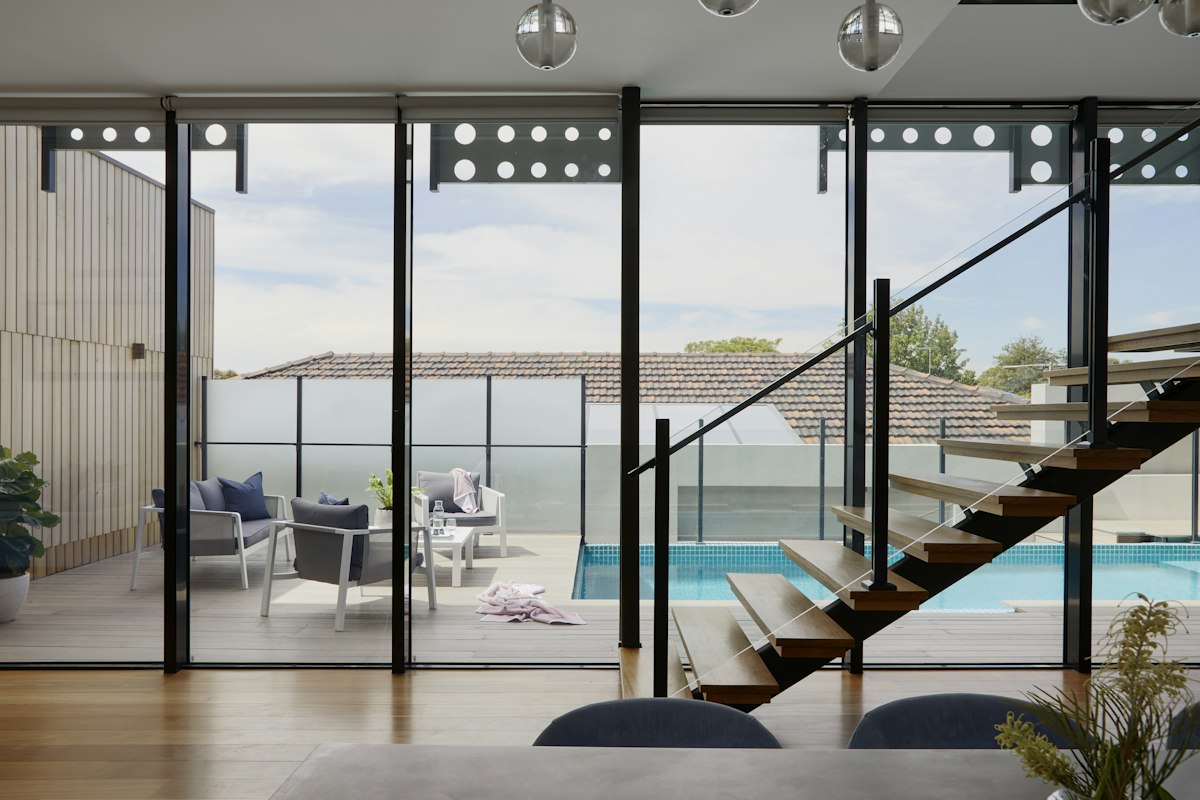
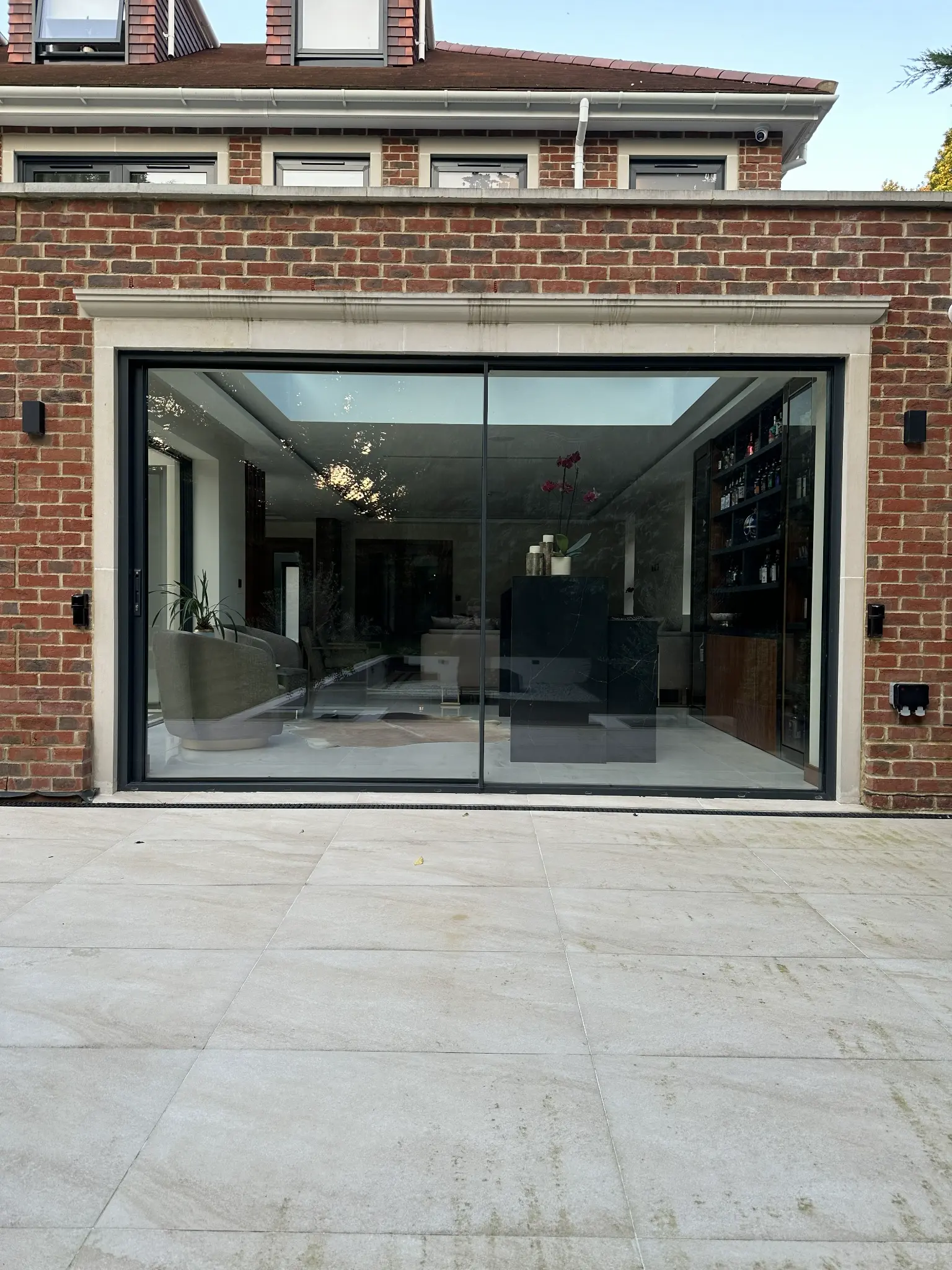
Glazing is arguably the most defining feature of modern architecture. Large, often frameless, glass panels are central to achieving the desired aesthetic of openness, light, and connection. However, the choice of glazing is not merely aesthetic; it has profound implications for thermal performance, security, and structural integrity.
Key Glazing Innovations and Trends
- Large Format Sliding and Bifold Doors: These allow entire walls to open up, blurring the lines between indoor and outdoor spaces. Modern systems offer slim sightlines and excellent thermal performance.
- Picture Windows: Fixed, expansive panes of glass that frame views like artwork, often used in conjunction with minimal frames.
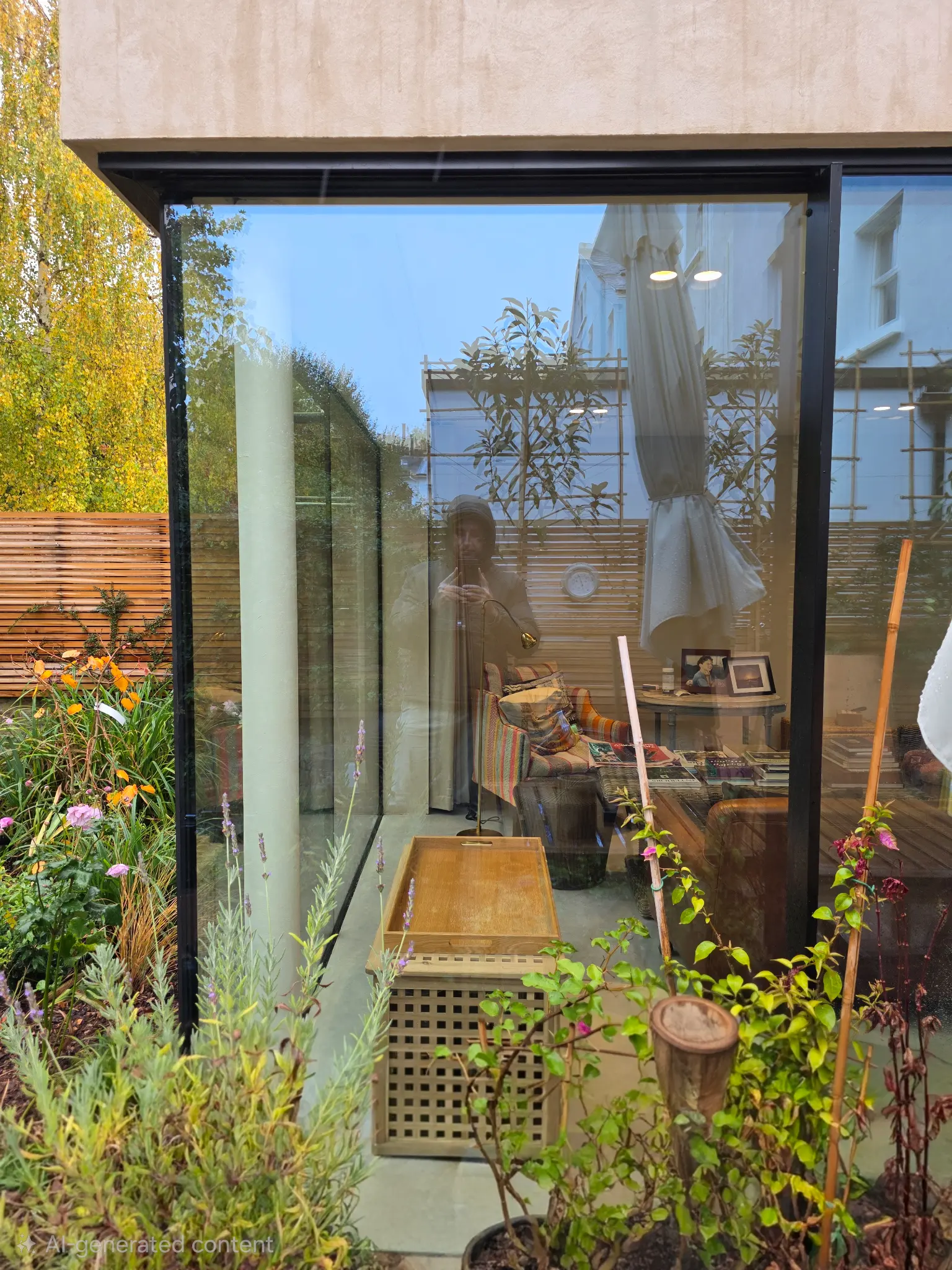
- Structural Glazing: Where glass itself forms part of the building's structure, often seen in glass box extensions or corner windows without visible frames.
- Rooflights and Skylights: Essential for bringing natural light deep into open-plan interiors, especially in single-storey extensions or areas away from external walls.
- Curtain Walling: A non-load-bearing outer wall, typically glazed, that provides a façade for multi-storey buildings, offering vast expanses of glass.
- Smart Glass: Electrically switchable glass that can change from transparent to opaque, offering privacy on demand or controlling solar gain.
Thermal Performance and UK Building Regulations
While large glazed areas are desirable, they historically posed a challenge for thermal efficiency. Modern glazing technology has largely overcome this. In the UK, compliance with Approved Document L of the Building Regulations (2022 edition for England) is mandatory for new builds, extensions, and significant renovations.
Key U-value requirements for thermal insulation are:
- Walls (new build & extensions): 0.18 W/m²K
- Floors: 0.18 W/m²K
- Roofs: 0.15 W/m²K
- Windows/Doors (new build): 1.2 W/m²K
- Windows/Doors (replacement): 1.4 W/m²K
Modern glazing systems, particularly those using double or triple glazing with low-emissivity (low-e) coatings and inert gas fills (like argon or krypton), can comfortably meet or exceed these requirements. It's important to specify products with certified U-values and ensure their installation adheres to manufacturer guidelines to maintain performance.
Materiality and Sustainability
The choice of materials is integral to modern architectural trends, influencing both aesthetics and environmental impact. There's a growing emphasis on sustainable, durable, and locally sourced materials.
Common Materials in Modern UK Homes
- Timber: Used for cladding, structural elements, and internal finishes. Sourcing certified sustainable timber (FSC or PEFC) is crucial.
- Concrete: Often left exposed for an industrial aesthetic, providing thermal mass, and offering durability.
- Brick: Contemporary brickwork can be used in innovative patterns or in contrasting colours to traditional styles.
- Steel: For structural frames, slim window frames, and industrial detailing.
- Aluminium: The preferred material for modern window and door frames due to its strength, durability, slim sightlines, and recyclability.
- Natural Stone: For flooring, cladding, or feature walls, connecting the home to its natural surroundings.
Sustainable Design Principles
Beyond material choice, modern architecture increasingly incorporates passive design strategies to minimise energy consumption:
- Optimised Orientation: Placing living spaces to maximise natural light and solar gain, while service areas act as thermal buffers.
- High Levels of Insulation: Exceeding Building Regulation minimums for walls, floors, and roofs to reduce heat loss.
- Airtightness: Minimising uncontrolled air leakage (draughts) to prevent heat loss and improve indoor air quality, measured by an air permeability test.
- Natural Ventilation: Designing for cross-ventilation to cool spaces naturally in warmer months.
- Renewable Energy Systems: Integration of technologies like solar PV panels, air source heat pumps, or ground source heat pumps.
Challenges and Considerations
While modern architectural trends offer many benefits, homeowners should be aware of potential challenges:
Cost Implications
Achieving high levels of insulation, large bespoke glazing, and premium materials can increase initial construction costs compared to conventional builds. However, long-term energy savings can offset this.
Overheating Risk
Large south-facing glazed areas, if not properly designed with shading (e.g., overhangs, external blinds) or high-performance solar control glass, can lead to overheating in summer. This is a critical consideration under Building Regulations Part O (Overheating).
Privacy Concerns
Extensive glazing can compromise privacy, especially in urban or overlooked locations. Careful design, landscaping, or the use of smart glass may be necessary.
Maintenance
Large glass surfaces require regular cleaning to maintain their aesthetic appeal. Access for cleaning, especially for high or fixed panes, should be considered during design.
Planning and Building Control
Embarking on a modern architectural project in the UK requires careful navigation of the planning system and Building Regulations.
Planning Permission
Many modern designs, especially new builds or significant extensions, will require planning permission. Local planning authorities often have policies regarding design, materials, and impact on the surrounding area. Engaging with an architect experienced in modern design and local planning policy is highly advisable.
Building Regulations Compliance
Regardless of planning permission, all building work must comply with Building Regulations. This covers aspects like structural integrity (Part A), fire safety (Part B), sound insulation (Part E), ventilation (Part F), conservation of fuel and power (Part L), and overheating (Part O). Your architect or builder will typically handle the Building Control application, but understanding the key requirements is beneficial.
Here's a comparison of typical U-values for common building elements:
| Building Element | UK Building Regs Part L (2022) - New Build/Extension | Typical Modern Design Target |
|---|---|---|
| External Walls | 0.18 W/m²K | 0.12 - 0.15 W/m²K |
| Floors | 0.18 W/m²K | 0.12 - 0.15 W/m²K |
| Roofs | 0.15 W/m²K | 0.09 - 0.12 W/m²K |
| Windows (New Build) | 1.2 W/m²K | 0.8 - 1.0 W/m²K (Triple Glazing) |
| Windows (Replacement) | 1.4 W/m²K | 1.0 - 1.2 W/m²K (High-Perf. Double Glazing) |
Meeting or exceeding these targets is not just about compliance; it directly translates to a more comfortable, energy-efficient, and cost-effective home in the long run.
Conclusion
Modern architectural trends offer an exciting pathway to creating homes that are not only visually striking but also highly functional, energy-efficient, and deeply connected to their surroundings. By embracing principles of simplicity, natural light, and sustainable materials, UK homeowners can achieve spaces that enhance their quality of life.
The success of such projects hinges on careful planning, a deep understanding of glazing technology, strict adherence to UK Building Regulations, and collaboration with experienced professionals. When considering large-scale glazing elements for your modern design, selecting high-performance, aesthetically pleasing solutions is paramount. Shard AG specialises in bespoke architectural glazing, offering a range of innovative products designed to meet the demands of contemporary architecture and the stringent requirements of UK Building Regulations. Our expertise ensures that your vision for a light-filled, open, and efficient home can become a stunning reality.
Explore Our Products
Discover how Shard Architectural Glazing can transform your home with our premium glazing solutions:
Ready to Transform Your Home?
Get in touch with our expert team for a free consultation and personalised quote. We'll help you choose the perfect glazing solution for your property.