

Open Plan Living & Glazing: Design, Regulations & Benefits
Explore the world of open plan living with architectural glazing. Understand design considerations, UK Building Regulations (Part L 2022), and the benefits for your home.

Shard Architectural Glazing
6 April 2026
Explore the world of open plan living with architectural glazing. Understand design considerations, UK Building Regulations (Part L 2022), and the benefits for your home.
📋In This Article
Open plan living has become a cornerstone of modern home design, offering a sense of spaciousness, light, and connectivity that traditional layouts often lack. When combined with innovative architectural glazing solutions, this design philosophy can truly transform a property, creating dynamic, light-filled spaces that seamlessly blend indoor and outdoor environments. This comprehensive guide will delve into the intricacies of integrating glazing into open plan designs, covering everything from aesthetic considerations to crucial UK Building Regulations.
The Appeal of Open Plan Living with Glazing
The desire for open plan spaces stems from a shift in how we use our homes. Modern lifestyles often call for flexible areas that can adapt to various activities, from family gatherings to quiet relaxation. Breaking down internal walls creates larger, more versatile rooms, fostering a greater sense of connection between occupants and enhancing natural light penetration. When large expanses of glazing are introduced, these benefits are amplified.
Enhanced Natural Light
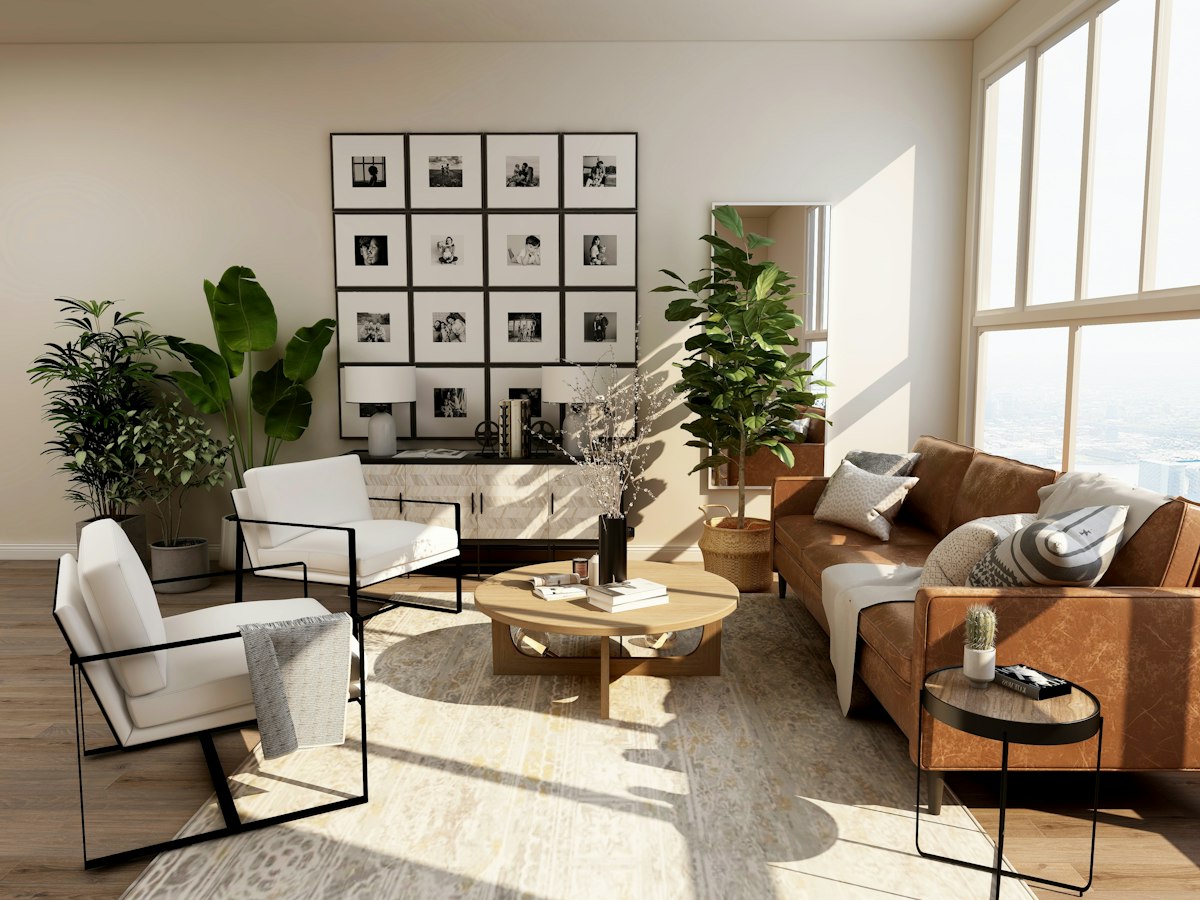
One of the most significant advantages is the dramatic increase in natural light. Large windows, bifold doors, sliding doors, and rooflights can flood open plan areas with daylight, reducing the need for artificial lighting during the day. This not only saves energy but also contributes to improved mood and well-being.
Seamless Indoor-Outdoor Connection
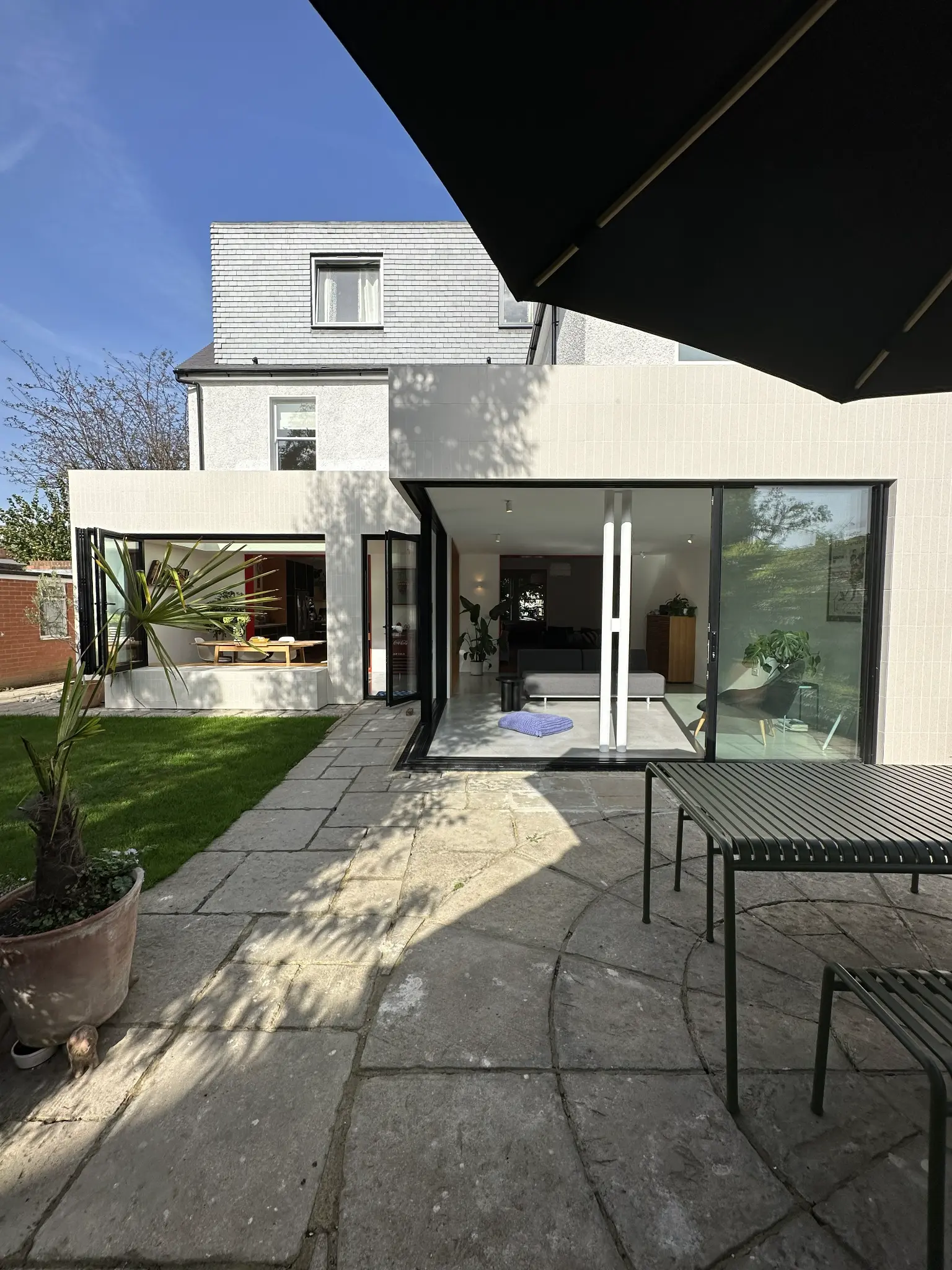
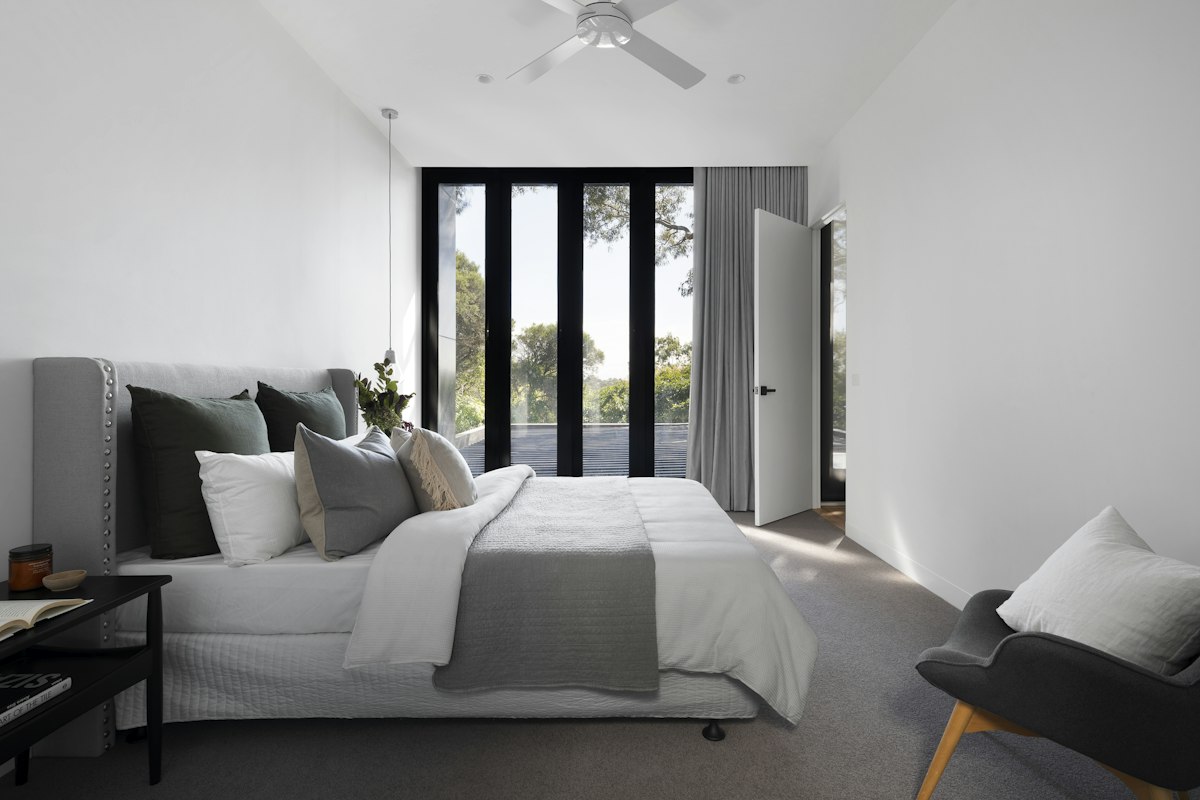
Glazing, particularly large-format sliding or bifold doors, can effectively blur the lines between your interior living space and your garden or patio. This creates an expansive feel, making outdoor areas feel like an extension of your home, especially during warmer months. It's perfect for entertaining or simply enjoying the view.
Improved Flow and Communication
Open plan layouts inherently improve flow and communication within the home. A parent can cook in the kitchen while supervising children playing in the living area, or guests can mingle freely between different zones. Glazing further enhances this by providing visual connections to other parts of the house or the external environment.
Aesthetic Impact
Architectural glazing adds a contemporary and sophisticated aesthetic to any home. The sleek lines of modern frames, combined with expansive glass panels, create a striking visual impact, making spaces feel larger, more luxurious, and intrinsically connected to their surroundings.
Maximised Natural Light
Large glazing units significantly increase daylight penetration, reducing reliance on artificial lighting and enhancing mood.
Seamless Transitions
Bifold and sliding doors create an effortless connection between indoor living spaces and outdoor areas, extending your home.
Enhanced Spatial Perception
Open plan layouts combined with glazing make rooms feel considerably larger and more airy, improving overall spaciousness.
Modern Aesthetic Appeal
Contemporary glazing adds a sophisticated, high-end finish, boosting your home's visual appeal and potential value.
Key Considerations for Design and Planning
While the benefits are clear, successfully integrating open plan living with glazing requires careful planning and consideration of several factors.
Structural Integrity
Removing internal walls, especially load-bearing ones, is a significant structural undertaking. It will almost certainly require the installation of steel beams (RSJs) or other structural supports. A qualified structural engineer must assess your property and design the appropriate solution. Building Control approval will be essential for any structural alterations.
Zoning and Functionality
Even in an open plan space, it's important to define different zones for various activities (e.g., kitchen, dining, living). Glazing can play a role here; for example, a large window can frame a dining area, or a bifold door can open up a living space to the garden. Consider how furniture, lighting, and even changes in floor level or ceiling height can help delineate these zones without erecting physical barriers.
Privacy and Shading
Large glass panels, while excellent for light, can sometimes compromise privacy. Consider solutions like integrated blinds, smart glass, or strategic landscaping to manage views into your home. Shading is also crucial to prevent overheating in summer and reduce glare. External awnings, internal blinds, or even carefully selected glazing with solar control coatings can mitigate these issues.
Acoustics
Open plan spaces can suffer from poor acoustics, with sound travelling freely and creating echoes. Hard surfaces like glass and tiled floors can exacerbate this. Incorporate soft furnishings, rugs, curtains, and acoustic panels or plasterboard to absorb sound and create a more comfortable environment.
Heating and Ventilation
Large glazed areas can impact a room's thermal performance. While modern glazing is highly efficient, it's still crucial to ensure your heating system can adequately warm the space in winter and that there's sufficient ventilation to prevent overheating in summer. Cross-ventilation strategies, trickle vents, and mechanical ventilation systems may be necessary.
Pro Tip
When planning your open plan layout, consider the orientation of your home. South-facing glazing will benefit from maximum sunlight but may require more solar control to prevent overheating. North-facing glazing will provide consistent, diffused light but might necessitate higher thermal performance to prevent heat loss.
Understanding UK Building Regulations Part L (2022)
Any significant alteration to your home, especially those involving structural changes or changes to thermal elements, will need to comply with UK Building Regulations. Part L (Conservation of Fuel and Power) is particularly relevant when installing new glazing or altering the thermal envelope of your property.
The 2022 updates to Part L (for England) introduced stricter requirements for energy efficiency. This means that any new or replacement glazing must meet specific U-value targets to ensure your home remains thermally efficient and contributes to reducing carbon emissions.
Key U-Value Requirements (England, 2022)
- Walls (new build & extensions): 0.18 W/m²K
- Floors: 0.18 W/m²K
- Roofs: 0.15 W/m²K
- Windows/Doors (new build): 1.2 W/m²K
- Windows/Doors (replacement): 1.4 W/m²K
- Party walls: 0.0 W/m²K
What does this mean for glazing?
- New Extensions: If you're adding an extension with large glazed areas, the overall thermal performance of the extension (including walls, roof, and glazing) must meet the required U-values. There are specific rules regarding the proportion of glazing allowed in new extensions to ensure compliance.
- Replacement Glazing: When replacing existing windows or doors, the new units must achieve a U-value of 1.4 W/m²K or better. This typically means modern double glazing as a minimum, and often high-performance double or triple glazing for larger units.
- Thermal Modelling: For complex projects or those with a high proportion of glazing, a 'whole dwelling' energy assessment (e.g., using SAP for new builds or an equivalent for extensions) may be required to demonstrate compliance. This allows for some flexibility, where a slightly lower performance in one area (e.g., a very large glazed elevation) can be offset by higher performance elsewhere (e.g., super-insulated walls).
It is highly recommended to engage with your local Building Control body early in the design process to ensure your plans comply with all relevant regulations. A reputable architectural glazing supplier will also be able to provide products that meet or exceed these U-value requirements.
Types of Glazing for Open Plan Spaces
The choice of glazing can significantly impact the aesthetics, functionality, and thermal performance of your open plan area.
| Glazing Type | Description | Key Benefits | Considerations |
|---|---|---|---|
| Bifold Doors | Multiple panels that fold back concertina-style to create a wide opening. | Maximum open space, seamless indoor-outdoor transition, excellent ventilation. | Require space for panels to stack, can be heavy, potentially higher cost than sliding. |
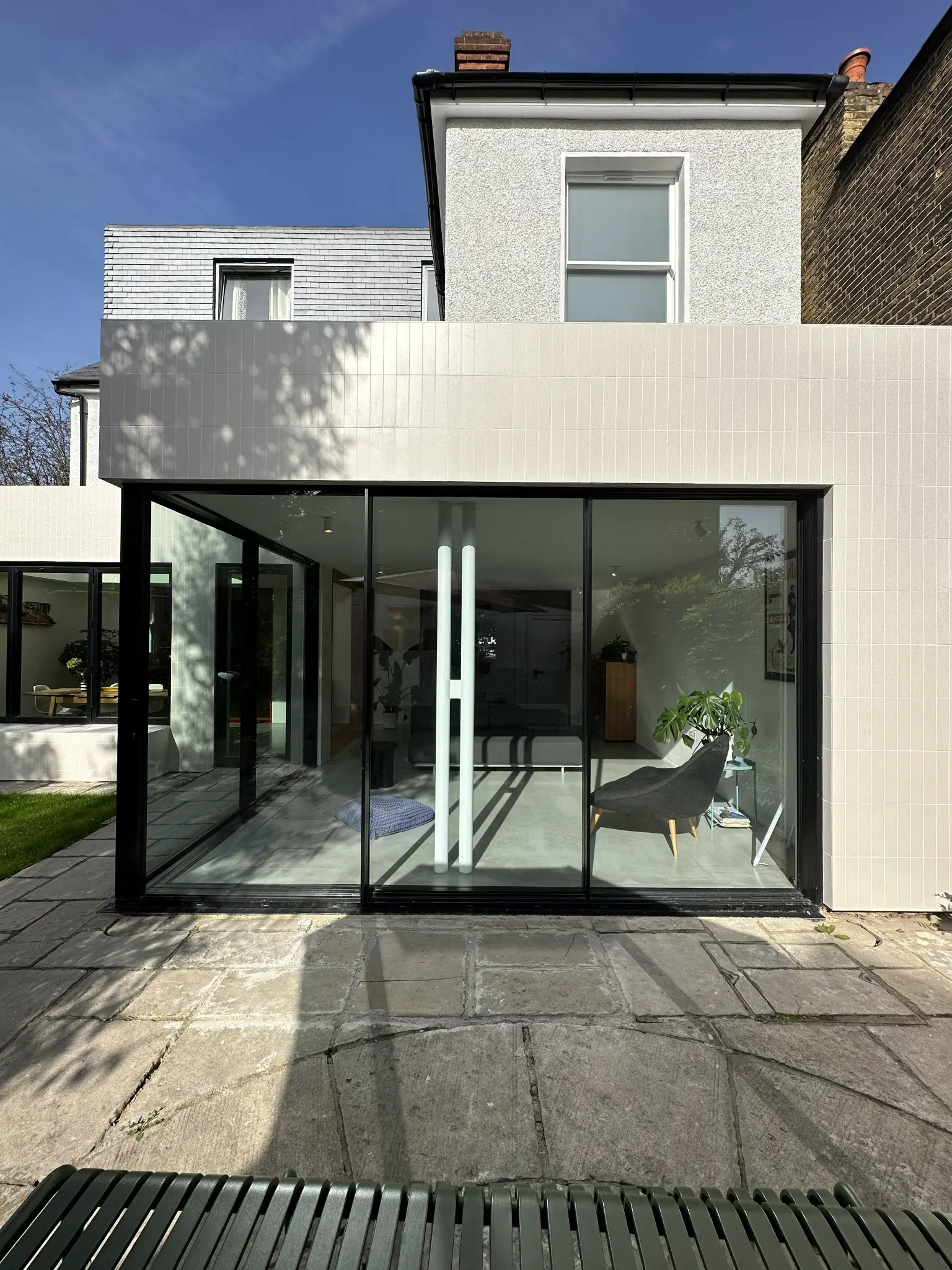
| Sliding Doors (Patio Doors) | Large glass panels that slide horizontally, often stacking behind a fixed panel. | Large uninterrupted glass areas, space-saving (panels don't protrude), modern aesthetic. | Typically don't offer 100% opening, can be heavy. |
| Fixed Glazing (Picture Windows) | Non-opening, large glass panels designed for views and light. | Maximal light and views, highly energy efficient, minimalist aesthetic. | No ventilation, cleaning can be challenging for very large or high panels. |
| Rooflights/Skylights | Glazing installed in the roof, often flat or pitched. | Brings light deep into the plan, creates dramatic overhead views, can offer ventilation. | Potential for solar gain (overheating), cleaning access, condensation risk. |
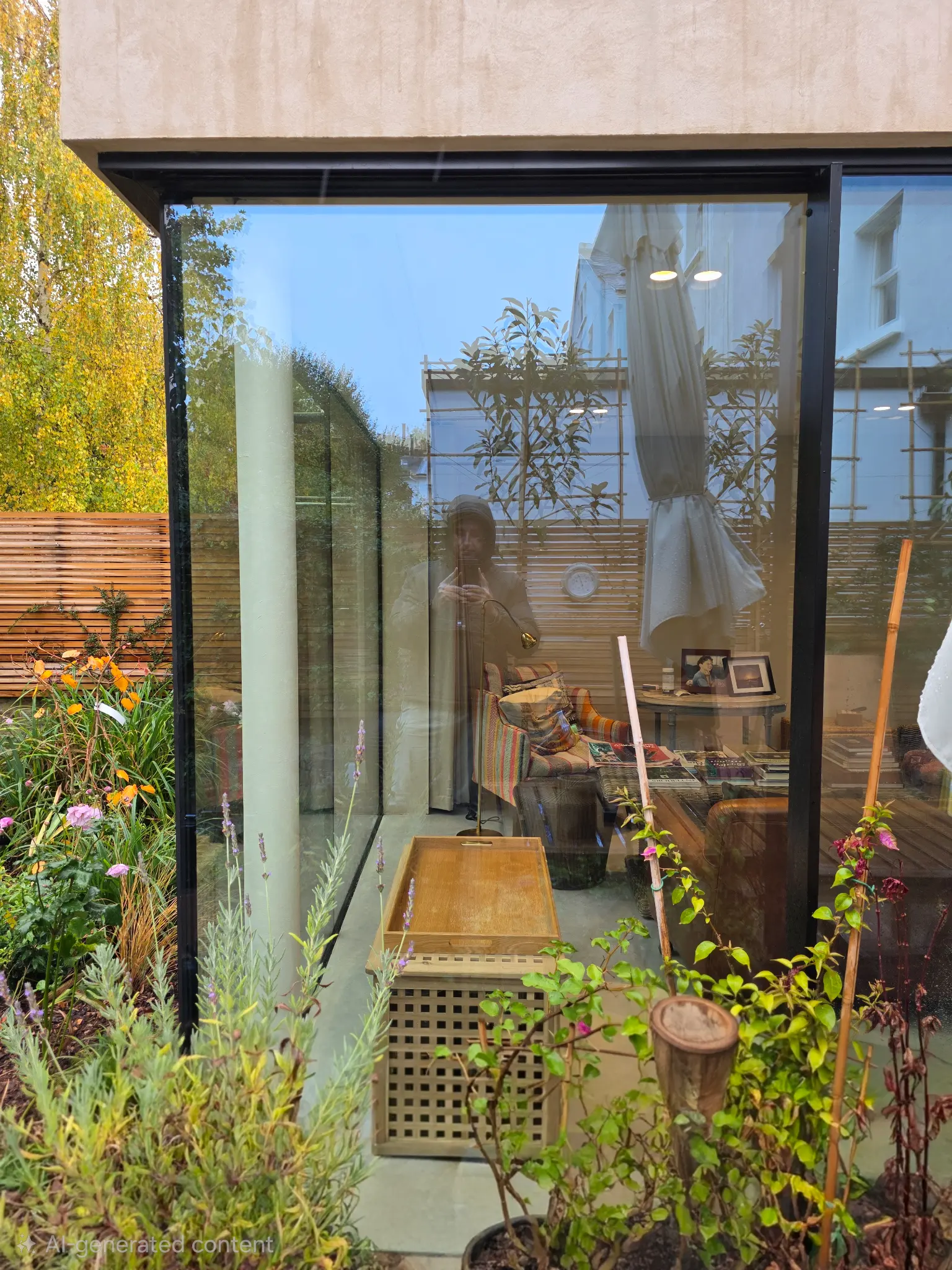
| Structural Glazing | Glass panels held by minimal frames or silicone, creating a 'glass wall' effect. | Ultimate minimalist aesthetic, maximum light and views, bespoke design. | High cost, specialist installation, potential for thermal bridging if not designed carefully. |
Frame Materials
- Aluminium: Popular for its strength, durability, slim sightlines, and wide range of colours. Excellent thermal performance when combined with thermal breaks.
- Timber: Offers a natural, warm aesthetic. Good thermal properties, but requires more maintenance than aluminium.
- uPVC: Cost-effective and low maintenance, but typically has thicker frames and a more limited aesthetic range.
- Composite (Alu-clad timber): Combines the best of both worlds – timber internally for warmth and aluminium externally for durability and low maintenance.
Installation and Maintenance
The successful integration of glazing into an open plan design relies heavily on professional installation. Large format glazing units are heavy and require specialist equipment and expertise. Incorrect installation can lead to thermal bridging, draughts, water ingress, and operational issues.
Professional Installation
Always choose an installer with a proven track record in architectural glazing. They should be able to provide references, demonstrate compliance with industry standards, and offer appropriate warranties. Ensure they are FENSA or CERTASS registered for replacement windows and doors, which means they can self-certify compliance with Building Regulations.
Maintenance
Modern glazing is generally low maintenance. Regular cleaning of glass and frames is usually sufficient. For moving parts like bifold or sliding doors, periodic checks and lubrication of hinges, rollers, and tracks will ensure smooth operation. Always follow the manufacturer's specific maintenance guidelines.
Final Thoughts and Expert Advice
Embracing open plan living with architectural glazing is an investment that can significantly enhance your home's functionality, aesthetics, and value. By carefully considering the design, understanding the relevant Building Regulations, and selecting the right products and installer, you can create a truly transformative space.
Always consult with professionals – architects, structural engineers, and reputable glazing specialists – early in your project. Their expertise will be invaluable in navigating the complexities of design, structural requirements, and regulatory compliance, ensuring your vision for a light-filled, open plan home becomes a successful reality.
For UK homeowners seeking high-performance architectural glazing solutions that meet the latest Building Regulations and elevate open plan designs, Shard AG offers a comprehensive range of bespoke products and expert installation services. Our team can guide you through every step, from initial concept to flawless execution, ensuring your project achieves both stunning aesthetics and optimal energy efficiency.
Explore Our Products
Discover how Shard Architectural Glazing can transform your home with our premium glazing solutions:
Ready to Transform Your Home?
Get in touch with our expert team for a free consultation and personalised quote. We'll help you choose the perfect glazing solution for your property.