

Open Plan Living with Glazing: Design, Benefits & Regulations
Explore the world of open plan living enhanced by architectural glazing. Understand design considerations, energy efficiency, UK Building Regulations, and practical tips for creating bright, spacious homes.

Shard Architectural Glazing
21 March 2026
Explore the world of open plan living enhanced by architectural glazing. Understand design considerations, energy efficiency, UK Building Regulations, and practical tips for creating bright, spacious homes.
📋In This Article
Open plan living has become a cornerstone of modern UK home design, offering a sense of spaciousness, connectivity, and abundant natural light. When combined with innovative architectural glazing solutions, this design philosophy truly transforms interiors, blurring the lines between indoor and outdoor spaces. This comprehensive guide delves into the nuances of integrating glazing into open plan layouts, covering everything from design considerations and energy efficiency to crucial UK Building Regulations.
What is Open Plan Living with Glazing?
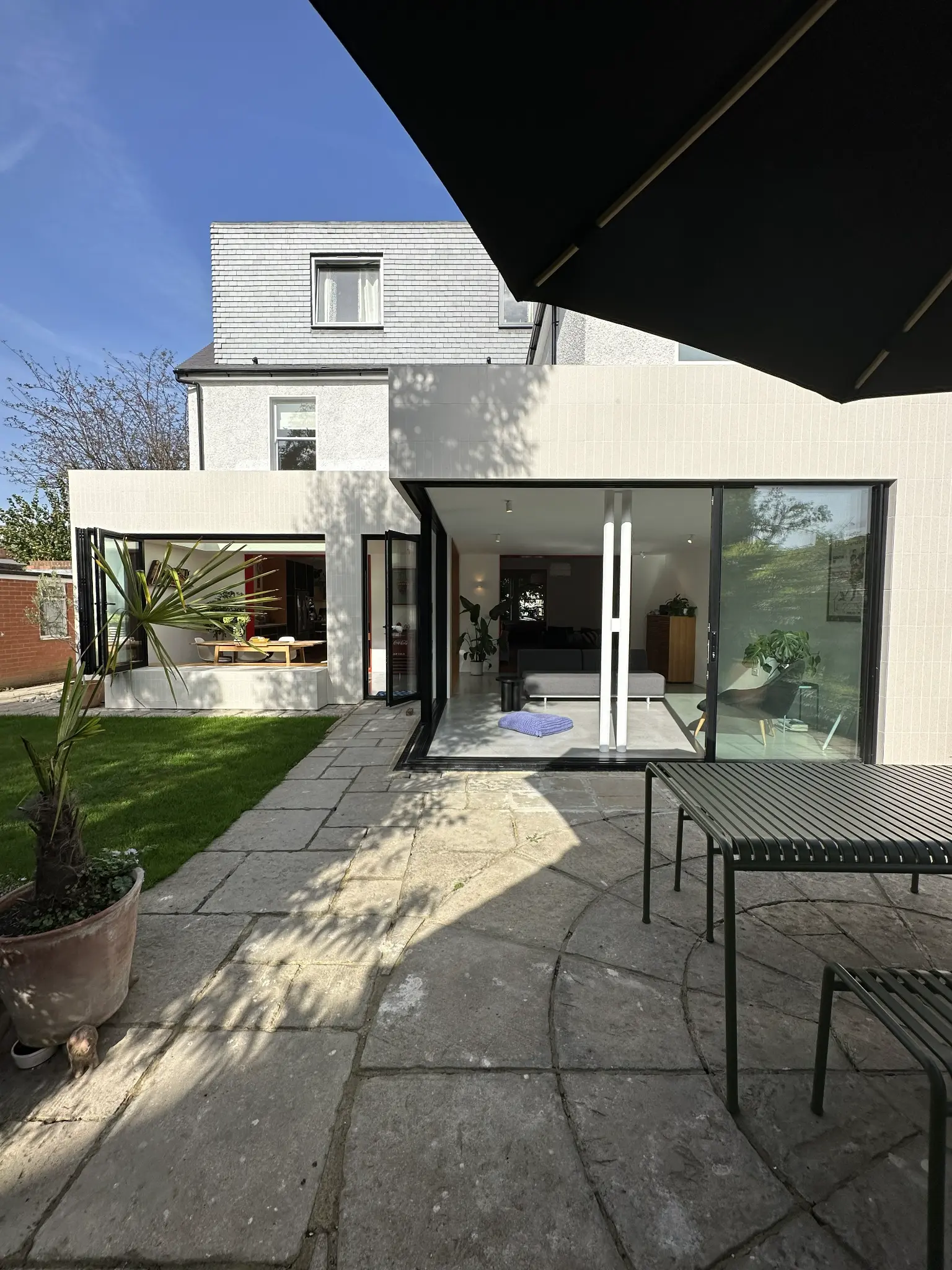
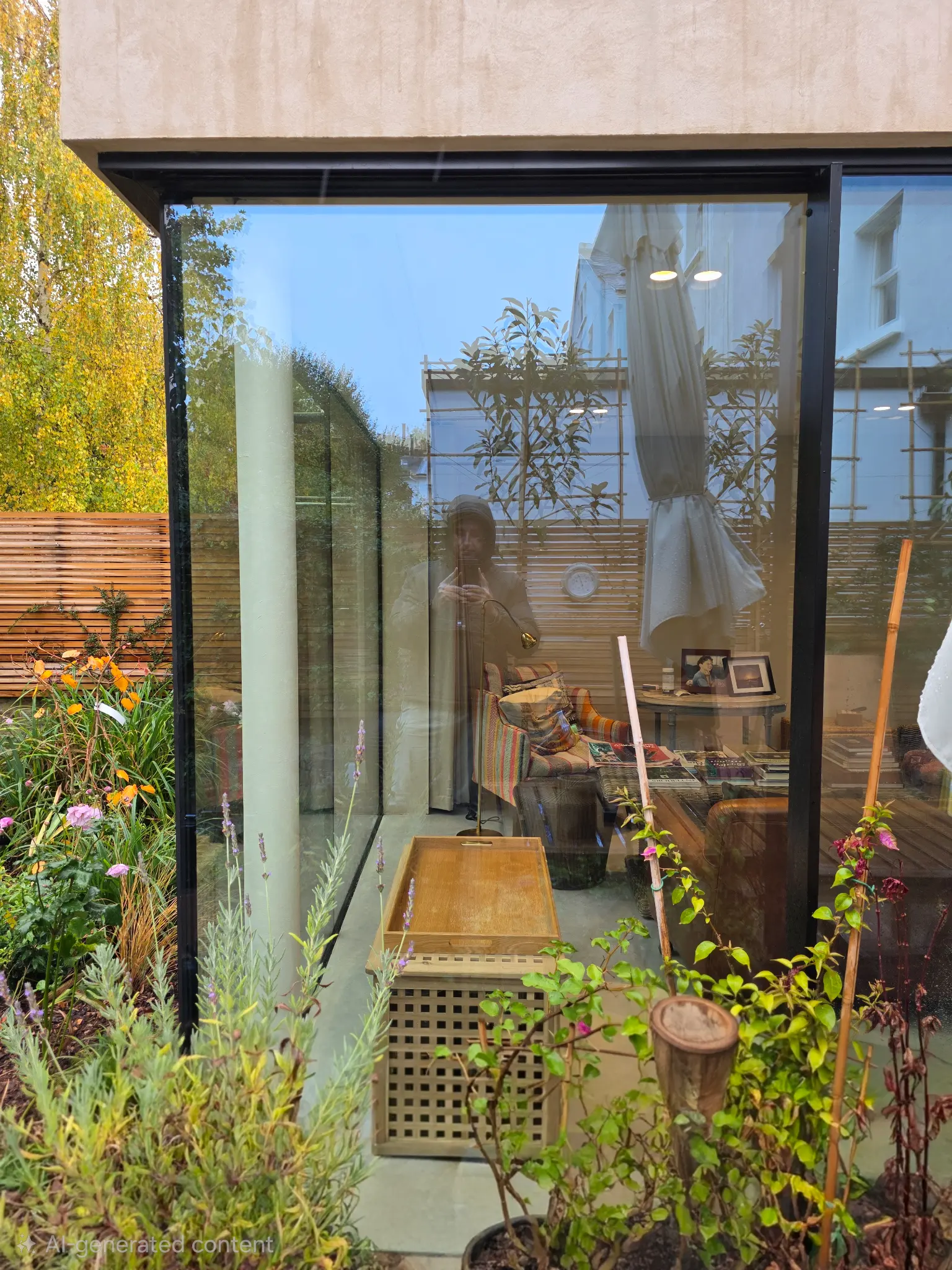
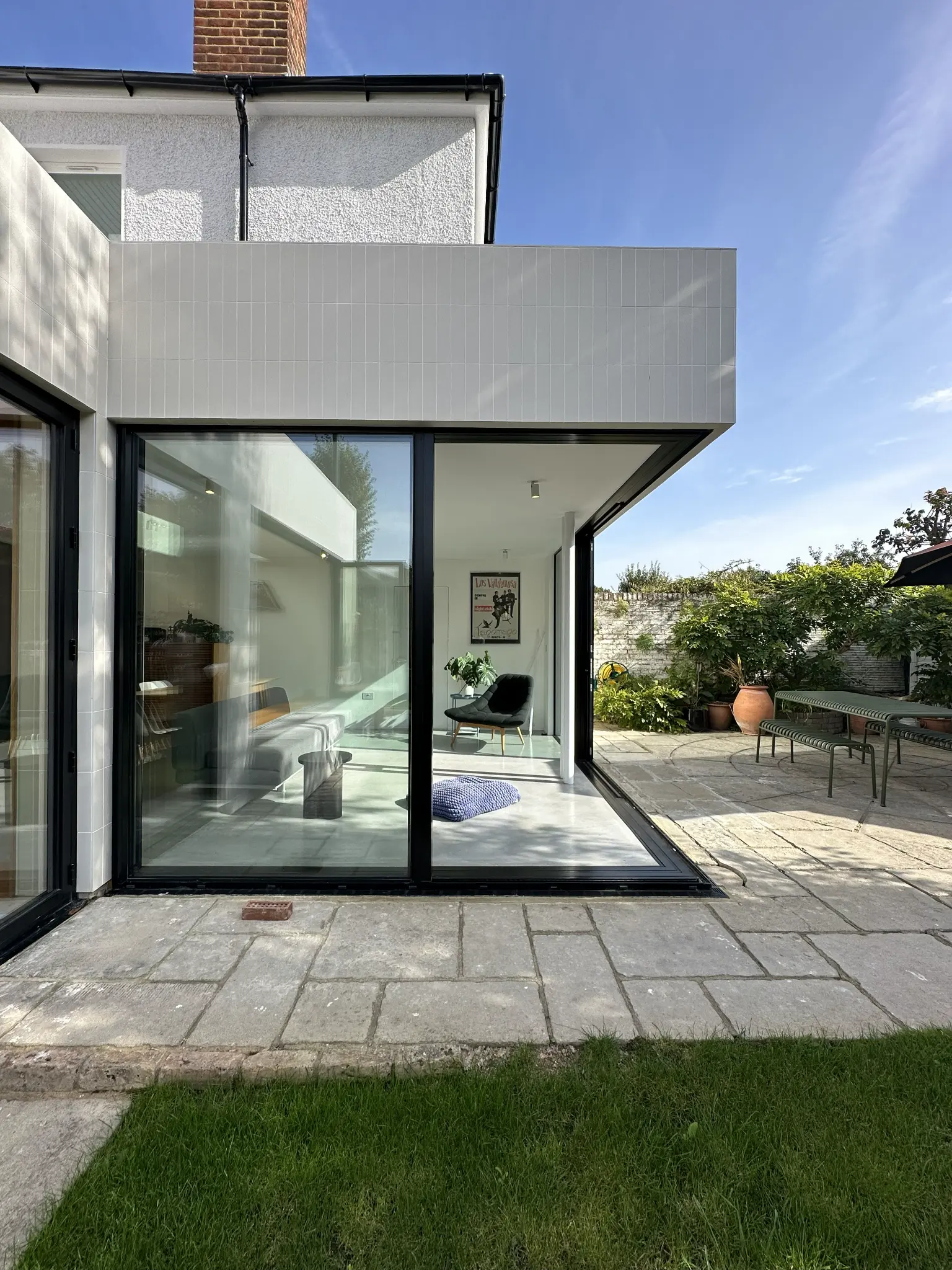
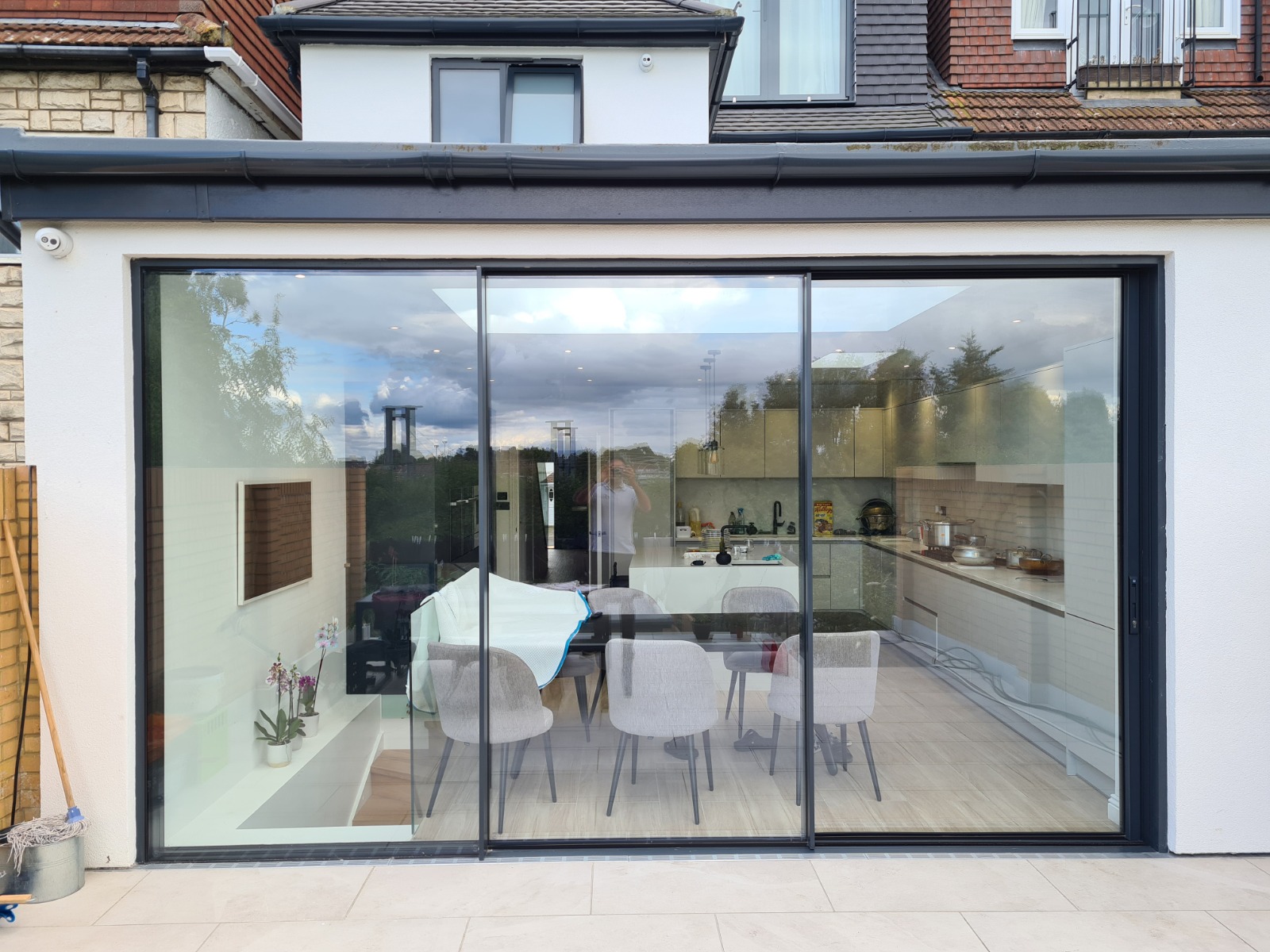
At its core, open plan living involves combining two or more traditional functional areas – such as the kitchen, dining room, and living room – into a single, large, multi-functional space, free from internal walls. This creates a fluid environment that encourages social interaction and a feeling of expansiveness. When we talk about open plan living with glazing, we're referring to the strategic use of large glass elements, such as bi-fold doors, sliding doors, panoramic windows, and glass roofs, to further enhance these spaces.
The primary goal is to maximise natural light penetration, offer expansive views, and create a seamless transition to external areas like gardens or patios. This approach not only makes a space feel larger and brighter but also profoundly impacts the home's aesthetic, functionality, and connection to its surroundings.
Enhanced Natural Light
Large glazing units flood open plan areas with daylight, reducing the need for artificial lighting and creating a more uplifting atmosphere.
Improved Spatial Flow
Removing internal walls and introducing expansive glass creates an uninterrupted flow, making spaces feel significantly larger and more connected.
Stronger Indoor-Outdoor Connection
Bi-fold or sliding doors effectively merge interior living spaces with gardens or patios, ideal for entertaining and family life.
Modern Aesthetic Appeal
Glazing adds a contemporary, sophisticated look to any home, increasing its visual appeal and potentially its market value.
Design Considerations for Open Plan Glazing
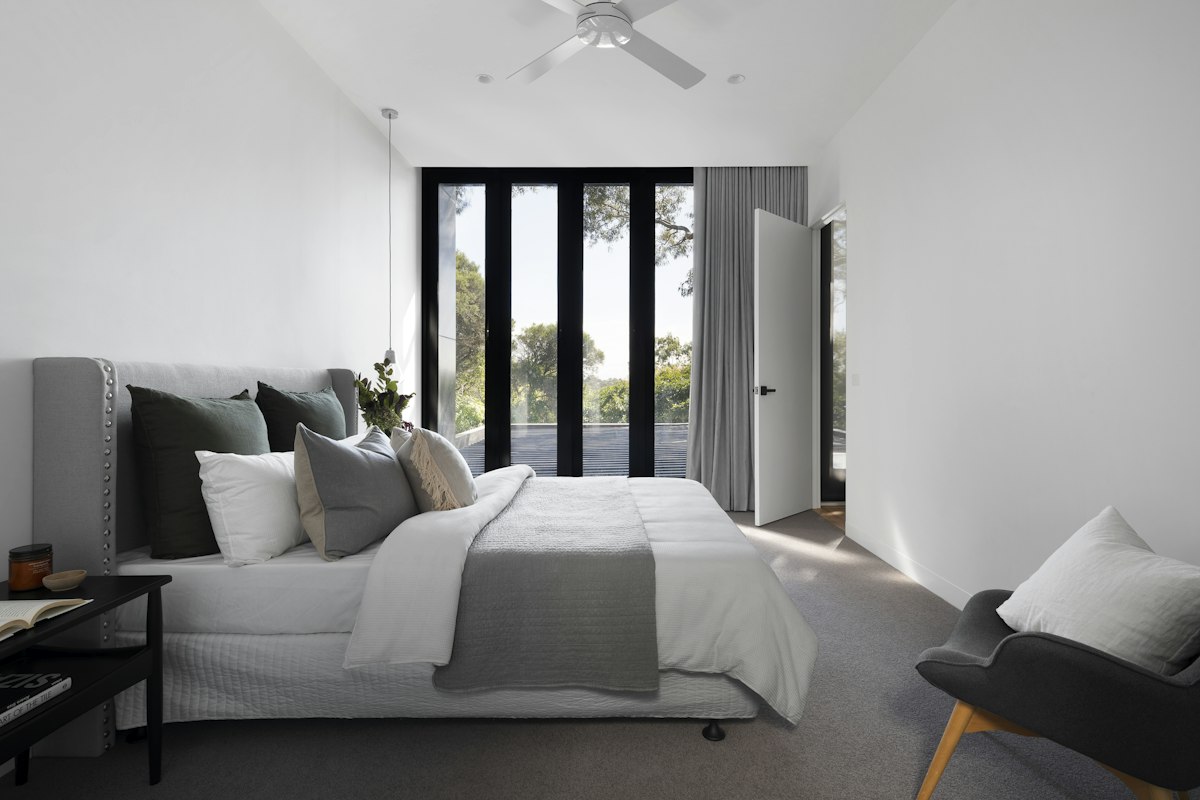
Achieving a successful open plan layout with significant glazing requires careful planning and consideration of several key factors:
Structural Integrity
Removing internal walls, especially load-bearing ones, is a major structural undertaking. You will almost certainly need to install steel beams (RSJs) or timber lintels to support the loads previously carried by the wall. A qualified structural engineer must assess the existing structure, design the necessary supports, and provide calculations. This is a critical step for safety and compliance with Building Regulations.
Glazing Type and Performance
The choice of glazing is paramount. For large expanses of glass, double glazing is the minimum standard, but triple glazing offers superior thermal performance, noise reduction, and security. Consider the U-value (thermal transmittance) of the entire window or door unit, not just the glass. Lower U-values indicate better insulation.
- Bi-fold Doors: Offer a wide opening, stacking neatly to one side. Ideal for creating a seamless transition to the outdoors.
- Sliding Doors: Provide large, uninterrupted glass panels and can be designed for very wide apertures. They slide behind each other, offering a less intrusive opening mechanism than bi-folds.
- Panoramic Windows: Fixed panes of glass designed to maximise views and natural light without opening.
- Rooflights/Skylights: Essential for bringing light into deeper open plan spaces, especially in extensions or single-storey areas.
Solar Gain and Shading
While natural light is desirable, excessive solar gain (overheating) can be an issue, particularly with south-facing glazing. Consider options like solar control glass, external shading (e.g., overhangs, pergolas), or internal blinds/curtains to manage heat build-up and glare.
Ventilation Strategy
Large glazed areas can sometimes limit natural ventilation. Ensure your design incorporates adequate opening windows or doors, or consider trickle vents and mechanical ventilation systems to maintain good air quality and prevent condensation.
Pro Tip
When planning your open plan layout, think about the furniture arrangement from the outset. Large glazed areas will dictate wall space, so consider how your living, dining, and kitchen zones will function together without feeling cluttered or disconnected.
UK Building Regulations and Open Plan Glazing
Any significant structural alterations or new glazing installations must comply with UK Building Regulations. For open plan living with glazing, several parts of the regulations are particularly relevant:
Part A: Structure
As mentioned, removing load-bearing walls requires structural calculations and approval. Building Control will need to see evidence that the new support system is adequate and safely installed.
Part B: Fire Safety
This is one of the most critical and often complex aspects of open plan design. Removing walls can compromise fire compartmentation, potentially allowing fire and smoke to spread more rapidly. For two-storey homes or those with a storey above the open plan area, specific fire safety measures are typically required, which may include:
- Protected Escape Routes: Ensuring there is a safe route to an exit, often involving fire-rated doors for remaining enclosed rooms (e.g., bedrooms, bathrooms) or hallways.
- Automatic Fire Detection and Alarms: Interconnected smoke and heat detectors are usually mandatory throughout the property.
- Sprinkler Systems: In some cases, particularly for larger or more complex open plan layouts, a domestic sprinkler system may be required by Building Control to compensate for the loss of fire separation.
- Fire-rated Glazing: While less common for external glazing, internal glazed partitions within an open plan area might need to be fire-rated.
It is highly advisable to engage with your local Building Control body early in the design process to understand their specific requirements for fire safety in open plan homes.
Part L: Conservation of Fuel and Power (Energy Efficiency)
This part of the regulations sets strict U-value requirements for new and replacement thermal elements, including windows and doors. Large areas of glazing can significantly impact a building's thermal performance, so high-performance units are essential.
| Building Element | Maximum U-value (W/m²K) - Part L 2022 (England) |
|---|---|
| New Build & Extension Walls | 0.18 |
| Floors | 0.18 |
| Roofs | 0.15 |
| New Build Windows/Doors | 1.2 |
| Replacement Windows/Doors | 1.4 |
| Party Walls | 0.0 |
For open plan extensions, the total area of glazing is often limited to a percentage of the new floor area (typically 25%) to ensure overall energy efficiency. If you exceed this, you'll need to demonstrate compliance through a 'compensatory approach', proving that other elements of the extension (e.g., walls, roof) are insulated to a higher standard to offset the heat loss through the extra glazing.
Part K: Protection from Falling, Collision and Impact
This part applies to safety glazing. Any glass in critical locations (e.g., low-level glazing, doors, or adjacent to doors) must be safety glass (toughened or laminated) to prevent serious injury in case of breakage. Balustrades for balconies or raised areas also fall under this part.
Always consult your local Building Control department or an approved inspector before commencing any work. They will provide specific guidance and ensure your project meets all legal requirements.
Practical Considerations and Potential Drawbacks
While open plan living with glazing offers numerous benefits, it's important to be aware of potential challenges:
Acoustics
Without internal walls, sound travels easily. Noise from the kitchen (appliances, cooking) can permeate the living and dining areas. Consider acoustic panels, soft furnishings, rugs, and even sound-absorbing ceiling materials to mitigate this. High-performance glazing can also help reduce external noise.
Heating and Cooling
Large glazed areas can lead to significant heat loss in winter and excessive solar gain in summer. Investing in high-performance glazing (low U-value) is crucial. Underfloor heating is often preferred in open plan spaces as it provides even warmth without taking up wall space needed for radiators. Effective shading solutions are vital for summer comfort.
Privacy and Security
Extensive glazing can reduce privacy, especially in urban environments. Consider landscaping, strategic planting, or intelligent glass options (e.g., switchable privacy glass) for areas where privacy is paramount. For security, ensure all large glazed units are fitted with multi-point locking systems and laminated or toughened glass.
Cleaning and Maintenance
Large glass panels, especially those exposed to the elements, will require regular cleaning to maintain their pristine appearance. Consider accessibility for cleaning, particularly for high-level or difficult-to-reach glazing.
Choosing the Right Glazing Partner
Selecting an experienced and reputable glazing supplier and installer is crucial for the success of your open plan project. Look for companies that:
- Have a proven track record with large-scale architectural glazing.
- Offer a wide range of high-performance products (double and triple glazing, various frame materials).
- Can provide detailed technical specifications and U-values for their products.
- Are FENSA or CERTASS registered for window and door installations, ensuring compliance with Building Regulations Part L.
- Offer comprehensive warranties and after-sales support.
- Can provide references or examples of similar projects.
Conclusion
Open plan living with architectural glazing offers a truly transformative experience for UK homes, creating bright, spacious, and highly functional environments that connect seamlessly with the outdoors. While the design and regulatory challenges, particularly around fire safety and energy efficiency, require careful navigation, the rewards in terms of lifestyle and property value are substantial. By understanding the key considerations, adhering to Building Regulations, and partnering with experienced professionals, you can successfully create an open plan space that is both stunning and compliant.
At Shard AG, we specialise in designing, supplying, and installing bespoke architectural glazing solutions tailored to the unique requirements of open plan living. Our expertise ensures that your project not only achieves its aesthetic goals but also meets the highest standards of energy efficiency, security, and Building Regulations compliance. Contact us today to discuss how we can help bring your vision to life.
Explore Our Products
Discover how Shard Architectural Glazing can transform your home with our premium glazing solutions:
Ready to Transform Your Home?
Get in touch with our expert team for a free consultation and personalised quote. We'll help you choose the perfect glazing solution for your property.