
Orangery vs. Conservatory Glazing: A UK Homeowner's Guide
Understand the glazing differences between orangeries and conservatories. This guide covers technical specifications, Building Regulations, and practical considerations for UK homeowners.

Shard Architectural Glazing
31 March 2026
Understand the glazing differences between orangeries and conservatories. This guide covers technical specifications, Building Regulations, and practical considerations for UK homeowners.
📋In This Article
- Understanding the Basics: Orangery vs. Conservatory
- Glazing Performance and U-Values: The Key Metric
- Glazing Considerations for Orangeries
- Glazing Considerations for Conservatories
- UK Building Regulations and Planning Permission
- Practical Considerations and Maintenance
- Making the Right Choice for Your Home
For many UK homeowners, adding an extension like an orangery or conservatory is a dream, promising increased living space, natural light, and a seamless connection to the garden. While both structures offer similar benefits, their fundamental differences, particularly concerning glazing, significantly impact their performance, aesthetics, and compliance with Building Regulations. Understanding these distinctions is crucial for making an informed decision that suits your home, lifestyle, and budget.
This comprehensive guide will delve into the world of orangery and conservatory glazing, providing you with the technical knowledge, regulatory insights, and practical advice needed to choose the right option for your property. We'll explore everything from U-values and material choices to design flexibility and planning considerations, ensuring you're well-equipped to embark on your extension project.
Understanding the Basics: Orangery vs. Conservatory
Before diving into the specifics of glazing, it's essential to clarify the core differences between an orangery and a conservatory. While both are glazed extensions, their construction methods and proportion of solid to glazed elements set them apart.
- Conservatory: Traditionally, a conservatory is characterised by a high proportion of glazing in its walls and roof, often exceeding 75% of the roof area and 50% of the wall area. They typically feature a fully glazed roof, supported by a lightweight frame (often UPVC, aluminium, or timber). Historically, conservatories were exempt from certain Building Regulations, provided they met specific criteria, such as being thermally separated from the main dwelling and having an independent heating system.
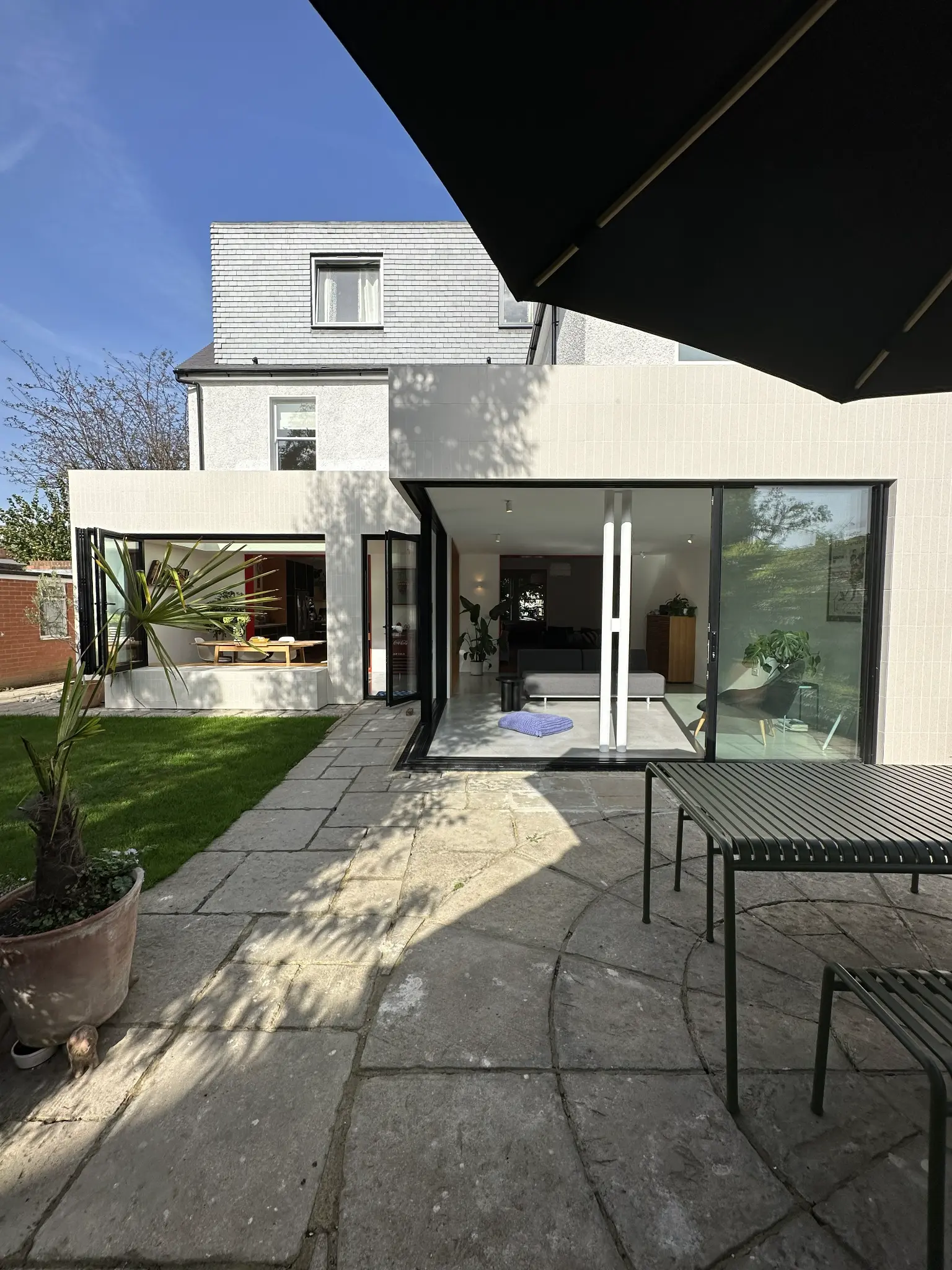
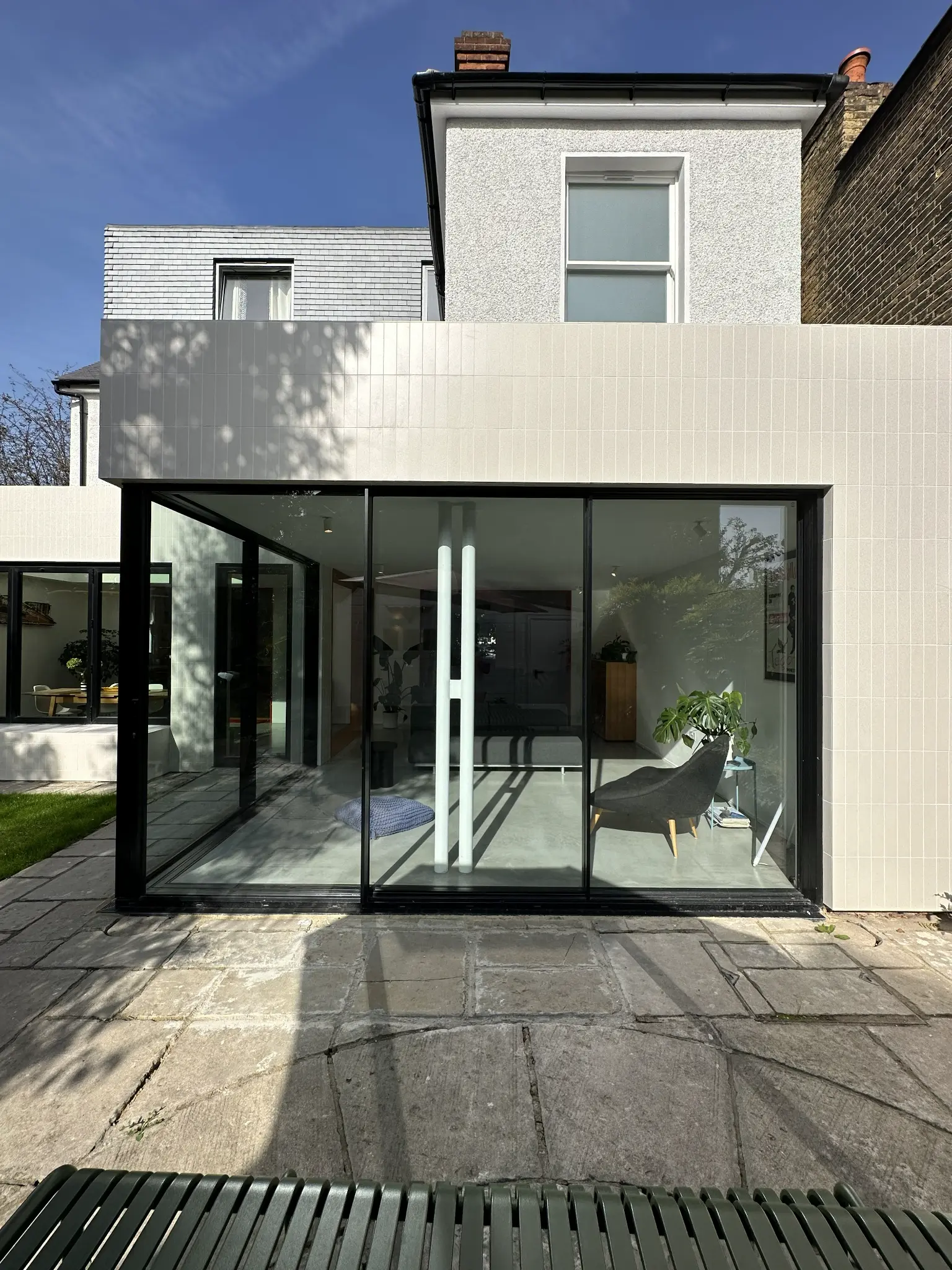
- Orangery: An orangery, by contrast, offers a more substantial and integrated feel. It typically features a solid, flat roof perimeter (often with a lantern or several rooflights) and a greater proportion of solid wall construction, usually brickwork or rendered blockwork, compared to a conservatory. While still offering abundant natural light through large glazed panels, the solid elements provide better thermal performance and a more 'room-like' aesthetic, bridging the gap between a traditional extension and a conservatory.
These structural differences directly influence the glazing requirements and performance expectations for each type of extension.
Glazing Performance and U-Values: The Key Metric
When discussing glazing, the most critical technical specification is the U-value. The U-value measures the rate of heat transfer through a material or structure; the lower the U-value, the better the insulation and energy efficiency. It is expressed in Watts per square metre Kelvin (W/m²K).
Understanding U-Values for Glazing
For windows, doors, and glazed roofs in the UK, U-values are a fundamental requirement under Building Regulations. The current standards for England (Part L, 2022) are stringent to promote energy efficiency:
- New Build & Extensions (Walls): 0.18 W/m²K
- New Build & Extensions (Floors): 0.18 W/m²K
- New Build & Extensions (Roofs): 0.15 W/m²K
- New Build Windows/Doors: 1.2 W/m²K
- Replacement Windows/Doors: 1.4 W/m²K
It's important to note that while conservatories historically had exemptions, modern orangeries and conservatories that are integrated into the main dwelling and heated are now typically required to meet the same thermal performance standards as any other extension. This means achieving compliant U-values for all elements, including glazing.
Pro Tip
Always request the U-values for the specific glazing units and frames from your supplier. Don't settle for generic figures; ensure they apply to the exact product you are considering. A whole-window U-value (Uw) is more accurate than just the glass U-value (Ug).
Glass Types and Their Impact on U-Value
The type of glass significantly affects the U-value:
- Double Glazing: Standard double-glazed units typically consist of two panes of glass separated by a sealed cavity, often filled with an inert gas like argon. Modern double glazing can achieve U-values around 1.2-1.4 W/m²K.
- Triple Glazing: Featuring three panes of glass and two gas-filled cavities, triple glazing offers superior thermal performance, often achieving U-values as low as 0.8 W/m²K. This is particularly beneficial for larger glazed areas or properties seeking maximum energy efficiency.
- Low-Emissivity (Low-E) Coatings: A microscopic, transparent coating applied to one of the glass surfaces reflects heat back into the room, reducing heat loss. This is standard in most modern energy-efficient glazing.
- Warm Edge Spacers: The spacer bar separating the glass panes can be made from a low-conductivity material (e.g., composite or plastic) instead of aluminium, further improving the U-value of the unit.
- Solar Control Glass: While not directly impacting the U-value in the same way, solar control glass is crucial for managing heat gain in large glazed areas. It helps to reflect a significant portion of the sun's energy, preventing overheating in summer. This is often combined with Low-E coatings for year-round performance.
Glazing Considerations for Orangeries
Orangeries often feature large, expansive glazed panels in their walls and a prominent glazed roof lantern. This combination requires careful selection of glazing to balance light transmission, thermal performance, and solar gain.
Wall Glazing in Orangeries
Due to the substantial nature of orangery walls, the glazing typically comprises large windows or bifold/sliding doors. These must meet the 1.2 W/m²K U-value for new extensions. Common options include:
- Large Format Double or Triple Glazing: Essential for thermal efficiency and sound insulation.
- Bifold or Sliding Doors: These can create impressive open-plan spaces, but their frames and seals are critical for maintaining thermal performance. Ensure robust, thermally broken frames.
- Glazing Bars: While aesthetically pleasing, excessive glazing bars can slightly increase the overall U-value of the window/door unit.
Orangery Roof Lanterns
The roof lantern is a defining feature of an orangery, flooding the space with natural light. The glazing here is paramount:
- Self-Cleaning Glass: Highly recommended for roof lanterns, as cleaning can be challenging. These coatings use sunlight to break down organic dirt, which is then washed away by rain.
- Solar Control Glass: Absolutely vital for roof lanterns to prevent excessive heat build-up in summer. Look for glass with a low Solar Factor (g-value) to reduce solar gain, while still allowing good light transmission (LT-value).
- Thermal Performance: The entire roof structure, including the lantern, must meet the 0.15 W/m²K U-value requirement. This means the glass in the lantern, along with its frame, needs to be highly efficient.
Glazing Considerations for Conservatories
Conservatories, with their higher proportion of glazing, present unique challenges and opportunities for glazing selection. The emphasis is on maximising light while managing temperature fluctuations.
Wall Glazing in Conservatories
Conservatory walls are predominantly glazed. The choice of glazing here directly impacts the overall comfort and energy efficiency.
- High-Performance Double Glazing: Essential for all conservatory wall panels. As with orangeries, a U-value of 1.2 W/m²K is typically required if the conservatory is integrated and heated.
- Tinted or Reflective Glass: Can be used to reduce glare and solar gain, though this will also slightly reduce light transmission.
- Frame Materials: UPVC, aluminium, and timber are common. Aluminium offers slim sightlines and strength, UPVC is cost-effective and low maintenance, and timber provides a natural aesthetic but requires more upkeep. All frames must be thermally broken to prevent cold bridging.
Conservatory Roof Glazing
The fully glazed roof is the hallmark of a traditional conservatory and is often the biggest challenge for thermal comfort.
- Solar Control Glass: Even more critical for conservatory roofs than for orangery lanterns. Without effective solar control, conservatories can become unbearably hot in summer.
- Low-E Coatings: Essential for retaining heat in winter.
- Self-Cleaning Options: Highly beneficial due to the large, sloped surface area.
- Polycarbonate: While cheaper, polycarbonate roofs have significantly higher U-values (typically 1.5-2.5 W/m²K for multi-wall sheets) and poorer acoustic performance compared to glass. They are generally less desirable for modern, energy-efficient conservatories that are intended for year-round use and compliance with current Building Regulations.
UK Building Regulations and Planning Permission
Navigating Building Regulations and planning permission is a critical step for any extension project in the UK. The rules surrounding orangeries and conservatories have evolved, particularly regarding thermal performance.
Building Regulations (Part L - Conservation of Fuel and Power)
For an extension to be considered a 'conservatory' and potentially exempt from certain Building Regulations (e.g., U-value requirements for walls and roofs), it typically needs to meet specific criteria:
- It must be built at ground level and be less than 30m² internal floor area.
- It must be thermally separated from the main dwelling by external quality doors, windows, or walls.
- It must have an independent heating system with separate controls.
- The glazing must meet specific safety requirements (e.g., critical zones requiring safety glass).
However, if your orangery or conservatory is not thermally separated from the main house (i.e., it's open-plan to the living space) or does not have an independent heating system, it will generally be treated as a full extension. This means all elements – walls, floor, roof, windows, and doors – must comply with the stringent U-value requirements of Building Regulations Part L (2022) as outlined earlier (e.g., 0.15 W/m²K for the roof, 1.2 W/m²K for windows/doors).
It is always advisable to consult with your local Building Control body or a qualified architectural professional early in your project to confirm specific requirements.
Planning Permission
Many orangeries and conservatories can be built under 'Permitted Development' rights, meaning they do not require a full planning application. However, there are strict limits and conditions, including:
- The extension must not cover more than half the area of land around the original house.
- It must not extend beyond the rear wall of the original house by more than 4 metres for a detached house or 3 metres for a semi-detached or terraced house (these limits are doubled for a temporary period until 30 May 2019, subject to neighbour consultation).
- Maximum height restrictions.
- Specific rules for side extensions, front extensions, and properties in conservation areas or Areas of Outstanding Natural Beauty.
Always check with your local planning authority to confirm whether your proposed extension falls within Permitted Development or requires full planning permission. Failure to do so could lead to costly remedial work or enforcement action.
Practical Considerations and Maintenance
Beyond technical specifications and regulations, several practical aspects influence your choice and long-term satisfaction.
Temperature Control
This is arguably the most significant practical consideration. Without appropriate glazing, both orangeries and conservatories can suffer from extreme temperature fluctuations.
- Overheating in Summer: Solar control glass, adequate ventilation (e.g., roof vents, opening windows), and shading solutions (blinds, external awnings) are crucial.
- Heat Loss in Winter: High-performance double or triple glazing with low-E coatings and thermally broken frames are essential to maintain a comfortable temperature and keep heating costs down.
Acoustics
Large expanses of glass can mean increased noise transmission from outside. Thicker glass, laminated glass, or triple glazing can significantly improve acoustic insulation, making the space quieter and more enjoyable.
Security
Glazed extensions can be vulnerable points if not properly secured. Ensure all doors and windows feature multi-point locking systems, toughened or laminated safety glass, and adhere to recognised security standards like PAS 24.
Maintenance
Consider the long-term maintenance of your chosen glazing and frames.
- Self-Cleaning Glass: A significant advantage for roofs and hard-to-reach areas.
- Frame Materials: UPVC and aluminium are generally low maintenance, requiring only occasional cleaning. Timber requires more regular treatment and painting/staining.
Enhanced Natural Light
Both options flood your home with daylight, reducing reliance on artificial lighting and creating a brighter, more inviting atmosphere.
Increased Property Value
A well-designed, high-quality orangery or conservatory can add significant value and appeal to your home, making it a sound investment.
Versatile Living Space
Whether used as a dining room, lounge, home office, or play area, these extensions offer flexible space that adapts to your family's changing needs.
Seamless Indoor-Outdoor Living
Large glazed panels and doors blur the lines between your home and garden, enhancing connection to nature and improving wellbeing.
Making the Right Choice for Your Home
The decision between an orangery and a conservatory, and the glazing within them, boils down to your priorities:
- For a more integrated, 'room-like' feel with superior thermal performance and a substantial aesthetic: An orangery is often the preferred choice. Its solid elements and roof lantern allow for excellent insulation and temperature control, making it a true year-round extension.
- For a lighter, more traditional garden room with maximum glazing and a potentially lower initial cost: A modern, high-specification conservatory can be ideal. However, careful attention to solar control and thermal performance glazing is paramount to ensure comfort.
Regardless of your choice, investing in high-quality, energy-efficient glazing is non-negotiable for comfort, energy savings, and compliance with UK Building Regulations. Always engage with reputable suppliers and installers who can provide detailed U-value calculations, advise on the best glass specifications for your specific project, and ensure all work meets the required standards.
At Shard AG, we specialise in providing bespoke, high-performance glazing solutions for both orangeries and conservatories across the UK. Our expert team can guide you through the complexities of U-values, solar control, and Building Regulations, helping you select the perfect glazing to create a comfortable, energy-efficient, and beautiful extension for your home. Contact us today to discuss your project and discover how our premium glazing can transform your living space.
Explore Our Products
Discover how Shard Architectural Glazing can transform your home with our premium glazing solutions:
Ready to Transform Your Home?
Get in touch with our expert team for a free consultation and personalised quote. We'll help you choose the perfect glazing solution for your property.