

Pocket Sliding Doors: Space-Saving Style for UK Homes
Discover the benefits of pocket sliding door systems for UK homes. Learn about installation, types, Building Regulations, and design considerations.

Shard Architectural Glazing
7 April 2026
Discover the benefits of pocket sliding door systems for UK homes. Learn about installation, types, Building Regulations, and design considerations.
📋In This Article
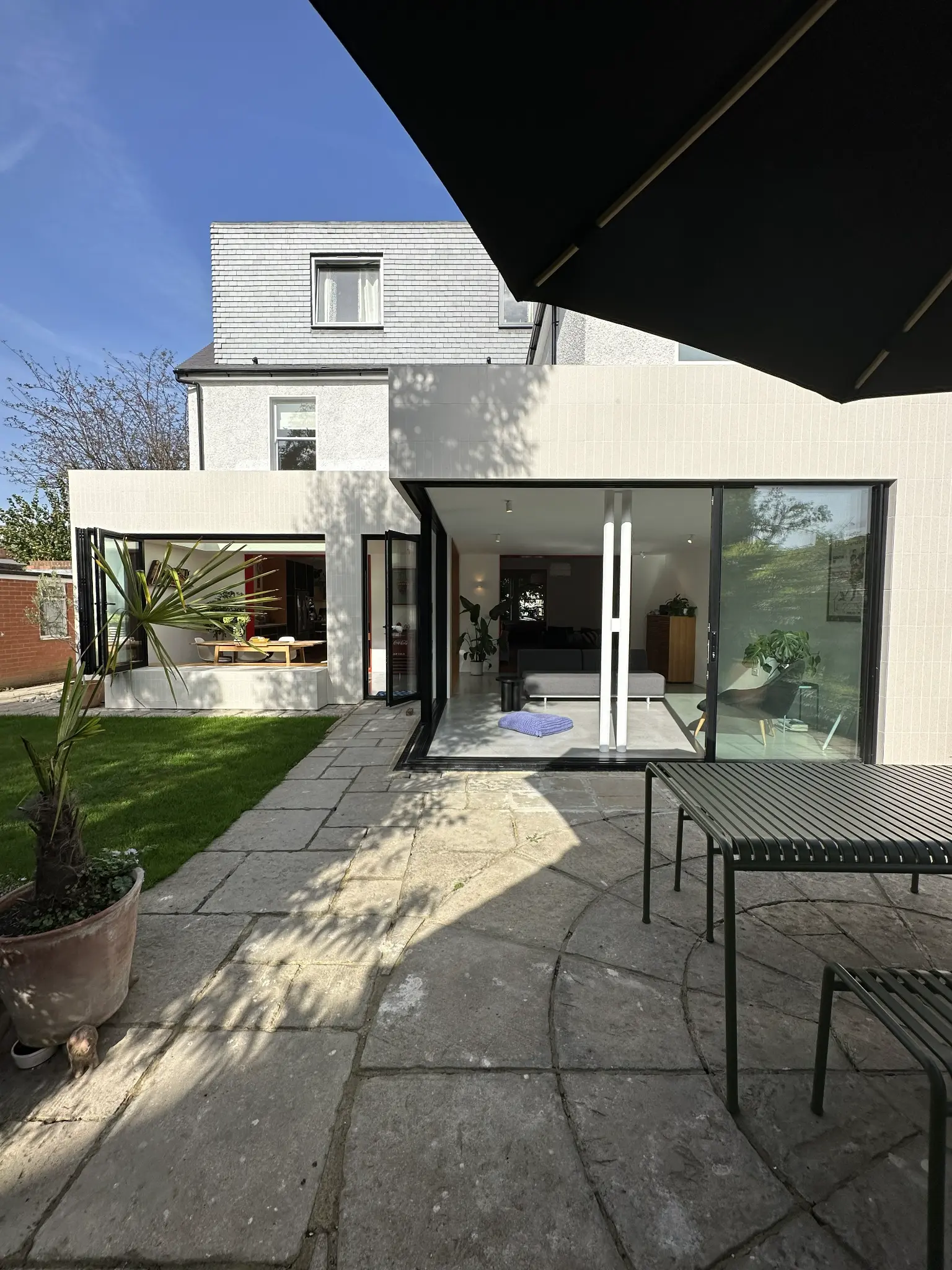
In modern UK homes, optimising space and enhancing natural light are key design priorities. Traditional hinged doors, while functional, can often dictate furniture placement and interrupt the flow of a room. This is where pocket sliding door systems offer an elegant and practical solution, disappearing seamlessly into a wall cavity when open. Far from being a niche product, pocket doors are gaining significant traction in home renovations and new builds across the UK due to their inherent space-saving qualities and contemporary aesthetic.
This comprehensive guide will delve into everything UK homeowners need to know about pocket sliding door systems, from their fundamental mechanics and various types to crucial installation considerations and compliance with UK Building Regulations.
What Are Pocket Sliding Doors?
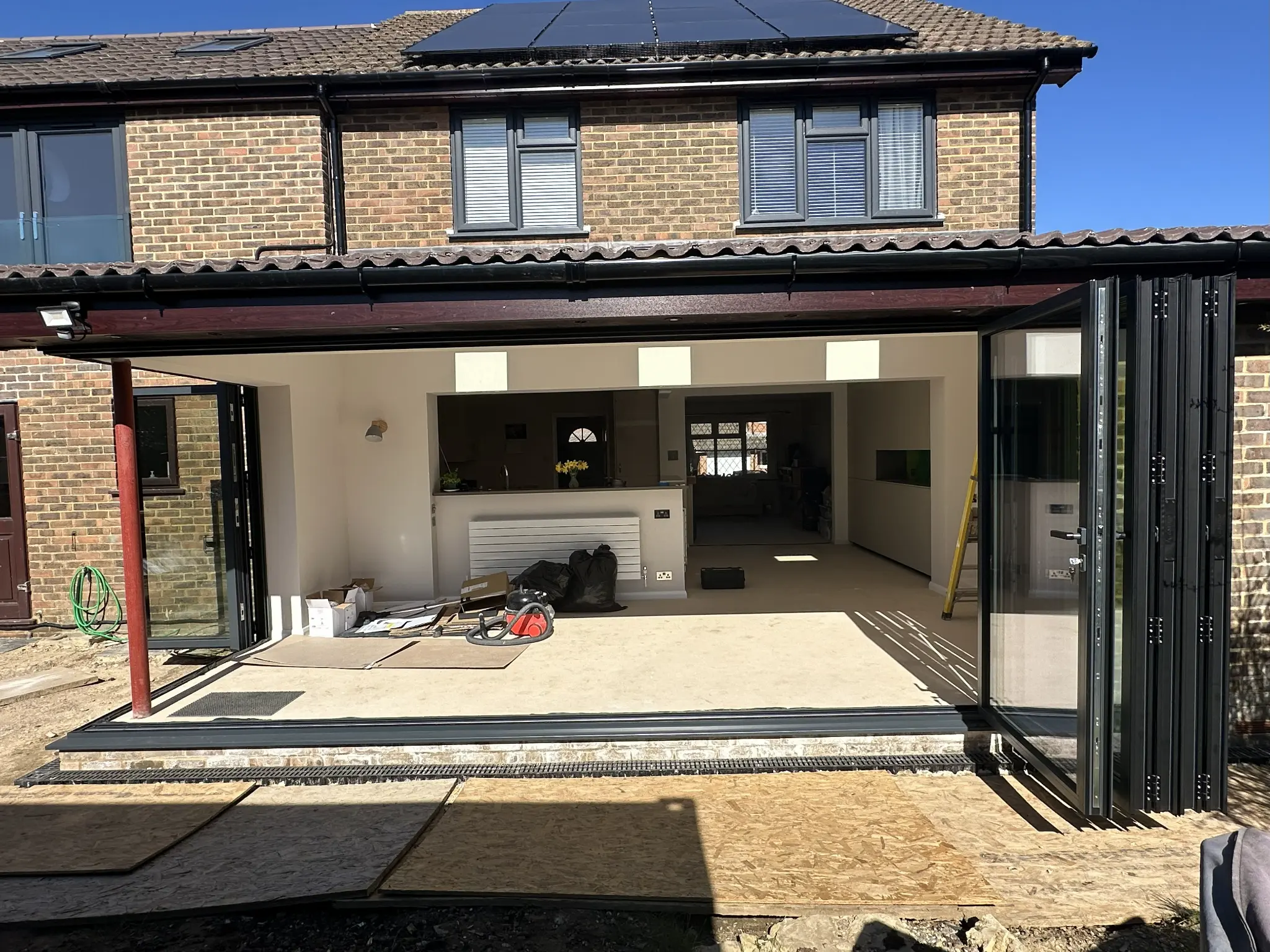
A pocket sliding door, often simply called a 'pocket door', is a type of sliding door that, when opened, slides horizontally and disappears completely into a compartment or 'pocket' within the adjacent wall. Unlike barn doors, which slide along the outside of a wall, pocket doors offer a completely flush finish, effectively reclaiming the wall space that a traditional hinged door's swing would occupy.
The core components of a pocket door system typically include:
- Door Panel: This can be a standard timber door, a glazed door, or a custom-made panel.
- Track System: Mounted within the wall cavity, this is usually an aluminium or steel track with rollers that the door hangs from.
- Pocket Frame: A structural frame that creates the cavity within the wall for the door to slide into. This is often a metal frame (e.g., galvanised steel) or a timber frame, designed to be integrated into stud work.
- Runners/Hangers: Wheels or rollers attached to the top edge of the door panel that run along the track.
- Guides: Floor-mounted guides (often hidden) to keep the bottom of the door aligned and prevent it from swinging.
- Hardware: Flush handles, latches, and sometimes soft-close mechanisms.
Benefits of Pocket Door Systems for UK Homes
Pocket doors offer a multitude of advantages, making them an increasingly popular choice for various applications:
Maximise Usable Space
This is arguably the primary benefit. By eliminating the need for a door swing, pocket doors free up valuable floor and wall space. This is particularly beneficial in smaller rooms, corridors, ensuites, utility rooms, or areas where furniture placement is challenging.
Enhanced Aesthetics & Flow
When open, pocket doors disappear, creating an uninterrupted visual line and a seamless transition between rooms. This can make spaces feel larger, more open, and contribute to a minimalist, contemporary aesthetic. They can also be used to discreetly close off areas when privacy is needed.
Improved Accessibility
For individuals with mobility challenges or wheelchair users, pocket doors offer wider, unobstructed openings compared to hinged doors. There's no door swing to navigate, making movement between rooms much easier and safer.
Versatile Design Options
Pocket door systems can accommodate a wide range of door styles and materials, including timber, MDF, and various types of glazed panels. They can also be single or double (bi-parting) doors, allowing for flexible design solutions to suit different opening widths.
Types of Pocket Door Systems & Design Considerations
While the basic principle remains the same, there are several variations and important considerations when choosing a pocket door system:
Single vs. Double Pocket Doors
- Single Pocket Door: Ideal for standard door openings (typically 762mm to 926mm wide), where a single door panel slides into one wall cavity.
- Double (Bi-Parting) Pocket Door: Used for wider openings, where two door panels slide into opposing wall cavities, meeting in the middle. This creates a grander, more open feel when both doors are retracted.
Door Panel Material & Glazing
The choice of door panel significantly impacts the aesthetic and functionality:
- Solid Timber/MDF: Offers privacy and sound insulation. Can be painted, veneered, or stained.
- Glazed Panels: Allows natural light to pass through, ideal for connecting spaces while maintaining a visual separation. Options include clear, frosted, reeded, or obscured glass for varying levels of privacy. Ensure any glazing complies with safety standards (e.g., BS EN 12150 for toughened glass).
Frame Construction
- Metal Frame Kits: Often made from galvanised steel, these are robust and provide a slim profile, making them suitable for plasterboard walls. They typically come with all necessary components for installation.
- Timber Frame Kits: Can be built on-site or purchased as a kit. May require more space within the wall cavity but offer flexibility.
Hardware & Accessories
- Flush Handles/Latches: Essential for the door to fully retract into the pocket.
- Soft-Close/Soft-Open Mechanisms: These hydraulic or pneumatic dampers gently slow the door's movement, preventing slamming and providing a premium feel. Highly recommended for safety and longevity.
- Self-Closing Mechanisms: Useful in commercial settings or for specific fire safety requirements, though less common in residential applications.
Pro Tip
When planning for a pocket door, always consider the wall space required. The pocket needs to be at least twice the width of the door panel, plus a small allowance for the frame. For a 762mm wide door, you'll need approximately 1.6m of clear wall space. This means electrical sockets, light switches, and plumbing cannot be installed within the pocket area.

Installation and UK Building Regulations
Installing a pocket door system requires careful planning and execution, especially regarding the structural integrity of the wall and compliance with Building Regulations.
Structural Considerations
- Wall Type: Pocket doors are easiest to install in new stud walls. For existing walls, it typically requires opening up the wall, removing studs, and potentially modifying lintels if it's a load-bearing wall.
- Load-Bearing Walls: If the wall is load-bearing, a structural engineer must be consulted. A suitable lintel or beam will be required above the door opening to support the load, and the pocket frame itself must be robust enough to integrate with this.
- Wall Thickness: Standard internal stud walls are often 100mm (4 inches) thick. Most pocket door systems are designed to fit within this, but always check the manufacturer's specifications. Thicker walls might be needed for certain systems or for improved sound insulation.
UK Building Regulations Compliance
While there isn't a specific 'pocket door regulation', several parts of the Building Regulations (England) 2010, as amended, can apply:
| Regulation Part | Relevance to Pocket Doors | Key Consideration |
|---|---|---|
| Part A: Structure | Crucial for load-bearing walls. | Any alterations to load-bearing elements must be designed by a competent person (e.g., structural engineer) and approved by Building Control. |
| Part B: Fire Safety | If the door is on an escape route or separates protected areas. | Standard pocket doors are generally not fire-rated. If a fire-rated door is required (e.g., between a garage and dwelling, or in certain flats/HMOs), a specialised fire-rated pocket door system (often with intumescent seals and self-closing mechanisms) must be specified and installed correctly. This is less common for internal residential doors but critical where required. |
| Part K: Protection from Falling, Collision and Impact | Relevant for glazed door panels. | Any glazing in doors or adjacent to them must be safety glazing (e.g., toughened glass to BS EN 12150 or laminated glass to BS EN 14449) to prevent injury from breakage. |
| Part M: Access to and Use of Buildings | Important for accessibility, especially in new builds or extensions. | Part M requires certain clear opening widths for doors. For new dwellings, a minimum clear opening width of 775mm is typically required for principal doorways and 750mm for other doorways. Pocket doors can easily achieve these widths, often better than hinged doors. |
| Part L: Conservation of Fuel and Power | Less direct for internal doors, but relevant for external applications or unheated spaces. | If a pocket door were used externally or between a heated and unheated space, it would need to meet specific U-value requirements. For external windows/doors in new builds, this is 1.2 W/m²K; for replacements, it's 1.4 W/m²K. Internal doors typically do not have U-value requirements unless separating different thermal zones. |
It is always advisable to consult your local Building Control body or an approved inspector early in the planning process, especially for structural changes or if fire safety or accessibility requirements apply. They can provide definitive guidance on your specific project.
Potential Drawbacks and Maintenance
While highly beneficial, pocket doors do have a few considerations:
- Installation Complexity: More involved than fitting a hinged door, often requiring professional installation to ensure smooth operation and correct integration with the wall structure.
- Wall Space Restriction: The wall where the pocket is located cannot house electrical outlets, light switches, or plumbing within the pocket area. This needs careful planning.
- Sound Insulation: Standard pocket door systems may offer slightly less sound insulation than a solid hinged door, as the door slides into a cavity. However, specialised systems with acoustic seals are available.
- Cost: Generally, a pocket door system (frame, door, hardware, installation) can be more expensive than a basic hinged door setup, particularly if structural modifications are needed.
- Maintenance Access: While modern systems are very reliable, if a problem occurs with the track or rollers deep within the pocket, accessing them for repair can be more challenging than with a surface-mounted system. Opting for high-quality, durable components is key.
Maintenance Tips
- Regular Cleaning: Keep the track free of dust and debris. A vacuum cleaner with a narrow attachment can be useful.
- Lubrication: Periodically apply a silicone-based lubricant to the rollers and track (check manufacturer guidelines).
- Check Fastenings: Ensure all screws and fixings remain tight, especially those securing the door to the hangers.
Choosing the Right System for Your Home
Selecting the ideal pocket door system involves balancing aesthetics, functionality, and budget:
- Assess Your Space: Measure the available wall space carefully. Consider how the door will be used (e.g., frequently or occasionally, for privacy or light).
- Consider the Aesthetic: Do you want a minimalist look with a flush door, or a more traditional panelled door? Glazed or solid?
- Budget: Factor in the cost of the system itself, the door panel, hardware, and professional installation (including any structural work).
- Quality Over Cost: Investing in a high-quality frame and track system from a reputable manufacturer will pay dividends in terms of durability, smooth operation, and reduced maintenance. Cheap systems can quickly lead to frustration.
- Professional Advice: For complex installations, especially involving structural changes or fire safety, always consult with an architect, structural engineer, or an experienced builder.
Pocket sliding door systems offer an intelligent and stylish solution for optimising space and enhancing the flow of your UK home. By understanding the different types, installation requirements, and relevant Building Regulations, you can make an informed decision and enjoy the many benefits these innovative doors provide.
At Shard AG, we specialise in high-quality architectural glazing and door systems, including a range of premium pocket door solutions designed to meet the aesthetic and performance demands of modern UK homes. Our expert team can guide you through the selection process, ensuring you choose a system that perfectly complements your design vision and functional requirements. We work with leading manufacturers to provide durable, reliable, and compliant pocket door systems, offering both supply and professional installation services.
Explore Our Products
Discover how Shard Architectural Glazing can transform your home with our premium glazing solutions:
Ready to Transform Your Home?
Get in touch with our expert team for a free consultation and personalised quote. We'll help you choose the perfect glazing solution for your property.