

Rooflights & Skylights: A UK Homeowner's Comprehensive Guide
Discover everything about rooflights and skylights for your UK home. Learn about types, benefits, regulations, and installation for brighter, more energy-efficient spaces.

Shard Architectural Glazing
4 April 2026
Discover everything about rooflights and skylights for your UK home. Learn about types, benefits, regulations, and installation for brighter, more energy-efficient spaces.
📋In This Article
- What Are Rooflights and Skylights? Understanding the Terminology
- Types of Rooflights and Their Applications
- Benefits of Installing Rooflights in Your Home
- UK Building Regulations and Technical Considerations
- Glazing Options and Performance
- Installation and Maintenance Considerations
- Choosing the Right Rooflight for Your Home
Bringing natural light into your home can transform its ambience, making spaces feel larger, more inviting, and significantly more pleasant. While traditional windows play a crucial role, rooflights and skylights offer a unique opportunity to harness overhead light, especially in areas where vertical windows are impractical or insufficient. For UK homeowners considering enhancing their living spaces, understanding the nuances of these glazing solutions is key.
This comprehensive guide will delve into the world of rooflights and skylights, covering everything from their types and benefits to crucial UK Building Regulations, installation considerations, and maintenance. Our aim is to provide you with the expert knowledge needed to make an informed decision for your property.
What Are Rooflights and Skylights? Understanding the Terminology
Often used interchangeably, the terms 'rooflight' and 'skylight' generally refer to glazed units installed into the roof structure to admit natural light. While there's no strict legal distinction, in the UK industry, a subtle difference is often observed:
- Skylight: Typically refers to a window-like unit that is installed in line with the roof pitch. These are often proprietary units, such as Velux windows, designed to open for ventilation and sometimes emergency escape. They are usually installed in pitched roofs.
- Rooflight: A broader term that encompasses any glazed unit installed in a roof. This often includes units that sit above the plane of the roof, such as flat rooflights, lantern lights, or pyramid lights. They can be fixed (non-opening) or opening for ventilation.
For the purpose of this guide, we'll generally use 'rooflight' as the overarching term, acknowledging that the principles often apply to both.
Types of Rooflights and Their Applications
The market offers a wide array of rooflight designs, each suited to different architectural styles and functional requirements. Choosing the right type depends on your roof structure, desired aesthetic, and ventilation needs.
1. Flat Rooflights
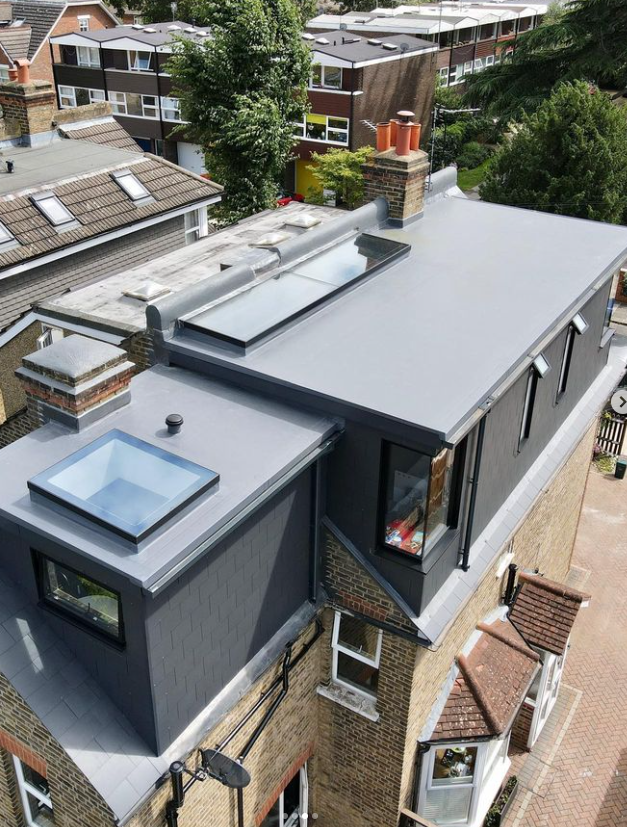
- Description: Designed for flat roofs or very low-pitch roofs (typically 0-15 degrees), these are flush with the roof surface, offering a sleek, minimalist appearance.
- Applications: Ideal for modern extensions, kitchens, living rooms, or hallways on properties with flat roofs. They maximise light without compromising internal head height.
- Options: Available as fixed units, manual opening, or electric opening (often with rain sensors).
2. Pitched Rooflights (Skylights)
- Description: Installed within the pitch of a tiled or slated roof, blending seamlessly with the roofline.
- Applications: Popular for loft conversions, attic rooms, or any room under a pitched roof.
- Options: Centre-pivot, top-hung, or fixed. Top-hung options offer better views when open, while centre-pivot are easier to operate in reach.
3. Walk-on Rooflights
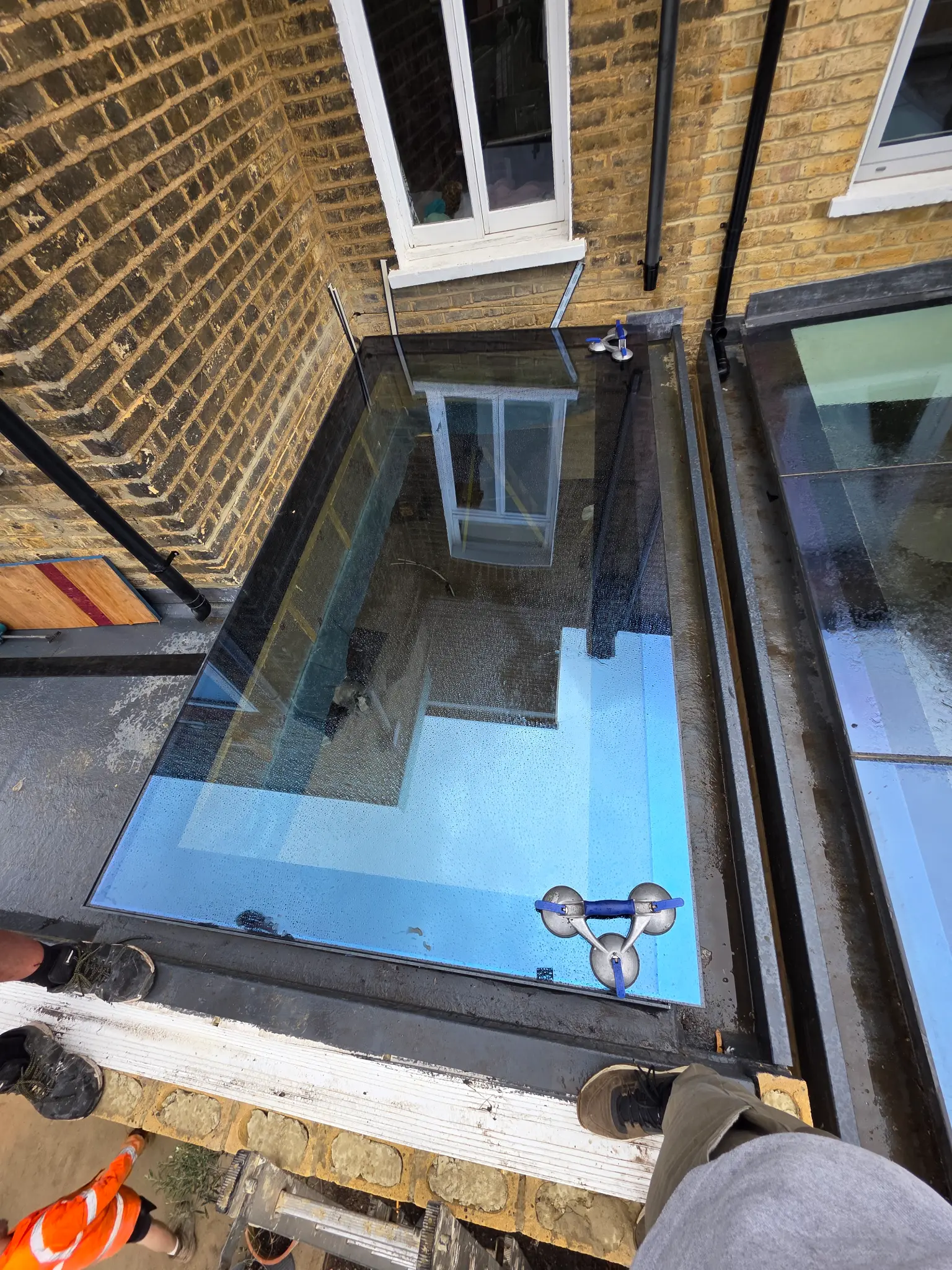
- Description: Specifically engineered with toughened glass and robust frames to withstand foot traffic, allowing them to be installed in accessible roof areas like terraces or patios.
- Applications: Creating light in rooms below outdoor living spaces, or as a unique architectural feature.
- Considerations: Require significantly thicker, laminated glass and specialist installation to ensure safety and structural integrity.
4. Lantern Rooflights & Pyramid Rooflights
- Description: These are structural glazed units that sit proud of the roofline, creating a striking architectural feature. Lanterns are typically rectangular or square with multiple glazed panels, while pyramids are four-sided and come to a point.
- Applications: Often used over large open-plan living areas, kitchens, or dining rooms to create a grand, airy feel. They provide excellent light dispersion and a sense of volume.
- Aesthetics: Can be traditional or contemporary depending on frame design and glazing bar thickness.
5. Access Rooflights
- Description: Designed to allow safe access to the roof for maintenance or as an exit point.
- Applications: Useful for properties with roof terraces, or where regular roof maintenance is required.
- Considerations: Must meet specific safety standards for opening mechanisms and structural strength.
Pro Tip
When selecting your rooflight, consider the orientation of your roof. North-facing rooflights provide consistent, soft light, while south-facing ones offer abundant but potentially intense light, requiring good solar control glazing to prevent overheating.
Benefits of Installing Rooflights in Your Home
Beyond simply adding light, rooflights offer a multitude of advantages for UK homeowners:
Enhanced Natural Light
Rooflights bring in up to three times more natural light than vertical windows of the same size, transforming dark, gloomy spaces into bright, inviting areas.
Improved Ventilation
Opening rooflights create a 'stack effect' (or chimney effect), drawing warm air up and out of the building, significantly improving air circulation and helping to cool rooms, especially in summer.
Energy Efficiency
Modern rooflights feature advanced glazing technology, offering excellent thermal insulation. This reduces the need for artificial lighting and can contribute to lower heating bills by harnessing passive solar gain.
Increased Property Value
Well-chosen and professionally installed rooflights can add significant appeal and perceived value to your home, making it more attractive to potential buyers.
.jpg)
UK Building Regulations and Technical Considerations
Navigating Building Regulations is crucial for any home improvement project involving structural changes or thermal performance. Rooflights are no exception. Non-compliance can lead to issues with property sales or even enforcement action.
1. Thermal Performance (Part L - Conservation of Fuel and Power)
All new and replacement rooflights must meet stringent thermal performance standards to minimise heat loss. This is measured by the U-value (W/m²K), where a lower number indicates better insulation.
- New Build & Extensions: Rooflights typically need to achieve a U-value of 1.2 W/m²K or better.
- Replacement Rooflights: For existing dwellings, replacement rooflights must achieve a U-value of 1.4 W/m²K or better.
These values are for the whole window unit (frame and glass) and are significantly more demanding than older regulations. Always check the manufacturer's specifications to ensure compliance.
2. Safety Glazing (Part K - Protection from Falling, Collision and Impact)
Glazing in rooflights must be safe. This typically means:
- Outer Pane: Should be toughened glass to resist impact from above (e.g., falling debris, hail).
- Inner Pane: Should be laminated glass to prevent shards falling into the room below if the pane breaks. This is particularly important for rooflights installed over areas where people frequently sit or pass beneath.
3. Ventilation (Part F - Ventilation)
If a rooflight is the primary source of ventilation for a room, it must be capable of providing adequate air changes. Opening rooflights contribute to purge ventilation, and trickle vents may be required if the room relies on the rooflight for background ventilation.
4. Fire Safety (Part B - Fire Safety)
In certain scenarios, such as loft conversions, rooflights may be required to serve as an emergency escape window. If so, they must meet specific clear opening dimensions (e.g., 0.33m² clear opening area, with no dimension less than 450mm) and be easily operable.
5. Structural Considerations
Installing a rooflight involves cutting into the roof structure. This requires careful planning to ensure the structural integrity of your roof is maintained. A structural engineer may need to be consulted, especially for larger units or in complex roof designs.
6. Planning Permission vs. Permitted Development
In many cases, installing rooflights falls under 'Permitted Development' rights, meaning you won't need to apply for planning permission. However, there are conditions:
- They must not project more than 150mm above the plane of the existing roof slope.
- They must not be higher than the highest part of the roof.
- Side-facing rooflights must be obscure-glazed and non-opening below 1.7m above the floor level.
- Properties in conservation areas, Areas of Outstanding Natural Beauty, National Parks, or listed buildings often have stricter rules.
It is always advisable to check with your local planning authority before commencing any work, especially if you live in a designated area or have any doubts.
Glazing Options and Performance
The glass itself is a critical component of any rooflight, influencing thermal performance, light transmission, and safety. Modern rooflights typically feature double or triple glazing.
| Feature | Description | Benefits |
|---|---|---|
| Low-E Coatings | Microscopically thin, transparent metallic coating on one or more glass surfaces. | Reflects heat back into the room in winter, reducing heat loss. Allows solar gain in. |
| Argon/Krypton Gas Fills | Inert gases sealed between the glass panes. | Better insulators than air, further reducing heat transfer and improving U-values. |
| Solar Control Glazing | Special coatings or tints that reflect a significant portion of solar radiation. | Reduces overheating in south-facing rooms, minimises glare, protects furnishings from UV. |
| Self-Cleaning Glass | A coating that uses sunlight to break down organic dirt and rainwater to wash it away. | Reduces maintenance, especially for hard-to-reach rooflights. |
| Acoustic Glazing | Laminated glass with a special interlayer or thicker glass panes. | Reduces noise transmission from rain, hail, or external sources, creating a quieter indoor environment. |
Installation and Maintenance Considerations
Professional Installation
Due to the structural implications and the need to ensure watertightness and thermal performance, professional installation is paramount. A skilled installer will ensure:
- Structural Integrity: Correct trimming and support for the roof opening.
- Watertight Seal: Proper flashing and sealing to prevent leaks, which are a common issue with poorly installed rooflights.
- Thermal Bridging: Correct insulation around the frame to prevent cold spots and condensation.
- Building Regulations Compliance: Adherence to all relevant standards.
Always choose an installer with a proven track record and appropriate certifications (e.g., FENSA/CERTASS for replacement windows/doors, or a reputable builder for new openings).
Maintenance
Modern rooflights are designed for low maintenance, but some care is still required:
- Cleaning: Regular cleaning of the glass (especially self-cleaning glass, which still benefits from occasional rinsing) and frames.
- Seals and Gaskets: Periodically inspect seals and gaskets for signs of wear or cracking.
- Operating Mechanisms: For opening rooflights, lubricate hinges and mechanisms as per manufacturer guidelines.
- Drainage: Ensure drainage channels around the rooflight are clear of debris (leaves, moss) to prevent water build-up.
Choosing the Right Rooflight for Your Home
Making the right choice involves balancing aesthetics, performance, and budget. Consider these questions:
- What is your roof type and pitch? (Flat, low-pitch, steep-pitch, tiled, slated?)
- What is the primary purpose? (Maximise light, provide ventilation, create a feature, allow roof access?)
- What is the room's orientation? (North, South, East, West – influences solar gain and glare.)
- What aesthetic are you aiming for? (Modern, traditional, minimalist?)
- What is your budget? (Fixed rooflights are generally less expensive than opening or large lantern units.)
- Do you need specific performance features? (Solar control, acoustic insulation, self-cleaning?)
By carefully considering these factors and consulting with experienced professionals, you can select and install rooflights that genuinely enhance your home's comfort, efficiency, and visual appeal for years to come.
At Shard AG, we specialise in high-performance architectural glazing solutions for UK homeowners. Our expert team can guide you through the selection process, ensuring your rooflight choice perfectly complements your home's design and meets all relevant UK Building Regulations. We offer a comprehensive range of bespoke and standard rooflight options, from sleek flat rooflights to stunning lantern designs, all crafted with precision and installed by accredited professionals. Contact us today to discuss your project and discover how we can illuminate your living spaces.
Explore Our Products
Discover how Shard Architectural Glazing can transform your home with our premium glazing solutions:
Ready to Transform Your Home?
Get in touch with our expert team for a free consultation and personalised quote. We'll help you choose the perfect glazing solution for your property.