
Rooflights & Skylights: A UK Homeowner's Comprehensive Guide
Explore the world of rooflights and skylights for your UK home. Understand types, benefits, regulations, and installation tips to brighten your living spaces.

Shard Architectural Glazing
7 April 2026
Explore the world of rooflights and skylights for your UK home. Understand types, benefits, regulations, and installation tips to brighten your living spaces.
📋In This Article
Bringing natural light into your home can transform its ambiance, making spaces feel larger, brighter, and more inviting. For many UK homeowners, traditional windows simply aren't enough, especially in extensions, loft conversions, or deeper plan homes. This is where rooflights and skylights come into their own, offering an elegant and effective solution to harness the power of the sun.
While often used interchangeably, there are subtle distinctions between rooflights and skylights, primarily relating to their installation angle and opening mechanisms. Regardless of the terminology, their purpose remains the same: to flood interiors with daylight and, in some cases, provide vital ventilation. This comprehensive guide will delve into everything you need to know, from types and benefits to crucial UK Building Regulations and installation considerations.
Understanding Rooflights and Skylights
Before diving into the specifics, let's clarify the terms and common types available to UK homeowners.
What's the Difference?
- Skylight: Typically refers to a window installed on a sloped roof, designed to open for ventilation. They often come with integrated flashing kits and are a popular choice for loft conversions.
- Rooflight: A broader term, often used for fixed, non-opening glazed units installed on flat roofs or low-pitch roofs. However, the term is increasingly used for any glazed unit in a roof, including those that open. For the purpose of this guide, we'll generally use 'rooflight' to encompass both, unless a specific distinction is necessary.
Common Types of Rooflights
- Fixed Rooflights: Non-opening units, ideal for maximising light in areas where ventilation isn't a primary concern. They offer excellent thermal performance and security.
- Manual Opening Rooflights: Operated by a winding handle or pole, these are a cost-effective way to introduce ventilation. Suitable for accessible heights.
- Electric Opening Rooflights: Operated by a remote control or wall switch, these are perfect for out-of-reach installations. Many come with rain sensors that automatically close the unit.
- Walk-on Rooflights: Designed with reinforced glass to withstand foot traffic, these are perfect for terraces, patios, or creating light wells in basements.
- Access Hatch Rooflights: These units open wide to allow access to a flat roof, often for maintenance or as an amenity space.
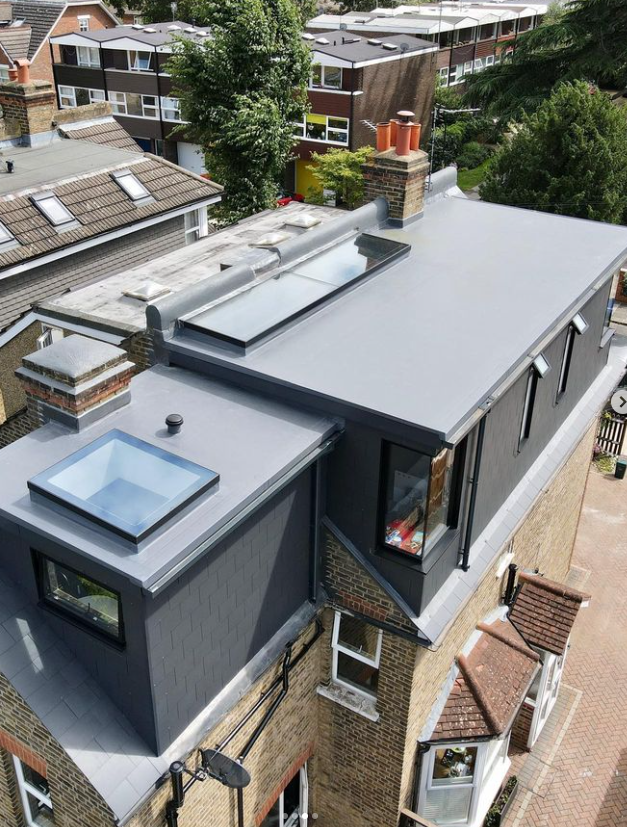
- Pyramid & Lantern Rooflights: Architectural features that add a dramatic aesthetic, typically found on flat roofs. They create a sense of grandeur and allow light to diffuse from multiple angles.
- Flat Roof Domes: Often made from polycarbonate or acrylic, these are a more economical option for flat roofs, providing good light diffusion.
Pro Tip
When selecting a rooflight, consider the primary function: is it purely for light, or do you also need ventilation? This will significantly narrow down your options and help you choose the most appropriate and cost-effective solution for your home.

Benefits of Installing Rooflights
The advantages of incorporating rooflights into your home extend beyond mere aesthetics.
Enhanced Natural Light
Rooflights typically bring in significantly more natural light than vertical windows of the same size, as they are less obstructed and capture direct overhead sunlight. This can reduce the need for artificial lighting during the day.
Improved Ventilation
Opening rooflights facilitate the 'stack effect', where warm, stale air rises and escapes through the rooflight, drawing in cooler, fresh air from lower windows. This is particularly effective in kitchens, bathrooms, and loft spaces.
Increased Property Value
A well-designed and installed rooflight can add significant appeal and value to your property, making spaces more desirable and functional for potential buyers.
Aesthetic Appeal & Well-being
Beyond practicality, rooflights create a sense of openness and connection to the outdoors. The influx of natural light has been linked to improved mood, productivity, and overall well-being.
UK Building Regulations and Compliance
Any structural alteration to your roof or the installation of a new opening will typically fall under UK Building Regulations. Compliance is crucial for safety, energy efficiency, and future property sales.
Part L: Conservation of Fuel and Power
This is perhaps the most critical regulation for rooflights. Part L dictates minimum thermal performance standards to ensure your home remains energy-efficient. For new or replacement rooflights, the U-value (a measure of heat loss) is paramount.
- New Build & Extensions: The U-value for windows and doors (including rooflights) should be no worse than 1.2 W/m²K.
- Replacement Rooflights: For existing dwellings, replacement rooflights should achieve a U-value of 1.4 W/m²K or better.
Always check the manufacturer's specifications to ensure the rooflight you choose meets these requirements. Double glazing is usually the minimum, with triple glazing offering superior thermal performance.
Part B: Fire Safety
If the rooflight is being installed as part of a loft conversion, especially in a two-storey house becoming a three-storey house, fire safety considerations become vital. This might include requirements for fire-rated glazing or ensuring adequate escape routes.
Part F: Ventilation
If an opening rooflight is intended to provide ventilation, it must meet minimum airflow requirements, especially in 'wet rooms' like bathrooms and kitchens.
Planning Permission vs. Building Regulations
- Building Regulations: Almost all rooflight installations will require Building Control approval. This ensures the work meets structural, thermal, and safety standards. You or your installer must notify your local authority's Building Control department before work commences.
- Planning Permission: In most cases, installing rooflights on a pitched roof falls under 'permitted development rights' and does not require planning permission, provided certain conditions are met (e.g., not projecting more than 150mm from the roof plane, not higher than the highest part of the roof, not on the principal elevation if facing a highway). However, for flat roof extensions, or if your property is in a conservation area, Area of Outstanding Natural Beauty (AONB), or is a listed building, planning permission will almost certainly be required. Always consult your local planning authority.
Legal Note: Failure to comply with Building Regulations could lead to enforcement action by your local authority and may cause significant issues when you come to sell your property. It is always advisable to consult with a qualified professional and your local Building Control department before starting any work.
Design and Installation Considerations
Careful planning is essential for a successful rooflight project.
Location and Orientation
- North-facing: Provides consistent, diffused light, ideal for art studios or offices where direct glare is undesirable.
- South-facing: Offers abundant light and solar gain, which can be beneficial in winter but may lead to overheating in summer. Consider solar control glazing or integrated blinds.
- East-facing: Captures morning sun, perfect for kitchens or breakfast rooms.
- West-facing: Provides afternoon and evening light, great for living rooms but can also lead to glare.
Glazing Options
- Double or Triple Glazing: Essential for thermal performance (U-value) and noise reduction.
- Low-E Coatings: Reduce heat loss in winter and heat gain in summer.
- Self-cleaning Glass: A microscopic coating reacts with sunlight to break down organic dirt, which is then washed away by rain.
- Solar Control Glass: Reduces the amount of solar heat entering the building, mitigating overheating.
- Laminated or Toughened Glass: Required for safety, especially in overhead applications, to prevent injury in case of breakage. Laminated glass remains intact when broken.
Frame Materials
- Timber: Offers a natural aesthetic, good insulation, but requires maintenance.
- uPVC: Low maintenance, good thermal performance, cost-effective.
- Aluminium: Strong, durable, slim sightlines, ideal for larger units and modern designs. Excellent weather resistance.
- Composite: Combines materials like timber internally and aluminium externally for the best of both worlds.
Installation
Installing a rooflight is a complex job that involves structural alterations, weatherproofing, and ensuring compliance with Building Regulations. It is strongly recommended to use a qualified and experienced installer. Incorrect installation can lead to leaks, drafts, and structural problems.
Maintenance and Longevity
With proper care, your rooflight will provide years of trouble-free performance.
- Regular Cleaning: Keep the glass clean to maximise light transmission. Self-cleaning glass can reduce this chore.
- Check Seals and Flashing: Periodically inspect the seals around the glass and the flashing (weatherproofing) around the frame for any signs of wear or damage.
- Drainage: Ensure drainage channels are clear of debris to prevent water build-up.
- Operating Mechanisms: For opening rooflights, lubricate hinges and mechanisms as per the manufacturer's instructions.
Rooflight Specification Comparison
Here's a comparison of typical specifications for common rooflight types:
| Feature | Fixed Flat Rooflight | Electric Opening Flat Rooflight | Pitched Roof Window (Skylight) | Walk-on Rooflight |
|---|---|---|---|---|
| Primary Use | Max light, thermal performance | Light, ventilation, convenience | Light, ventilation, loft conversions | Light, accessible outdoor space |
| Typical U-value | 0.9 - 1.2 W/m²K | 1.0 - 1.3 W/m²K | 1.1 - 1.4 W/m²K | 1.0 - 1.5 W/m²K |
| Glazing Type | Double/Triple, Low-E, Toughened/Laminated | Double/Triple, Low-E, Toughened/Laminated | Double/Triple, Low-E, Toughened/Laminated | Triple Laminated, Anti-slip coating option |
| Frame Material | Aluminium, uPVC, Composite | Aluminium, uPVC, Composite | Timber, uPVC, Aluminium | Aluminium, Steel (for structural integrity) |
| Ventilation | None | Electric (rain sensor common) | Manual or Electric | None (unless custom built) |
| Cost (Indicative) | Mid-range | Higher | Mid-range | Premium |
Conclusion
Rooflights and skylights are a fantastic investment for any UK homeowner looking to enhance their living spaces with natural light and improved ventilation. By understanding the different types, adhering to crucial Building Regulations, and making informed choices about design and installation, you can create a brighter, more comfortable, and energy-efficient home.
Always prioritise quality products and professional installation to ensure longevity and compliance. If you're considering adding rooflights to your property, consulting with architectural glazing specialists can provide invaluable insights and ensure your project is a resounding success.
At Shard AG, we specialise in high-performance architectural glazing solutions, including a wide range of bespoke rooflights and skylights designed to meet the specific needs and aesthetic aspirations of UK homeowners. Our expert team can guide you through the selection process, ensuring compliance with all relevant Building Regulations and delivering a solution that perfectly complements your home.
Explore Our Products
Discover how Shard Architectural Glazing can transform your home with our premium glazing solutions:
Ready to Transform Your Home?
Get in touch with our expert team for a free consultation and personalised quote. We'll help you choose the perfect glazing solution for your property.