

Rooflights & Skylights: The Ultimate UK Homeowner's Guide
Unlock natural light and enhance your home's aesthetics with rooflights and skylights. This guide covers types, regulations, benefits, and installation tips for UK homeowners.

Shard Architectural Glazing
30 March 2026
Unlock natural light and enhance your home's aesthetics with rooflights and skylights. This guide covers types, regulations, benefits, and installation tips for UK homeowners.
📋In This Article
Bringing natural light into our homes is a universal desire, transforming dark, uninviting spaces into bright, airy havens. For many UK homeowners, particularly those with extensions, loft conversions, or north-facing rooms, traditional windows simply aren't enough. This is where rooflights and skylights come into their own, offering a powerful solution to illuminate interiors from above.
While often used interchangeably, there are subtle differences between the two, primarily in their installation angle and how they integrate with the roof structure. Regardless of terminology, their purpose remains the same: to flood your home with daylight, improve ventilation, and even offer stunning views of the sky. This comprehensive guide will delve into everything UK homeowners need to know about rooflights and skylights, from types and benefits to critical Building Regulations and installation considerations.
What Are Rooflights and Skylights?
At their core, both rooflights and skylights are glazed units designed to be installed into a roof structure, allowing natural light to penetrate the space below. The distinction often lies in how they are fitted and their typical application:
- Rooflights: Generally installed flush or near-flush with the roofline, often on a flat or low-pitch roof. They are typically fixed, non-opening units, though some can be vented. They are commonly seen in flat roof extensions, or integrated seamlessly into pitched roofs where they follow the roof's slope. Examples include flat glass rooflights, walk-on rooflights, and pyramid or lantern rooflights.
- Skylights: More commonly associated with pitched roofs, skylights are often designed to open for ventilation and egress. They are typically installed 'out-of-plane', meaning they sit proud of the roofline, often within a kerb or upstand. The term 'skylight' is frequently used for the popular 'Velux-style' windows that pivot or top-hung open.
For the purpose of this guide, we will use the term 'rooflight' broadly to encompass all overhead glazing solutions, unless a specific distinction is necessary.
Types of Rooflights and Their Applications
The market offers a diverse range of rooflight types, each suited to different architectural styles, roof structures, and functional requirements. Understanding these options is key to making the right choice for your home.
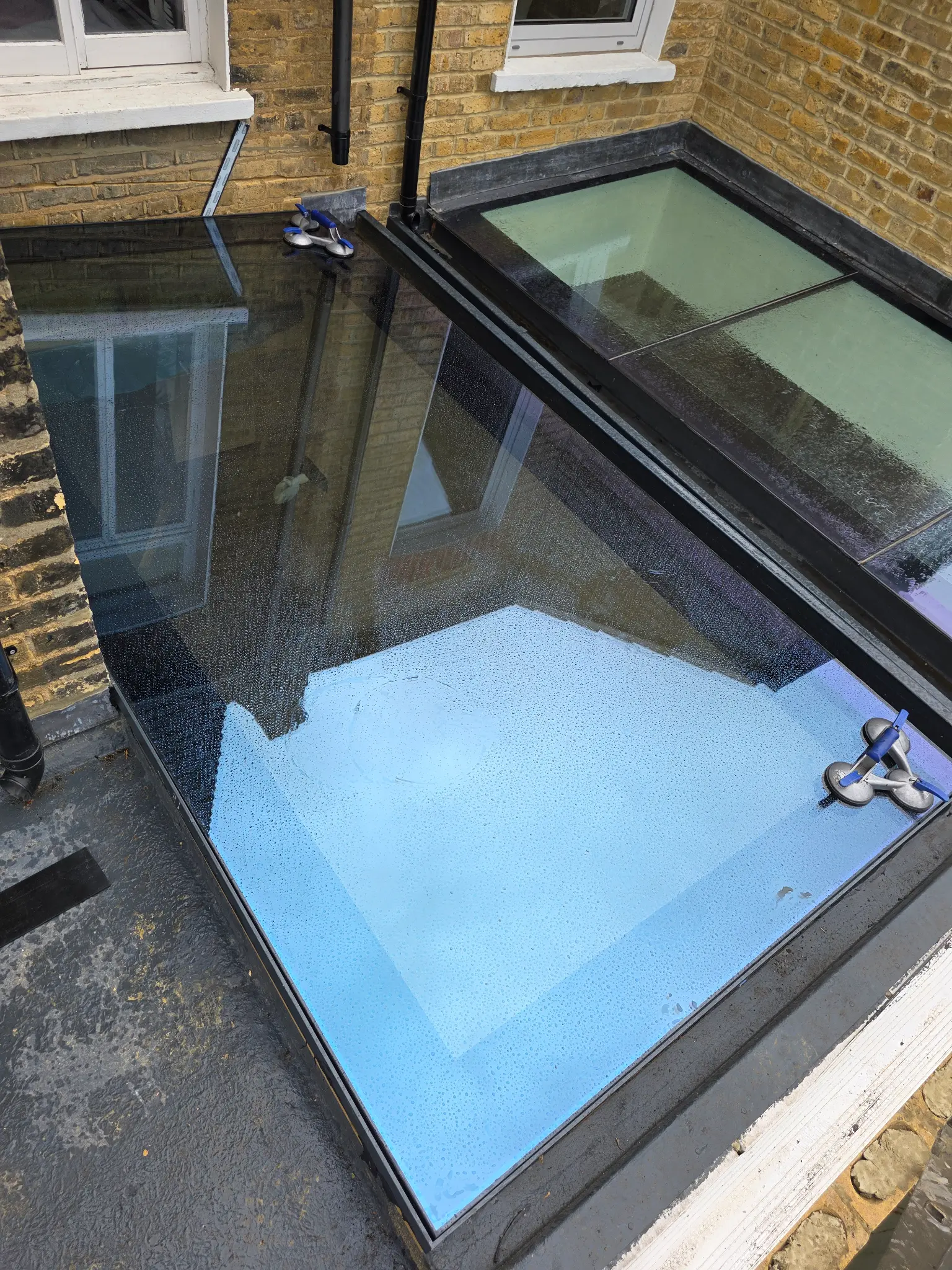
Flat Glass Rooflights
- Description: These are sleek, minimalist units designed for flat roofs or very low-pitch roofs (typically 2-15 degrees). They feature a single pane or multiple panes of glass, often with a subtle upstand to aid drainage.
- Applications: Ideal for modern extensions, kitchens, living areas, or any flat-roofed space requiring maximum daylight and an unobstructed view of the sky. Can be fixed, ventilating, or even walk-on.
- Pros: Contemporary aesthetic, excellent light transmission, easy to clean (if accessible), can be very energy efficient.
- Cons: Requires a slight pitch for drainage, can be prone to condensation if not properly specified or installed, potential for overheating in direct sunlight without solar control glazing.
Pitched Roof Windows (Skylights)
- Description: Designed specifically for pitched roofs, these typically sit within the roof structure and follow the angle of the roof. They are often opening units, available as centre-pivot, top-hung, or even electric operation.
- Applications: Loft conversions, bedrooms, bathrooms, and any room with a sloped ceiling where ventilation and natural light are desired.
- Pros: Excellent ventilation, often available with integrated blinds, can double as emergency escape routes (egress windows) if sized and positioned correctly.
- Cons: Can be more visible externally than flat rooflights, may require specialist flashing kits for weatherproofing.
Lantern and Pyramid Rooflights
- Description: These are architectural statements, rising above the roofline to create a striking feature. Lanterns are typically rectangular or square with multiple glazed panes, while pyramids have four triangular panes meeting at a point.
- Applications: Grand extensions, orangeries, large open-plan living areas, or commercial spaces where a dramatic influx of light and a sense of volume are desired.
- Pros: Stunning visual impact, exceptional light distribution, creates a feeling of height and grandeur.
- Cons: More complex installation, higher cost, can be harder to clean, potential for heat gain/loss if not specified with high-performance glazing.
Walk-On Rooflights
- Description: Specifically engineered with toughened and laminated glass to withstand foot traffic, allowing them to be integrated into roof terraces, patios, or even floors.
- Applications: Basements or ground-floor rooms below an external amenity space, creating light wells without sacrificing usable outdoor area.
- Pros: Maximises natural light in subterranean spaces, maintains usable outdoor space, creates a unique design feature.
- Cons: Very heavy, requires robust structural support, typically the most expensive option, specialist installation.
Key Benefits of Installing Rooflights
Enhanced Natural Light
Rooflights dramatically increase the amount of daylight entering a room, reducing reliance on artificial lighting and creating a brighter, more inviting atmosphere. This can be particularly beneficial for north-facing rooms or deep-plan layouts.
Improved Ventilation
Opening rooflights facilitate the 'stack effect', where warm air rises and escapes through the rooflight, drawing cooler air in through lower windows. This natural ventilation is highly effective at cooling spaces and reducing humidity.
Aesthetic Appeal & Value
Modern rooflights offer sleek, contemporary designs that can significantly enhance a home's architectural appeal. By transforming dark spaces, they can also add perceived and actual value to your property.
Well-being & Productivity
Exposure to natural light is proven to boost mood, reduce stress, and improve concentration. Introducing more daylight into your home can contribute positively to the well-being of its occupants.

UK Building Regulations and Technical Considerations
Installing rooflights is not simply a matter of cutting a hole in your roof. It involves structural alterations, thermal performance requirements, and often planning considerations. Adhering to UK Building Regulations is paramount.
Planning Permission
In many cases, installing rooflights falls under Permitted Development Rights, meaning you won't need full planning permission. However, there are conditions:
- Rooflights must not project more than 150mm from the plane of the existing roof slope.
- They must not be higher than the highest part of the roof.
- Side-facing rooflights must be obscure-glazed and non-opening below 1.7m above the floor level to prevent overlooking.
- On designated land (e.g., Conservation Areas, National Parks), Permitted Development Rights may be more restricted, and planning permission might be required.
It is always advisable to check with your local planning authority before commencing any work.
Building Regulations Part L (Conservation of Fuel and Power)
This is arguably the most critical regulation for rooflights. Part L dictates the thermal performance of building elements to ensure energy efficiency. For rooflights, this is measured by their U-value (W/m²K), which indicates how well a component prevents heat from escaping. A lower U-value means better insulation.
The current (2022 England) minimum performance standards for new or replacement windows/doors (which includes rooflights) are:
- New Build: 1.2 W/m²K
- Replacement: 1.4 W/m²K
It's important to note that these are minimums. Many high-performance rooflights will offer U-values significantly lower than these, contributing to a more energy-efficient home. The overall target U-values for other building elements are:
- Walls (new build & extensions): 0.18 W/m²K
- Floors: 0.18 W/m²K
- Roofs: 0.15 W/m²K
When installing a rooflight as part of a new extension or conversion, the entire new element (e.g., the extension) must meet the overall thermal performance targets, which means your rooflight U-value will be factored into the calculation.
Pro Tip
Always request the U-value of any rooflight you are considering. Look for double or triple glazing with low-emissivity (low-e) coatings and argon or krypton gas-filled cavities for optimal thermal performance. Ensure the U-value quoted is for the entire unit (frame and glass), not just the glass centre pane.
Building Regulations Part F (Ventilation)
If your rooflight is the primary means of ventilation for a room, it must comply with Part F. This typically means providing adequate trickle ventilation or an opening area equivalent to a certain percentage of the room's floor area.
Building Regulations Part B (Fire Safety)
For loft conversions, certain rooflights may need to serve as an emergency escape window. This requires specific minimum dimensions (e.g., 0.33m² clear opening area, with no dimension less than 450mm) and must be easily openable without a key.
Structural Considerations
Cutting an opening in your roof will affect its structural integrity. A qualified structural engineer should assess the roof structure and specify any necessary strengthening, such as trimmer joists or steelwork, to support the rooflight and redistribute loads. This is a critical step that should never be overlooked.
Condensation Control
Poorly specified or installed rooflights can be prone to condensation, especially in humid environments like kitchens or bathrooms. Ensure proper ventilation, high-performance glazing, and correct installation to minimise this risk. Thermal breaks in the frame are also crucial.
Choosing the Right Glazing
The glass itself is a critical component of any rooflight, impacting thermal performance, safety, and comfort.
| Glazing Type | Description | Pros | Cons |
|---|---|---|---|
| Double Glazing | Two panes of glass separated by a sealed cavity (often argon-filled). | Good thermal insulation, standard for most applications, cost-effective. | Can be improved upon for very high performance. |
| Triple Glazing | Three panes of glass with two sealed cavities. | Superior thermal insulation (very low U-values), excellent sound reduction. | Heavier, thicker, higher cost. |
| Low-Emissivity (Low-E) Coating | Microscopic metallic coating on one glass surface. | Reflects heat back into the room in winter, reduces heat gain in summer. Essential for modern rooflights. | Slightly reduces light transmission. |
| Solar Control Glass | Special coatings to reflect solar radiation. | Reduces overheating in south-facing rooms, maintains comfortable indoor temperatures. | Can slightly reduce visible light transmission, higher cost. |
| Laminated Glass | Two or more panes bonded with an interlayer (e.g., PVB). | Safety glass – holds together when shattered, excellent sound insulation. Required for overhead glazing for safety. | Heavier, higher cost. |
| Toughened Glass | Heat-treated glass for increased strength. | Up to 5x stronger than annealed glass, shatters into small, blunt pieces for safety. | Can shatter completely if impact is sufficient. |
| Self-Cleaning Glass | Hydrophilic and photocatalytic coating. | Breaks down organic dirt and allows rainwater to wash it away. | Works best with direct sunlight and rain, not truly 'maintenance-free'. |
Installation and Maintenance
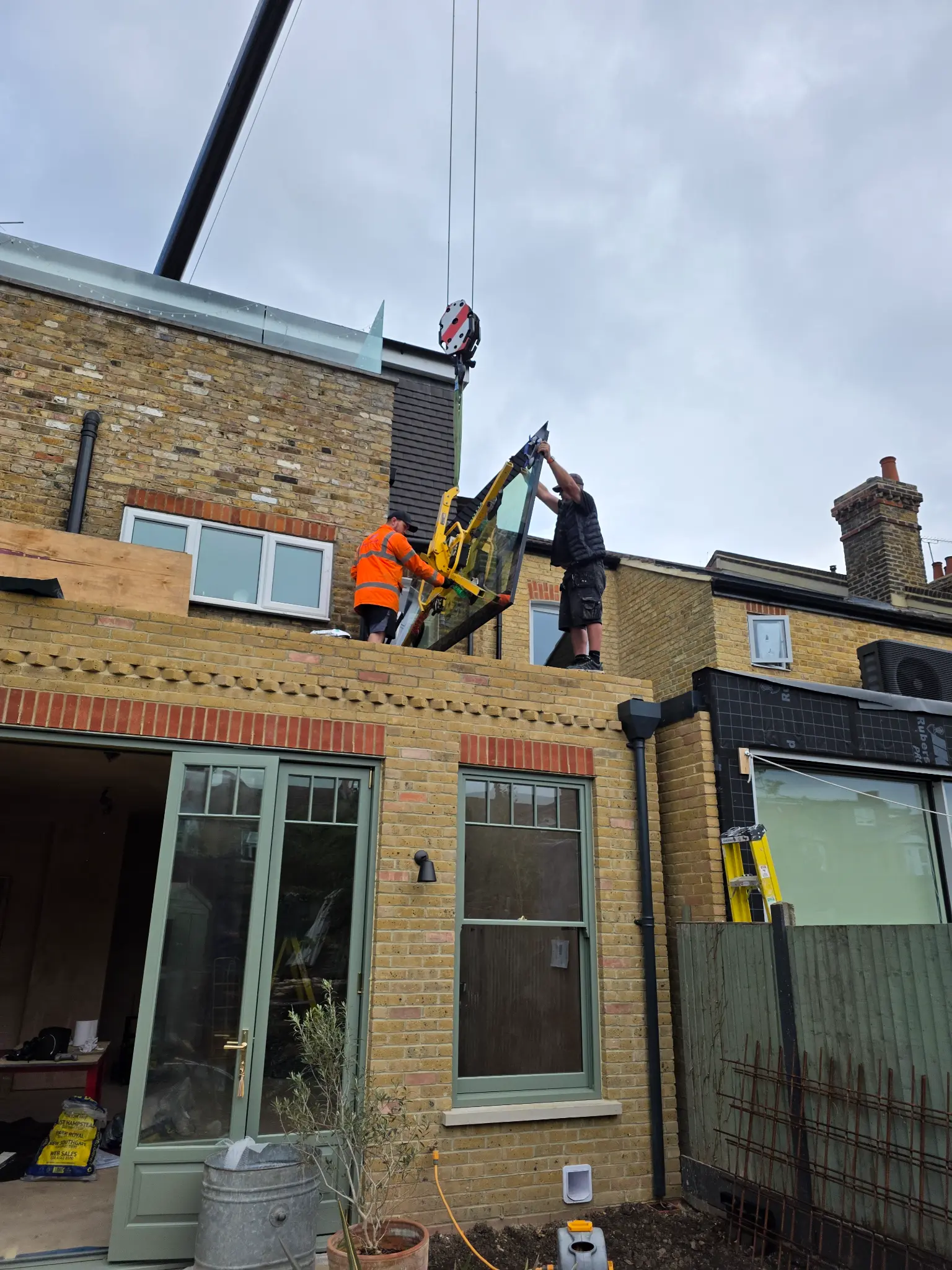
Proper installation is crucial for the longevity, performance, and weather-tightness of your rooflight. This is not a DIY job for most homeowners.
Professional Installation
Always use experienced, qualified installers. They will understand the intricacies of roof construction, flashing details, and Building Regulations. Poor installation can lead to leaks, drafts, and structural issues, which can be costly to rectify.
Flashing and Weatherproofing
The interface between the rooflight and the roof covering is the most vulnerable point for water ingress. High-quality flashing kits, correctly installed, are essential to create a watertight seal. Ensure the installer uses appropriate materials for your specific roof type (e.g., tiles, slates, felt).
Maintenance
- Cleaning: While self-cleaning glass helps, occasional cleaning of the exterior (and interior) will maintain optimal light transmission. Use appropriate cleaning solutions and equipment, especially for hard-to-reach rooflights.
- Seals and Gaskets: Periodically inspect rubber seals and gaskets for signs of degradation or cracking. Replacing these can prevent drafts and leaks.
- Drainage: Ensure any drainage channels around the rooflight are clear of debris (leaves, moss) to prevent water build-up.
- Operating Mechanisms: For opening rooflights, lubricate hinges and mechanisms annually to ensure smooth operation.
Conclusion: Brighten Your Home with Confidence
Rooflights and skylights offer an exceptional way to transform your living spaces, bringing in abundant natural light, improving ventilation, and enhancing your home's aesthetic appeal. By carefully considering the various types, understanding the critical UK Building Regulations, and investing in high-quality products and professional installation, you can enjoy the many benefits of overhead glazing for decades to come.
Always prioritise thermal performance, safety, and structural integrity. Consult with architects, structural engineers, and reputable installers to ensure your chosen rooflight solution is perfectly suited to your home and compliant with all relevant standards.
At Shard AG, we specialise in high-performance architectural glazing solutions for UK homeowners. Our expert team can guide you through the selection process, ensuring your rooflight meets all Building Regulations and perfectly complements your home's design. Contact us today to discuss your project and discover how we can help you bring more light into your life.
Explore Our Products
Discover how Shard Architectural Glazing can transform your home with our premium glazing solutions:
Ready to Transform Your Home?
Get in touch with our expert team for a free consultation and personalised quote. We'll help you choose the perfect glazing solution for your property.