

Rooflights & Skylights: The Ultimate UK Homeowner's Guide
Explore the benefits, types, regulations, and installation considerations for rooflights and skylights in UK homes. Maximise natural light and enhance your living space.

Shard Architectural Glazing
3 April 2026
Explore the benefits, types, regulations, and installation considerations for rooflights and skylights in UK homes. Maximise natural light and enhance your living space.
📋In This Article
Bringing natural light into your home can transform dark, uninviting spaces into bright, airy havens. For many UK homeowners, rooflights and skylights offer an ideal solution, particularly in extensions, loft conversions, or single-storey areas where traditional windows are impractical. This comprehensive guide will delve into everything you need to know about these illuminating architectural features, from their distinct types and benefits to crucial Building Regulations and installation considerations.
What Are Rooflights and Skylights?
Often used interchangeably, the terms 'rooflight' and 'skylight' do have subtle distinctions, though in common parlance, they refer to similar products designed to bring light through a roof. Understanding these differences can be helpful when discussing options with architects or suppliers.
Rooflights
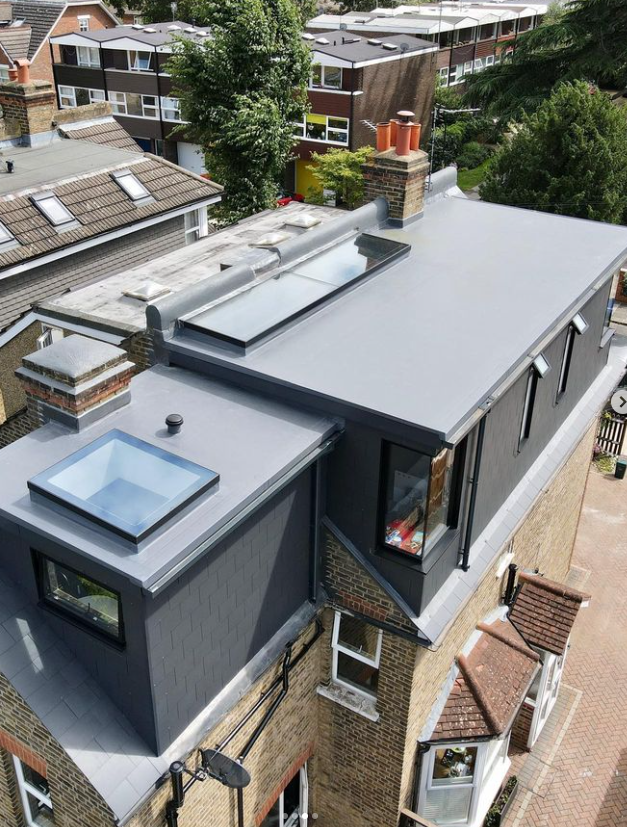
A rooflight is generally defined as a glazed unit that is installed on a flat roof or a roof with a very low pitch (typically less than 15 degrees). They are often bespoke, larger, and designed to sit flush or slightly raised from the roof surface. Rooflights can come in various forms, including flat glass units, pyramid shapes, or lantern designs.
Skylights
A skylight, on the other hand, typically refers to a window installed into a pitched roof (usually 15 degrees or more). These are often proprietary products, such as those made by VELUX, and are designed to integrate seamlessly with standard roofing materials like tiles or slates. They often come with integrated flashing kits for weatherproofing.
For the purpose of this guide, we will use 'rooflight' as a general term encompassing both, as the principles of light, thermal performance, and regulations apply broadly to both types of installations.
Benefits of Installing Rooflights
The advantages of incorporating rooflights into your home extend far beyond simply adding light.
Enhanced Natural Light
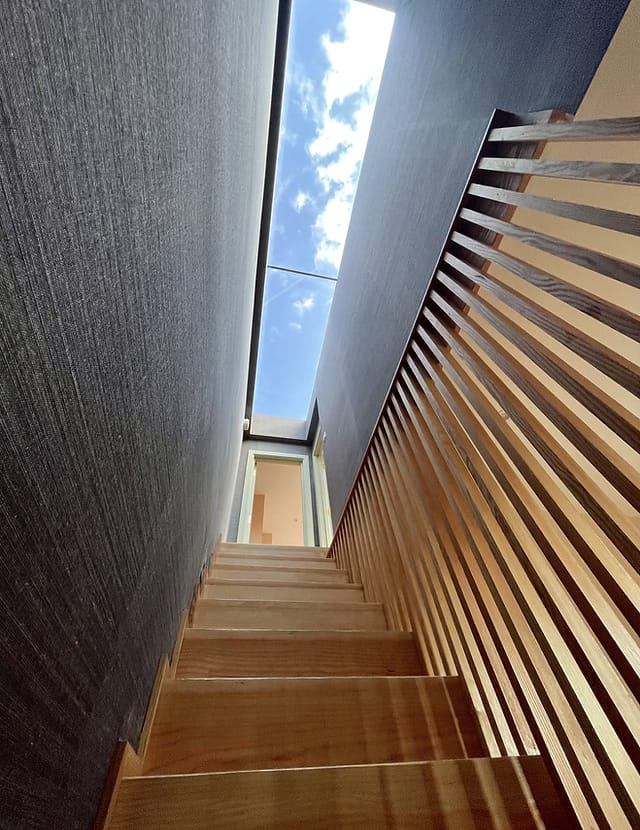
Rooflights can bring up to three times more natural light into a room than a vertical window of the same size. This dramatically brightens interiors, reducing the need for artificial lighting during the day and creating a more inviting atmosphere.
Improved Ventilation
Many rooflights offer opening mechanisms, allowing for effective natural ventilation. This can help to regulate indoor temperatures, reduce humidity, and improve air quality, especially in kitchens, bathrooms, or loft spaces.
Space and Aesthetic Appeal
By drawing the eye upwards, rooflights can make rooms feel larger and more open. They also add a contemporary architectural feature, enhancing the visual appeal and potentially increasing the value of your property.
Energy Efficiency
Modern rooflights are designed with excellent thermal performance, contributing to your home's energy efficiency. By maximising daylight, they reduce reliance on electric lights, and well-insulated units minimise heat loss.
Types of Rooflights and Materials
The variety of rooflight options available means there's a solution for almost any architectural style or functional requirement.
Common Types:
- Fixed Flat Glass Rooflights: These are non-opening units, ideal for maximising light in areas where ventilation isn't a primary concern. They offer sleek, minimalist aesthetics.
- Ventilated Rooflights: Available with manual, electric, or even solar-powered opening mechanisms. Electric options often come with rain sensors for automatic closing.
- Walk-on Rooflights: Designed for areas like roof terraces or balconies, these feature reinforced glass that can withstand foot traffic.
- Access Hatch Rooflights: These provide safe and easy access to a flat roof for maintenance or as an escape route.
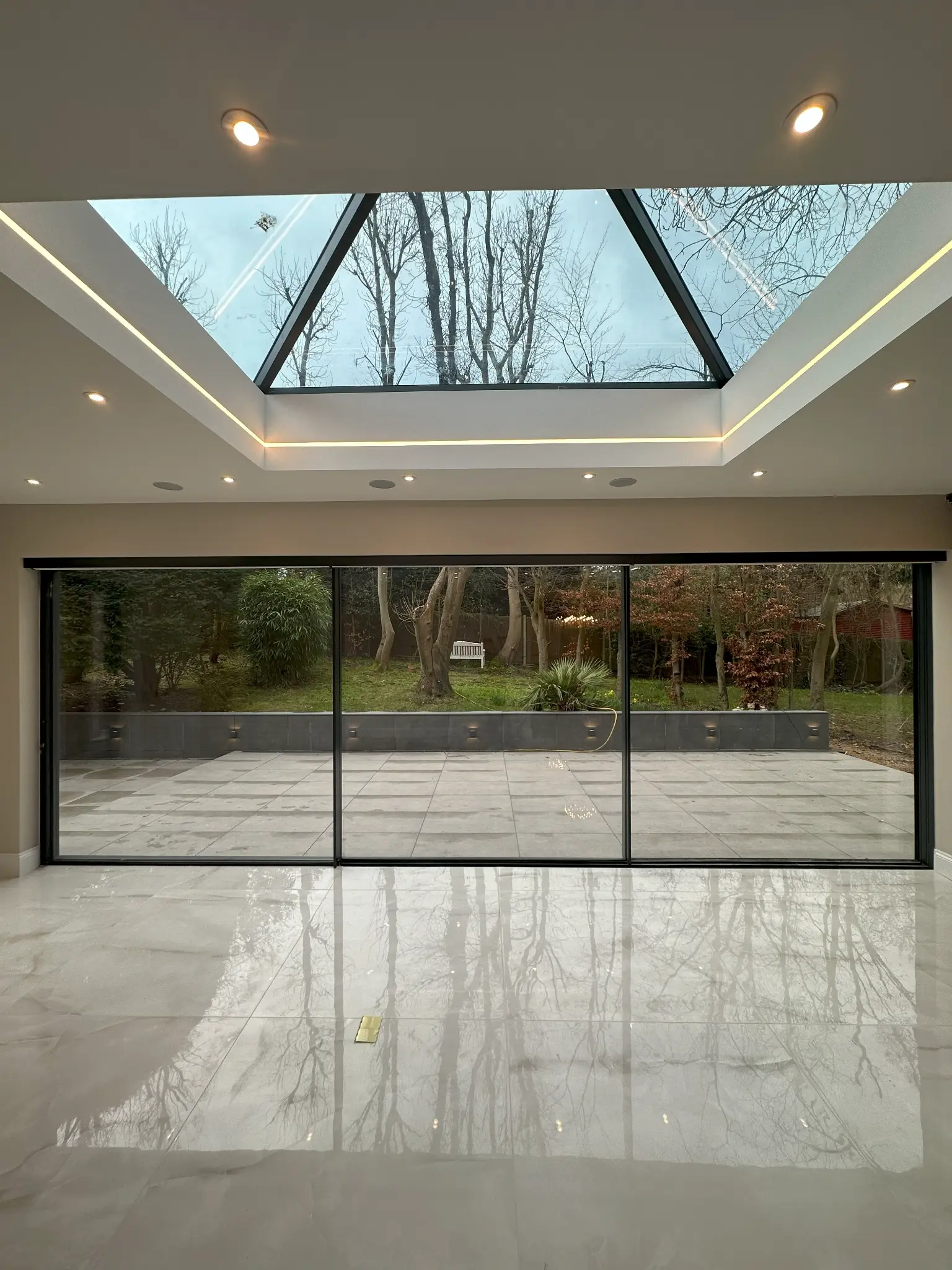
- Pyramid and Lantern Rooflights: Often used on larger flat roof extensions, these create a dramatic architectural statement and allow light to flood in from multiple angles.
- Pitched Roof Skylights: Integrated into pitched roofs, these are commonly top-hung, centre-pivot, or side-hung, offering various opening functions.
Materials and Glazing:
- Glass: The most common material, typically double or triple glazed for thermal performance. Toughened glass is used for the outer pane for impact resistance, and laminated glass for the inner pane for safety (preventing shards if broken).
- Frames: Frames are usually made from aluminium, uPVC, or timber. Aluminium is popular for its strength, slim sightlines, and durability. uPVC offers good thermal performance and low maintenance. Timber provides a natural aesthetic but requires more maintenance.
- Glazing Options:
- Low-E Coatings: Reduce heat transfer, keeping warmth in during winter and out during summer.
- Self-Cleaning Glass: Features a special coating that uses sunlight and rain to break down and wash away dirt.
- Solar Control Glass: Helps to reduce solar gain, preventing overheating in south-facing rooms.
- Acoustic Glass: Designed to reduce noise transmission, useful in urban areas.
UK Building Regulations and Planning Permission
Navigating Building Regulations and planning permission is a critical step for any home improvement project involving structural changes or alterations to the building envelope. For rooflights, these are particularly relevant.
Building Regulations (England)
All new rooflight installations must comply with current Building Regulations, particularly:
- Part L (Conservation of Fuel and Power): This is crucial for thermal performance. For new build properties, rooflights must achieve a U-value of 1.2 W/m²K or better. For replacement rooflights in existing dwellings, the requirement is 1.4 W/m²K. Ensure your chosen product meets these standards.
- Part B (Fire Safety): If a rooflight is intended as an escape route (e.g., from a loft conversion), it must meet specific size and opening requirements.
- Part K (Protection from Falling, Collision and Impact): This covers safety glazing. Outer panes should be toughened, and inner panes laminated, especially where there is a risk of falling glass.
- Part F (Ventilation): If the rooflight is part of a ventilation strategy, it must provide adequate airflow.
It is always advisable to notify your local Building Control Body before starting work. They will inspect the work at various stages to ensure compliance. Reputable manufacturers will provide U-value certificates and other documentation to assist with Building Control approval.
Pro Tip
When selecting rooflights, always request the product's U-value certificate and ensure it meets or exceeds the current Building Regulations Part L requirements for your specific project (new build vs. replacement). This is non-negotiable for compliance.
Planning Permission
In many cases, installing rooflights falls under 'Permitted Development' rights, meaning you may not need full planning permission, provided certain conditions are met:
- They must not protrude more than 150mm from the plane of the existing roof slope.
- They must not be higher than the highest part of the existing roof.
- Side-facing rooflights must be obscure-glazed and non-opening, unless the part that can be opened is more than 1.7m above the floor of the room in which it is installed.
- On designated land (e.g., Conservation Areas, National Parks, Areas of Outstanding Natural Beauty), Permitted Development rights may be more restricted, and planning permission is often required.
Always check with your local planning authority before commencing any work, especially if your property is listed or in a conservation area. Failure to comply could lead to enforcement action.
Installation and Maintenance Considerations
Proper installation is paramount for the longevity and performance of your rooflight. Maintenance, though often minimal, is also important.
Installation
- Professional Installation: Always use experienced, qualified installers. Incorrect installation can lead to leaks, drafts, and compromised thermal performance.
- Structural Integrity: The roof structure must be capable of supporting the rooflight. Your installer or a structural engineer will assess this.
- Flashing and Weatherproofing: Critical for preventing water ingress. Ensure high-quality flashing kits are used and correctly integrated with your roofing materials.
- Insulation: Proper insulation around the rooflight frame is essential to prevent cold bridging and maintain thermal efficiency.
- Access: Consider how the rooflight will be accessed for cleaning or maintenance, especially for larger or high-level units.
Maintenance
- Cleaning: While some rooflights feature self-cleaning glass, periodic cleaning of the exterior (and interior) will maintain optimal light transmission. Use appropriate cleaning products and safety equipment.
- Seals and Gaskets: Periodically inspect seals and gaskets for any signs of deterioration or damage that could lead to leaks.
- Opening Mechanisms: For ventilating rooflights, ensure opening mechanisms are clean and lubricated if necessary.
- Drainage: Keep drainage channels around the rooflight clear of leaves and debris to prevent water build-up.
Thermal Performance Comparison
Understanding U-values is key to selecting energy-efficient glazing. A lower U-value indicates better insulation and less heat loss.
| Component | UK Building Regs Part L (2022 England) | Typical Performance (Good Quality) | Notes |
|---|---|---|---|
| New Build Windows/Doors/Rooflights | 1.2 W/m²K | 0.9 - 1.2 W/m²K (Triple Glazed) | Minimum standard for new constructions. |
| Replacement Windows/Doors/Rooflights | 1.4 W/m²K | 1.0 - 1.4 W/m²K (Double Glazed) | Minimum standard for existing dwellings. |
| Walls (New Build & Extensions) | 0.18 W/m²K | 0.15 - 0.18 W/m²K | For context on overall building envelope. |
| Roofs (New Build & Extensions) | 0.15 W/m²K | 0.10 - 0.15 W/m²K | For context on overall building envelope. |
While the U-value for rooflights is higher than for solid roof sections, modern glazing technology ensures they still contribute positively to your home's energy performance when specified correctly.
Choosing the Right Rooflight for Your Home
Making the right choice involves balancing aesthetics, budget, performance, and practical considerations.
- Purpose: Is it purely for light, or do you need ventilation, access, or walk-on capability?
- Roof Type: Flat or pitched? This will dictate the primary type of product you need.
- Orientation: South-facing rooflights will bring in more solar gain, potentially requiring solar control glass. North-facing units will provide more consistent, diffused light.
- Room Function: Kitchens and bathrooms benefit greatly from ventilating rooflights to manage moisture. Living areas might prioritise maximum light and views.
- Budget: Prices vary significantly based on size, type, glazing specification, and opening mechanism.
- Aesthetics: Consider how the rooflight will look both internally and externally, ensuring it complements your home's design.
- Supplier Reputation: Choose a reputable manufacturer and installer with a proven track record and good warranties.
Rooflights and skylights are a fantastic investment for any UK homeowner looking to enhance their living space with natural light, improved ventilation, and a touch of modern design. By understanding the different types, adhering to Building Regulations, and ensuring professional installation, you can enjoy the myriad benefits for years to come.
At Shard AG, we specialise in high-quality architectural glazing solutions for UK homes. Our expert team can guide you through the selection process, ensuring you choose rooflights that perfectly meet your needs, comply with all regulations, and are installed to the highest standards. Contact us today to discuss your project and discover how we can illuminate your home.
Explore Our Products
Discover how Shard Architectural Glazing can transform your home with our premium glazing solutions:
Ready to Transform Your Home?
Get in touch with our expert team for a free consultation and personalised quote. We'll help you choose the perfect glazing solution for your property.