Structural Glass Walls: A Comprehensive UK Homeowner's Guide
Explore the world of structural glass walls for UK homes. Understand design, regulations, benefits, and costs for a truly modern, light-filled living space.

Shard Architectural Glazing
31 March 2026
Explore the world of structural glass walls for UK homes. Understand design, regulations, benefits, and costs for a truly modern, light-filled living space.
📋In This Article
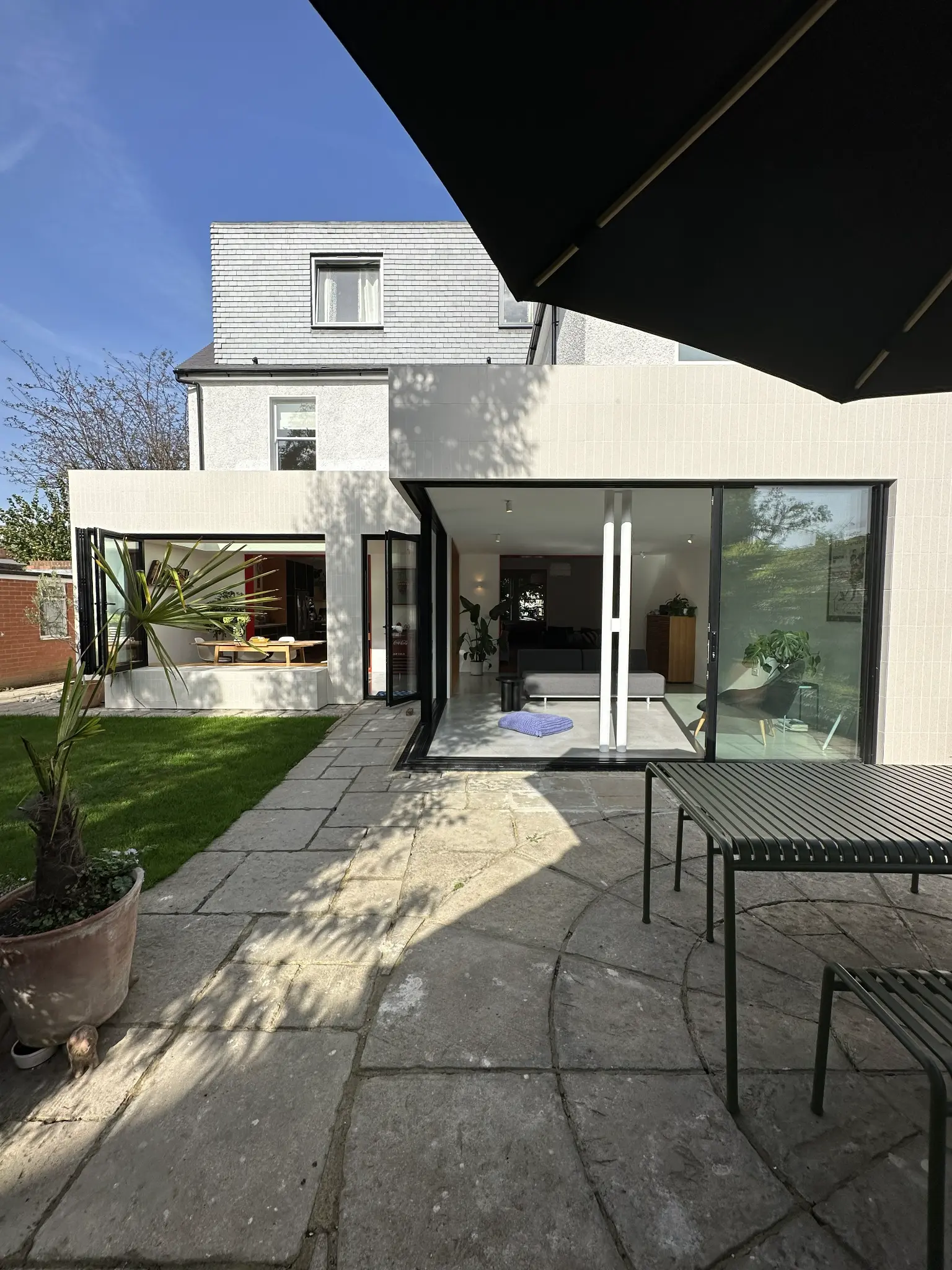
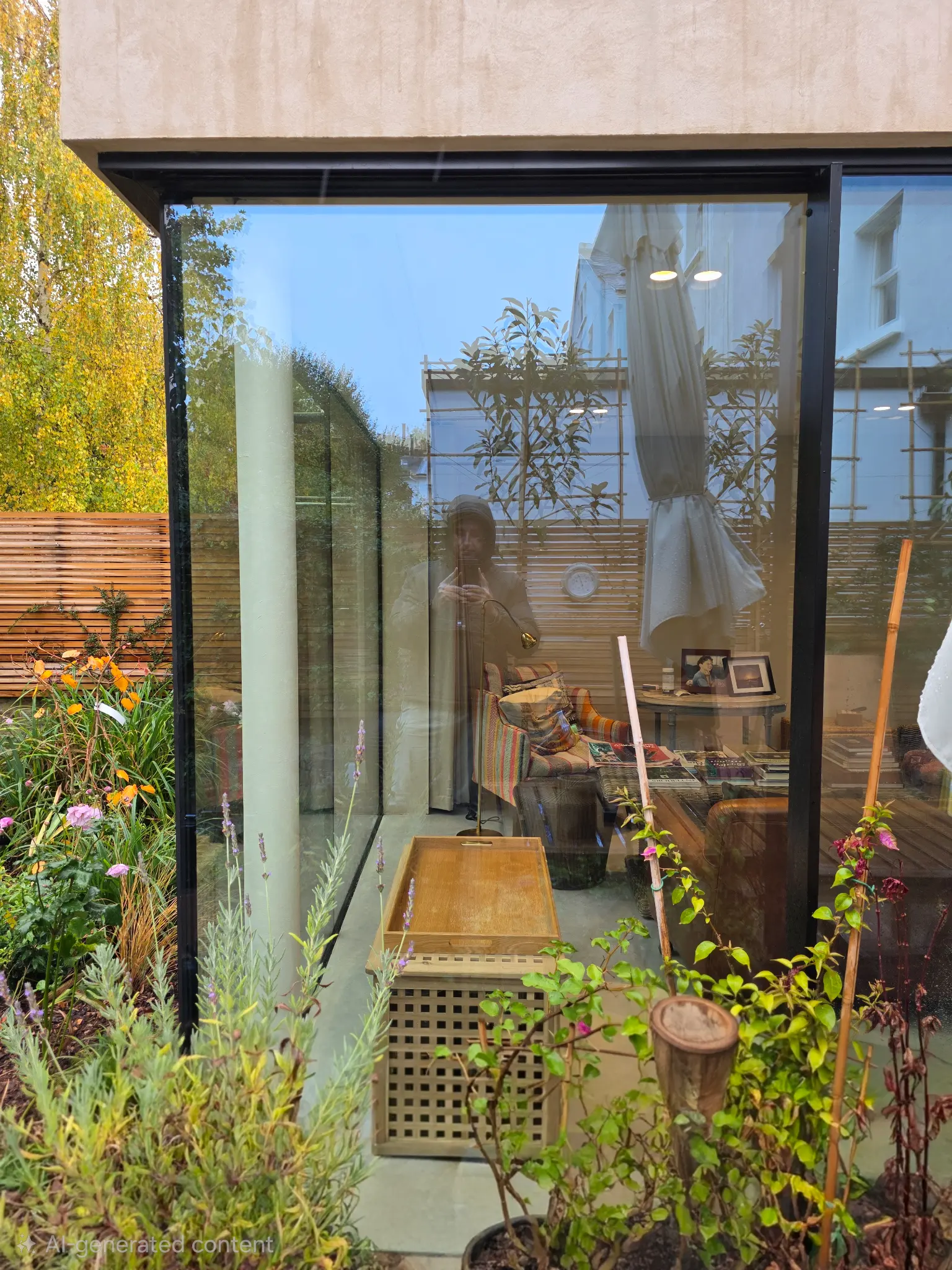
Structural glass walls, often referred to as frameless glass or glass curtain walls, represent a pinnacle of modern architectural design, offering unparalleled light, expansive views, and a sophisticated aesthetic. For UK homeowners considering a contemporary extension, a dramatic renovation, or a new build, understanding the intricacies of these advanced glazing systems is crucial. This guide delves into the technical aspects, design considerations, regulatory requirements, and practical implications of incorporating structural glass into your home.
What Are Structural Glass Walls?
Unlike traditional window and door systems that rely on visible frames for support, structural glass walls are designed to bear loads and form an integral part of a building's structure, often with minimal or concealed framing. This creates a seamless, 'all-glass' appearance, maximising natural light and blurring the lines between indoor and outdoor spaces.
The magic lies in the engineering. High-strength glass panels are typically bonded or mechanically fixed to a discreet support structure, or in some cases, the glass itself acts as the primary structural element. This can involve:
- Fin Walls: Vertical glass fins perpendicular to the main glass panels provide lateral support.
- Point-Fixed Systems: Glass panels are held in place by discreet stainless steel 'spider' fittings, allowing for maximum transparency.
- Silicone-Bonded Systems: Panels are structurally bonded together with high-performance silicone, creating a virtually frameless facade.
- Glass Beams and Columns: In some advanced designs, glass itself forms the beams and columns, supporting other glass panels or even parts of the roof structure.
The choice of system depends on the architectural vision, structural requirements, and budget.
Types of Structural Glass
The glass itself is a critical component, engineered for strength and safety:
- Toughened Glass (Tempered Glass): Heat-treated to increase strength, making it four to five times stronger than ordinary glass. If it breaks, it shatters into small, relatively harmless fragments.
- Laminated Glass: Consists of two or more panes of glass bonded together with an interlayer (typically PVB or SGP). If broken, the interlayer holds the fragments together, preventing them from falling out. This is often used for overhead glazing or in areas where fall protection is required.
- Insulated Glass Units (IGUs): Also known as double or triple glazing, these units comprise multiple panes of glass separated by a sealed air or inert gas (e.g., argon) filled space. This significantly improves thermal performance.
Design and Technical Considerations
Designing with structural glass requires a holistic approach, integrating aesthetics with structural integrity, thermal performance, and safety.
Structural Integrity and Engineering
Due to their load-bearing nature, structural glass walls must be meticulously engineered. A qualified structural engineer specialising in glass structures is essential. They will calculate wind loads, snow loads (if applicable for overhead glazing), self-weight of the glass, and any imposed loads, ensuring the system can safely withstand these forces. The thickness and type of glass, as well as the fixing methods, will be specified based on these calculations.
Thermal Performance and Energy Efficiency
While offering abundant light, glass can be a significant source of heat loss or gain if not specified correctly. Modern structural glass systems utilise high-performance Insulated Glass Units (IGUs) to meet stringent energy efficiency standards.
- Low-Emissivity (Low-E) Coatings: These microscopic metallic coatings reflect heat, keeping interiors warmer in winter and cooler in summer.
- Argon or Krypton Gas Fills: Replacing air with these inert gases between panes reduces heat transfer.
- Warm Edge Spacers: Non-metallic spacers reduce thermal bridging at the edges of the IGU, improving overall U-values.
- Solar Control Glass: For south-facing elevations, solar control coatings can reduce solar heat gain, preventing overheating in summer.
The U-value (thermal transmittance) is a key metric, indicating how well a building element prevents heat from escaping. A lower U-value signifies better insulation.
Safety and Security
Safety is paramount. Structural glass must be specified to prevent injury in case of breakage and to offer adequate security against intrusion.
- Laminated Glass: Often used for safety, especially in overhead glazing or balustrades, as it holds together if shattered.
- Impact Resistance: Glass specifications should consider potential impacts, particularly in high-traffic areas or at ground level.
- Security Features: While glass itself is vulnerable, robust fixing systems and alarm integration can enhance security.
Acoustic Performance
If noise reduction is a concern (e.g., near busy roads), specific acoustic laminated glass can be incorporated. This uses a special interlayer to dampen sound vibrations, significantly improving sound insulation compared to standard IGUs.
UK Building Regulations and Standards
Any significant alteration or extension involving structural glass walls will fall under UK Building Regulations. Compliance is mandatory for safety, structural integrity, energy efficiency, and accessibility.
Key regulations to consider include:
- Approved Document A (Structure): Ensures the structural stability and safety of the building. This is where the structural engineer's calculations are critical.
- Approved Document B (Fire Safety): Dictates requirements for fire resistance and means of escape. Large expanses of glass may require specific fire ratings or sprinkler systems depending on the building's use and size.
- Approved Document C (Site Preparation and Resistance to Contaminants and Moisture): Addresses weather resistance and waterproofing.
- Approved Document K (Protection from Falling, Collision and Impact): Relevant for balustrades, guarding, and glass in critical locations where impact could occur.
- Approved Document L (Conservation of Fuel and Power): This is highly relevant for glazing. The U-values of the structural glass walls must meet or exceed the current standards.
Pro Tip
For extensions or new builds in England, current (2022) Part L Building Regulations require windows and doors to achieve a maximum U-value of 1.2 W/m²K for new builds and 1.4 W/m²K for replacement installations. For walls, the requirement is 0.18 W/m²K. While glass walls are distinct, their thermal performance will be assessed against these stringent standards, often requiring high-specification double or triple glazing with advanced coatings.
It is highly advisable to engage with your local Building Control Body early in the design process to ensure your plans comply with all relevant regulations. A reputable structural glass specialist will also be well-versed in these requirements.
Advantages and Disadvantages of Structural Glass Walls
Structural glass offers numerous benefits but also comes with specific considerations.
Maximised Natural Light
Floods interiors with daylight, reducing reliance on artificial lighting and creating brighter, more inviting spaces.
Uninterrupted Views
Minimised framing provides expansive, panoramic views, seamlessly connecting indoor and outdoor environments.
Contemporary Aesthetic
Delivers a sleek, modern, and high-end architectural statement, enhancing the property's visual appeal and value.
Sense of Space
The transparency and lack of visual barriers make rooms feel larger and more open, even in smaller properties.
Potential Disadvantages and Considerations
- Cost: Structural glass systems are typically more expensive than conventional window and door systems due to specialised engineering, fabrication, and installation.
- Thermal Performance: While modern IGUs are highly efficient, large expanses of glass can still be a weaker point in the thermal envelope compared to an insulated wall. Careful specification is crucial to avoid overheating in summer or excessive heat loss in winter.
- Privacy: The transparency that is a primary benefit can also be a drawback. Solutions like switchable smart glass, blinds, or strategically placed landscaping may be necessary.
- Cleaning and Maintenance: Large glass surfaces require regular cleaning to maintain their pristine appearance, especially externally. Accessibility for cleaning should be considered in the design.
- Condensation: In certain conditions, condensation can form on glass surfaces. Proper ventilation and heating design can mitigate this.
- UV Fading: While some coatings can reduce UV transmission, prolonged exposure to direct sunlight can still cause fading of internal furnishings.
Cost Implications and Return on Investment
The cost of structural glass walls varies significantly based on complexity, glass specification, size, and the chosen system. As a rough guide, expect costs to be considerably higher than standard double-glazed units.
| Factor | Impact on Cost | Notes |
|---|---|---|
| Glass Type | Higher for triple glazing, laminated, low-iron, or smart glass | Low-E coatings and gas fills are standard for efficiency |
| System Type | Point-fixed & fin walls often more expensive than silicone-bonded | Complexity of engineering and fittings |
| Size & Complexity | Larger panels, curved glass, or intricate designs increase cost | Requires specialised fabrication and handling |
| Installation | Requires specialist installers, often with cranes or heavy lifting gear | Labour costs are significant due to precision and safety requirements |
| Access | Difficult site access can add to installation costs | Consider scaffolding, road closures, etc. |
| Additional Features | Integrated shading, smart glass, ventilation elements | Enhance functionality but add to the budget |
While the initial outlay is substantial, structural glass can significantly enhance a property's value and appeal. The improved natural light, aesthetic impact, and connection to the outdoors are highly sought-after features in the UK property market. It's an investment in lifestyle and architectural quality.
Choosing the Right Specialist
Given the technical complexity and critical structural role of these systems, selecting an experienced and reputable specialist is paramount. Look for companies with a proven track record in structural glazing, who can demonstrate:
- Expertise in Design & Engineering: They should have in-house or partner structural engineers experienced in glass.
- Knowledge of UK Building Regulations: Ensuring compliance from the outset.
- Quality of Materials: Using high-performance glass and durable fixing systems.
- Professional Installation Teams: Experienced and safety-conscious installers are crucial.
- Comprehensive Project Management: From initial concept to final installation and aftercare.
Always request to see examples of their previous work and ask for client references. A detailed quotation outlining all aspects of the project, including glass specifications, U-values, and guarantees, is essential.
Conclusion
Structural glass walls offer a transformative architectural solution for UK homeowners seeking to create light-filled, contemporary living spaces with seamless indoor-outdoor connections. While they represent a significant investment and require meticulous planning and execution, the aesthetic and lifestyle benefits can be profound. By understanding the technical considerations, adhering to Building Regulations, and partnering with experienced specialists, you can successfully integrate these stunning features into your home, creating a truly unique and inspiring environment.
If you're considering structural glass for your project, Shard AG specialises in bespoke, high-performance glazing solutions for UK homes. Our expert team provides comprehensive design, engineering, and installation services, ensuring your vision is realised with precision and compliance. Contact us today to discuss how structural glass can elevate your property.
Explore Our Products
Discover how Shard Architectural Glazing can transform your home with our premium glazing solutions:
Ready to Transform Your Home?
Get in touch with our expert team for a free consultation and personalised quote. We'll help you choose the perfect glazing solution for your property.