

Structural Glass Walls: Design, Benefits & UK Regulations
Explore structural glass walls for UK homes. Learn about design, benefits, technical aspects, Building Regulations (Part L 2022), and installation considerations.

Shard Architectural Glazing
23 March 2026
Explore structural glass walls for UK homes. Learn about design, benefits, technical aspects, Building Regulations (Part L 2022), and installation considerations.
📋In This Article
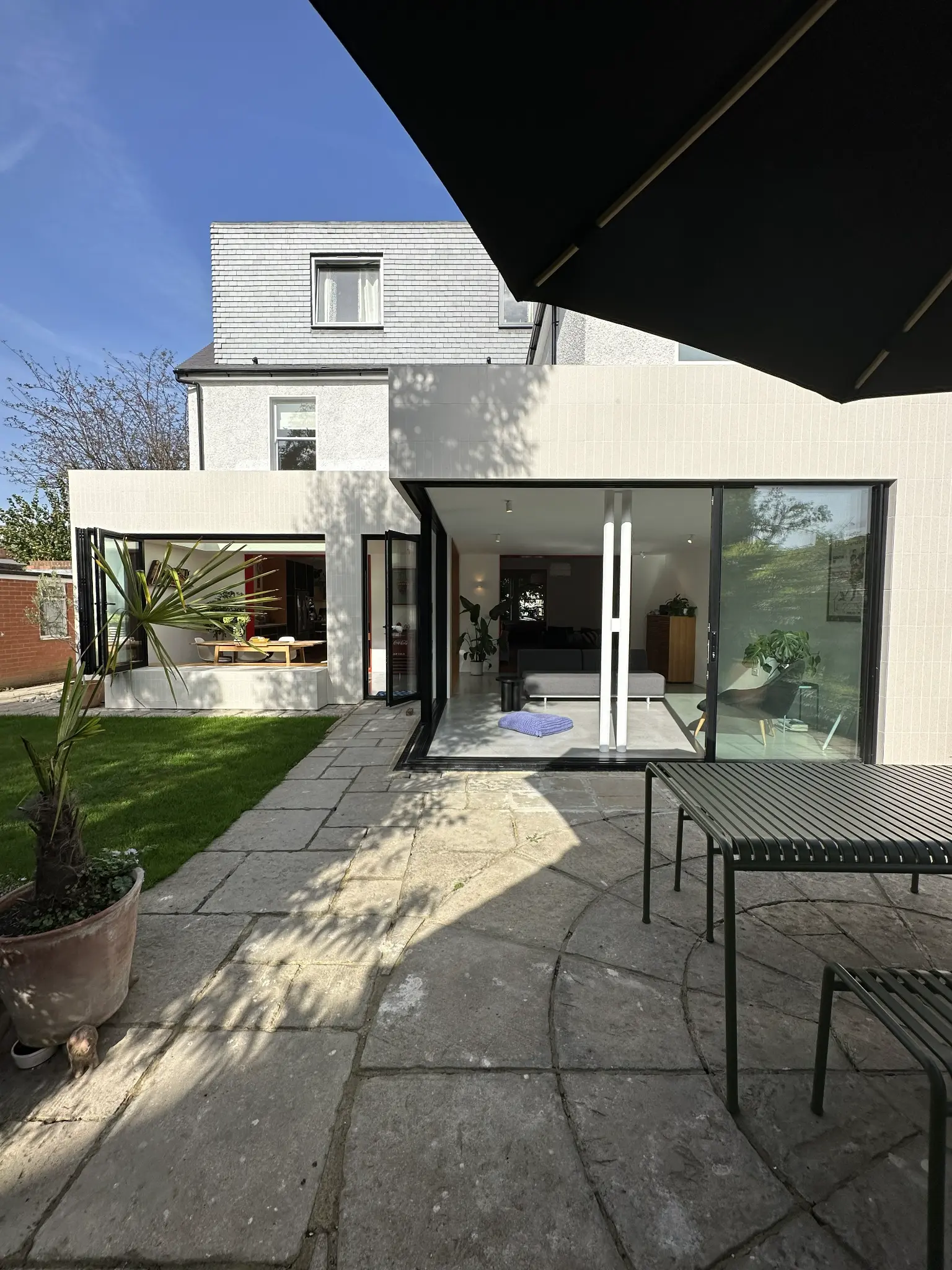
Structural glass walls represent the pinnacle of modern architectural design, offering homeowners the opportunity to create breathtaking, light-filled spaces that seamlessly connect interiors with the outdoors. Far more than just large windows, these systems integrate glass as a primary structural element, often eliminating the need for traditional frames and creating an almost invisible barrier. For homeowners in the UK considering a contemporary extension, a dramatic renovation, or a new build, understanding the intricacies of structural glass is crucial.
This comprehensive guide will delve into the world of structural glass walls, covering their design principles, the numerous benefits they offer, critical technical considerations, and how they interact with UK Building Regulations. We'll also explore the installation process and maintenance requirements, providing you with the knowledge needed to make an informed decision for your property.
What Are Structural Glass Walls?
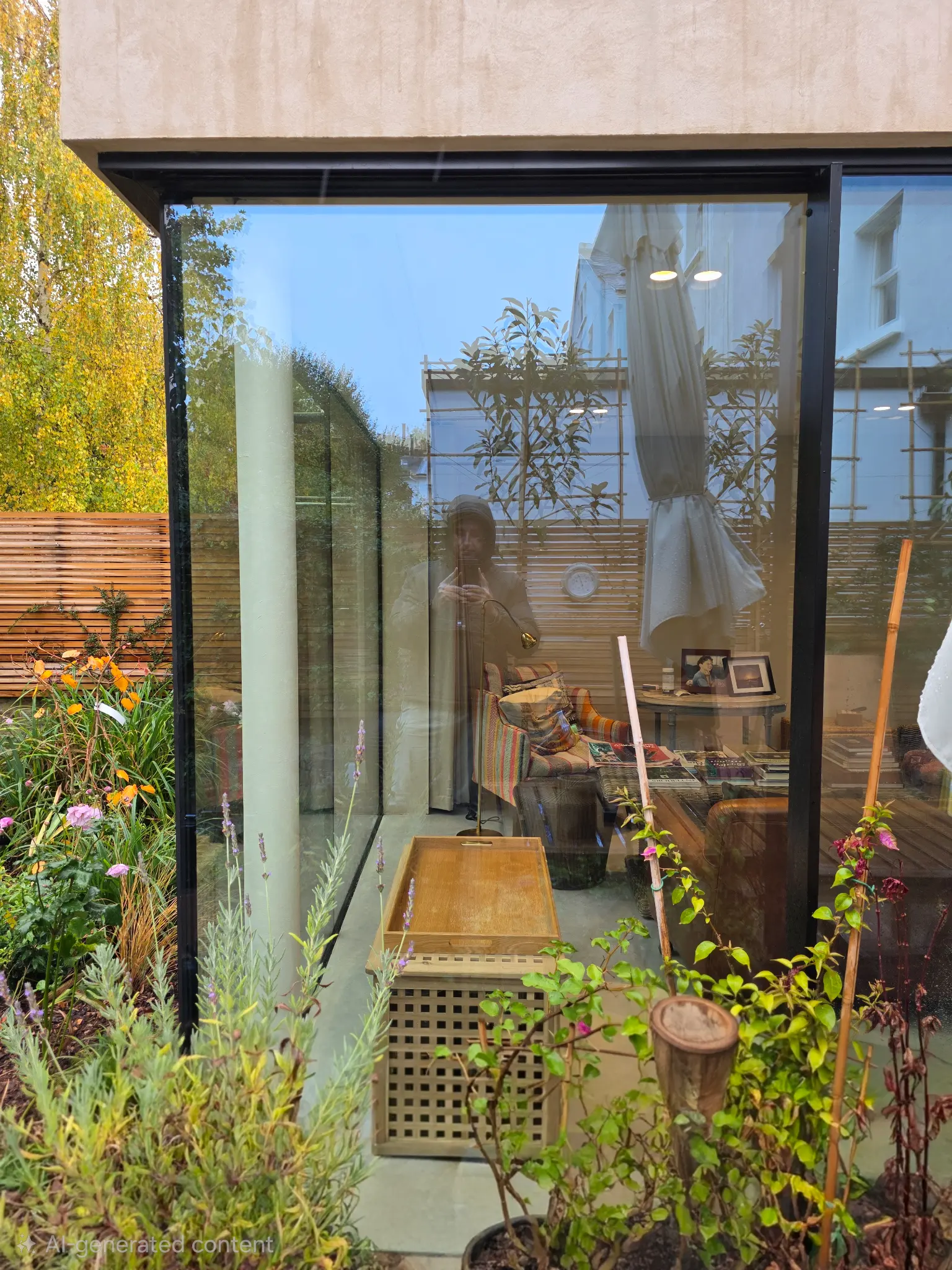
At its core, a structural glass wall is a glazing system where the glass itself bears a significant portion of the load, often without visible frames, mullions, or transoms. Unlike conventional windows or patio doors, where the glass panels are held within a frame, structural glass systems use specialised fixings and highly engineered glass to create large, uninterrupted expanses of glazing.
These systems are typically bespoke and designed to meet specific project requirements. They can range from frameless glass extensions and large fixed panels to complex glass box structures or glass roofs. The magic lies in the engineering: the glass panels are usually bonded with high-strength silicone or mechanically fixed with discreet stainless steel fittings (often referred to as 'spider fittings' or 'rotules') to a supporting structure, which itself might be steel, timber, or even other glass elements.
Key Characteristics:
- Minimal Framing: The defining feature is the absence or minimisation of visible frames, creating a 'seamless' look.
- Load-Bearing Glass: The glass itself contributes to the structural integrity of the building envelope.
- Bespoke Design: Each structural glass project is typically custom-designed and engineered for its specific application.
- High-Performance Glazing: Utilises toughened and/or laminated glass, often with multiple panes (double or triple glazing) for thermal and acoustic performance.
Benefits of Structural Glass in UK Homes
The appeal of structural glass walls extends beyond their striking aesthetics, offering a range of practical advantages for UK homeowners.
Maximised Natural Light
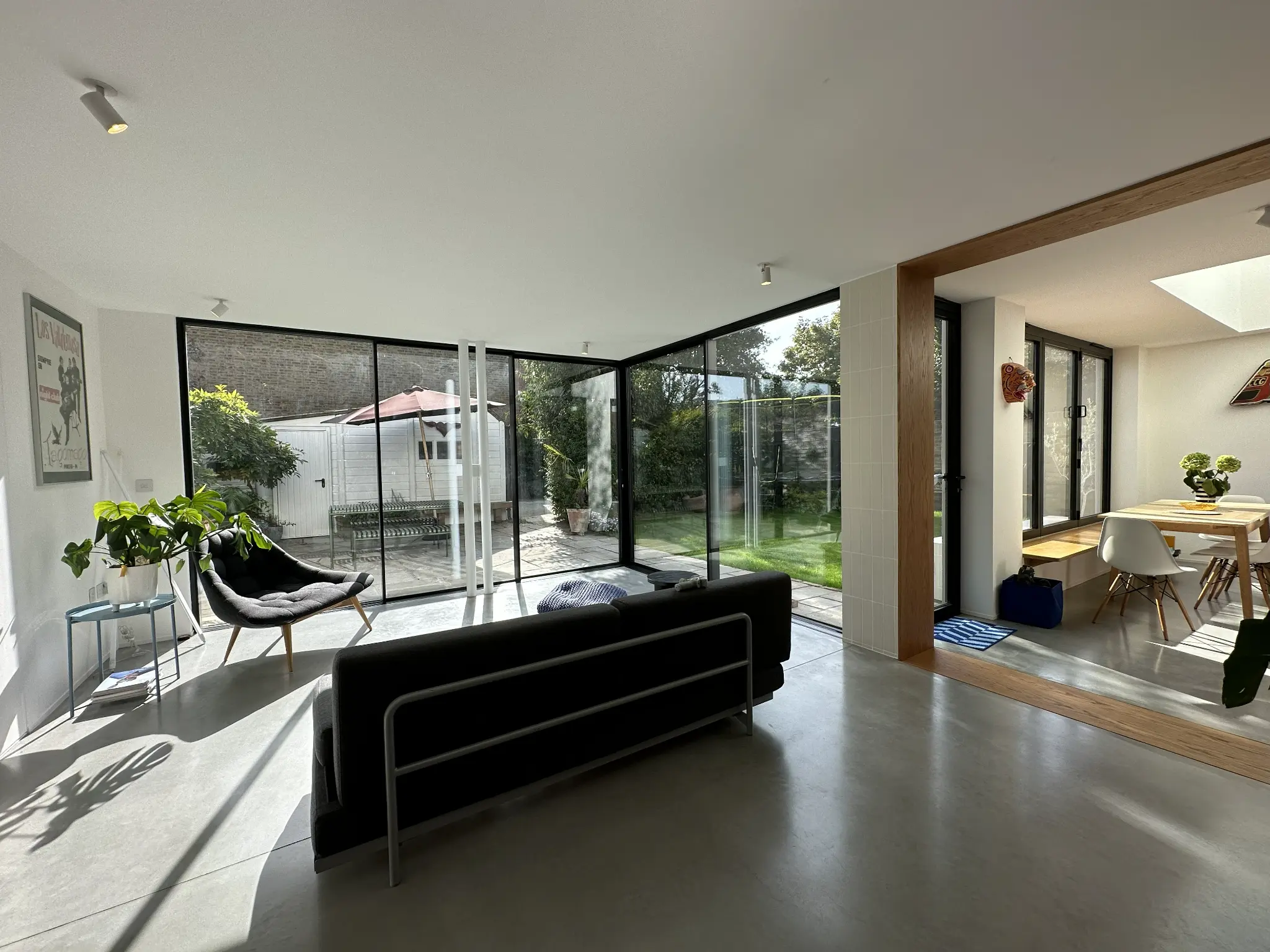
Structural glass allows an unparalleled amount of natural light to flood interior spaces. This not only creates a brighter, more inviting atmosphere but can also reduce the need for artificial lighting during the day, potentially lowering energy consumption.
Enhanced Views & Connection
By minimising visual obstructions, structural glass walls offer expansive, uninterrupted views of gardens, landscapes, or urban environments. This creates a powerful connection between indoor and outdoor spaces, making rooms feel larger and more open.
Modern Aesthetic Appeal
These systems deliver a sleek, contemporary, and minimalist aesthetic that can significantly elevate the architectural value and appeal of a property. They are a hallmark of modern design and can transform the look and feel of any home.
Improved Well-being
Increased exposure to natural light has been linked to improved mood, productivity, and overall well-being. A brighter home environment can contribute positively to the occupants' quality of life.
Technical Considerations and UK Building Regulations
Implementing structural glass walls requires careful consideration of several technical aspects, particularly concerning safety, thermal performance, and compliance with UK Building Regulations.
1. Glass Specification and Safety
- Type of Glass: Structural glass typically uses toughened glass (also known as tempered glass) for its strength and safety. If it breaks, it shatters into small, relatively harmless pieces. For overhead glazing or areas where human impact is a higher risk, laminated glass is often specified. This consists of two or more panes of glass bonded together with an interlayer (e.g., PVB), which holds the glass together if it breaks, preventing shards from falling.
- Thickness: The thickness of the glass (e.g., 10mm, 12mm, 15mm, 19mm, or more) is determined by structural calculations, considering factors like panel size, wind loading, snow loading (for roofs), and deflection limits.
- Load Bearing: For true structural glass, engineers calculate how the glass will bear its own weight, wind loads, and potentially other imposed loads.
2. Thermal Performance (Part L of Building Regulations)
One of the most critical aspects for UK homeowners is thermal performance. Building Regulations Part L (Conservation of Fuel and Power) sets stringent requirements for the energy efficiency of buildings. Structural glass walls, being large areas of glazing, must meet these standards to prevent excessive heat loss.
- U-Values: This measures how effectively a component (like a wall, roof, or window) prevents heat from escaping. A lower U-value indicates better insulation.
- Double or Triple Glazing: To meet current U-value requirements, structural glass walls almost always utilise high-performance double glazing or, increasingly, triple glazing. These systems incorporate an inert gas (like argon or krypton) in the cavity between the panes and often feature low-emissivity (low-e) coatings to reflect heat.
- UK Building Regulations Part L (2022 England) Requirements:
- New Builds: Windows and doors must achieve a U-value of 1.2 W/m²K or better.
- Replacement/Extensions: Windows and doors must achieve a U-value of 1.4 W/m²K or better.
Achieving these values with large, frameless glass can be challenging but is entirely possible with advanced glazing technologies and careful design. It's crucial to work with a specialist who can provide U-value calculations for the entire glass assembly, including any minimal framing or fixing details.
Pro Tip
When discussing U-values with your supplier, always ask for the 'installed U-value' or 'system U-value' for the entire structural glass assembly, not just the centre-pane U-value of the glass. This provides a more accurate representation of the thermal performance of the complete installed product.
3. Acoustic Performance
For homes in noisy urban areas or near busy roads, acoustic performance is a key consideration. Laminated glass, often with specific acoustic interlayers, can significantly improve sound insulation. The cavity width in double or triple glazing also plays a role.
4. Solar Control
While maximising natural light, large glass areas can also lead to excessive solar gain, causing overheating in summer. Solutions include:
- Solar Control Coatings: Specialised coatings applied to the glass can reflect a portion of the sun's heat while still allowing light through.
- External Shading: Overhangs, brise-soleils, or external blinds can effectively manage solar gain.
5. Wind and Snow Loading
In the UK, structural glass must be engineered to withstand local wind loads, which vary by geographical location and building height. For glass roofs, snow loading must also be factored into the structural calculations. These calculations are typically carried out by a structural engineer.
6. Condensation
While high-performance glazing reduces the risk, condensation can still occur on the internal surface of glass, especially in rooms with high humidity. Proper ventilation and heating are essential to manage this.
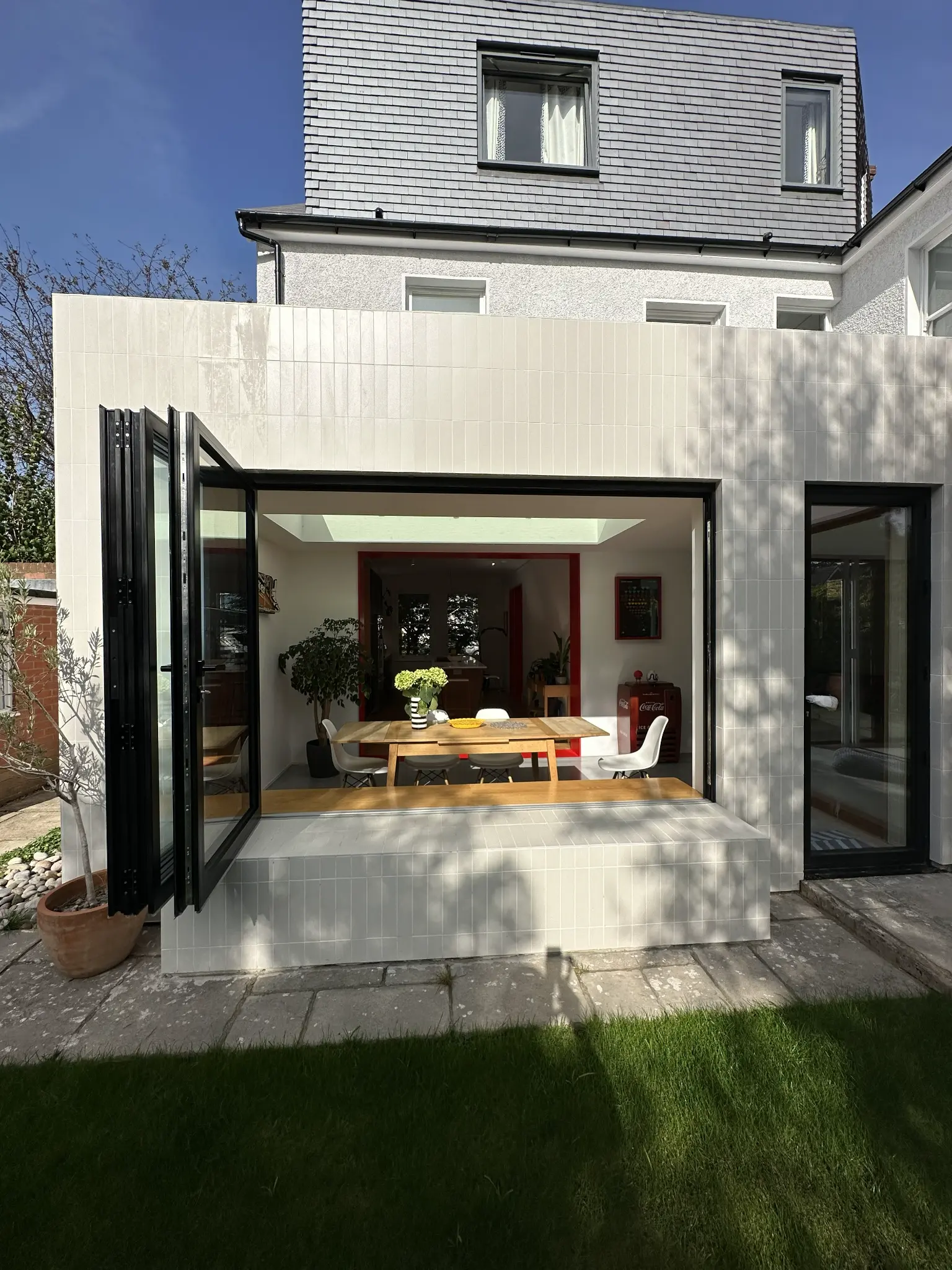
Design and Installation Process
The journey to installing structural glass walls is a multi-stage process that demands precision and expertise.
1. Initial Consultation & Design Brief
This stage involves discussing your vision, aesthetic preferences, and functional requirements with an architectural glazing specialist and potentially your architect. Site specifics, orientation, and integration with the existing structure are all considered.
2. Structural Engineering & Calculations
A qualified structural engineer will perform detailed calculations to determine glass thickness, fixing types, and supporting structure requirements, ensuring the system can safely withstand all anticipated loads (wind, snow, self-weight). This is a critical step for Building Control approval.
3. Detailed Design & Manufacture
Once the engineering is approved, detailed technical drawings are produced. The glass panels are then custom-manufactured to precise specifications, including any coatings, gas fills, and edge finishes.
4. Site Preparation & Installation
The supporting structure must be accurately prepared. Installation of structural glass is a specialist task, often requiring heavy lifting equipment and a highly skilled team to meticulously position and secure the large, heavy glass panels. High-performance silicone sealants are applied to create weather-tight and structurally sound joints.
5. Building Control Approval
For any significant structural alteration or new build, Building Control approval is mandatory. Your structural glass system must demonstrate compliance with all relevant parts of the Building Regulations, including structural safety (Part A), thermal performance (Part L), and safety glazing (Part K). It is advisable to engage with your local Building Control body early in the design process.
Maintenance and Longevity
Structural glass walls are designed for longevity, but proper maintenance is key to preserving their appearance and performance.
- Cleaning: Regular cleaning is essential to maintain clarity and appearance. Specialist glass cleaning equipment may be required for very large or high panels.
- Sealant Inspection: Periodically inspect silicone joints for any signs of degradation or cracking. While high-quality silicones are very durable, they may require re-application after many years.
- Hardware Checks: For systems with mechanical fixings, ensure they remain secure and free from corrosion.
The lifespan of a well-designed and installed structural glass system can be several decades, with the glass itself being highly durable. The integrity of the seals and fixings will be the primary factor in long-term performance.
Cost Considerations
Structural glass walls represent a significant investment compared to standard window or door systems. The cost is influenced by:
- Size and Complexity: Larger panels and more intricate designs (e.g., curved glass, complex angles) increase costs.
- Glass Specification: Triple glazing, specialist coatings (solar control, acoustic), and thicker glass will add to the price.
- Structural Requirements: The need for bespoke steelwork or reinforced foundations will impact the overall project cost.
- Access and Installation: Difficult site access or the need for specialised lifting equipment can increase installation costs.
While the initial outlay is higher, the long-term benefits in terms of aesthetics, natural light, and property value often justify the investment for many homeowners.
Structural Glass vs. Other Glazing Options: A Comparison
To help you understand where structural glass fits within the broader glazing landscape, here's a comparison with other popular options:
| Feature | Structural Glass Walls | Aluminium Bi-Fold Doors | Aluminium Sliding Doors |
|---|---|---|---|
| Aesthetic | Minimalist, frameless, seamless views | Contemporary, visible frames, concertina opening | Sleek, slim frames, large glass panels |
| Frame Material | Minimal/hidden frames, glass itself is structural | Aluminium | Aluminium |
| Opening Mechanism | Typically fixed, but can integrate pivot or sliding doors within the system | Panels fold and stack to one or both sides | Panels slide past each other, allowing large openings |
| Max. Opening Size | Can achieve very large, uninterrupted fixed panels; integrated doors offer wide openings | Up to 90% of the opening can be clear | Typically 50% or 66% of the opening can be clear (depending on configuration) |
| U-Value (Typical) | 1.0 - 1.4 W/m²K (with high-performance double/triple glazing) | 1.2 - 1.6 W/m²K | 1.0 - 1.4 W/m²K (often achieving better due to fewer breaks in glazing) |
| Cost | High (bespoke engineering) | Medium to High | Medium to High |
| Complexity | High (requires structural engineering) | Medium | Medium |
While bi-fold and sliding doors offer excellent light and access, structural glass provides an unmatched level of visual clarity and minimalist aesthetic, making it ideal for architectural statements.
Conclusion
Structural glass walls offer a transformative solution for UK homeowners seeking to create truly exceptional living spaces. Their ability to flood interiors with natural light, provide expansive views, and deliver a cutting-edge aesthetic is unparalleled. However, their implementation requires a deep understanding of technical specifications, adherence to stringent UK Building Regulations, and collaboration with experienced professionals.
By carefully considering glass type, thermal performance, structural engineering, and the overall design and installation process, you can achieve a stunning and high-performing structural glass feature that enhances your home's beauty, comfort, and value for years to come.
If you're considering incorporating structural glass into your UK home project, we recommend consulting with a specialist architectural glazing company. They can provide expert advice, conduct necessary structural calculations, and ensure your design not only looks incredible but also fully complies with all relevant Building Regulations. Shard AG specialises in bespoke architectural glazing solutions, including high-performance structural glass walls, designed and installed to the highest standards for discerning UK homeowners. Our team of experts can guide you through every step of the process, from initial concept to flawless installation, ensuring your vision becomes a stunning reality.
Explore Our Products
Discover how Shard Architectural Glazing can transform your home with our premium glazing solutions:
Ready to Transform Your Home?
Get in touch with our expert team for a free consultation and personalised quote. We'll help you choose the perfect glazing solution for your property.