UV Protection in Modern Glass: What UK Homeowners Need to Know
Discover how modern glazing protects your home from harmful UV rays, preserving interiors and enhancing comfort. Learn about technologies, regulations, and choices.

Shard Architectural Glazing
9 April 2026
Discover how modern glazing protects your home from harmful UV rays, preserving interiors and enhancing comfort. Learn about technologies, regulations, and choices.
📋In This Article
When considering new or replacement glazing for your home, the focus often falls on thermal performance, security, and aesthetics. However, an equally crucial, yet often overlooked, aspect is Ultraviolet (UV) protection. The sun's rays, while providing warmth and light, also carry harmful UV radiation that can significantly impact your home's interiors and even your health. Modern glass technology has made remarkable advancements in mitigating these effects, offering sophisticated solutions for UK homeowners.
This comprehensive guide will delve into the science behind UV radiation, explore the various types of UV protective glass available, discuss their benefits and considerations, and highlight relevant UK Building Regulations. Our aim is to equip you with the knowledge needed to make informed decisions about your glazing, ensuring your home remains beautiful, comfortable, and protected for years to come.
Understanding UV Radiation and Its Impact
Ultraviolet (UV) radiation is a form of electromagnetic radiation emitted by the sun. It's invisible to the human eye but carries significant energy. UV light is categorised into three main types based on its wavelength:
- UVA (320-400 nm): This accounts for approximately 95% of the UV radiation reaching the Earth's surface. It penetrates deeply into the skin and is a primary cause of premature ageing and contributes to skin cancer. Crucially for homeowners, UVA can pass through most standard glass.
- UVB (290-320 nm): While less prevalent than UVA, UVB is more intense and is the main cause of sunburn and a significant contributor to skin cancer. Most standard glass blocks a substantial portion of UVB.
- UVC (100-290 nm): This is the most dangerous form of UV radiation, but thankfully, it is almost entirely absorbed by the Earth's ozone layer and does not typically reach the surface.
Impact on Your Home
The primary concern for homeowners regarding UV radiation, particularly UVA, is its detrimental effect on interior furnishings and finishes. Prolonged exposure can lead to:
- Fading and Discolouration: Fabrics, carpets, artwork, photographs, and even wooden furniture can fade, discolour, or degrade over time due to UV exposure. This is often an irreversible process.
- Material Degradation: UV rays can break down the chemical bonds in various materials, leading to embrittlement, cracking, or weakening of plastics, paints, and certain finishes.
- Increased Heat Gain: While not directly UV, the sun's infrared (IR) radiation, which often accompanies UV, contributes significantly to solar heat gain, making rooms uncomfortably warm and increasing the need for air conditioning.
Pro Tip
While standard clear glass blocks most UVB, it typically allows a significant amount of UVA to pass through. This means that even behind a window, your furnishings and skin are still susceptible to UVA damage. Modern UV-protective glass is specifically engineered to address this.
.jpg)
Types of UV Protective Glass for UK Homes
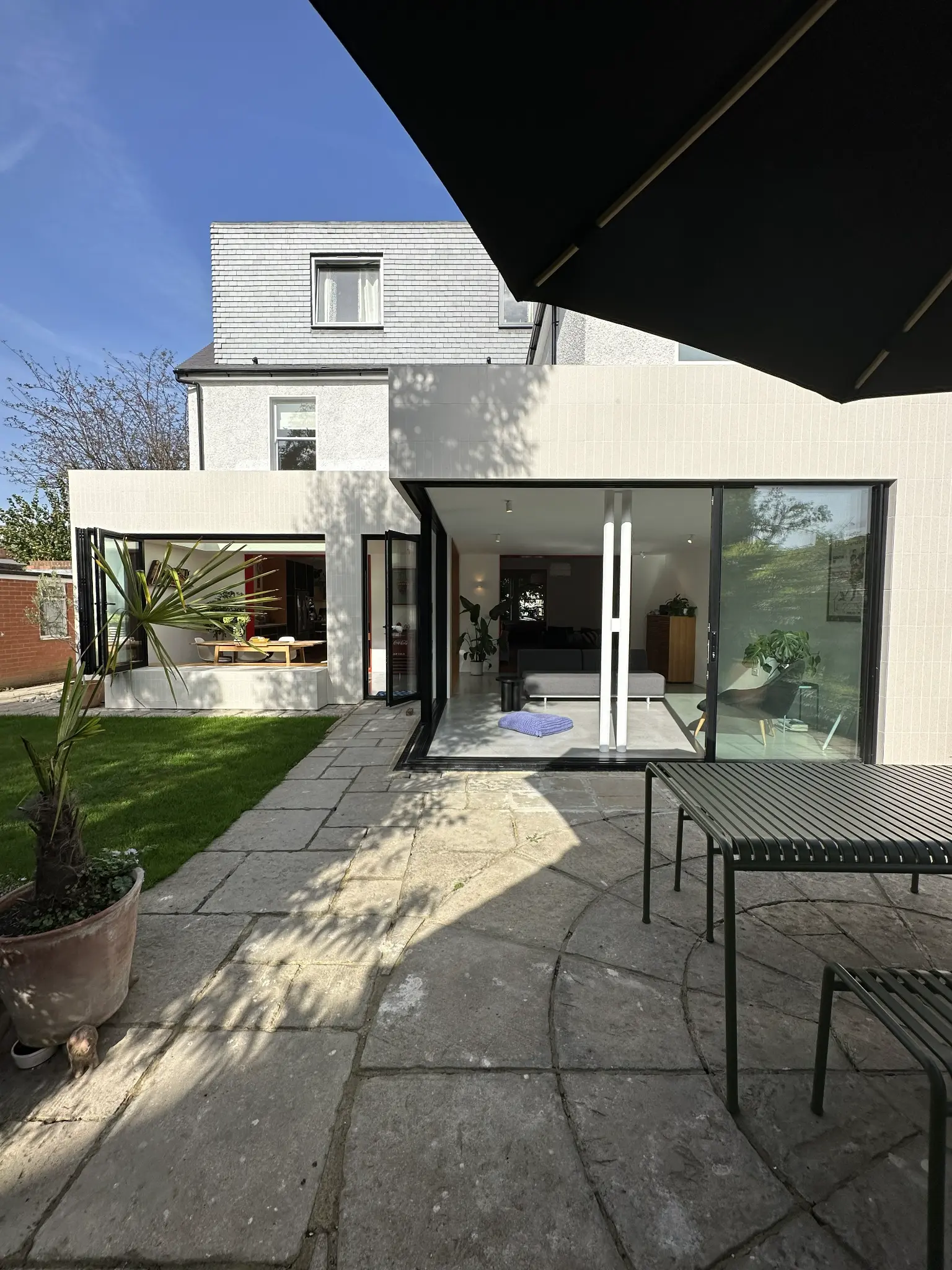
Modern glazing offers several effective ways to minimise UV transmission. These technologies are often integrated into double or triple glazed units (DGUs/TGUs) to provide comprehensive performance.
1. Laminated Glass
Laminated glass consists of two or more panes of glass bonded together with one or more interlayers of polyvinyl butyral (PVB) or similar plastic material. This interlayer is highly effective at absorbing UV radiation.
- How it works: The PVB interlayer acts as a UV filter, absorbing a significant percentage (typically over 99%) of both UVA and UVB rays.
- Additional benefits: Laminated glass offers enhanced security (it holds together when shattered, preventing easy entry) and improved sound insulation.
- Considerations: It can be slightly more expensive than standard toughened glass and may be marginally heavier.
2. Low-Emissivity (Low-E) Coatings
While primarily designed for thermal performance, many modern low-emissivity (low-E) coatings also offer incidental UV protection. These microscopic, transparent metallic layers are applied to one of the glass surfaces within a DGU or TGU.
- How it works: Low-E coatings reflect long-wave infrared (heat) radiation, keeping heat inside in winter and outside in summer. Many advanced low-E coatings also reflect a portion of the UV spectrum.
- Types: There are 'hard coat' (pyrolytic) and 'soft coat' (sputtered) low-E coatings. Soft coats generally offer better thermal performance and often superior UV blocking.
- Considerations: While effective, their primary function is thermal, so their UV blocking might not be as comprehensive as dedicated laminated glass.
3. Tinted or Absorbing Glass
Glass can be manufactured with specific additives that cause it to absorb certain wavelengths of light, including UV radiation. These are often referred to as body-tinted glass.
- How it works: Metal oxides added during the manufacturing process give the glass a slight tint (e.g., bronze, grey, green, blue) and absorb a portion of the solar spectrum, including UV.
- Considerations: The tint can reduce visible light transmission, making rooms darker. The level of UV absorption varies depending on the tint and thickness, and it may not be as high as laminated glass.
4. Specialist Films and Treatments
While not part of the glass manufacturing process itself, UV-filtering films can be applied to existing glass. These are often used in conservation areas or for specific applications where glass replacement isn't feasible.
- How it works: These films contain UV inhibitors that absorb or reflect UV radiation.
- Considerations: Professional installation is crucial for a bubble-free finish. Films have a lifespan and may need replacement over time. They are generally not as durable or integrated as factory-produced UV-protective glass.
Benefits and Practical Considerations for Homeowners
Investing in UV protective glass offers a range of tangible benefits for your home and lifestyle.
Preservation of Interiors
Significantly extends the life and vibrancy of carpets, curtains, furniture, artwork, and wooden floors by preventing fading and degradation.
Enhanced Comfort
By reducing solar heat gain (especially with low-E coatings), rooms remain cooler in summer, reducing reliance on air conditioning and improving comfort.
Improved Health Protection
Minimises exposure to harmful UV rays indoors, contributing to better skin health and reducing the risk of UV-related damage.
Increased Property Value
Modern, high-performance glazing is a desirable feature for potential buyers, indicating a well-maintained and energy-efficient home.
Practical Considerations
- Cost: UV protective glass, particularly laminated options, can be more expensive than standard glass. However, consider this an investment in protecting your home's assets.
- Visible Light Transmission (VLT): Some UV-blocking options, especially tinted glass, can slightly reduce the amount of visible light entering a room. Laminated glass with a clear PVB interlayer typically has minimal impact on VLT.
- Thermal Performance: Ensure that any UV-protective glass you choose also meets or exceeds current thermal performance standards (U-values) for energy efficiency.
- Acoustic Performance: Laminated glass, in particular, offers excellent acoustic insulation, which can be a significant benefit for homes in noisy areas.
- Security: Laminated glass provides an additional layer of security, making it harder for intruders to break through.
UK Building Regulations and Standards
While there isn't a specific Building Regulation solely for UV protection, modern glazing must comply with various aspects of the Building Regulations (England and Wales) that indirectly support or influence the choice of UV-protective glass, primarily Part L (Conservation of Fuel and Power) and Part K (Protection from falling, collision and impact).
Part L: Conservation of Fuel and Power (2022 Edition)
This regulation sets stringent requirements for the thermal performance of building elements, including windows and doors. While its primary focus is on U-values, the low-E coatings used to achieve these U-values often provide incidental UV protection.
| Building Element | Maximum U-value (W/m²K) | Notes |
|---|---|---|
| Walls (New Build & Extensions) | 0.18 | |
| Floors | 0.18 | |
| Roofs | 0.15 | |
| Windows/Doors (New Build) | 1.2 | |
| Windows/Doors (Replacement) | 1.4 | |
| Party Walls | 0.0 |
When selecting UV-protective glass, ensure the chosen unit's U-value meets or exceeds these standards for your specific project (new build or replacement). Many high-performance laminated units can achieve these values.
Part K: Protection from Falling, Collision and Impact
This regulation addresses safety glazing. Laminated glass, due to its ability to hold together when broken, is often specified in areas where there's a risk of human impact (e.g., low-level glazing, doors, or large panes). Its inherent UV-blocking properties are an added benefit in these applications.
Compliance and Professional Advice
It is always advisable to consult with your local Building Control body or a qualified glazing professional to ensure your chosen glazing solution complies with all relevant regulations for your specific project. Failure to comply could affect the legality of your installation and future property sales.
Making the Right Choice for Your Home
Choosing the right UV-protective glass involves balancing various factors: budget, desired level of UV protection, thermal performance, security, and aesthetics. Here are some steps to guide your decision:
- Assess Your Needs: Identify which areas of your home are most susceptible to UV damage (e.g., south-facing rooms with valuable furnishings, conservatories).
- Prioritise Performance: Decide whether maximum UV protection (e.g., 99%+) is your top priority, or if a balance with thermal performance and cost is more suitable.
- Consider Glass Type:
- For maximum UV protection and enhanced security/acoustic performance, laminated glass is often the superior choice.
- For excellent thermal performance with good incidental UV blocking, high-performance low-E coated glass is ideal.
- For a balance of heat and light control with some UV reduction, tinted glass might be considered, but be mindful of reduced visible light.
- Consult a Specialist: Engage with reputable glazing suppliers or installers. They can provide detailed specifications, U-values, and advice tailored to your project and local Building Regulations.
- Review Warranties: Understand the warranty offered on the glass unit, particularly regarding its UV-blocking capabilities and thermal performance.
Modern glazing offers an impressive array of solutions to protect your home from the sun's harmful UV rays. By understanding the options available and considering your specific requirements, you can select glazing that not only enhances your home's energy efficiency and security but also safeguards your cherished interiors and contributes to a healthier living environment.
The Shard AG Difference
At Shard AG, we understand the importance of comprehensive glazing solutions for the modern UK home. We specialise in supplying and installing high-performance architectural glazing, including a wide range of UV-protective glass options. Our expert team can guide you through the technical specifications and benefits of laminated, low-E, and other specialist glass types, ensuring you choose the perfect solution that meets your aesthetic, performance, and regulatory requirements. We are committed to delivering quality, durability, and peace of mind, helping you create a comfortable, secure, and beautifully preserved home environment.
Explore Our Products
Discover how Shard Architectural Glazing can transform your home with our premium glazing solutions:
Ready to Transform Your Home?
Get in touch with our expert team for a free consultation and personalised quote. We'll help you choose the perfect glazing solution for your property.